
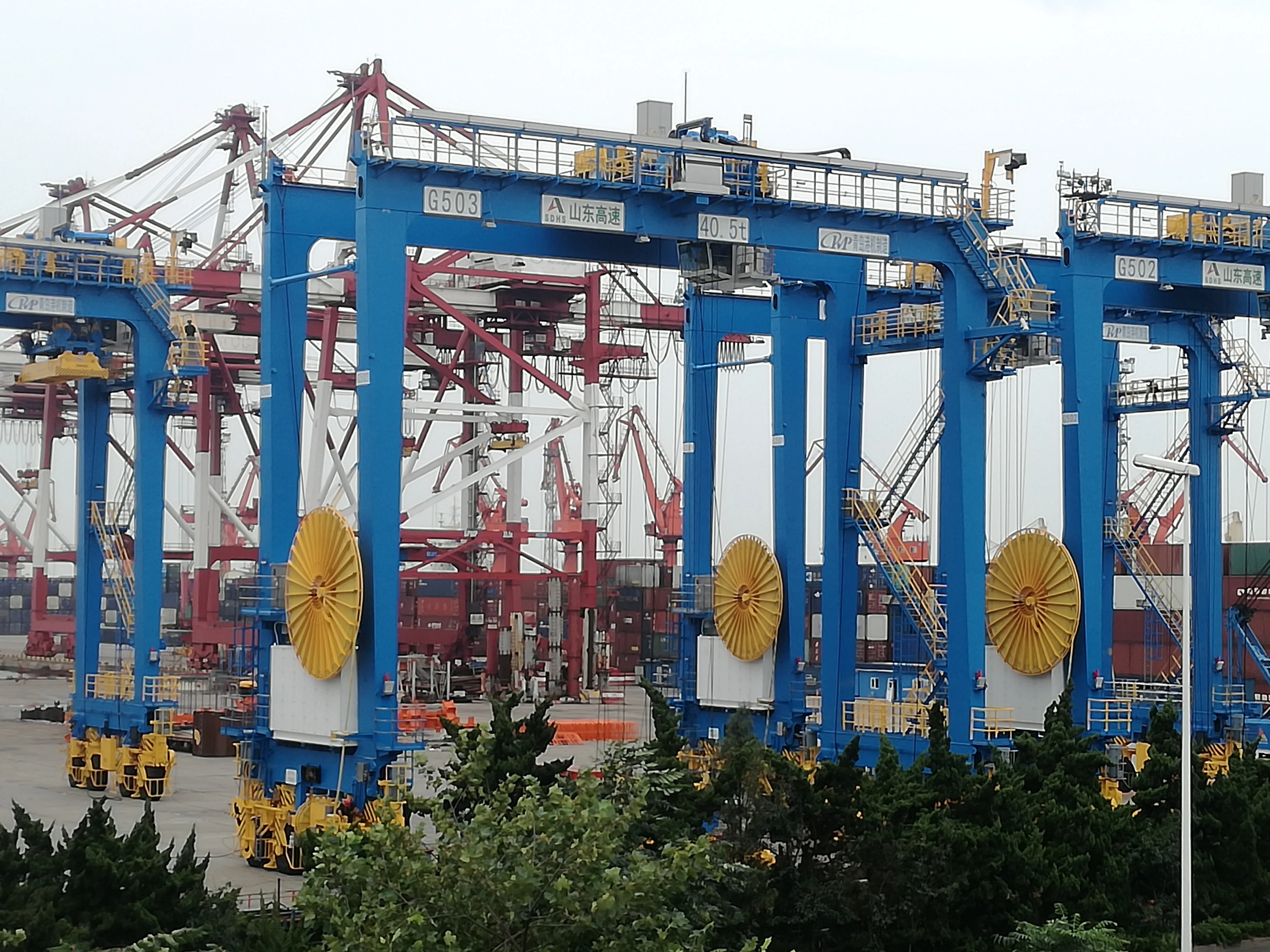
You have a big problem with container crane coating: what survives marine salt fog. Salt spray hits every open surface. You need to pick container crane coating: what survives marine salt fog to keep your things safe. CEGC knows how container crane coating: what survives marine salt fog changes your work. Container crane coating: what survives marine salt fog helps your machines stay strong.
Key Takeaways
-
Pick coatings that can stand up to salt spray and rust. Using layers with zinc-rich primers and thick epoxy works best to protect.
-
It is important to check your crane often. Look at it every 3 to 6 months for chips, rust, or peeling paint. This helps stop bigger problems from happening.
-
Know the dangers of being near the ocean. Salt spray can cause even rust, small holes, and cracks. This can make your equipment weaker.
Marine Salt Fog, Salt Spray, and Corrosion Impact
Salt spray and marine fog are common at the port. They cover your crane, container handler, and other equipment. Salt spray isn’t just water. It has tiny salt particles that stick to metal. When you work near the sea, you see fog and spray almost all the time. These conditions make it hard for your machines to stay safe.
Salt spray and fog speed up rust and damage. Here is how they do it:
-
Salt spray carries chloride ions that land on steel. These ions break the protective layer on the metal.
-
High humidity keeps surfaces wet. Moisture helps rust start and spread.
-
Temperature changes cause water to form on your equipment. Wet-dry cycles leave more salt behind, making rust worse.
-
Sunlight and UV rays damage the coating’s surface. This lets salt spray reach the metal underneath.
-
Moving parts and contact with other objects can chip the coating. Small chips let rust begin.
You can see these effects on your ship loader, reach stacker forklift, and loading dock. Salt spray does not just cause rust. It creates weak spots that can lead to bigger problems.
|
Evidence Source |
Key Findings |
|---|---|
|
Influence of praseodymium(iii) chloride on corrosion resistance of AS1020 steel |
Chloride ions are harmful. They start rust and lower soil resistivity. |
|
Waterfront and Coastal Structures Corrosion Issues Knowledge Area |
Chloride ions damage protective metal layers and speed up steel decay. |
|
Maritime Infrastructure Maintenance: Combating Saltwater Corrosion in Port Pipelines |
Chloride ions are very aggressive in marine areas. They cause faster rusting. |
|
How does sea salt affect shipping containers? |
Salty water acts as an electrolyte. It makes iron rust quickly. |
Salt spray and marine fog don’t work alone. High humidity and temperature changes make the problem worse. When the air is humid, your equipment stays wet longer. This gives salt spray more time to attack the metal. Hot and cold cycles cause the coating to expand and shrink. This can cause cracks and more rust.
Risks for Container Crane Coatings
Your container crane or ship crane faces many risks in a marine environment. Salt spray and fog attack every part of your equipment. Here are the main risks:
-
Uniform corrosion makes the metal thinner everywhere. This weakens your crane.
-
Pitting creates deep holes in the metal. These holes can let water inside and cause quick damage.
-
Crevice corrosion hides in seams, under seals, and in folds. You might not see it until it’s too late.
-
Galvanic corrosion happens when different metals touch. Salt spray makes this type of corrosion faster.
|
Type of corrosion |
Description |
Risk for containers |
|---|---|---|
|
Uniform corrosion |
Metal thins evenly |
Weakens the structure, shortens life |
|
Pitting |
Deep holes in metal |
Causes quick holes, lets water in |
|
Crevice |
In seams, under seals, in folds |
Hard to see, easy to miss |
|
Galvanic |
When different metals touch (like stainless bolts) |
Speeds up damage at contact points |
You also need to watch certain spots on your equipment. Welds, sharp edges, and bolted joints are common places where rust starts. Salt spray collects there. Moisture and dust trap in these areas, speeding up rust. End beams, rail joints, and wheel splash zones face constant salt spray and wear.
|
Corrosion Start Points |
Characteristics |
|---|---|
|
Coatings are thinner; moisture gets in small cracks. |
|
|
Sharp Edges, Cut Profiles, Flange Corners |
Paint pulls away from sharp edges, causing faster rust. |
|
Bolted Joints and Overlapping Plates |
Gaps trap moisture, dust, and salts; coatings stretch during temperature changes. |
|
End Beams, Rail Interfaces, Wheel Splash Zones |
Constant water and debris exposure; mechanical wear increases rust risk. |
|
Environmental Factors |
Salt, moisture, and sunlight speed up rust. |
|
Main Risks |
Salt spray, chlorides on welds/edges, high humidity, UV rays. |
You want to know if your coating can handle salt spray tests. The industry uses tests like ASTM B117. It exposes coated samples to salt spray for a set time. This shows how well your coating resists rust after quick exposure.
|
Coating Type |
Exposure Duration |
Standard |
|---|---|---|
|
Chromate conversion coating on aluminum |
168 hours |
ASTM B117 |
CEGC makes solutions for port equipment like container cranes, ship loaders, and offshore platforms. You can choose a marine-grade anti-corrosion system that fits your needs. CEGC offers custom plans for anti-corrosion grade, sealing, and maintenance. This helps protect your equipment and makes it last longer.
Tip: Regular checks and maintenance help find rust early. Fix small problems before they become big.
Coating Solutions for Container Cranes
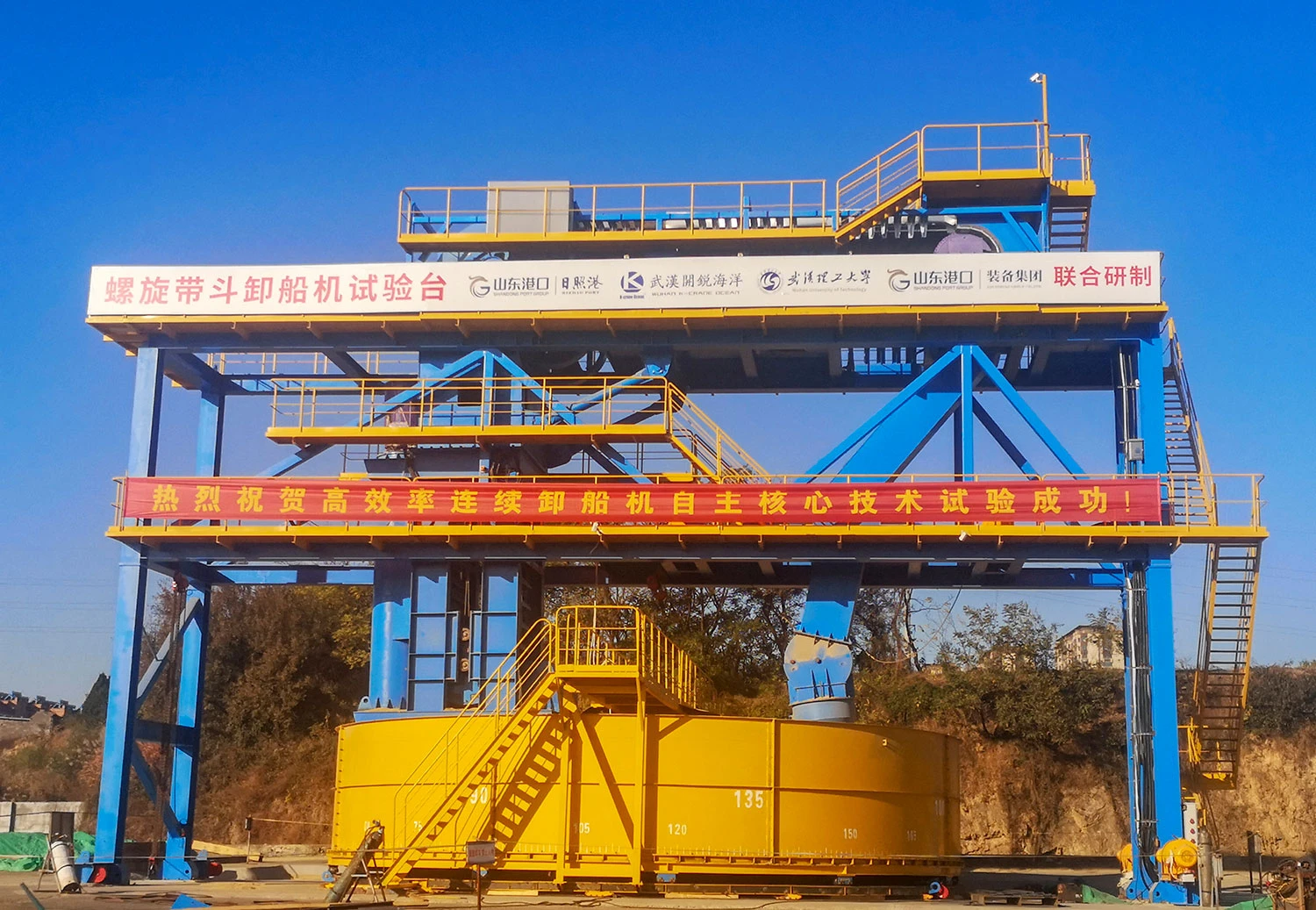
Coating Types and Salt Fog Resistance
You need a good finish to protect your crane from salt fog. Not every coating works the same. Some last longer and stop rust better. It is important to know how each finish works at the port.
-
Epoxy primers stick to steel very well. They block water and salt from touching the metal. This makes a strong shield.
-
Polyurethane finishes help your crane look nice. They also stop sun damage and make the finish tough.
-
Zinc-rich coatings protect by letting zinc rust first. This saves the steel under the coating.
|
Coating Type |
Key Properties |
|---|---|
|
Epoxy Primers |
Strong adhesion to steel, excellent resistance to moisture and salt. |
|
Polyurethane |
Enhances UV resistance, mechanical durability, and aesthetic longevity. |
|
Zinc-Rich Coatings |
Provides sacrificial protection; zinc corrodes preferentially to protect steel. |
These finishes pass hard salt fog tests. Tests like ASTM B117 and ASTM G85 use salty water. They check how long a finish stops rust. The best finishes show little rust after many hours in salt spray.
Some new finishes use special technology. Some have hydrophobic additives that keep out water. Others use core-shell pigments or self-healing agents. These help the finish last longer and stop rust. You can get strong finish systems with zinc-rich primers, thick epoxy, and UV-resistant polyurethane. Using layers gives your crane strong, long-lasting protection.
Technical Solutions for Corrosion Protection
You want your crane to last a long time. CEGC makes anti-corrosion finishes for the sea. These finishes use new technology to fight rust and help your crane last.
|
Feature |
Description |
|---|---|
|
Epoxy Powder Coating |
Advanced coatings designed for marine environments with anti-corrosion pigments. |
|
Dual-layer Approach |
Zinc-rich epoxy base coat and high-build epoxy topcoat for enhanced protection. |
|
Healing agents activate when the finish is damaged, restoring protection. |
|
|
Salt Spray Resistance |
Survives over 5,000 hours in salt spray tests. |
|
Multi-layer Protection System |
Combines zinc-rich primer, thick epoxy, and UV-resistant topcoat for extra durability. |
|
Core-shell Structured Pigments |
Mixes zinc aluminum phosphate with silica for barrier and active protection. |
|
Hydrophobic Additives |
Reduces water absorption, keeping the finish strong. |
|
Exceptional Durability |
Lasts over 25 years in marine environments. |
|
Application Methodologies |
Needs expert installation for best performance. |
You can ask CEGC for custom finishes. They can change the finish to fit your project. CEGC also uses stainless steel and cathodic protection for more safety. These steps help your crane fight salt, wet air, and bad weather.
Taking care of your finish is important. Check steel, bolts, and seals every few months. Fix chips or peeling every 6-12 months. Check the finish thickness every year or two. Change rusty parts when needed. Good care saves money and keeps your crane safe.
|
Maintenance Strategy |
Description |
Frequency |
|---|---|---|
|
Check steel surfaces, coatings, fasteners, and seals. |
Every 3-6 months |
|
|
Coating Repair |
Sand and repaint areas with chips or peeling. |
Every 6-12 months |
|
Life Assessment |
Evaluate remaining life based on environment and thickness. |
Every 1-2 years |
|
Component Swap |
Replace heavily rusted fasteners and seals. |
As needed |
|
Cost Optimization |
Use preventive maintenance to reduce major repairs. |
Continuous |
You must follow the rules for the environment. Laws like the Clean Water Act protect the sea. Pick coatings that follow these rules and use low-VOC when you can.
Port leaders want finishes that last over 25 years. They want coatings that meet tough rules. Multi-layer finishes with zinc-rich primers and thick epoxy are the standard. These help you avoid big repairs and keep your crane working well.
Tip: Pick a strong finish that fits your port. Ask for custom options if your crane gets lots of salt or heavy use. Check and fix your finish often to keep your crane safe.
The sea brings many hard problems. To keep your crane safe, use stainless steel, epoxy, or galvanized coatings. Check your crane often for damage. In busy ports, follow the aama 2605 specification. Pick the right materials and fix any damage fast. Use light colors to help your equipment stay strong.
FAQ
What coating lasts longest on a container crane near the sea?
The best choice is a multi-layer system. Start with a zinc-rich primer. Add a thick epoxy layer. Finish with a UV-resistant polyurethane topcoat.
How often should you check your crane’s coating for damage?
Check your crane every 3 to 6 months. Look for chips, rust, or peeling paint. Fix small problems early to stop bigger issues.
Can you use the same coating for offshore platforms and container cranes?
|
Equipment |
Coating Type |
|---|---|
|
Container Crane |
Marine-grade multi-layer |
|
Heavy-duty marine system |
You can use similar coatings for both. Offshore platforms need more protection than cranes.


