
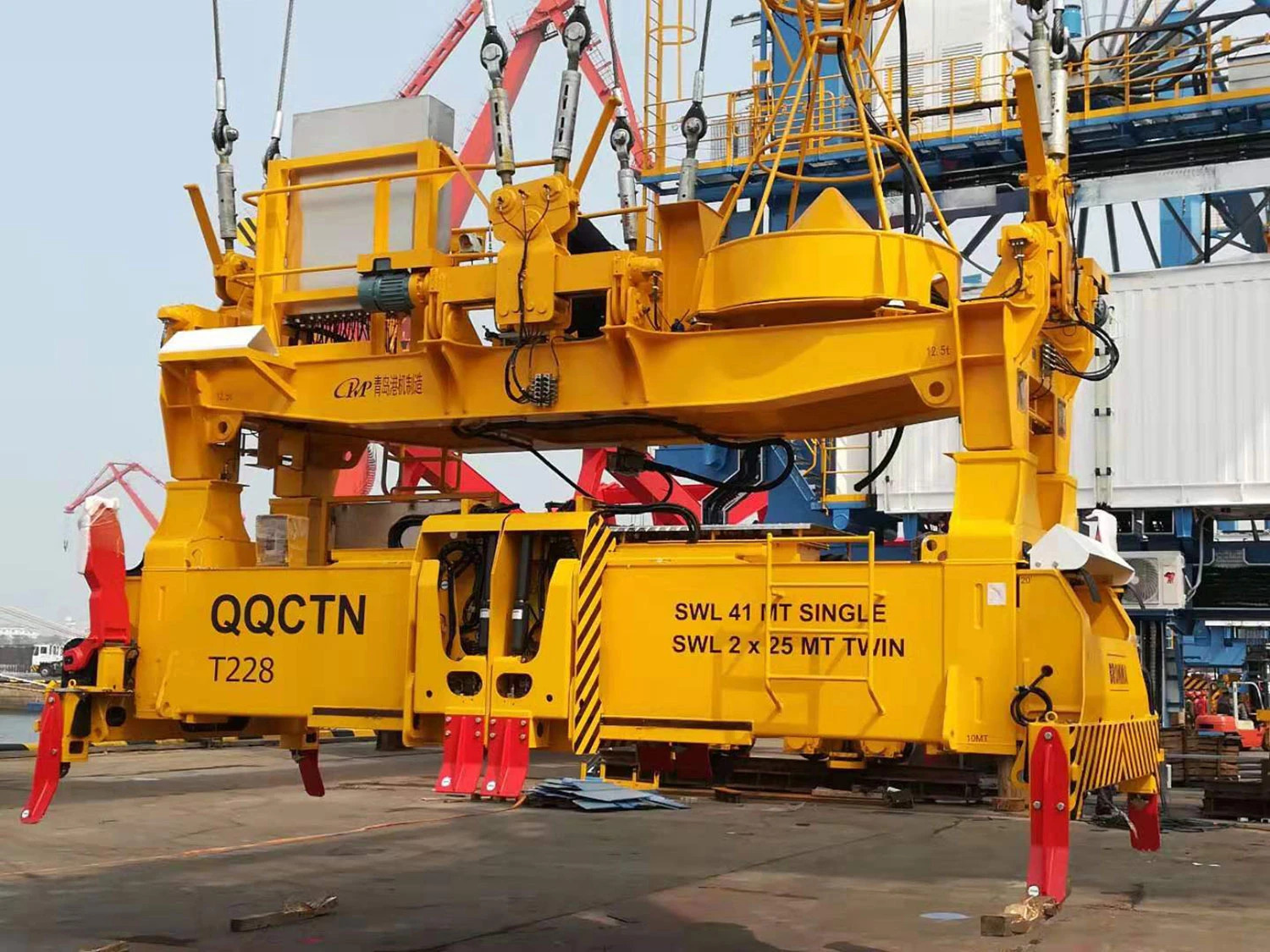
You can expect ship crane: hoist speed for heavy project cargo to be between 1 and 2 meters per minute for very heavy loads. This is about 10 to 26 feet per minute. Hoist speed affects safety and how well the job gets done. It helps keep the load steady and lowers the chance of accidents. CEGC gives advanced solutions for safe handling and project success.
Key Takeaways
-
Ship cranes usually lift heavy project cargo slowly. They move at 1 to 2 meters per minute. This keeps the work safe and steady.
-
Always look at the crane's rated capacity before lifting. Check the hoisting speed too. This helps you plan well and stop delays.
-
Use advanced crane features like anti-sway systems. Automation can also help. These make lifting safer and faster.
Typical lifting speeds for ship cranes
Ship crane: hoist speed for heavy project cargo
If you want to know how fast a ship crane lifts heavy project cargo, most ship cranes move very heavy loads at 1 to 2 meters per minute. This is about 10 to 26 feet per minute. These speeds are normal for loads over 500 tons. CEGC and other top brands make cranes to meet these standards. You can trust these speeds for safe and steady lifting.
The ship crane: hoist speed for heavy project cargo changes for different reasons. Lighter loads can be lifted faster. Heavier loads need slower speeds to stay safe. Some cranes have electric motors and smart controls. These help the crane work faster and better. Good crane design lowers wind resistance and friction. This makes lifting smoother and quicker.
Tip: Always check the crane’s rated capacity and speed before you start lifting. This helps you plan your work and avoid delays.
Maximum hoisting speed and influencing factors
You need to know the fastest hoisting speed for your ship crane. This speed depends on the load, crane type, and technology. Here are the main things that affect hoisting speed:
-
Load Capacity: Lighter loads go up faster. Heavy project cargo slows down the hoisting speed for safety.
-
Technology: New cranes use advanced motors and control systems. These help the crane lift faster and work better.
-
Design: Good crane design lowers wind resistance and friction. This lets you lift cargo with less effort and more speed.
There are new improvements in ship crane technology. SmartGrip helps fill grabs better and stops overloads. Sycratonic lets two cranes work together for more safety and higher hoisting speed. Pactronic uses stored energy to make the crane lift faster without a bigger engine.
Automation is important for getting the best hoisting speed and safety. Collision avoidance systems use sensors to find obstacles. Dynamic zones change with crane speed. Virtual interlocks stop cranes from bumping into each other, making work safer and more organized.
You can change your ship crane to fit your project. CEGC gives you choices for hoisting speed, capacity, duty cycle, automation, and anti-corrosion features. Here is a table that shows what you can pick:
|
Feature |
Customization Options |
|---|---|
|
Hoisting Speed |
Pick the speed you need for your job. High-speed lifting is an option. |
|
Capacity |
Choose the right capacity for heavy project cargo. |
|
Duty Cycle |
Pick how often and how hard you will use the crane. |
|
Automation |
Choose manual, assisted, or fully automated controls for safety and speed. |
|
Anti-Corrosion |
Use stainless steel parts and coatings for long-lasting use at sea. |
You get the best results when you match the hoisting speed to your cargo and project needs. CEGC helps you pick the right crane and features for your job. You can count on CEGC for good performance and custom options.
Why hoisting speed matters: safety and efficiency
Safety risks and anti-sway solutions
When you use ship cranes at high hoisting speed, there are many risks. The cargo can swing and move in ways you do not expect. This makes accidents more likely. Wind can push the cargo to the side. This makes it hard to control. If the crane moves too fast, it might hit things. The operator may not see all obstacles. You also need to check for broken or worn parts like hooks or brakes.
Here is a table that lists common safety risks and how to fix them:
|
Safety Risk |
Description |
Technical Solution |
|---|---|---|
|
Load Sway |
Cargo moves in an unstable way |
Anti-sway systems, smart motion control |
|
Collision |
Crane bumps into objects or equipment |
Collision detection, safety interlocks |
|
Wind Load |
Wind makes crane and cargo less steady |
Wind monitoring, operational limits |
|
Equipment Failure |
Parts get old or break |
Regular maintenance, predictive checks |
Anti-sway systems use sensors to help keep the load steady. Safety interlocks stop the crane from moving in unsafe ways. Operator HMI features like bright screens and alarms help you react fast. These tools help keep the crane safe.
Cycle time, efficiency, and maintenance
If you make hoisting speed better, you can finish lifts faster. This means you wait less and move cargo more quickly. When cranes and other machines work together well, the job gets done faster. You spend less time on each lift, so you can move more cargo.
Here is a table that shows how better hoisting speed helps:
|
Impact Area |
Description |
|---|---|
|
Cycle Time |
Lifts are faster, waiting is shorter |
|
Operational Efficiency |
More cargo moved, less time wasted |
|
Downtime |
Fewer delays, work is more reliable |
Predictive maintenance uses sensors to watch for problems. AI models look at the data and tell you when to fix things. You can plan repairs when the crane is not busy. This cuts down on delays by up to 30%. It also lowers crane accidents by about 25%. CEGC makes cranes that last in marine settings. They have anti-sway control and are easy to fix. This means you get safe and steady hoisting speed every day.
Comparison: ship cranes vs. other lifting equipment
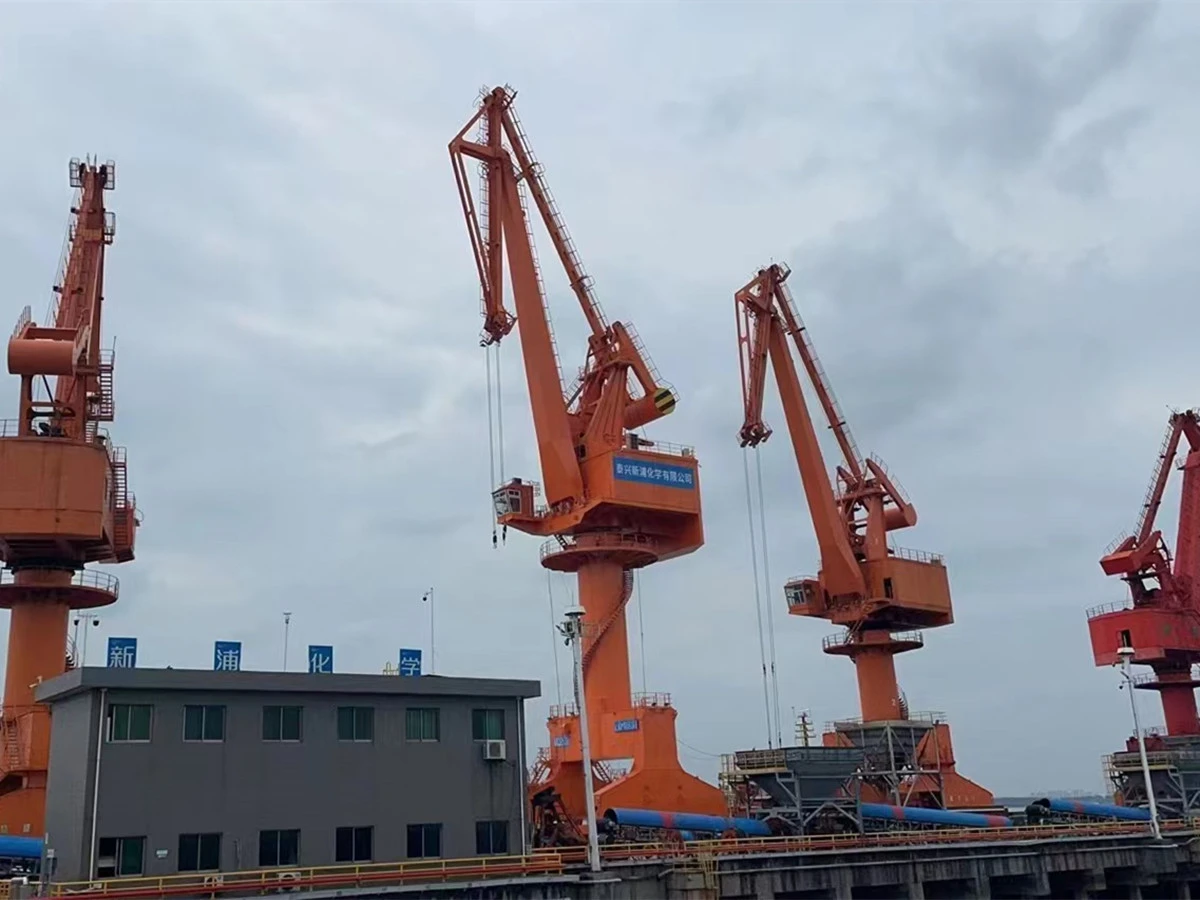
Container cranes and portal cranes
Ports have different cranes. Ship cranes, container cranes, and portal cranes all move cargo. Their speeds are not the same. Ship cranes lift heavy project cargo. They work slower, about 1–2 meters per minute. Container cranes lift containers. They are much faster, about 30–40 meters per minute. Portal cranes move bulk materials or containers. Their speed is between ship cranes and container cranes.
Here is a table that shows how fast each crane works:
|
Crane Type |
Typical Operating Speed (m/min) |
|---|---|
|
Ship Crane |
1–2 |
|
30–40 |
|
|
10–20 |
Note: Pick the crane that fits your cargo and job. The speed changes how fast you finish your work.
Application differences and speed profiles
Ship cranes are used for big, heavy cargo. Container cranes are best for moving containers quickly. Portal cranes are good for bulk cargo and flexible jobs. CEGC gives you many crane choices. You can pick the size, lifting power, and power type. CEGC uses strong coatings and smart materials. These protect cranes from bad weather. You get parts that resist rust and last longer.
CEGC adds safety features like anti-collision systems and overload protection. You can pick automatic controls and electric or hydraulic hoists. AI helps plan shifts and machine use. This makes cranes work faster and better.
You can change cranes to fit your project. CEGC helps you match speed, strength, and safety to your needs. You get cranes that work well for every job.
Light loads are lifted at 10–20 meters per minute. Heavy loads go slower, about 1–2 meters per minute. Bulk material handling crane hoisting speed depends on many things. Crane capacity and weather can change how fast it lifts. CEGC gives custom help and advice for safe lifting. They make lifting jobs easier and more efficient.
FAQ
What is the difference between lifting speed and lifting capacity?
Lifting speed means how quickly the crane lifts cargo. Lifting capacity is the most weight the crane can lift. Both are important for your project.
How does trolley traveling speed impact lifting efficiency?
Trolley traveling speed is how fast the trolley moves on the crane. If the trolley speed matches your needs, lifting is faster and more efficient.
Why should you care about gantry traveling speed for lifting operations?
Gantry traveling speed is how fast the crane base moves. If gantry speed fits your plan, lifting is quicker and works better.


