
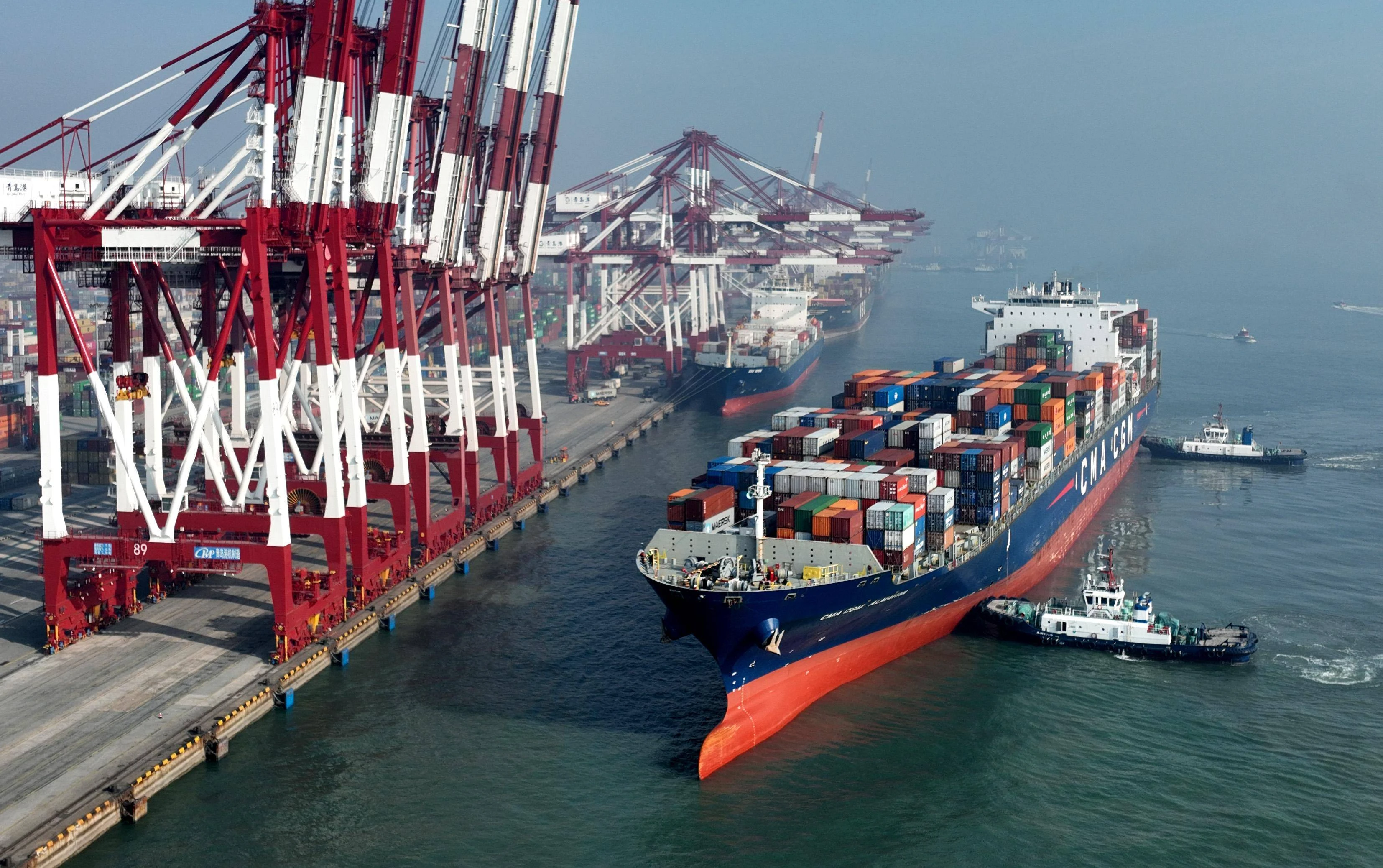
Corrosion is a constant challenge when operating port machinery such as cranes. Salt, humid air, and dust can damage your equipment and drive up operational costs. That’s why CEGC offers advanced solutions focused on Ship crane anti-corrosion: lower maintenance hours, ensuring your equipment stays protected and your operations remain safe and efficient.
|
Description |
|
|---|---|
|
Barrier Coatings |
Prevents water, air, and electrolytes from reaching the metal surface. |
|
Inhibitive Coatings |
Contains chemicals that react with air or electrolytes to slow corrosion. |
|
Sacrificial Coatings |
Provides galvanic protection by corroding in place of the underlying metal. |
-
Ship crane anti-corrosion: lower maintenance hours with CEGC’s specialized coatings and protection systems.
-
These anti-corrosion solutions are easily applicable across a wide range of container cranes, ship cranes, and other port equipment.
-
CEGC’s approach helps reduce downtime and enhances safety for your port operations.
Key Takeaways
-
Put protective coatings on your ship crane. This helps protect it from salt and water. Doing this can make your equipment last much longer.
-
Pick corrosion-resistant materials for important parts. Stainless steel or titanium are good choices. These materials need fewer repairs and last longer.
-
Stick to a regular maintenance plan. This helps you find corrosion early. Fixing problems early saves time and money. It also stops big breakdowns from happening.
Anti-Corrosion Methods for Ship Cranes
Surface Coatings and Cleaning
You can keep your ship crane safe by cleaning it often and using coatings. Salt, dust, and water can hurt the crane if you leave them on. Rinsing with fresh water stops salt from building up. When you use coatings like antirust paint or new coating methods, you make a shield that keeps water and air away. This anti-corrosion treatment is needed for all port machines, like portal cranes and container cranes. CEGC gives anti-corrosion solutions that fit your equipment. You can pick the anti-corrosion grade and maintenance plan that works for your port.
Corrosion-Resistant Materials
Picking good materials is an important anti-corrosion step. Many ship cranes use stainless steel alloys, titanium alloys, or duplex stainless steels. These materials fight corrosion better than carbon steel. Stainless steel, especially grades 316 and 316L, is strong against saltwater. Titanium is light and lasts longer because it has a natural oxide layer. Duplex stainless steels are tough and resist corrosion well. Using marine-grade materials in your cargo crane or container equipment means less work fixing corrosion and longer life.
-
Corrosion-resistant materials:
-
Stainless steel alloys (316, 316L)
-
Titanium alloys (Grade 2, Ti-6Al-4V)
-
Duplex stainless steels (2205, 2507)
-
Electrochemical Protection
Electrochemical protection, like cathodic protection, is another way to stop corrosion. You can use sacrificial anodes or impressed current systems to keep steel parts safe. These systems make your crane’s metal act as a cathode, which stops corrosion. This anti-corrosion treatment is important for ship loader and offshore platform equipment that faces tough marine conditions.
Lubrication and Protective Covers
Lubricating moving parts often is a simple anti-corrosion step. Marine-grade lubricants keep rust away and cut down wear. You should use lithium-based greases or high-grade hydraulic oils for the best results. Protective covers, like epoxy coatings or stainless steel fittings, protect your crane from salt and water. The table below lists some good protective measures:
|
Protective Measure |
Description |
|---|---|
|
Protective Coatings |
Epoxy-based or multi-layer paint systems make cranes last longer. |
|
Stainless Steel Components |
Bolts and fittings do not rust or break easily. |
|
Cathodic Protection |
Sacrificial anodes or ICCP systems stop corrosion in exposed areas. |
|
Regular Maintenance Cycles |
Easy inspection points help you put on coatings again before damage spreads. |
CEGC can make your anti-corrosion plan with corrosion coupons, monthly checks, and special strategies. You can use these anti-corrosion treatments on any port machine, from reach stacker forklifts to container gantry cranes. This plan lowers your anti-corrosion maintenance hours and keeps your equipment working well.
Ship Crane Anti-Corrosion: Lower Maintenance Hours
Prevent and Control Ship Corrosion
You can stop ship corrosion by using the right steps and materials. When you put on coatings like alkyd or chlorinated rubber, you help protect your ship crane from seawater and damage. You should pick stainless steel, plastics, nickel alloys, or titanium alloys for parts that face tough weather. If you follow a maintenance plan, you can find early signs of corrosion and fix them before they get worse. Using waterproof insulation on electrical circuits keeps your equipment safe from rust and harm. These actions are the base of ship crane anti-corrosion: lower maintenance hours. When you do these anti-corrosion steps, your cranes last longer and work safer.
-
Put coatings on metal to protect it.
-
Pick corrosion-resistant materials for important parts.
-
Stick to a regular maintenance plan.
-
Keep electrical circuits dry and safe.
These steps not only stop and control ship corrosion, but also mean less maintenance and fewer breakdowns.
Reduced Repairs and Downtime
If you use ship crane anti-corrosion: lower maintenance hours methods, you spend less time fixing your equipment. Good corrosion protection means your cranes need fewer repairs and have less downtime. You do not have to stop work as much for repairs. This helps your port run well and avoids delays.
|
Aspect |
Details |
|---|---|
|
Initial Investment |
Higher than traditional methods |
|
Long-term Benefits |
Outweigh upfront expenses |
|
Equipment Longevity |
Extended lifespans of maritime equipment and structures |
|
Maintenance Savings |
Significant savings in replacement and maintenance costs over time |
|
Operational Downtime |
Less frequent dry-docking and repairs, minimizing downtime and revenue losses |
Anti-corrosion solutions help you keep your cranes working longer. You save money on fixing and avoid losing money from downtime. This way, ship crane anti-corrosion: lower maintenance hours works for all port machines, like portal cranes, container cranes, and cargo cranes.
Extended Equipment Life
Ship crane anti-corrosion: lower maintenance hours steps make your equipment last longer. When you use strong coatings and barriers, you protect your cranes for many years. Some coatings can last 15 to 25 years, which matches how often you need to do big repairs. You do not have to change parts as much, so you save money and your cranes work longer.
More people want these protective systems because they help keep equipment working well. New coating technology makes these solutions even better. You can trust that spending money on anti-corrosion will help your equipment last longer and need fewer repairs.
Cost and Safety Benefits
You get many cost and safety benefits from ship crane anti-corrosion: lower maintenance hours. When you stop corrosion, you lower the chance of accidents from weak or broken parts. This keeps your workers and repair teams safe. You also need fewer maintenance checks, which saves time and money.
|
Phase |
Duration |
OPEX Savings (%) |
|---|---|---|
|
Digitize & Record |
Months 1-3 |
8-12% (eliminating missed inspections) |
|
Optimize & Prevent |
Months 4-9 |
15-20% (optimized scheduling) |
|
Predict & Scale |
Months 10-18 |
25-30%+ (full predictive capability) |
Anti-corrosion solutions also make your equipment more reliable. You can use smart systems to check for damage and wear. These systems warn you early, so you can fix problems before they get worse. CEGC gives you technical help like marine-grade coatings, easy access for repairs, and condition checks. These things help you get ship crane anti-corrosion: lower maintenance hours, lower costs, and safer work.
Tip: If you use anti-corrosion steps, you protect your cranes, save money, and keep your team safe. You also help your port machines last longer.
You spend less time fixing your machines with anti-corrosion steps. These steps also help you save money and make your equipment last longer. Your team stays safer when you use these strategies. Checking your machines often helps anti-corrosion work better. You can find problems early and keep your machines working. Taking care of your equipment before it breaks helps stop rust. Watching your equipment closely also helps stop corrosion. Pick CEGC’s anti-corrosion plans for your port machines.
FAQ
What is the best way to protect my ship crane from corrosion?
You should use marine-grade coatings on your crane. Clean your crane often to keep it safe. Use corrosion-resistant materials for important parts. CEGC can make a special anti-corrosion plan for your machines.
How often should I inspect my crane for corrosion?
Check your crane for corrosion every month. Early checks help you find problems before they get worse. This stops damage and keeps your crane working.
Can anti-corrosion solutions lower my maintenance costs?
Yes, anti-corrosion steps help you spend less on repairs. You save money because you do not need as many new parts or as much labor. CEGC’s solutions help you get more value from your equipment.


