
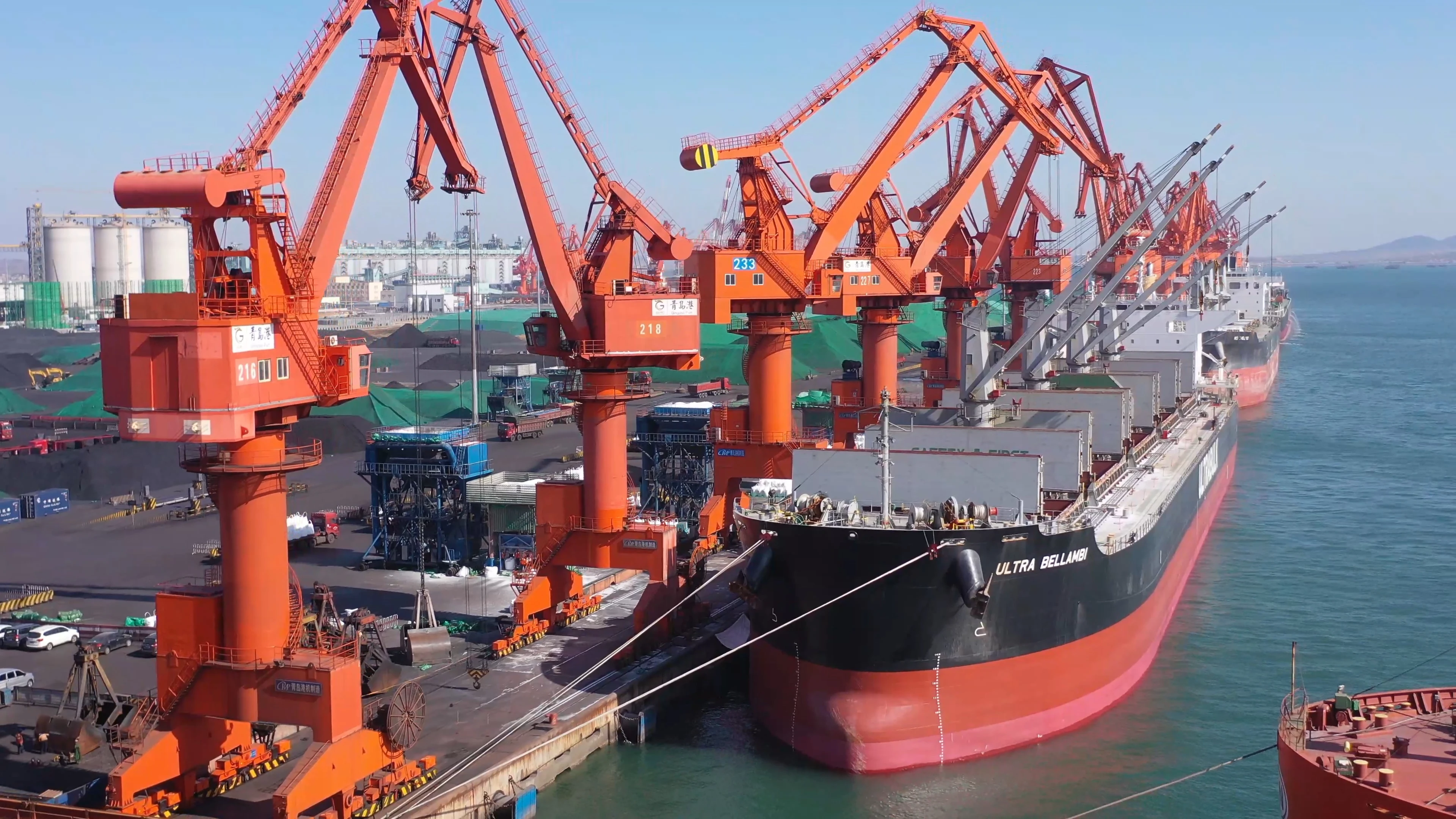
You should write down important data every day for container crane collision events. Keep track of the date, time, crane ID, spreader position, and near-miss events. Write down all safety checks and what you find in inspections. CEGC gives solutions that help you follow safety rules. Container crane collision data: what to log daily helps you follow rules and keep things safer.
Key Takeaways
-
Write down important details every day, like date, time, crane ID, and spreader position. This helps find patterns and stops future collisions.
-
Do safety checks often and inspect equipment. Record what you find to follow safety rules and make things safer.
-
Use CEGC's advanced tools to watch and log data. These tools make safety better, help collect data faster, and support good incident management.
Container crane collision data: what to log daily
Date, Time, and Location
You must write down the date, time, and place for each collision or near-miss. This helps you look into what happened and spot patterns. When you record these details, it is easier to figure out why the event happened. Good records help you stop future collisions. You can use this information to make crane work safer for your team.
Crane and Spreader Identification
Write the numbers for each crane and spreader in the incident. Include the crane type, like portal crane or container gantry crane. Record the spreader’s position during the collision. This helps you know which equipment needs fixing or upgrades. CEGC gives sensors and safety locks to help you watch crane performance and find risks.
Collision and Near-Miss Details
You need to write down every collision and near-miss. Add these points:
-
Tell what happened before, during, and after the collision.
-
Say who was there or involved.
-
Explain what could have happened if things got worse.
-
Look for reasons why the collision happened.
-
Write what you did right after the event.
-
Give ideas to stop similar events.
-
Attach photos or other proof.
Near-miss events happen a lot but are often not reported. Checking and logging often helps you catch these events. Most incidents and hazards are not reported, so you must stay alert and log everything.
Safety Checks and Inspections
You must check safety and inspect every day. Write your findings in your logs. This helps you follow OSHA rules and other laws. Doing safety checks shows your safety plan works. Employers who log checks often handle OSHA visits better. Use this table to help with inspections:
|
Inspection Area |
Key Checks |
|---|---|
|
Structural Integrity Checks |
Look at frame, base, boom/mast, sheaves, and rollers for damage or wear. |
|
Operational Controls |
Test levers, buttons, brakes, limit switches, and alarms to see if they work. |
|
Electrical and Hydraulic Systems |
Check wiring, hydraulic lines, and power supply for problems. |
|
Hook, Rope, and Chain Condition |
Look at hooks for cracks, and check wire ropes and chains for damage. |
Logging safety checks every day helps you see problems early. CEGC’s safety locks and anti-sway systems help your checks and make things safer.
Environmental and Operational Conditions
You must write down weather and work conditions every day. Record wind speed and how well you can see. Note the work cycle and how busy it is. Some months have more accidents because of bad conditions. Use this table to track accident trends:
|
Month |
Number of Accidents |
Remarks |
|---|---|---|
|
January |
Lowest |
Good conditions for cranes |
|
February |
Highest |
More accidents reported |
|
March |
Highest |
More accidents reported |
|
April |
Highest |
More accidents reported |
|
May |
Fewer |
Good conditions for cranes |
|
June |
Fewer |
Good conditions for cranes |
|
July |
Highest |
More accidents reported |
|
August |
Fewer |
Good conditions for cranes |
|
September |
Fewer |
Good conditions for cranes |
|
October |
Fewer |
Good conditions for cranes |
|
November |
Fewer |
Good conditions for cranes |
|
December |
Highest |
More accidents reported |
Logging acts like a detective’s notebook. You make a trail of data that helps engineers find the cause of a collision. You must get the right details to help with analysis.
Personnel and Witnesses
Write names, job titles, and contact info for everyone in a collision. Add witness statements and notes. Talking to witnesses is important for your investigation. Write why you talked to each witness and keep notes. This helps you see all sides and manage cases better. Witness statements give quick views and help find fault. Get statements soon after the collision for the best data.
|
Section |
Details Required |
|---|---|
|
Employee Name |
Name of employee involved |
|
Job Title |
Role and department |
|
Date of Incident |
Date and time |
|
Incident Location |
Workplace location |
|
Incident Description |
Detailed explanation |
|
Witness Information |
Names and statements |
|
Immediate Actions Taken |
Response measures |
|
HR Investigation |
Review findings |
|
Final Resolution |
Outcome and corrective actions |
Monitoring Systems Data
You must log data from monitoring systems every day. Use sensors and detectors to track crane moves and spot objects nearby. Smart algorithms look at sensor data and check collision risks. Real-time alerts warn operators about possible collisions and can act automatically. Collision prevention systems and anti-sway systems collect data on driving and near-miss events. These tools help you collect data and make things safer. CEGC’s monitoring solutions give custom collision avoidance systems and safety locks for different cranes.
|
Component |
Description |
|---|---|
|
Sensors and Detectors |
Laser scanners, cameras, or proximity sensors spot objects in the crane’s area. |
|
Intelligent Algorithms |
Look at sensor data to check collision risks and safe distances. |
|
Real-time Alerts |
Warn operators about possible collisions and can act alone if needed. |
Immediate Actions and Notifications
You must write down all actions taken after a collision. Log who was told and when. Quick reporting and records are important for following rules. Fast action can help with insurance claims and finding who is responsible. Good records make sure you note all rule breaks. CEGC’s safety locks and anti-sway systems help with fast response and notifications.
Supporting Evidence
Attach proof to your daily logs. Use photos, sensor data, and IIoT sensor readings. These show container position, movement, and weather. Acceleration signals show if containers were handled safely or if collisions happened. Digital proof, like dashcam video or wearable device data, gives strong evidence and helps set timelines. This makes your collision logs more accurate and reliable.
Digital proof gives strong, clear evidence. It helps set a timeline and supports ideas about why a collision happened. Many data sources make your case stronger and help with insurance.
You must log container crane collision data: what to log daily with care and regularity. This helps with safety, monitoring, and following rules. CEGC’s advanced solutions help you meet standards and make operations better.
Effective logging and safety monitoring
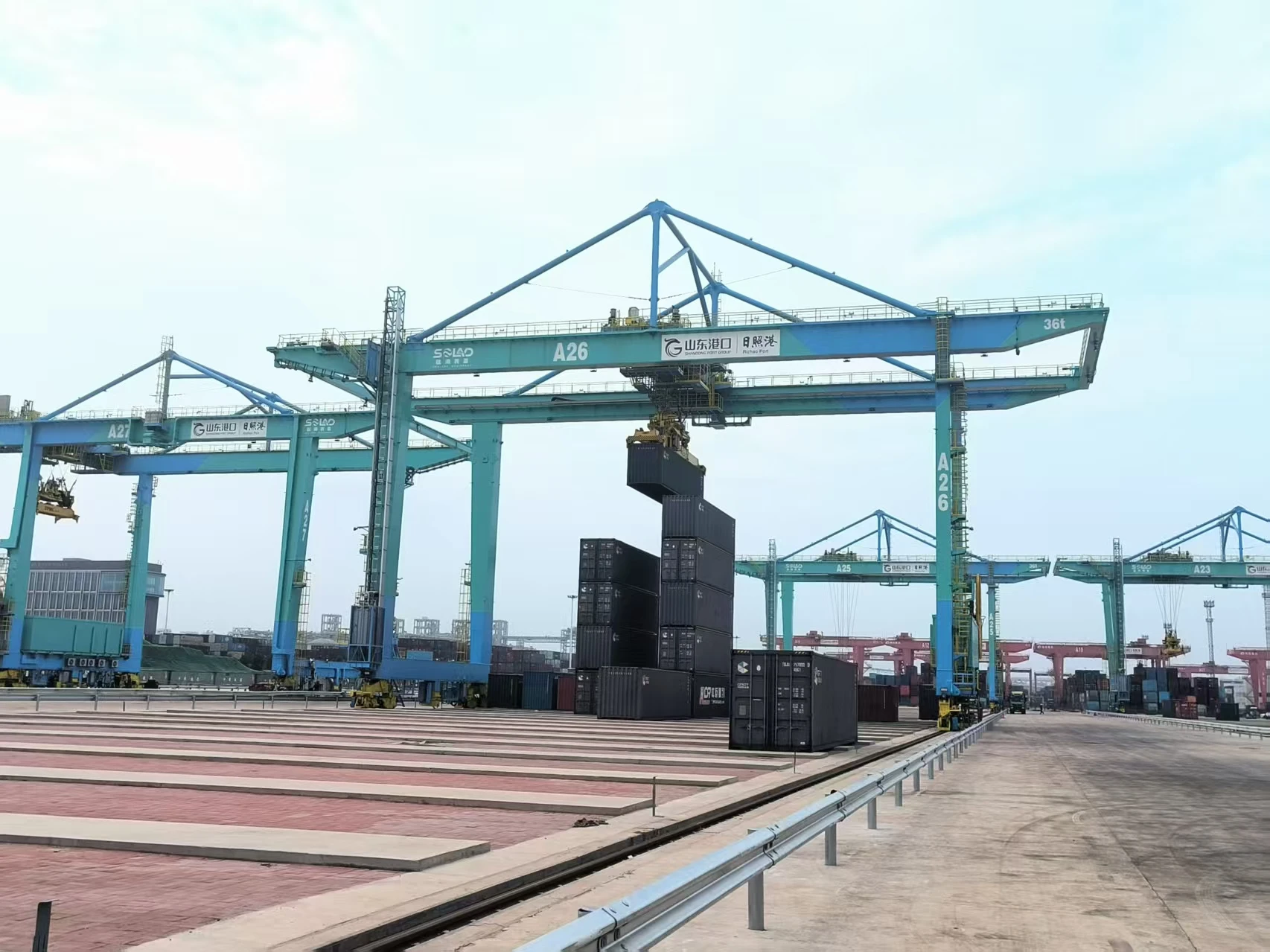
Logging Formats and Tools
You can make crane logs better with digital forms. Remote monitoring systems help you watch cranes from far away. Many terminals use 3D tools to see crane positions right now. These tools let you run tests and see what might happen. You can use colors to show dangerous materials and set which containers go first. This helps you plan moves and stop collisions. Digital logs show you everything happening in the terminal. This helps you stop crane accidents and keep people safe.
Consistency and Standardization
You should use the same log format for every crane. Standard forms make it easy to compare data and see patterns. Using the same steps each day lowers mistakes and keeps records clear. CEGC solutions help you set up these logs for all cranes, spreaders, and container handlers.
Data Security and Accessibility
You need to keep crane data safe and easy to find. Remote monitoring systems connect to your main software. This lets you track cranes, manage work, and link to money records. Wireless sensors send live data to your system. You always know what each crane is doing. You can get alerts if a crane needs fixing or if there is a safety problem.
|
Feature |
Description |
|---|---|
|
Tracking and Management |
Helps you follow crane and cargo movement across the terminal. |
|
Data Integration |
Connects crane logs with other business systems for better planning. |
|
Real-time Monitoring |
Sends alerts for safety issues and regular maintenance needs. |
Daily Review and Reporting
You should check crane logs every day. This helps you find problems early and keep up with repairs. Key performance indicators show where safety or crane work needs help. When you look at near-miss reports, you can change safety rules and train your team better. Managers who show safe crane use help build a strong safety culture. Daily reports keep everyone thinking about safety and watching for problems.
You make cranes safer when you write down collision data each day. You stop accidents by using monitoring systems and doing safety checks.
-
Make sure your records are easy to read and have all the facts.
-
Pick CEGC’s advanced solutions to follow rules and do better work.
Good logging habits help you create a safer place to work.
FAQ
What data should you log after a container crane collision?
You have to write down the date and time. You must also note the crane ID and spreader position. Write what happened in the collision. Add safety checks and what the weather was like. List the people involved and any monitoring data. Write what actions you took and add proof.
How do CEGC solutions help you improve collision logging?
-
CEGC gives you sensors and anti-sway systems.
-
You also get digital tools to watch cranes.
-
These tools send alerts right away if there is danger.
-
They make it easy to put all your data together.
-
This helps keep crane work safer.
Why is daily logging important for OSHA compliance?
|
Reason |
Benefit |
|---|---|
|
Doing it every day |
Helps meet safety rules |
|
Being correct |
Makes investigations easier |
|
Being dependable |
Stops more accidents from happening |


