

You have a lot of rivals in port machinery jobs. Port crane safety audit: what buyers ask in bids picks the winner. Buyers want real proof that you manage safety well and use good technical solutions. You can earn trust by showing your CEGC equipment meets top standards. This helps you do better in every bid.
Key Takeaways
-
Keep inspection and maintenance records for all cranes updated. Buyers need proof that you follow safety rules to trust your bid. Show that your operators have the right training and experience. Add certificates and training logs to show they can use certain crane types. Make clear emergency plans and hazard controls. Buyers want to see how you will handle emergencies and keep people safe during crane work.
Port crane safety audit: what buyers ask in bids
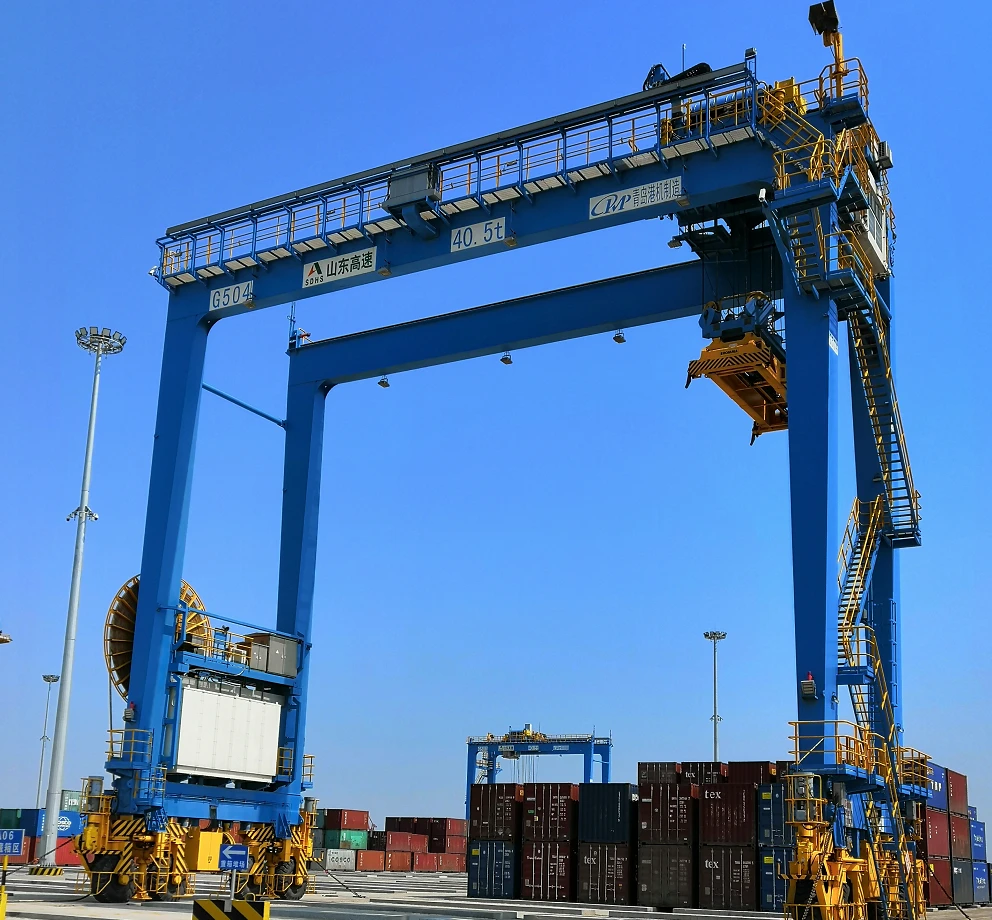
Regulatory and documentation standards
You need to show buyers you follow all the rules. Buyers want to see records for each piece of equipment. These records prove you meet the law and industry rules. You must follow OSHA and local laws. For every portal crane, container crane, or ship crane, you need inspection records. Buyers check these to see if you do inspections on time.
Here is a table that lists the main inspections buyers want:
|
Inspection Type |
When |
Purpose |
|---|---|---|
|
Initial Inspection |
Before first use (new or modified) |
Make sure the crane meets OSHA rules before use |
|
Frequent Inspection |
Daily to monthly intervals |
Find wear, leaks, or dangers with regular checks |
|
Periodic Inspection |
Every 1 to 12 months |
Full check of the crane’s parts and electricals |
You must keep these records current for every crane. Buyers also want to see your safety rules and hazard plans. These show you train your team and keep them informed. You should include PPE rules and emergency contacts in your safety manual. This helps buyers trust your port work.
Experience and operator qualifications
Buyers want proof your operators have the right skills. In every port crane safety audit: what buyers ask in bids, you must show your team has experience with each crane type. This includes portal cranes, container handlers, and reach stackers. You should keep records of operator training and certificates. Buyers want teams who have worked with similar cranes in real ports.
You need to show your operators know how to use safety features. For example, CEGC cranes have anti-sway systems and alarms. Your team must know how to use these tools. You should also show you give regular training. This keeps your operators ready for anything. Buyers want to see you update training when you get new cranes or change safety rules.
Equipment certifications and maintenance records
You must show proof your cranes meet all standards. In every port crane safety audit: what buyers ask in bids, buyers want certificates like BIS Scheme X. This certificate is needed for cranes and lifting gear. You should keep these certificates for every portal crane, container crane, and ship crane.
You also need to show detailed maintenance records. Buyers want to see you do regular checks and repairs. You should record every inspection, repair, and upgrade. This shows you care for your cranes and keep them safe. Good maintenance means fewer problems and safer port work.
Here are the most common certificates buyers want:
-
BIS Scheme X Certification for cranes and lifting equipment
You should keep these papers safe. Buyers may ask to see them at any time during the bid.
Emergency procedures and hazard controls
Buyers want to know you can handle emergencies. In every port crane safety audit: what buyers ask in bids, you must show your emergency plans. You need clear steps for fire, power loss, or crane failure. Your team must know how to use emergency stop buttons and alarms on every crane.
Buyers also check your hazard controls. They want to see you use the best safety steps. Here are the main hazard controls buyers look for:
-
The Lift Plan: You must write down the load weight, radius, and ground support before every lift.
-
Mechanical Safety Devices: You should use load moment indicators and anti-two-block devices to stop accidents.
-
Operational Best Practices: Your team should use hand signals, block off swing zones, and watch the weather.
-
Rigging & Inspection: You must check rigging every day, use tag lines, and follow special rules for hard lifts.
You should update your emergency and hazard plans often. This shows buyers you care about safety and follow the latest rules. When you use CEGC equipment, you get advanced safety features that help you meet these high standards.
By following these steps, you show buyers you take port crane safety audit: what buyers ask in bids seriously. You build trust and improve your chances of winning more port jobs.
Meeting and exceeding safety audit requirements
Preparing documentation and compliance evidence
First, you should put all your papers in order. Collect inspection reports, operator certificates, and maintenance logs for each crane. Use a checklist so you do not forget anything. Third-party audits can show buyers you follow high standards. These audits check your safety, legal, and work records. They also look at your business plans for emergencies. This helps buyers trust you and makes you stand out.
Demonstrating technical solutions for safety
Buyers want to see new safety features on your equipment. CEGC has anti-sway systems that help control loads. These systems use technology like the ProPride 3P Hitch. This technology is good for stopping sway and making things stable. Collision prevention tools, such as Eaton's Vorad system, can stop many accidents. These tools can lower accident rates by up to 85 percent. You can also use automation to help operators and keep workers and cargo safe. These upgrades show you care about more than just basic safety.
Organizing maintenance and training records
Keep your maintenance and training records updated. Start with simple goals, like saving money or making things safer. Begin with your most important equipment and add more as you go. Link your digital records to your maintenance system. Teach your team how to use these tools. Check your data often to make your maintenance better. This helps you fix problems before they happen and keeps your cranes working.
Proactive safety measures and digital systems
You can use digital systems to handle safety and rules. These systems track certificates, inspections, and problems right away. They help you get ready for audits by showing your status on dashboards. Automation in these systems lowers risks and keeps your equipment safe. Training operators, following strict rules, and using personal protective equipment keep your team safe. New tools and digital systems help you do even better for buyers every time.
Common mistakes in safety audit submissions

Incomplete or outdated records
You might lose a bid if your records are not complete or are old. Buyers want to see that your maintenance and equipment records are always up to date. If you forget a report or use old papers, buyers might not choose your proposal. Some buyers may let small mistakes go, but most follow strict rules. Always check your maintenance logs and equipment certificates before sending your bid. Keep all your records neat and current for every piece of equipment.
Tip: Make a checklist to be sure you include all maintenance and equipment papers in your bid.
-
Proposals must be complete and follow the rules in the bid.
-
If records are missing or old, you could get a lower score or be rejected.
-
Some buyers might ignore small mistakes, but it is not worth the risk.
Overlooking operator and equipment credentials
You need to show that your operators have the right training for each piece of equipment. Many bids do not win because they forget to add operator certificates or proof of experience. Buyers want to know your team can use all equipment safely. You should also add maintenance training records. This proves your staff knows how to care for the equipment and keep it safe. Always remember to put these documents in your bid.
Neglecting emergency and hazard protocols
You must show buyers you have strong emergency plans for your equipment. Many companies forget to add these details. The most common mistakes are:
-
Not showing how to use emergency stop procedures for equipment.
-
Missing proof that operators are trained for emergencies.
-
Skipping regular checks and pre-operation inspections for equipment.
You should test emergency stop buttons and train your team often. Doing regular maintenance and inspections helps you find problems before accidents happen. Buyers want to see you care about safety for every piece of equipment.
You can get more port crane jobs if you do these things:
-
Use new technical tools and keep good records. The Alabama State Port Authority saw that clear records and strong features help bidders get noticed.
|
CEGC Advantage |
Benefit |
|---|---|
|
Customizable equipment and expert support |
Fits special project needs and safety goals |
|
On-site installation and training by skilled technicians |
Makes crane work safe and dependable |
Pick CEGC for your next job to meet what buyers want and make things safer.
FAQ
What documents do you need for a port crane safety audit?
You must have inspection reports, operator certificates, maintenance logs, and emergency plans. Buyers want to see these papers for every crane and piece of equipment.
How does CEGC help you meet safety requirements?
|
CEGC Feature |
Safety Benefit |
|---|---|
|
Anti-sway system |
Makes loads move less |
|
Collision prevention |
Helps stop accidents |
|
Marine durability |
Keeps cranes from rusting |
Why do buyers check operator training records?
-
Buyers want to know your operators use cranes safely.
-
Training records prove your team follows safety rules and uses equipment the right way.


