
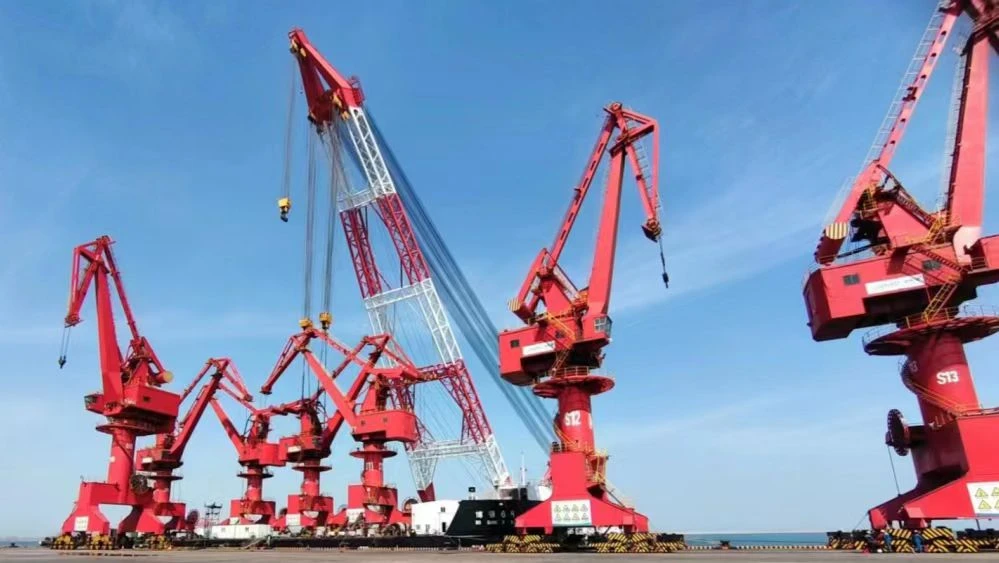
You face real risks in ship loading systems. Load sway, wind, and operator skill gaps can cause accidents. CEGC helps you prevent collisions.
-
Global records show 13,846 ship collision incidents.
-
Port areas had 2,799 cases from 1990 to 2021.
You need a Ship loading systems: collision prevention checklist to boost safety.
Key Takeaways
-
Always keep good communication with your team during ship loading. Use radios and hand signals so everyone knows what is happening. This helps people react fast to any dangers.
-
Set up safety zones around loading areas. Use barriers and signs to show where people and vehicles should go. This lowers the chance of accidents.
-
Hold safety briefings and drills often. Practice emergency steps so your team knows what to do if something goes wrong. Safety should always come first.
Why prevention of collision matters
Safety risks in ship loading
Loading ships at the port can be dangerous. There are many risks you need to know about. Some of these are moving vehicles and heavy machines. Weather can also change quickly and make things unsafe. If you do not try to stop collisions, accidents can happen.
Here are some main safety risks you should look out for:
|
Risk Description |
Danger |
Fix |
Technical Insight |
|---|---|---|---|
|
Inadequate Vehicle Restraint Systems |
‘Trailer creep’ can hurt people or damage things. |
Put in vehicle restraint systems and check them often. |
ANSI MH30.3 and OSHA 1910.178(m)(6) say vehicle restraints are important. |
|
Worn or Unbalanced Dock Levelers |
These can make people trip or forklifts tip over. |
Make a plan to check dock levelers often. |
ANSI MH14.1 says dock levelers need regular checks. |
|
Insufficient Edge Protection and Lighting |
Bad lighting or no edge guards can cause falls. |
Add edge guards that follow OSHA rules and good lights. |
OSHA 1910 Subpart D and ANSI Z535 say edge protection and visibility matter. |
|
Poorly Maintained Doors and Seals |
Broken doors or seals can cause safety and air problems. |
Check and fix doors and seals often. |
NFPA 101 and FDA’s GMP rules say doors must be kept up. |
|
Lack of Employee Training and Operational SOPs |
Workers who are not trained may use tools wrong. |
Teach dock workers with a training program. |
OSHA 1910.178 and ANSI MH31.1 say dock workers need training. |
Stopping collisions helps keep people safe. It also protects the environment and your machines. You can lower mistakes made by people. Most marine accidents happen because of human error.
Operational and compliance impact
Stopping collisions does more than keep people safe. It also helps your business. If a collision happens, you could have:
-
People getting hurt or even dying, which is very sad.
-
Harm to the environment that can last a long time.
-
Money problems from fixing things, lost cargo, or court costs.
-
People may not trust your business anymore.
-
Insurance costs can go up and you may get checked more.
You have to follow strict port rules. If you have a collision, it can be hard to follow these rules. New tools like Electronic Nautical Chart Systems can help you go the right speed and follow rules. But you still need good ways to stop collisions. This keeps your port safe and working well.
Ship loading systems: collision prevention checklist
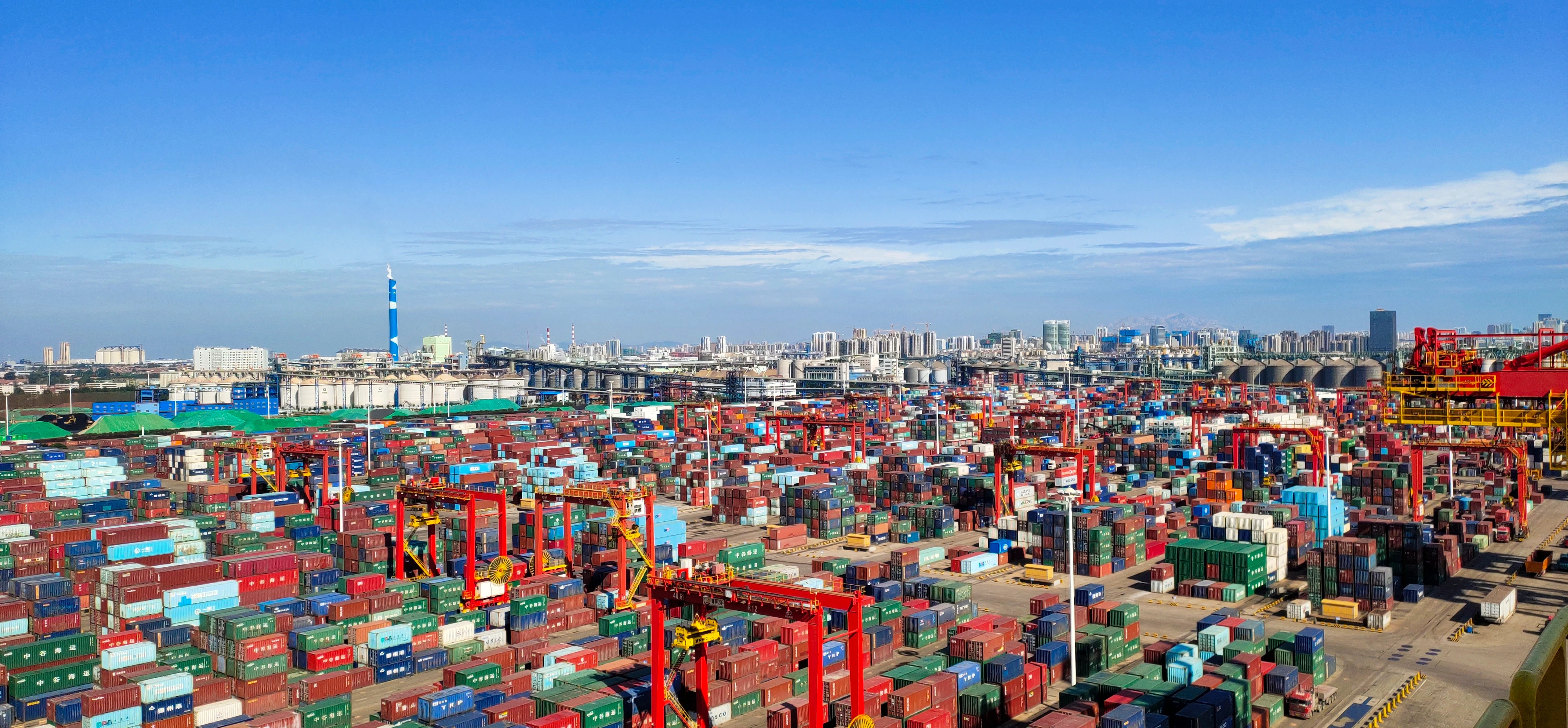
Maintain clear communication
Clear communication keeps everyone safe during ship loading. Use radios or headsets so everyone can talk easily. Operators, spotters, and supervisors should always stay in touch. Make sure all workers know hand signals and emergency codes. Have a short meeting before each shift to go over the plan. CEGC’s operator-centered HMI gives clear alarms and updates. This helps you react fast to any danger or change. Good communication stops confusion and helps your team focus on the checklist.
Designate lookouts and use technology
Pick trained lookouts to watch for dangers near cranes and vehicles. Place them where they can see blind spots and moving machines. Give them technology to help spot risks early. CEGC’s cranes and ship loader can use cameras and radar sensors. These tools help lookouts see problems before accidents happen. Vessel tracking systems let you watch ship movements. This makes it easier to follow the checklist and avoid accidents.
Monitor equipment and vessel position
You need to know where your equipment and vessels are at all times. Real-time monitoring tools help you track their positions and movements. The table below shows two helpful technologies:
|
Technology |
Description |
|---|---|
|
Gives instant tracking of vessels, showing speed and direction. This is important in busy waters. |
|
|
Risk Visualizer™ |
Shows possible collision risks by looking at vessel positions and movements. This helps you decide what to do. |
CEGC’s container handling equipment and ship loader can connect to these systems. This lets you find problems before they cause accidents. You can act fast and keep your checklist on track.
Establish safety zones and signaling
Set up clear safety zones around all loading areas. Use barriers, painted lines, and signs to show where people and vehicles can go. Here are some best practices:
-
Mark movement zones for people and vehicles clearly.
-
Keep forklift paths and walkways apart with barriers or lines.
-
Use mirrors and warning signs to help people see better.
-
Make sure signs are big and easy to see.
-
Use good lighting to help people see during work.
-
Put up safety barriers and gates to mark work areas.
-
Use dock gates to stop falls from high docks.
-
Add bollards to protect against vehicle hits.
-
Mark work areas to keep people safe from moving machines.
-
Use fall protection like safety nets to stop injuries.
These steps help everyone see and follow the checklist.
Conduct safety briefings and drills
Hold safety briefings before each shift starts. Go over the checklist with your team. Practice emergency drills so everyone knows what to do if something goes wrong. Use CEGC’s operator HMI to help new workers learn faster. Training your team often builds good habits and keeps safety important.
Implement technical solutions
You can use advanced technical solutions to stop collisions. CEGC has anti-sway systems, safety interlocks, and automatic anti-collision systems for cranes and loaders. The table below explains how these solutions help:
|
Solution Type |
Advantages |
|---|---|
|
Anti-Sway System |
Makes loads more stable and lowers collision risks. Helps work go faster and smoother. Reduces equipment wear and makes it last longer. Makes work easier and less tiring for operators. |
|
Safety Interlock System |
Stops unsafe actions and keeps operations safe. Makes things more reliable by following safety steps. Makes maintenance easier by stopping surprise breakdowns. |
|
Automatic Anti-Collision System |
Finds and avoids obstacles automatically, making things safer. Stops damage and saves time by preventing crashes. Makes work easier by needing fewer manual changes. Saves money by lowering repair costs. |
CEGC’s anti-sway systems use sensors to keep loads steady, even when it is windy. Motion coordination matches crane speed with cargo weight and wind. Real-time data gives alerts and guides for placing cargo correctly. These features help you follow the checklist and keep your port running well.
Common scenarios and responses
Approaching vessels and narrow channels
There is a higher chance of collision in narrow channels. Busy harbor entrances are also risky. You must pay close attention to what is happening around you. Good navigation skills help you avoid accidents. Here are some steps to follow for safe movement:
-
Always watch ahead and behind you. This helps you know where you are and where other vessels are moving.
-
Stay away from big ships. Do not go into ship channels, especially if you cannot see well.
-
Large vessels move faster than you think. If you might crash, act early. Big ships need more time to stop.
-
Use bright lights at night so others can see you. Signal your spot if you think others do not notice you.
-
Learn whistle signals, especially the danger one. Respond fast when you hear them to help keep everyone safe.
Equipment failure and adverse conditions
Broken equipment or bad weather can make collisions more likely. You need to get your machines and team ready for these problems:
-
Cover and tie down weak parts of your portal crane, container crane, or ship loader before moving them.
-
Use chains to keep things steady during storms or snow. Try not to work in very bad weather.
-
Get your machines ready for winter. Use antifreeze and special fuel so they keep working.
-
Teach your team how to use machines safely in tough weather.
-
Check your equipment often for weather damage. Change your protection if you need to so you always know what is happening.
Emergency procedures
Emergencies can happen at any time. You need a clear plan to keep everyone safe. Practice drills often so your team knows what to do. Use alarms and signals to warn people quickly. Make sure everyone knows how to get out and follow safe navigation rules. Go over your emergency checklist often to stay ready.
Regulatory requirements and roles
International and local standards
You have to follow both international and local rules. These rules help keep your port safe and stop accidents. The table below lists some important standards and guides:
|
Evidence Description |
Source |
|---|---|
|
The MASS UK Code of Practice is a guide for MASS trials. It says you must follow COLREGs and use safe practices. |
Maritime UK (2019) |
|
A report talks about problems with COLREGs for automation. It says rules should be clearer for MASS. |
Ringbom et al. (2020) |
|
More study is needed on COLREGs when using MASS. This is important for licensed deck officers. |
Burmeister et al. (2014) |
You should also look at your local port authority rules. These rules may ask for extra reports, equipment checks, or emergency plans.
Crew and operator responsibilities
You are very important for ship loading safety. Crew and operators must:
-
Always follow safety steps and checklists.
-
Only use portal cranes and ship loaders if trained.
-
Tell someone right away if something is unsafe.
-
Join in regular drills and safety meetings.
-
Stay alert and talk clearly with your team.
When you use CEGC equipment, you get alarms and clear steps from the operator HMI. This helps you make good choices and keep everyone safe.
Documentation and reporting
Good records show you follow the rules. You need to keep records for every step. Here are some important documents to manage:
|
Purpose |
|
|---|---|
|
Time-stamped pre- and post-scan reports |
Shows you follow OEM standards |
|
Structural measurement printouts |
Proves repairs are done right |
|
OEM repair references tied to each task |
Makes sure you follow maker’s instructions |
|
Teardown and reassembly photos |
Shows proof of the repair process |
|
Paint mix sheets and booth logs |
Lists what materials you used |
|
Calibration certificates and torque checklists |
Shows equipment works the right way |
Tip: Keep a full record from the first check to the last delivery. This helps you follow the rules and make better choices for your fleet later.
Ongoing training and improvement
Regular drills and reviews
You must keep your team ready for anything. Drills help everyone remember what to do. Simulation training lets operators practice real situations safely. This makes them more confident and skilled. Human oversight is needed for choices machines cannot make. Try new tools in a digital twin before using them on the dock. This helps you find problems and make things better.
-
Practice emergency stops and ways to stop collisions.
-
Use simulation software to practice with load sway and wind.
-
Talk with your team after each drill about what went well.
-
Test new equipment features in a safe, digital space.
These steps help you keep safety high and your team alert.
Learning from incidents
You can learn a lot from old collisions. For example, the crash between Solong and Stena Immaculate showed mistakes, tired crews, and bad weather cause accidents. Following international rules helps, but you need more than that. Busy ports like the North Sea need extra care from operators.
-
Tired crews and small teams make collisions more likely.
-
Distractions from screens or phones can cause mistakes.
-
Radar systems may not work well in busy places.
-
Operators sometimes wait too long to avoid danger.
Looking at these lessons helps you spot risks early and make better choices next time.
When you use a collision prevention checklist, safety gets better. Your team can also work faster and make fewer mistakes. Automation and real-time alerts help stop accidents before they happen.
|
CEGC Feature |
Benefit |
|---|---|
|
Keeps loads steady and stops accidents |
|
|
Operator-centered HMI |
Sends clear alarms so you can act quickly |
-
Training your team often and using new technology helps everyone do their job well.
-
Check your steps often to make sure your port stays safe.
FAQ
What is the most important step for preventing collisions during ship loading?
You should always look at your equipment before you start. Talk with your team often. These actions help keep everyone safe and stop accidents.
How does CEGC technology help you avoid collisions?
You use anti-sway systems, safety interlocks, and operator HMI. These tools warn you about dangers and help you stay safe before something goes wrong.
What should you do if equipment fails during loading?
Stop working right away. Tell your boss what happened. Follow the emergency steps. Use backup equipment if you need to. Make sure your team stays safe.


