
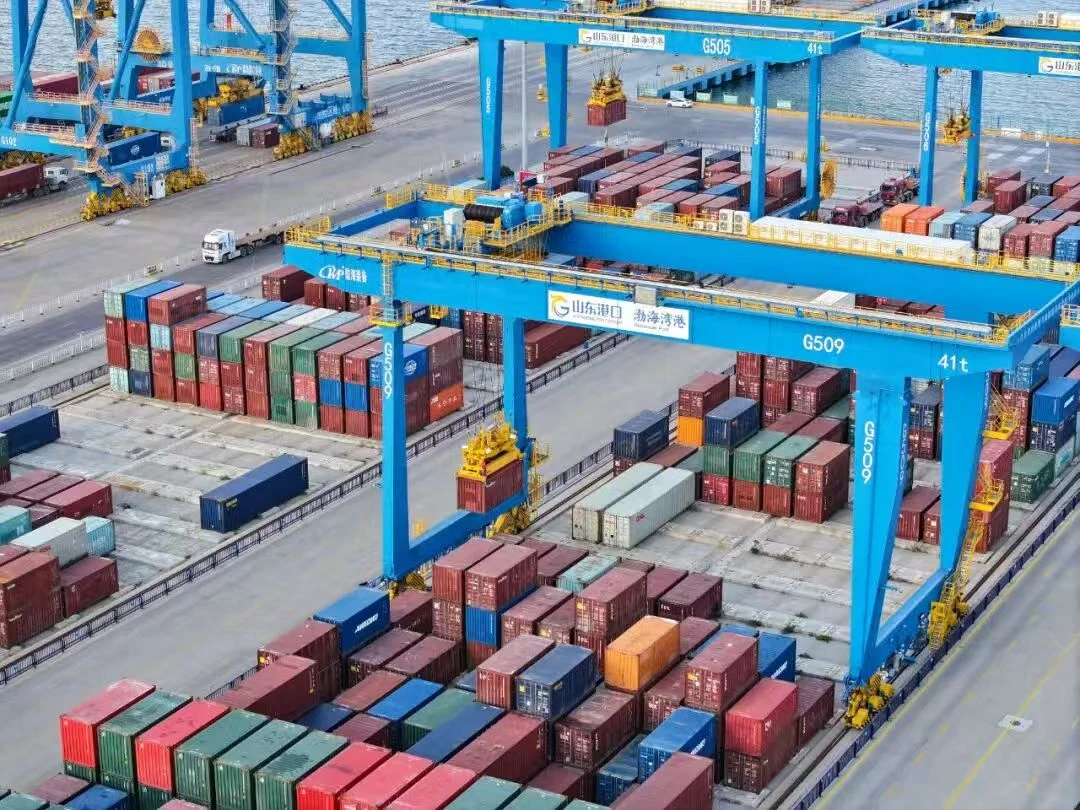
You are at serious risk when you corner a truck with a loaded forklift. Safety is very important every time you drive a truck or forklift in a busy yard. CEGC creates Container handler: safer cornering systems to make things safer. Follow safety rules to protect your team and keep all forklifts and trucks safe.
Key Takeaways
-
Keep loads low and in the middle. This helps the forklift stay stable and stops it from tipping over.
-
Go slow before you turn. Do not make quick moves. This keeps the forklift steady and safe.
-
Check your forklift often. Make sure all parts work well. This helps stop accidents from happening.
Why tip risks happen when driving trucks
Load sway and stability problems
When you drive a truck with a heavy load, you must think about stability. The center of gravity changes each time you turn or stop. If it moves too far, the truck can tip over. This often happens when you take a corner too fast or lift a container too high. The load might start swinging, making it harder to keep the center of gravity safe. When the load sways, the chance of tipping over goes up. You need to keep the load steady to protect the truck’s stability and avoid accidents.
CEGC helps control load sway with special anti-sway technology. These systems stop the load from swinging and help keep the center of gravity stable. Safety controls and operator tools also help spot problems early. With these features, you can make the truck more stable and lower the chance of tipping over when driving.
Operator actions and environmental factors
What you do affects how safe the truck is during driving. Turning too fast or braking suddenly can shift the center of gravity quickly. This sudden move can cause the truck to tip over. Always watch your speed and keep the load low to stay safe.
Things around you also affect stability. Wind, rain, and rough ground can make driving harder. Strong wind can push the load and change the center of gravity, increasing tipping risk. Heavy rain makes the ground slippery, which can cause the truck to slide. Uneven surfaces also make it hard to keep the load balanced.
-
Common things that increase tipping risk:
-
Wind that pushes the load and affects stability
-
Rain that makes the ground slippery and reduces visibility
-
Rough or uneven ground that shifts the load
-
You can lower tipping risks by using CEGC’s anti-sway systems and following safe driving rules. These tools help keep the center of gravity in the right place and make sure the truck stays stable every time you drive.
Operator training for safer cornering
Recognizing forklift tip-overs risks
You help stop forklift tip-overs. When you drive a truck or container handler, you need to notice warning signs. These signs can lead to tip-over accidents. Many risks show up during daily work. You must find these risks early. This keeps your team safe and protects your equipment.
-
Drive slowly and carefully when carrying loads.
-
Do not stop quickly or turn sharply. This keeps the truck stable.
-
Go slower on ramps, rough ground, or obstacles.
-
Be careful when turning fast or on slopes.
-
Brake gently so the truck does not tip from momentum.
-
Slow down near corners and blind spots.
-
Always wear your seatbelt.
-
Make sure you can see clearly. Keep the driving area clean.
-
Drive backward if you cannot see forward because of the load.
-
Approach docks slowly. Check the surface first.
-
Speeding and quick moves make tip-overs more likely.
-
Keep slow speeds in corners. This lowers centrifugal force.
-
Do not turn with raised loads. This keeps the center of gravity safe.
-
Uneven ground and obstacles can make forklifts unstable.
-
Drive straight up or down hills. Keep loads facing uphill.
-
Watch out for rough ground. It can make the truck slip.
You must stay alert and use these tips. Spotting warning signs helps you stop forklift tip-overs. This keeps your truck stable during container handler: safer cornering.
Tip: Keep learning safe driving habits. Attend safety training often. This helps you remember rules and fix unsafe actions. Training builds a safe workplace and lowers tip-over accidents.
Best practices for container handler: safer cornering
You need good training to handle container handler: safer cornering. Safety training teaches you how to drive forklifts and trucks safely. Simulation training helps you practice and measure your skills. You can find what you do well and what needs work. This training prepares you for tough and rare situations. You learn from past accidents in a safe place. This builds your confidence and helps you make better choices.
Training helps you spot problems early and act fast. You can lower accident risks and stop forklift tip-overs. Trained drivers follow safety rules and keep the container handler stable in every corner.
Here are best practices for safer cornering:
-
Slow down before corners. Keep a steady speed to lower tip-over risk.
-
Keep loads low and mast straight. This keeps the center of gravity stable.
-
Do not turn with raised loads. Turning with high loads causes forklift tip-overs.
-
Brake gently. Do not stop suddenly. Gradual braking stops tipping from momentum.
-
Check for debris, rough ground, or obstacles. Clean surfaces help you control the truck.
-
Use seatbelts and follow all safety training rules.
-
Practice simulation training for rare and hard situations.
-
Talk with your team and follow container handler: safer cornering steps.
You must use training, awareness, and best practices to stop tip-overs. CEGC gives you container handler: safer cornering systems and safety training. You can make your workplace safer and protect your team from forklift tip-overs.
Equipment and technology for stability
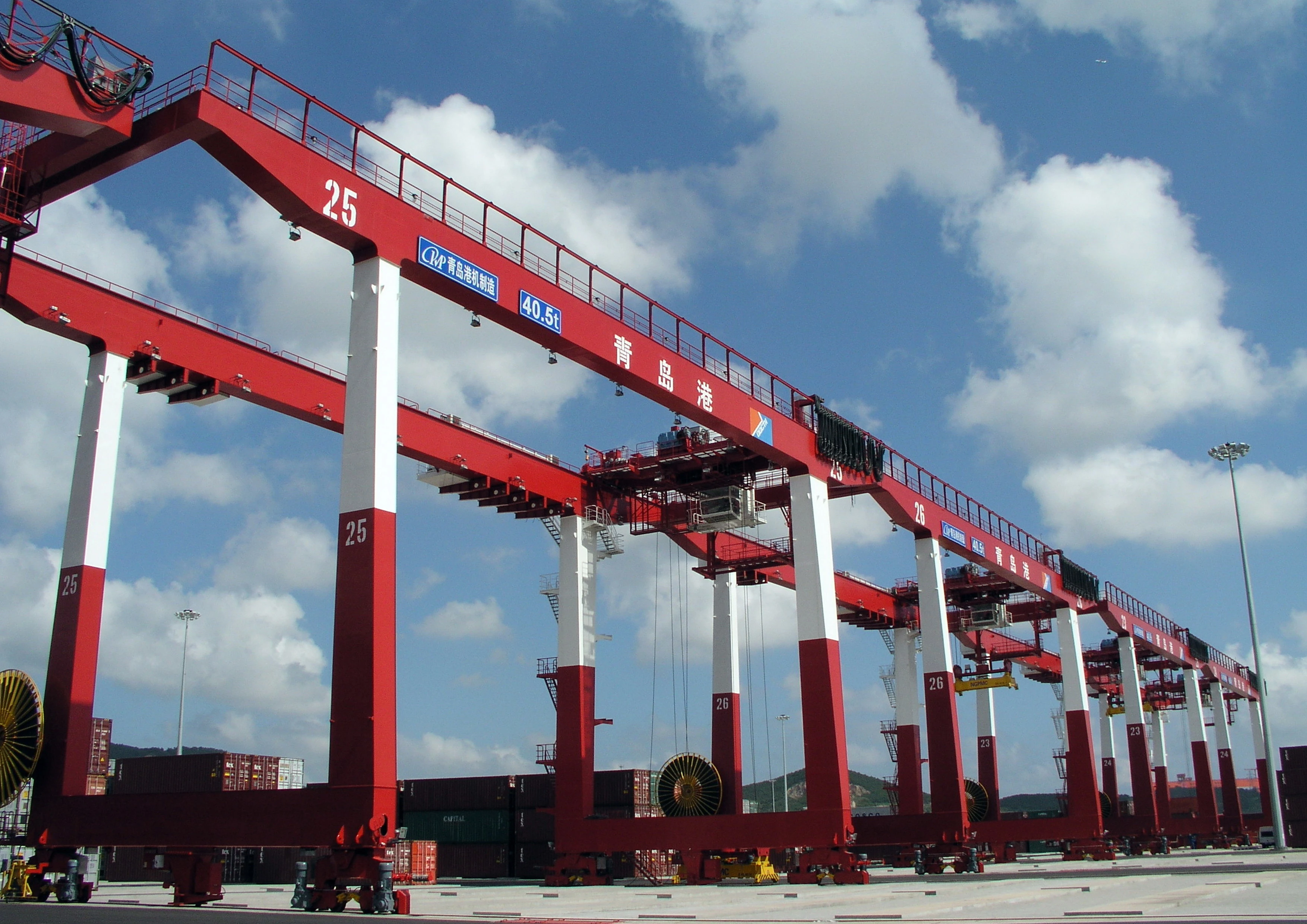
Anti-sway systems and safety interlocks
You need good safety systems to keep your forklift steady. Anti-sway systems help you control the load. They keep the center of gravity safe. These systems use automatic logic to stop the load from swinging. You can drive the truck faster and feel less tired. Safety interlocks protect you from tip-over accidents. They block unsafe moves and stop the truck if you reach end limits or overload. You keep the center of gravity steady and protect the stability base.
Safety systems also have automatic anti-collision, load monitoring, smart remote control, and data recording. You get clear alarms and guided steps. These features help you find problems early and avoid tip-over risks.
|
Feature |
Description |
|---|---|
|
Anti-sway Logic |
Works automatically to make things safer, help the driver feel less tired, and move loads faster. |
|
Safety Interlocks |
Stop lifting during unsafe gantry moves, block travel at end limits, and stop motion if overloaded. |
Choosing the right container handler and attachments
You must pick the right container handler for moving containers well. You need to check the weight and load capacity. Make sure the forklift can lift the containers you move. Tool compatibility is important. You want attachments that fit your truck and keep the center of gravity safe. Strong and long-lasting tools help you avoid tip-over accidents. Pick tools that last and protect your stability base.
You can change your container handler for different port needs. Pick spreader types for different container sizes. Cabin setups make the driver more comfortable. Tire types match the ground. IoT packages let you watch and check your equipment. You keep the center of gravity steady and make container handling safer.
|
Criteria |
Description |
|---|---|
|
Weight and Load Capacity |
Make sure the equipment can lift the weight of the containers or vehicles you move. |
|
Tool Compatibility |
Check that the tools work with the machines you use for moving things. |
|
Durability and Longevity |
Pick tools that can handle heavy use and rough ground without breaking. |
|
Ease of Use |
Choose tools that are easy to use and quick to set up for better work speed. |
|
Safety Features |
Look for equipment with safety parts to stop accidents while working. |
You build a strong stability base when you use the right equipment. You lower tip-over risks and keep the center of gravity safe. CEGC gives you standard specs and lets you change your forklift and truck for your port needs.
Load handling to avoid forklift tip-overs
Proper load positioning and securing
You must always pay attention to how you place and secure loads on your forklift. If you do not center the load, you increase the risk of off-center loading. This can shift the center of gravity and make the truck unstable. You should keep the load centered on the forks and check that the truck sits level before you lift. Always set the parking brake and check the level indicator. Never lift a load more than four feet off the ground unless the truck is level.
Before you raise the boom, check the boom-extension and boom-angle limits. Lift slowly and avoid moving the loaded lift truck with the load raised. When you drive on slopes, keep the load low and tilted back. Do not turn on slopes. You must stay aware of your surroundings and the path of travel. These steps help you avoid forklift tip-overs and keep the center of gravity safe.
Tip: Always secure the load with straps or chains if needed. This stops the load from shifting and causing off-center loading.
Keeping loads low and mast vertical
You should keep the load as low as possible when you move the truck. A low load keeps the center of gravity close to the ground. This makes the forklift more stable and helps you avoid forklift tip-overs. Keep the mast vertical when you drive. If you tilt the mast back, you help keep the load against the backrest and lower the chance of tipping. Do not tilt forward when you move. Forward tilt raises the center of gravity and makes the truck less stable.
If you must stop or turn, slow down first. Sudden moves can shift the center of gravity and cause a tip-over. Always check the ground for bumps or holes. Uneven ground can make the forklift tilt and lose balance. You protect your team and equipment when you follow these steps.
|
Action |
Why It Matters |
|---|---|
|
Keep load low |
Lowers center of gravity, boosts stability |
|
Mast vertical |
Prevents tilt and keeps load secure |
|
Avoid forward tilt |
Stops center of gravity from moving forward |
|
Slow turns |
Reduces risk of avoid forklift tip-overs |
Maintenance and inspection for stability
Regular checks on tires, brakes, and hydraulics
You keep your forklift safe and stable by checking key parts often. Tires, brakes, and hydraulics play a big role in stability. If you miss a problem, your forklift can lose stability and tip over. You should follow a set schedule for these checks. Use this table to guide your routine:
|
Interval |
Maintenance Tasks |
|---|---|
|
Inspect tires for damage and wear. Blow out and inspect the brakes. Inspect the hydraulic system and mast. |
|
|
Every 500-600 Hours |
Inspect the hydraulic oil pump and check the oil level. Replace hydraulic filter if needed. |
|
Every 1,000 Hours |
Change all fluids and filters, including hydraulic, transmission, and brake fluid. |
|
Every 2,000 Hours |
Inspect brake drums (replace if needed). Perform hydraulic pressure check. |
You also need daily and weekly checks. Look at the tires for cuts or low pressure. Test the brakes before each shift. Check hydraulic fluid levels and look for leaks. These steps help you keep forklift stability strong every day.
Monitoring for wear, corrosion, and fatigue
You must watch for signs of wear, corrosion, or fatigue to protect forklift stability. Problems in these areas can weaken your forklift and raise tip risks. Check these parts often:
-
Look at corner posts, cross members, underbelly, and doors for cracks or damage.
-
Watch for corrosion, especially near welded seams and joints.
-
Check for bending or warping of metal panels. This shows fatigue from heavy use.
-
Notice surface rust. If you see deep rust, it can hurt the strength and stability of your forklift.
Tip: Keep paint and gaskets in good shape. This helps block moisture and stops corrosion from starting.
You keep your forklift stable and safe when you spot these problems early. Regular inspection and quick repairs protect your team and keep your forklift working at its best.
Safe truck maneuvering in port environments
Adjusting speed and steering in corners
You need to watch your speed when you drive a container handler in a port. Slow down before you get to a corner. This helps keep the truck steady and lowers the chance of tipping over. Always check how much space you have to turn before you start. If you have less space, you must go even slower. Turning too fast can make the forklift lose its balance. Try to line up the truck before you go into a curve. This makes it easier to keep the load steady and helps you stay safe.
When you turn, pay close attention to how sharp the turn is. Steer gently and do not jerk the wheel. Quick moves can make the load shift and cause trouble. Watch where you are going and look out for other trucks or things in your way. If you need to make a tight turn, slow down even more. A wide turn gives you better control and keeps the forklift from tipping. Always think ahead and try not to make sharp turns.
Tip: Use mirrors and cameras to look around before you move. This helps you stay safe and keeps your turns smooth.
Navigating slopes, surfaces, and weather conditions
You will face many problems when you drive on different ground. Gravel, mud, or rough asphalt can make it harder to steer. These surfaces change how you turn and move the truck. Go slow and check the ground before you drive. If the ground is bumpy, use equipment that helps keep the truck steady. For example, a tri-wheel dolly can help keep containers upright when you turn.
Weather also changes how you drive. Hot or cold weather can affect your equipment. Rain or ice makes the ground slippery and changes how you turn. Always check the weather before you drive. Pick strong equipment that works well in all kinds of weather. When you drive on a slope, keep the load low and go straight up or down. Do not turn on a slope because it can make the truck tip over.
|
Condition |
Maneuvering Tip |
|---|---|
|
Gravel/Mud |
Go slow, check how much you can turn |
|
Rough Asphalt |
Use steady equipment, watch your path |
|
Rain/Ice |
Slow down, make wider turns |
|
Slopes |
Go straight, do not turn |
You can stay safe by changing how you drive for each situation. Always think about your turns, how you line up, and the ground to keep your forklift steady.
You can lower tip risks by doing four things. Train operators often so they learn new skills. Use container handler equipment with safety features. Handle loads the right way every time. Check and fix your machines regularly.
CEGC’s custom solutions and real-time monitoring help keep your port safe.
|
Description |
|
|---|---|
|
You get fewer injuries and less damage to equipment. |
|
|
Business Continuity |
Automation helps you avoid mistakes and stay on schedule. |
|
Employee Trust |
Safety systems help your crew trust each other and work together. |
Stay alert and invest in safety. You protect your team and make your operations better.
FAQ
What makes CEGC container handlers safer for cornering?
You get anti-sway systems and safety interlocks. Real-time monitoring is also included. These features help keep loads steady. They lower the chance of tip-overs in every corner.
How often should you inspect your container handler for safety?
Check tires, brakes, and hydraulics every day. Follow the maintenance schedule for bigger checks. Regular inspections help you find problems early. This stops accidents before they happen.
Can you customize CEGC container handling equipment for your port?
Yes, you can pick the load capacity you need. You can choose the anti-corrosion grade and automation level. Safety features are also available. CEGC lets you change equipment for different ports.


