
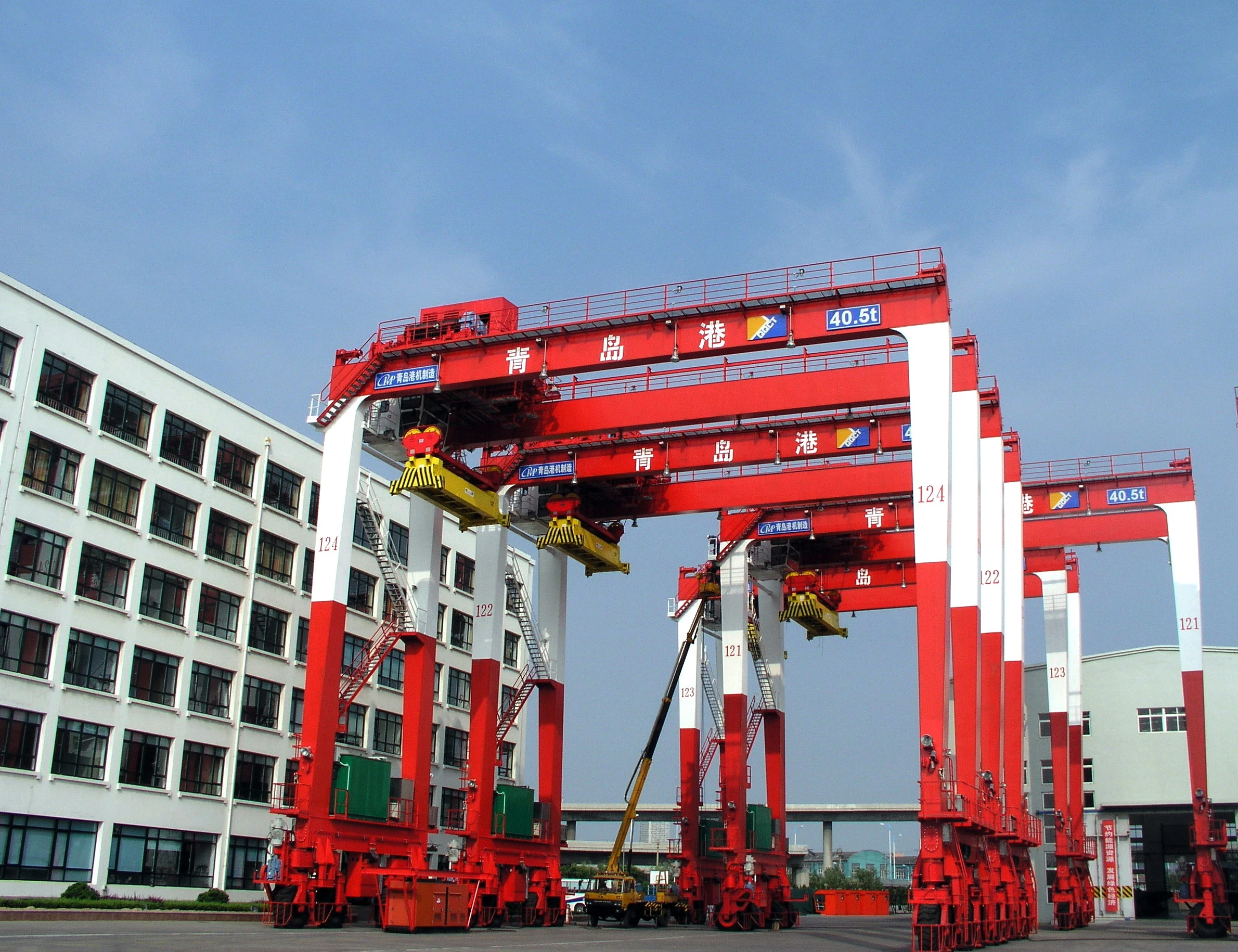
You have significant concerns with container crane collision risk: 5 blind spots to fix in busy ports. Factors like bad weather, poor lighting, and obstructions create visibility challenges that often lead to close calls and accidents. Ensuring safety depends on effectively identifying and addressing these blind spots. CEGC leverages its extensive experience to help you eliminate these risks and enhance operational safety.
Key Takeaways
-
Find and fix crane blind spots to make things safer and lower the chance of crashes.
-
Use safety tools such as cameras, mirrors, and alarms to help people see better and stop accidents.
-
Make a daily checklist for crane work to make sure checks are done and workers get trained.
Why crane blind spots increase collision risk
The impact of blind spots on crane safety
Working with container cranes is hard because of blind spots. These blind spots block your view and make it tough to see around the crane. This makes accidents more likely. You might not notice workers or machines moving close by. Blind spots can cause loads to fall, which can hurt people or break cargo. They also make pinch points where workers could get stuck. Not being able to see well is a big reason for accidents. Even good operators cannot avoid what they cannot see. You should use safety tools to help you see better and lower risks. CEGC gives you safety features that meet industry standards and can make special solutions for your port. You can pick sensors, alarms, and controls that fit your equipment and work area.
-
Crane blind spots block your view of the work area.
-
You might not spot other machines or workers in time.
-
Blind spots can cause dropped containers or broken things.
-
Pinch points can trap workers and hurt them.
Common collision scenarios in container handling
Many types of port equipment have crane blind spots. You find these problems in portal cranes, container gantry cranes, ship cranes, and others. The same issue happens with container handlers, reach stackers, and forklifts. Each machine has its own blind spots that can cause crashes.
|
Equipment Type |
Description of Blind Spots |
|---|---|
|
Reach Stackers |
Big blind spots above and around the load, making crashes more likely. |
|
Straddle Carriers |
Their height causes side and back blind spots, making it hard to see workers nearby. |
|
Forklifts |
Work in busy places with people and things in the way, which can cause accidents. |
You need to watch out for crane blind spots in every job. Offshore platforms and busy yards have many dangers. You make things safer and work better when you fix these blind spots with the right tools and training.
Fixing the 5 main blind spots in container crane operations
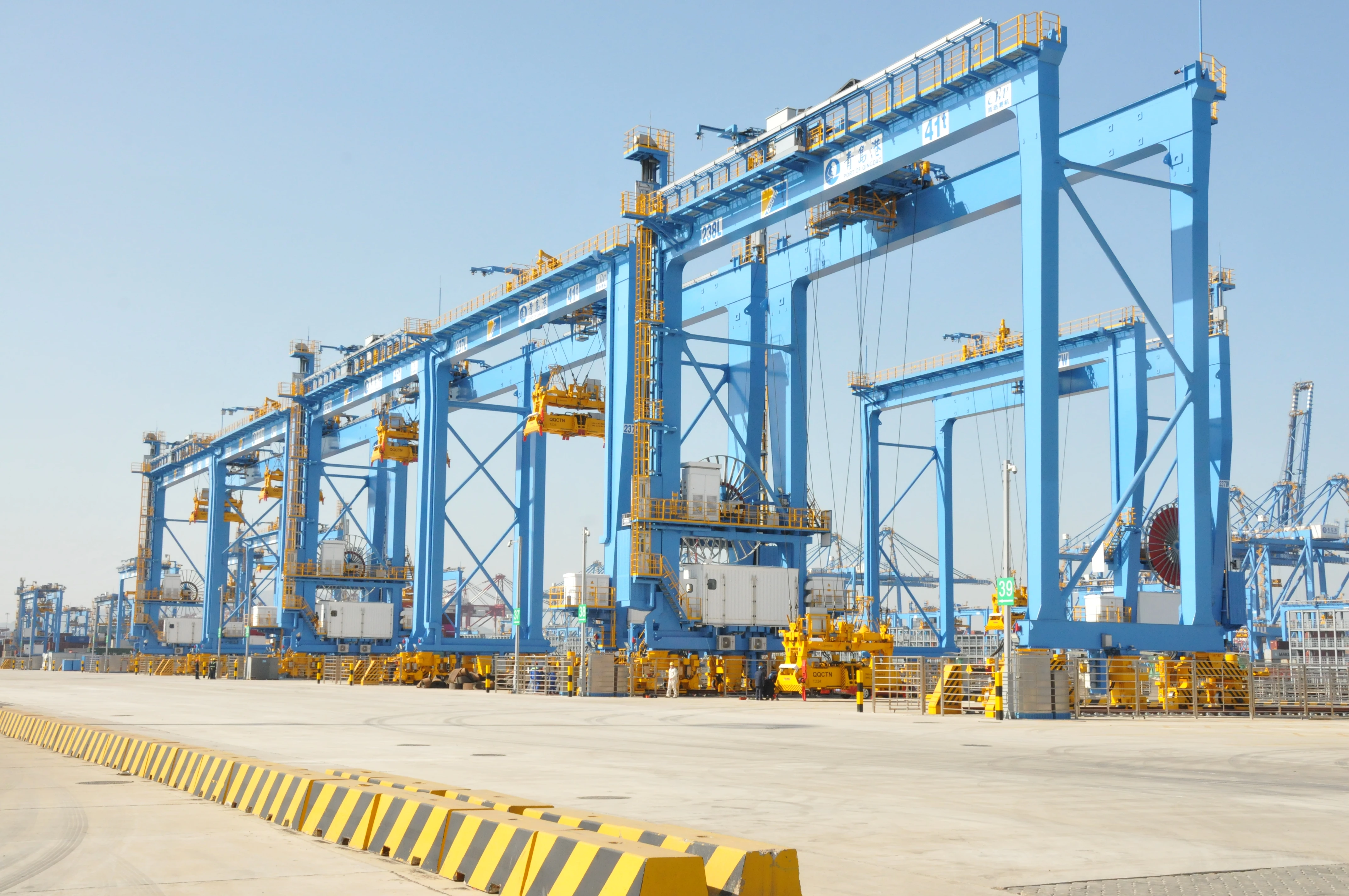
Blind spot 1: Under trolley and spreader
It is hard to see under the trolley and spreader. This spot can hide workers, vehicles, and things in the way. Loads can swing fast and hit something. You need to check this area before lifting anything. Cameras and sensors help you look below. Spotters can help when you cannot see well. Operators learn to check this spot during training. CEGC gives anti-sway control and safety locks to keep loads steady. Using these tools helps make crane work safer.
Blind spot 2: Behind crane legs and structure
Crane legs and parts behind them can block your view. You cannot see what is behind or under the crane. Bad ground or weak legs make accidents more likely. If the ground is soft or hollow, the crane can sink. You should check the legs and ground before each shift. The table below shows how these things affect safety:
|
Factor |
Impact on Collision Risk |
|---|---|
|
Foundation Reliability |
|
|
Condition of Legs |
Weak legs make the crane unsafe and risky. |
|
Structural Integrity |
Strong parts stop accidents; weak ones can break. |
You also need to check the ground:
|
Ground Condition |
Effect on Crane Legs |
|---|---|
|
Hollow Sites |
The crane can sink and become unsafe. |
|
Soft Ground |
Makes the crane wobbly; check before using. |
|
Drainage Canals |
Can change where legs stand and make them less stable. |
Mirrors, cameras, and walking around help you find dangers. CEGC can make safety plans for your port’s cranes.
Blind spot 3: Operator cabin limited view
Operators cannot see everything from the cabin. Hazards near wires or moving machines are easy to miss. Blind spots make crane work dangerous. Visual aids help you see better. Big windows, mirrors, and cameras help with blind spots. The table below shows what helps operators see more:
|
Feature |
Description |
|---|---|
|
Large Windows |
|
|
Blind Spot Reduction |
Extra windows and mirrors cut down on blind spots. |
|
Visual Aids |
Cameras or screens help you watch the area. |
You can use video screens to see in real time. Up to four cameras show all around the crane. You can put cameras where you need them. The CAM 61 system has clear video, zoom, and night vision. A big touchscreen makes it easy to use. Check the cabin view before every shift. CEGC adds these tools to make cranes safer.
Blind spot 4: Stacking area obstructions
Stacking areas can block your view with containers and vehicles. You need to check the area’s layout to stay safe. Wide aisles and clear paths help you see better. Mirrors and shiny surfaces help at busy spots. The table below shows ways to make stacking areas safer:
|
Strategy |
Description |
|---|---|
|
Wide Aisles |
|
|
Clear Pathways |
Remove things that block your view. |
|
Mirrors and Reflective Surfaces |
Help you see at important places. |
|
Clutter-Free Environment |
Fewer things in the way means fewer dangers. |
Check stacking areas often. CEGC helps you set up safe work steps and rules to stop crashes.
Blind spot 5: Nighttime and poor lighting
It is hard to see at night or in bad light. You might not see dangers or things in the way. Slim floodlights and LED lights help you see better in ports. LED lights save energy and last longer. Good lighting lowers accidents and injuries. Taicang Port had fewer accidents after using Ledrhythm lights. Check the lights before every shift. CEGC gives strong lights for crane safety.
Identifying crane blind spots: Tools and protocols
You need to find blind spots before using the crane. Spotters or signalpersons help guide you in blind areas. Mirrors and cameras help you see more. Use clear hand signals or radios to talk. Make sure everyone knows the signals. Keep talking to your team while lifting. Check blind spots and follow safety rules every day.
Technical solutions for crane safety: CEGC anti-sway, cameras, lighting, and training
CEGC gives you smart tools for crane safety. Anti-sway keeps loads steady. Safety locks stop mistakes. Alarms warn you about problems. Cameras and sensors show you the work area all the time. These tools help you move the crane safely. Anti-collision systems use sensors and tracking to keep you safe. Cranes can talk to each other to avoid crashes. Overhead crane systems can stop or slow down if they see something. CEGC makes these tools fit your port’s cranes.
Step-by-step checklist for collision risk reduction
You should use a checklist to lower crane collision risk. This list helps you check blind spots, see better, and follow safety rules:
-
Look under trolley and spreader for hidden dangers.
-
Check behind crane legs and for bad ground.
-
Make sure you can see from the cabin; use cameras or mirrors.
-
Check stacking area for clear paths and wide aisles.
-
Check lighting for night or bad weather.
-
Use spotters and signalpersons in blind spots.
-
Set up clear ways to talk and use hand signals.
-
Train operators and make sure they are certified.
-
Use anti-sway, safety locks, and alarms.
-
Walk around and check before every shift.
You need to train new operators and check their skills. Keep learning and make safety important. Pair new workers with experienced ones. Have safety meetings and keep records. Simulator and ecodrive training help stop accidents. You make crane work safer by following these steps.
Tip: You make cranes safer and lower risk by using CEGC’s special tools, checking often, and always training operators.
You make crane work safer when you fix blind spots early. This helps in many ways:
-
There are fewer crashes and workers stay safe.
-
You spend less money fixing broken things.
|
Training/Action |
Benefit |
|---|---|
|
Daily inspections |
Stop machines from breaking down. |
|
Simulation training |
Help operators learn and feel sure. |
|
AI monitoring |
Fix unsafe actions right away. |
Check your safety steps now. CEGC can help you make better plans for your port.
FAQ
What is the most dangerous blind spot on a container crane?
You face the highest risk under the trolley and spreader. Workers and vehicles can hide there. Always check this area before you lift anything.
How can you reduce crane collision risk at night?
-
Use strong LED lights.
-
Check all lighting before each shift.
-
Train operators to spot hazards in low light.
Why should you use anti-sway systems?
You keep loads steady with anti-sway. This system helps you avoid accidents and improves your handling speed.


