
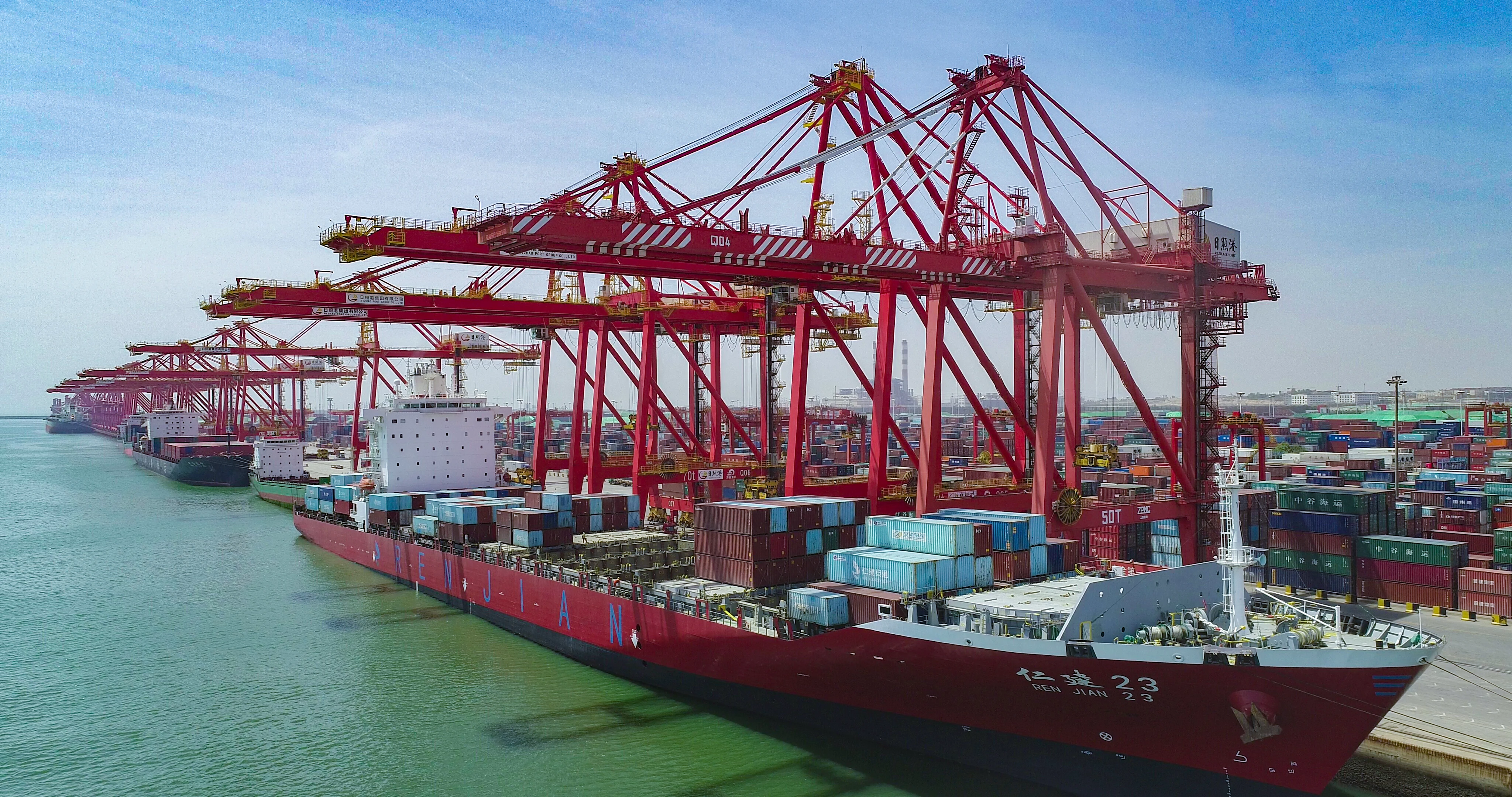
You can prevent yard strikes and improve Reach Stacker safety: how to prevent yard strikes by using advanced safety technology and following best operational practices. Staying alert and maintaining good habits are essential for safe container handling. CEGC provides container handling equipment equipped with industry-standard safety features designed to address Reach Stacker safety: how to prevent yard strikes. With CEGC, you benefit from anti-sway technology, impact detection, safety interlocks, and an operator-centered HMI—all working together to keep your operations safe and efficient. These integrated safety solutions help you maintain control and make Reach Stacker safety: how to prevent yard strikes a top priority in your yard.
|
Feature |
Description |
|---|---|
|
Anti-sway technology |
Minimizes load swing to prevent accidents and yard strikes. |
|
Impact detection |
Enhances handling precision and overall safety. |
|
Safety interlocks |
Ensures safe handling procedures for all personnel. |
|
Operator-centered HMI |
Improves operator safety and control during operations. |
Key Takeaways
-
Use new safety technology like anti-sway controls and alarms. These help stop yard strikes from happening.
-
Check equipment every day to make sure safety systems work right before using them.
-
Change safety steps when the weather or yard changes. This helps keep the yard safe for everyone.
Pre-Operation Checks for Reach Stacker Safety
Inspecting equipment and safety systems
Check your reach stacker and safety systems before starting work. Doing a daily check helps you find problems early. This keeps your equipment working well. Use the table below to help you remember what to check:
|
Check Area |
What To Inspect |
What “OK” Looks Like |
Action If Not OK |
|---|---|---|---|
|
General condition |
Body, covers, guards, data plates |
No cracks, missing panels, or unreadable labels |
Report damage; do not use if guards or ID plates are missing |
|
Mast & carriage |
Rails, welds, rollers, chains |
No cracks, bends, or loose parts; smooth movement |
Remove from service; have maintenance inspect |
|
Forks |
Tips, heels, alignment, locking pins |
Forks straight, no cracks; locks fully engaged |
Do not use with bent or cracked forks |
|
Hydraulics |
Cylinders, hoses, fittings, underbody |
No oil leaks, cuts, or bulges in hoses |
Tag out; leaks must be repaired before use |
|
Wheels / tires |
Tread, chunks, flat spots, casters |
No deep cuts; free rotation; no wobble |
Schedule replacement; do not use if steering or stability is affected |
|
Controls |
Throttle, lift/lower, horn, emergency stop |
All functions respond correctly and smoothly |
Do not operate if any control sticks or fails |
|
Brakes |
Service brake, parking brake |
Unit stops promptly and holds position |
Remove from service until repaired |
|
Warning devices |
Horn, lights, alarms |
Clearly audible / visible in the work area |
Repair before use in pedestrian areas |
Setting up the yard and visibility aids
Get the yard ready before you move containers. Pick up trash and look for things that block your way. Move your mirrors and seat so you can see well. Put up reflective tape, yard markings, and warning signs. These things help you see people and other vehicles. This lowers the chance of yard strikes. CEGC reach stackers let you choose visibility tools that fit your yard.
Tip: Use ultrasonic sensors and white-noise alarms. These can warn you about hidden dangers in the yard.
Verifying alarms and anti-sway controls
Test all alarms and anti-sway systems before you start. Make sure alarms are loud and the anti-sway system works fast. CEGC safety features include anti-sway controls, overload protection, and zone-based collision prevention. These systems help keep loads steady and stop accidents. Always check that your safety features work right before your shift.
Reach Stacker Safety: How to Prevent Yard Strikes in Operation
Safe maneuvering and load handling
You help keep everyone safe when using a reach stacker. Good habits and routines stop accidents from happening. Always make sure you can see clearly. Adjust your mirrors and seat before you begin. Move containers slowly and smoothly. Quick moves can make the load swing or shift. This can cause yard strikes.
-
Keep the center of gravity low for better balance.
-
Do not start, stop, or turn suddenly.
-
Talk to ground staff with hand signals or radios.
-
Go up and down slopes in the right direction.
-
Use the right gear when going downhill. Never coast in neutral.
-
Use the parking brake and wheel chocks on slopes.
These steps are the base of safe work for every operator. When you follow them, you lower the risk of accidents and help the yard run well.
Pedestrian and vehicle control in the yard
You must watch out for people and vehicles near you. Good safety rules keep people and vehicles apart. Use clear yard signs and markings to guide everyone. Bright vests help people stand out. Spotters can help you back up in tight spots. Add warning devices like ultrasonic sensors and white-noise alarms. These warn others when you move.
Modern reach stackers, like CEGC’s, use smart systems to help you work. These features help you follow safety rules and react fast to danger.
|
Safety Feature |
Impact on Operational Safety |
|---|---|
|
Keeps loads steady and stops accidents from wind or quick moves. |
|
|
Multi-layer safety interlocks |
Stops overloads and crashes with limit switches and emergency stops. |
|
Clear alarms and status updates |
Helps operators stay aware and work the same way each time. |
|
Predictive maintenance |
Finds problems early, so you have less downtime and more safety. |
Anti-collision zones give you extra protection. Sensors find obstacles and other machines. The system can warn you or stop the reach stacker to avoid a strike.
|
Feature |
Description |
|---|---|
|
Sensors |
Find possible crashes using different types of sensors. |
|
Communication Networks |
Share information between machines and the anti-collision system. |
|
Control Algorithms |
Step in to warn or stop the machine if needed. |
|
Monitoring |
Watch where cranes and equipment are moving. |
|
Speed Regulation |
Change speed if you get close to obstacles. |
These tools help you stay safe and in control in busy yards.
Adapting to wind and environmental risks
Weather and yard conditions can change fast. You need to change your safety steps to match these risks. Strong winds can make containers swing or fall. Heavy rain, snow, or hail make it hard to see and make the ground slippery. Very hot or cold weather can hurt equipment or start fires. Dust and sandstorms can scratch containers and make them less stable. Droughts can shrink the ground and make stacks unsafe.
|
Environmental Factor |
Impact on Yard Strikes |
|---|---|
|
Wind |
Strong winds can knock over containers and cause damage or accidents. |
|
Heavy Rain, Snow, Hail |
Makes it hard to see and raises the chance of accidents when moving containers. |
|
Temperature Extremes |
Can break equipment or start fires because of heat or cold. |
|
Dust and Sandstorms |
Scratches containers and makes them less steady. |
|
Droughts |
Shrinks the ground and makes stacks less safe. |
Always check the weather before your shift. If it is windy or hard to see, slow down and be extra careful. Follow emergency steps if you almost have or do have a yard strike. These steps include:
|
Prevention Strategies |
Critical Training Elements |
|---|---|
|
Learn about load limits and balance |
|
|
Add more warning devices |
Practice safe lifting and lowering |
|
Keep people and vehicles apart |
Know how to spot and avoid dangers |
|
Make everyone wear bright vests |
Learn what to do in an emergency |
|
Check loads before moving them |
Know how to check equipment |
|
Train on keeping loads steady and balanced |
|
|
Use systems that watch the load |
|
|
Keep up with regular maintenance |
|
|
Do daily inspection checklists |
|
|
Watch for early signs of equipment trouble |
|
Keep training and practice as part of your daily work. Regular drills help everyone know what to do in an emergency. When you use technology, good habits, and watch the weather, you help make reach stacker safety real in your yard.
You can stop yard strikes by using safety steps and new technology. You also need to build good habits and stay alert.
-
Use things like anti-sway controls, alarms, and sensors to help.
-
Operators should learn safety steps before every shift.
-
Change your safety steps when yard risks change.
-
CEGC gives you strong equipment to help with safety.
-
A safety-first attitude makes the yard safer and work better.
|
Benefit |
Impact on Yard Operations |
|---|---|
|
Fewer accidents |
Moving containers is safer and easier |
|
Yard strikes happen less often |
FAQ
How can I prevent yard strikes with reach stackers?
Use safety technology like anti-sway systems. Do daily checks on your equipment. Follow traffic rules in the yard. These steps help keep loads steady and stop crashes.
What safety features should I verify before operation?
Test alarms, anti-sway controls, brakes, and safety interlocks. Make sure every system works right. This helps you handle loads safely and avoid yard strikes.
Why is traffic management procedures important?
They help control how vehicles move in the yard. This cuts down on traffic jams. It also helps operators keep safe space between machines. These rules lower yard strikes and make the yard safer.


