

You can create a cargo crane safety case your insurer will approve by demonstrating your commitment to safety and maintaining thorough records. Insurers frequently receive claims due to poor handling, damaged components, or human errors. CEGC’s anti-sway and safety interlock systems effectively mitigate load sway and reduce the risk of collisions, showcasing your dedication to safe operations.
Key Takeaways
-
Know what your insurer wants and match these with CEGC standards so you follow the rules and stay safe.
-
Keep good records, like maintenance logs and operator training papers, to help prove your safety case.
-
Use new safety tools like anti-sway systems and predictive maintenance to make cranes safer and lower insurance risks.
Build a cargo crane safety case your insurer will approve
Understand insurer requirements and CEGC standards
Start by learning what your insurer wants. Ask them for their rules about port machinery and cargo crane use. Go over these rules with your team. Check how these rules match up with CEGC’s technical documents for portal cranes, container cranes, and other equipment. Doing this helps you make sure your safety steps fit both the industry rules and your insurer’s needs.
Look for information about load sway, collision dangers, and marine corrosion. Insurers want to know you use modern safety features like anti-sway systems and safety interlocks. CEGC’s trusted solutions, such as assisted anti-sway control and multi-layer safety interlocks, meet these needs. These features help stop accidents and show you care about managing risks.
Gather essential documentation and inspection records
You need to keep good records to support your cargo crane safety case your insurer will approve. Good paperwork shows you follow best practices and helps you act fast if something goes wrong. Keep maintenance logs for each crane. Write down all repairs, checks, and upgrades. Use daily checklists to watch your equipment’s condition.
Operator training records matter too. Prove your team finished training on safe lifting, anti-sway systems, and emergency steps. Keep risk assessments current. Update them after any big change in your work. Store your papers in an easy-to-find system. Digital folders or claims software can help you find records quickly.
Tip: Teach your staff to write down every incident, even small ones. Collect witness stories, photos, and videos if you can. This habit will make your insurance stronger.
Demonstrate compliance with safety and anti-sway systems
Show your insurer that your cranes use advanced safety and anti-sway systems. This step is important for your cargo crane safety case your insurer will approve. Use tables to list your technology and safety features:
|
Technology |
Description |
|---|---|
|
Anti-sway control |
New control algorithms slow swinging, making crane work safer and smoother. |
|
Soft landing modes |
These modes help place loads gently, lowering accident risks. |
|
Active heave and roll compensation |
Matches hook movement with ship motion, so fewer lifts are stopped. |
|
Automatic park/lock valves |
Stops the crane from moving when not in use, making it safer. |
|
Safety Feature |
Functionality |
|---|---|
|
Boom rest interlocks |
Stops the boom from moving by itself when parked. |
|
Automatic park/lock valves |
Keeps the crane still when not working, making things safer. |
|
System |
Functionality |
|---|---|
|
Anti-sway systems |
Stop loads from swinging, making work safer and faster. |
|
PLC-Based Automation |
Controls crane moves and safety locks, cutting down on human mistakes. |
You should also talk about CEGC’s strong marine-grade build and predictive maintenance systems. These features protect your cranes from rust and cut down on time lost. Predictive maintenance uses real-time checks to find problems early. This lets you fix things during slow times and keeps cranes working well.
-
Predictive maintenance systems use AI and IoT to check equipment health.
-
They spot problems and plan fixes before things break.
-
Automated reports and compliance papers help you meet insurance rules.
When you use these technical tools with good records and operator training, you build a cargo crane safety case your insurer will approve. This plan gives you better insurance and shows you care about safety.
Maximize insurance protection with proven safety practices
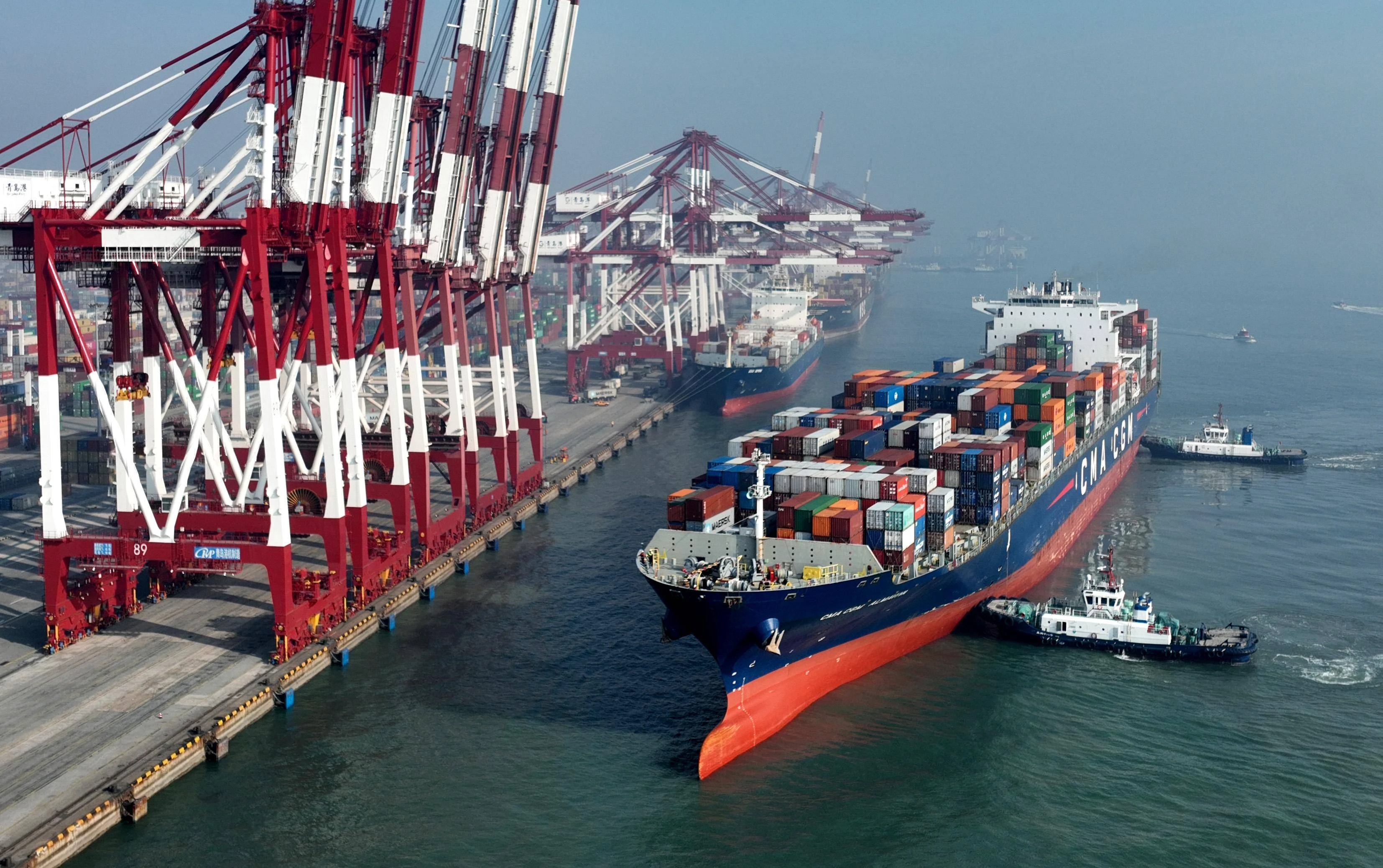
Present your safety case for insurer approval
You want your insurance to cover every risk. Start by making your safety case easy to understand. Use simple words and pictures to help insurance people see your safety steps. Show that you listen to what they want and answer their questions. Be honest about how you use your cranes and keep them safe.
-
Make a digital folder for all your safety papers.
-
Add photos, tables, and short videos to show how cranes work.
-
Give reports from outside safety experts to prove you care.
This way, you can fix problems before they get big.
Address risk, compliance, and technical solutions
Insurers worry about mistakes, broken parts, and dropped loads. You can lower these risks with CEGC’s predictive maintenance and strong, weather-proof features. These tools help cranes last longer and work better.
|
Benefit |
How It Helps Your Crane Operations |
|---|---|
|
Predictive Maintenance |
Finds problems early and cuts downtime by half. |
|
Marine-Grade Durability |
Stops rust and keeps cranes safe in bad weather. |
|
Proves you follow rules and saves on insurance. |
Rust can make crane parts weak and cost more to fix. Using marine-grade protection keeps cranes strong and helps your insurance.
Review, finalize, and seek expert feedback
Check your safety case to make sure it is right and complete. Include all inspection papers and proof you follow the rules. Ask a safety expert to look at your case before you send it in.
Note: Check your safety case often. Daily checks, monthly inspections, and yearly reviews keep cranes safe and insurance strong.
Keeping things up to date and asking experts for help keeps your cranes working well and meets insurance rules.
You can make a good cargo crane safety case by keeping clear records. Use CEGC’s technical solutions and follow all safety rules. CEGC gives expert advice and custom choices. Check your safety steps often. Ask experts what they think. This helps you keep your insurance strong.
FAQ
How does a crane help with construction safety?
A crane lifts heavy things so people do not get hurt. It makes moving stuff on a building site faster and safer. Using a crane means fewer accidents can happen.
Why should you choose a crane with advanced features for construction?
Advanced crane features make work safer and faster. These features help you move loads without swinging. They also stop mistakes that can cost a lot of money.
What records do you need for crane insurance in construction?
You need to keep logs about fixing and checking the crane. You also need papers that show workers learned how to use the crane. These records prove you use the crane safely on every job.


