
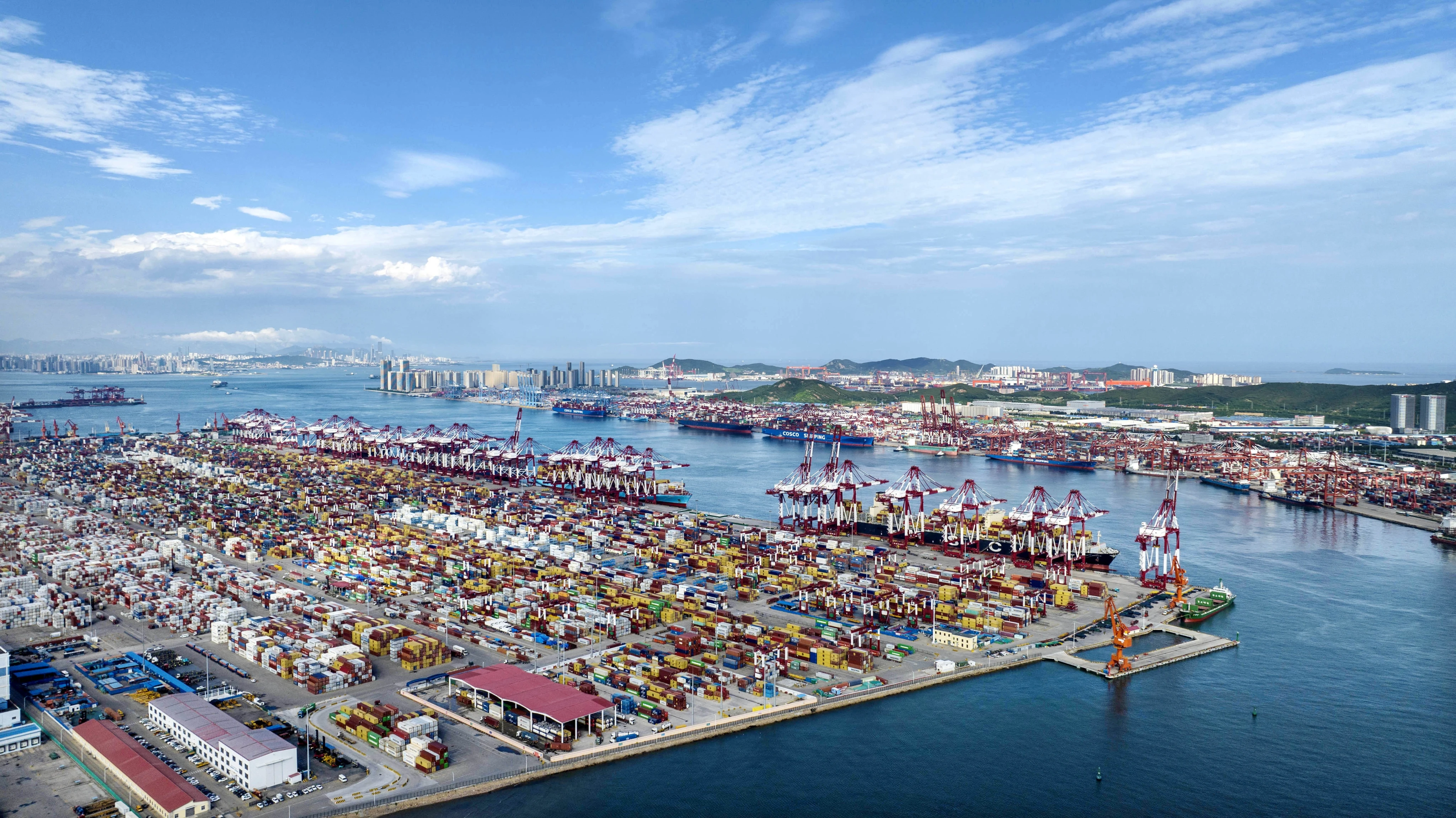
Port crane anti-collision: reduce near-miss rate fast by using trusted anti-collision systems. You face serious safety dangers every day, like the recent crane accident at Fort-de-France Port showed. CEGC gives you standard port crane anti-collision: reduce near-miss rate fast solutions made for your needs. Anti-collision systems help with collision risk, load sway, and operator mistakes.
-
Heavy machinery work needs strong anti-collision technology.
-
Pre-lift checks, automatic watching, and quick fixes keep your team safe.
-
Port crane anti-collision: reduce near-miss rate fast also means less load swinging and steady safety.
|
Benefit |
Description |
|---|---|
|
Enhances Operator Confidence |
You focus on placing loads, not stopping sway. |
|
Reduces Fatigue |
Automation does simple corrections, so you stay awake. |
|
Consistent Safety Compliance |
You use safe lifting steps every single time. |
|
Fewer Load Swings |
You see fewer close calls and lower accident chances. |
|
Longer Equipment Life |
You save cranes and tools from too much stress. |
|
Increased Lifting Accuracy |
You keep things exact and make work better for all shifts. |
Port crane anti-collision: reduce near-miss rate fast with anti-collision systems. You cut downtime, save equipment, and keep work going well.
Key Takeaways
-
Use anti-collision systems to lower the chance of accidents and near-misses in port work. - Use new technology like radar and ultrasonic sensors for real-time checks and automatic actions to make things safer. - Set up these systems fast to see quick changes in safety, work speed, and saving money.
Port crane anti-collision systems overview
What are anti-collision systems?
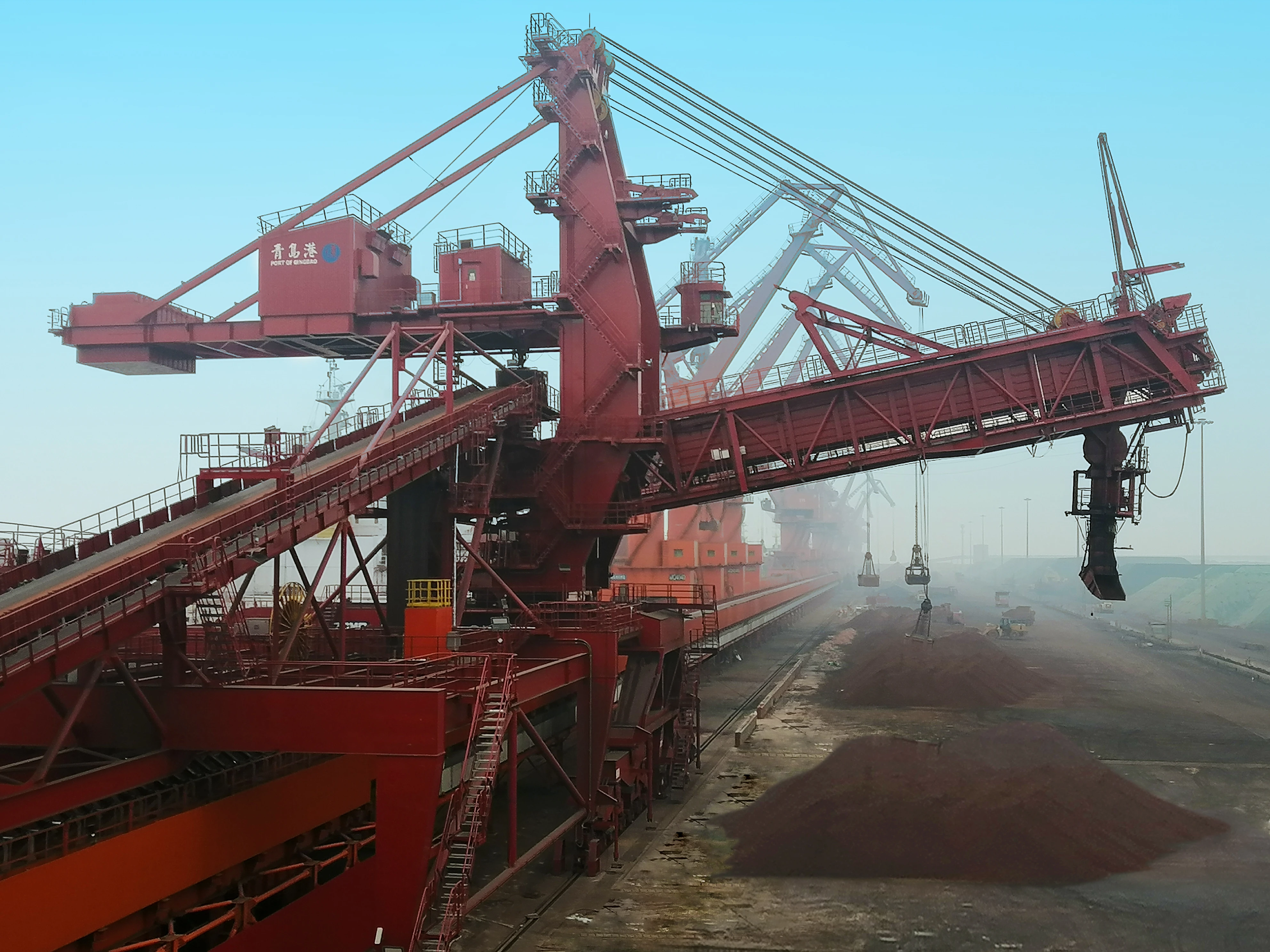
Anti-collision systems help keep port cranes safe. They work on many types of cranes. These include portal cranes, container cranes, ship cranes, and cargo cranes. The main job is to stop crashes before they happen. Overhead cranes and gantry cranes use anti-collision device technology. You get warnings, alarms, and slowdowns if something is too close. This helps you avoid crashes and keeps your team and equipment safe.
Key technologies for collision avoidance
Anti-collision systems use advanced technology. Some examples are radar, LIDAR, ultrasonic sensors, and RTK GPS. Using these tools lowers the number of collisions. Radar and LIDAR sensors can cut minor crane-to-crane contact by 95%. You also get faster crane speeds and less downtime. The table below shows important parts:
|
Component/Technology |
Description |
|---|---|
|
Ultrasonic/RFID sensors |
Find out how close cranes or objects are to each other |
|
Load monitoring systems |
Check weight and keep lifting safe |
|
Data display units |
Show real-time information to you and your team |
|
Automatic shutdown modules |
Stop the crane if it gets too close or too heavy |
|
Wireless communication |
Let you control and check cranes from far away |
Overhead crane safety essentials
You face risks from load sway, wind, and operator skill differences. Anti-collision systems help with anti-sway control, safety interlocks, and operator-centered HMI. Anti-sway systems keep loads steady. Safety interlocks use sensors and alarms to stop unsafe moves. Operator-centered HMI gives you easy controls and clear views. You get safer overhead crane work and fewer collisions. Tower crane anti-collision systems and anti-collision device setups make your job safer and more reliable.
Collision avoidance systems in action
Preventing near-miss incidents
When you use portal cranes, container cranes, or cargo cranes, there are many dangers. Collision avoidance systems help stop accidents before they happen. These systems have sensors that watch around your crane. They find dangers and act quickly to keep you safe.
Common near-miss incidents are:
-
Cranes bumping into each other during busy times
-
Cranes getting too close to things or containers
-
Cranes moving near people or vehicles on the dock
Collision avoidance systems check for these dangers all the time. If the system finds a risk, it can slow or stop the crane. You see warning lights, hear alarms, and get messages from far away. This helps keep you and your team safe.
|
Detection Method |
Action Taken |
Alerts Issued |
|---|---|---|
|
Real-time monitoring of the environment |
Automatic stop or adjustment of operation |
Visual indicators, audible alarms, remote notifications |
You can trust these systems to stop most accidents. For example, forklift AI camera systems can spot things almost every time. This is important because many people get hurt each year at ports without these systems.
Automated interventions and real-time alerts
Collision avoidance systems do more than just warn you. They also act to keep you and your equipment safe. When there is a risk, the system can:
-
Turn on alarms and flashing lights
-
Slow or stop the crane
-
Send alerts to the control room right away
You get help from different safety technologies. For example, a hammerhead crane anti-collision system uses radar to scan and send alarms. A luffing jib crane system checks the crane’s angle and path, then makes it safe again if needed. Multi-tower crane systems share data, so each crane knows where the others are and can stop if they get too close.
|
Solution |
Description |
Key Features |
|---|---|---|
|
Hammerhead Crane Anti-Collision System |
Uses radar sensors for side-to-side protection |
Loud alarms, flashing lights, sends data right away |
|
Luffing Jib Crane Anti-Collision System |
Watches the crane’s angle and moves for tricky jobs |
Shows 3D path, keeps lifting safe |
|
Multi-Tower Crane Collaborative System |
Lets cranes work together and sense everything around them |
Has safe zones, can stop cranes if needed |
These features help stop damage to cranes, cargo, and buildings. They also protect workers on the ground. Collision avoidance systems help you follow safety rules and lower the chance of injuries.
Fast deployment and immediate benefits
You do not have to wait long to see results from these systems. You can put them on portal cranes, container handlers, or ship cranes quickly. After you install them, you see fewer accidents and near-misses right away.
Here are some benefits you notice fast:
-
Fewer accidents and injuries
-
More cranes working at once with no delays
-
Less fixing and fewer legal problems
-
Better safety rule following
Collision avoidance systems also help you save money. The table below shows how you spend less:
|
Type of Cost Saving |
Description |
|---|---|
|
Lower Maintenance and Repair Costs |
Stops damage from crashes, so you fix things less often. |
|
Better Compliance and Insurance Benefits |
Makes safety better, so you might pay less for insurance. |
|
Improved Productivity and Cost Efficiency |
Less downtime means you get more work done and make more money. |
You can pick the best system for your needs. CEGC gives you choices for sensor types, anti-collision zones, automation, and anti-corrosion. For example, you can use laser sensors to see far or ultrasonic sensors for close safety. Camera systems help you see places you cannot see, and proximity sensors warn you if you get too close to something.
Collision avoidance systems make cranes safer, help you work better, and protect your money. You get safer work, less waiting, and better results for all your container handling machines.
Tip: When you set up these systems fast, you see safety and money savings right away. You show your team and clients that you care about crane safety and doing a good job.
You can stop more accidents and make things safer with a modern safety device on your port cranes. You get help fast when you use CEGC’s custom solutions. These solutions fit your special needs. Look at the clear benefits below:
|
Benefit |
Result |
|---|---|
|
Fewer near-miss incidents |
|
|
Custom Safety Zones |
Safer work areas |
|
Advanced Sensors |
Better hazard detection |
FAQ
How fast can you install a port crane anti-collision system?
You can install most CEGC systems in just a few days. Your team sees safety improvements right after setup.
What types of cranes work with CEGC anti-collision solutions?
You use CEGC systems on portal cranes, container cranes, ship cranes, cargo cranes, and reach stackers. The solutions fit many container handling machines.
Do you need special training to use these systems?
No, you do not. The operator-centered HMI makes controls simple. You learn fast with clear alarms and easy instructions.


