
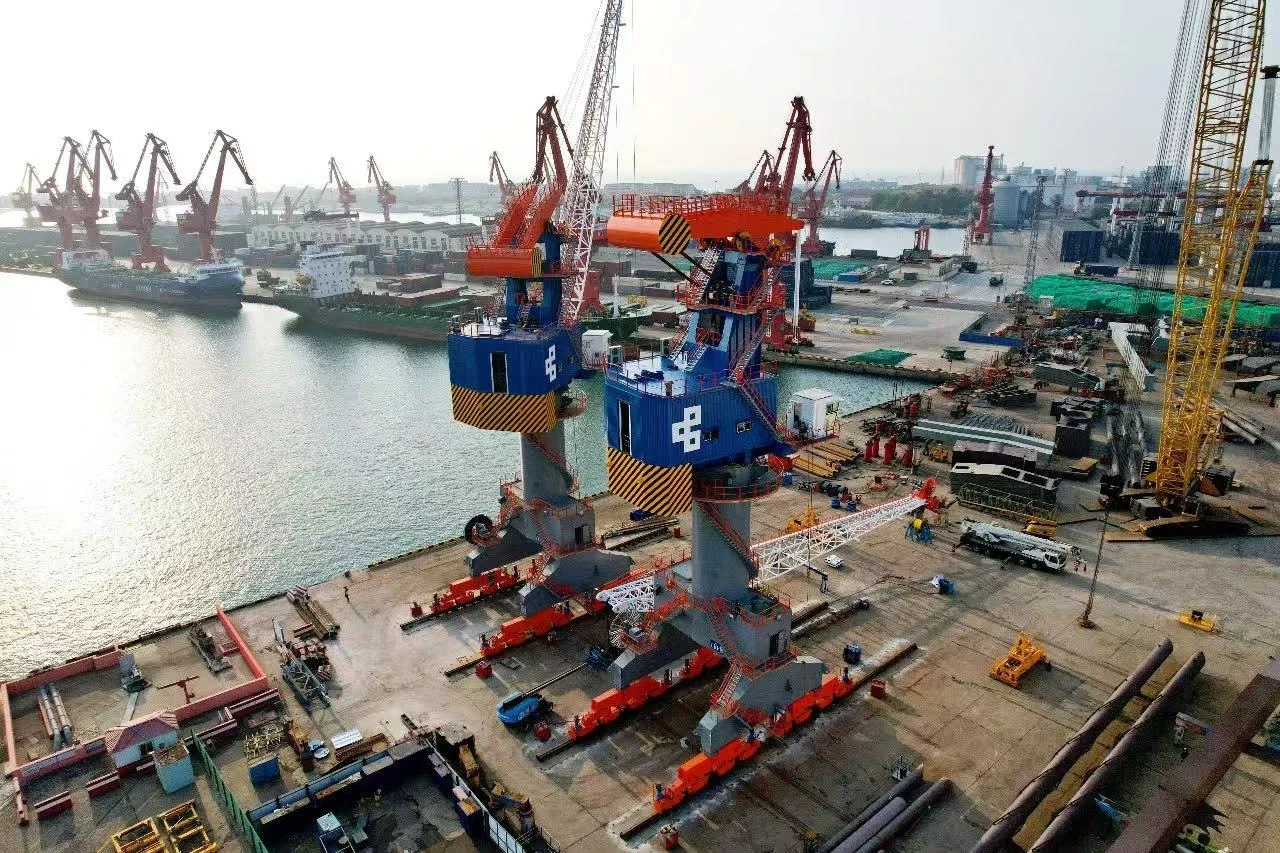
Container crane speed pays back in berth-window savings when you utilize faster and more reliable handling. By minimizing the time ships wait and maximizing cargo movement, your port operations become more efficient. CEGC provides advanced port machinery that addresses common challenges such as hard-to-reach components and operational slowdowns. Understanding these issues enables you to choose the best strategies for enhancing productivity.
Key Takeaways
-
When container cranes work faster, ships wait less time. This helps ports take care of more ships without making the port bigger.
-
Buying better crane technology, like anti-sway systems, makes things safer and faster. This saves a lot of money.
-
Making crane speed and schedules better helps the port do more work. This lets the port plan better and make more money from moving more containers.
Berth-window savings and port efficiency
What are berth-window savings?
Berth-window savings happen when a container vessel spends less time at the dock. You get better control over when ships arrive and leave. This helps you avoid expensive delays. When container crane operations go faster, ships wait about three hours less each time they visit. This means you can handle more ships and cargo without making your terminal bigger. You keep your schedule tight, so there is less crowding and your port works well.
Berth-window savings help you plan better. Every hour you save lets you add more ships to your schedule. You make your schedule more accurate and pay less for overtime. You also have more choices if ships come at different times.
Why efficiency matters for ports and shipping lines
Ports need to be efficient to stay ahead and keep schedules on track. Terminal operators and shipping lines need good container terminal infrastructure. You put equipment in the best spots to help with fast scheduling. Automation helps you stop crowding and keeps traffic moving. You manage schedules well to cut down on delays and move more containers, even when it is busy.
Faster container crane operations help with scheduling and make ports work better. The table below shows how different algorithms change average downtime, which affects scheduling and how many containers you can move:
|
Algorithm |
Average Downtime (min) |
|---|---|
|
GA |
98.3 |
|
PSO |
99.5 |
|
SA |
197.8 |
You pick CEGC's container handling equipment to make scheduling and efficiency better. CEGC gives you automation and smart systems that help with scheduling. Reach stackers move fast, and safety features like anti-sway control and alarms keep your scheduling and work safe. You trust market-standard specs to keep your scheduling steady and efficient.
Container crane speed pays back in berth-window savings
Crane speed and vessel turnaround
Crane speed affects how fast ships leave the port. Modern container cranes can move many containers each hour. Some ports reach 30 moves per hour. Some terminals even reach 31 moves per hour. This helps you work faster and keeps things running well.
Adding more cranes makes ships leave sooner. If you add one quay crane, ship turnaround drops by 9.4 hours. You keep your schedule tight and avoid waiting. Faster cranes mean less idle time and more containers moved. Your operation becomes easier to predict and trust.
Stable loads let cranes lift without stopping. Unstable loads make cranes slow down and pause. This makes ships stay longer at the dock. Crane parts must work well to keep loads steady. You need cranes that work the same way every time and do not break often.
Quantifying berth-window savings
You check berth-window savings by looking at ship turnaround and crane moves per hour. Faster cranes save hours every time a ship visits. In the past, cranes moved less than 20 containers per hour. Now, modern terminals move over 30 containers per hour. This saves time and money.
Anti-sway control and predictive maintenance help cranes work better. These tools make cycle time faster by up to 40%. Loads are placed more accurately. Operators learn faster and need less training. Cranes last longer and need fewer repairs. The table below shows how these tools help:
|
Benefit |
Impact |
|---|---|
|
Increase safety |
Less risk of damage and injury |
|
Improve cycle time |
Cycle time gets up to 40% faster |
|
Reduce operator training time |
New operators learn quickly |
|
Provide accurate load placement |
Loads are handled with more precision |
|
Reduce crane maintenance |
Cranes last longer and need less fixing |
Faster crane speed means you save time and money. You move more ships and containers without making your terminal bigger. Your port works smoothly and avoids expensive delays.
Operational and financial benefits
You get more benefits when you use faster and reliable cranes. More crane moves per hour means more money. You handle more ships and containers. Your port grows and reaches new markets. Bigger cranes attract new customers with larger ships.
The table below shows how you earn more money:
|
Evidence Type |
Description |
|---|---|
|
Gross Moves Per Hour (GMPH) |
More crane moves mean more money from containers. |
|
Increased Throughput |
Faster ships mean more containers and more money. |
|
New Market Opportunities |
Bigger cranes bring bigger ships and new customers. |
CEGC helps you fix problems like load sway, cycle time, corrosion, and downtime. You use anti-sway control, better motion, strong materials, and smart maintenance. You pick options for capacity, automation, anti-corrosion, and power to fit your needs.
The table below shows how CEGC lets you choose what you need:
|
Customization Aspect |
Description |
|---|---|
|
Capacity |
Pick crane size for your project. |
|
Span |
Change crane span for your area. |
|
Duty Cycle |
Set duty cycles for your work level. |
|
Power Solution |
Choose power for your environment. |
|
Anti-Corrosion Grade |
Pick materials for tough conditions. |
Faster crane speed saves time and money. Ships leave faster, performance goes up, and your port works better. Your port becomes more successful and earns more money.
Tip: Upgrading your equipment with CEGC gives you better performance and reliability. Your port stays safe, efficient, and ready to grow.
Optimizing crane speed for safety and reliability
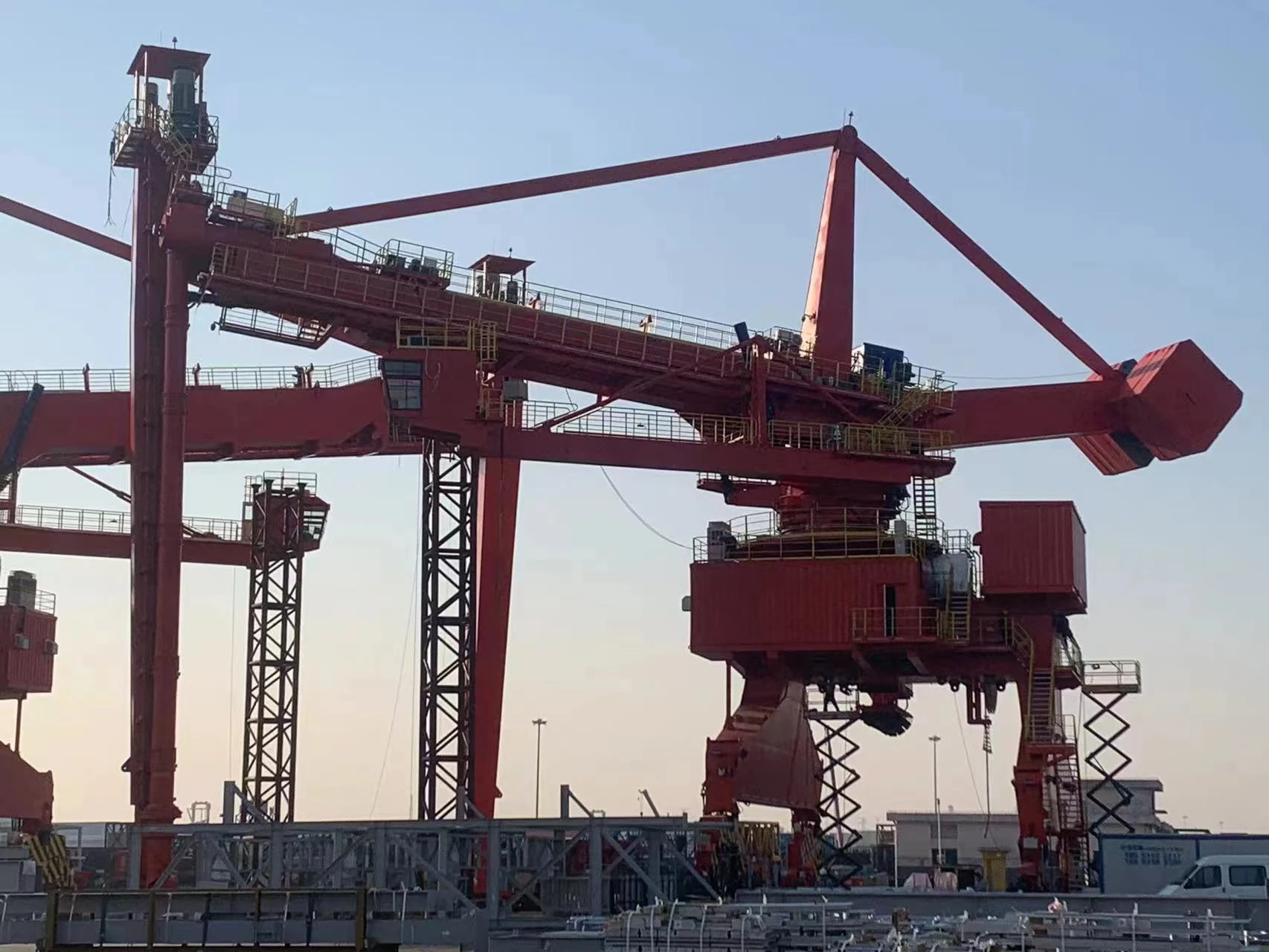
Key factors for crane performance
You want your port to work its best. You need to know what helps cranes do well. The table below shows what is important for handling more containers and working better:
|
Key Factor |
Description |
|---|---|
|
Crane Efficiency |
Top container cranes can do 30-45 moves each hour. This helps you move more containers and work faster. |
|
Cycle Time |
Good planning and quick machines cut waiting and help you do more. |
|
Equipment Reliability |
Taking care of cranes and having spare parts keeps them working. |
|
Operator Skill |
Well-trained teams make fewer mistakes and keep work steady. |
|
Restow Moves |
Careful planning means fewer extra moves and better work. |
You can make these things better with training and new tools. Changing how you work and using better technology helps too. Switching crews and planning well keeps cranes working. Sensors and telematics show you real-time data to help you improve. You get more done every shift.
Bad weather like strong wind and sea water can slow you down. Automated safety systems can spot dangerous wind and stop the cranes. CEGC makes cranes with strong sensors and emergency plans. Special materials and coatings stop rust and keep cranes working.
Balancing speed, safety, and reliability
You want cranes to go fast, but safety is important. Going too fast can cause accidents, like dropped cargo or crashes. You need smart ways to keep things safe. CEGC’s anti-sway systems use sensors and smart controls to keep loads steady. Safety locks stop unsafe moves and keep your team safe.
You get more done when you balance speed and safety. Anti-sway and safety systems let you lift faster and stay in control. You keep cranes working and have less downtime. Good habits include planning before lifting, watching the wind, and talking clearly with your team. Operators can stop work if it is not safe.
You need to think about everything. Fast cranes help you move more containers, but only if you stay safe and take care of your machines. CEGC gives you choices for size, automation, and rust protection. You get better results, more work done, and cranes you can count on. Your port stays safe, works well, and can grow.
Tip: Pick CEGC for smart container handling equipment. You get speed, safety, and reliability for the best results.
You make your port work better and spend less money when you make container crane speed faster. CEGC gives you equipment you can trust and lets you pick what fits your needs. To keep things safe and working well, do these things:
-
Spread out cargoes so they are even.
-
Make sure vehicles come in and go out in balance.
-
Try to stop equipment from being out of use.
FAQ
How does crane speed impact berth allocation problem?
When cranes move faster, you fix berth allocation problems quicker. Ships leave the dock sooner. This lowers how long ships stay. You spend less money on operations.
What is the best scheduling method for berth and quay cranes?
You pick a scheduling method that fits when ships arrive. This stops ships from crowding and waiting. It helps you plan better and save money.
Why should you optimize quay crane assignment?
You make quay crane assignment better to save time and money. You can handle more ships. Your terminal works better and costs go down.
Tip: You get the best results by solving berth allocation and quay crane assignment together.


