
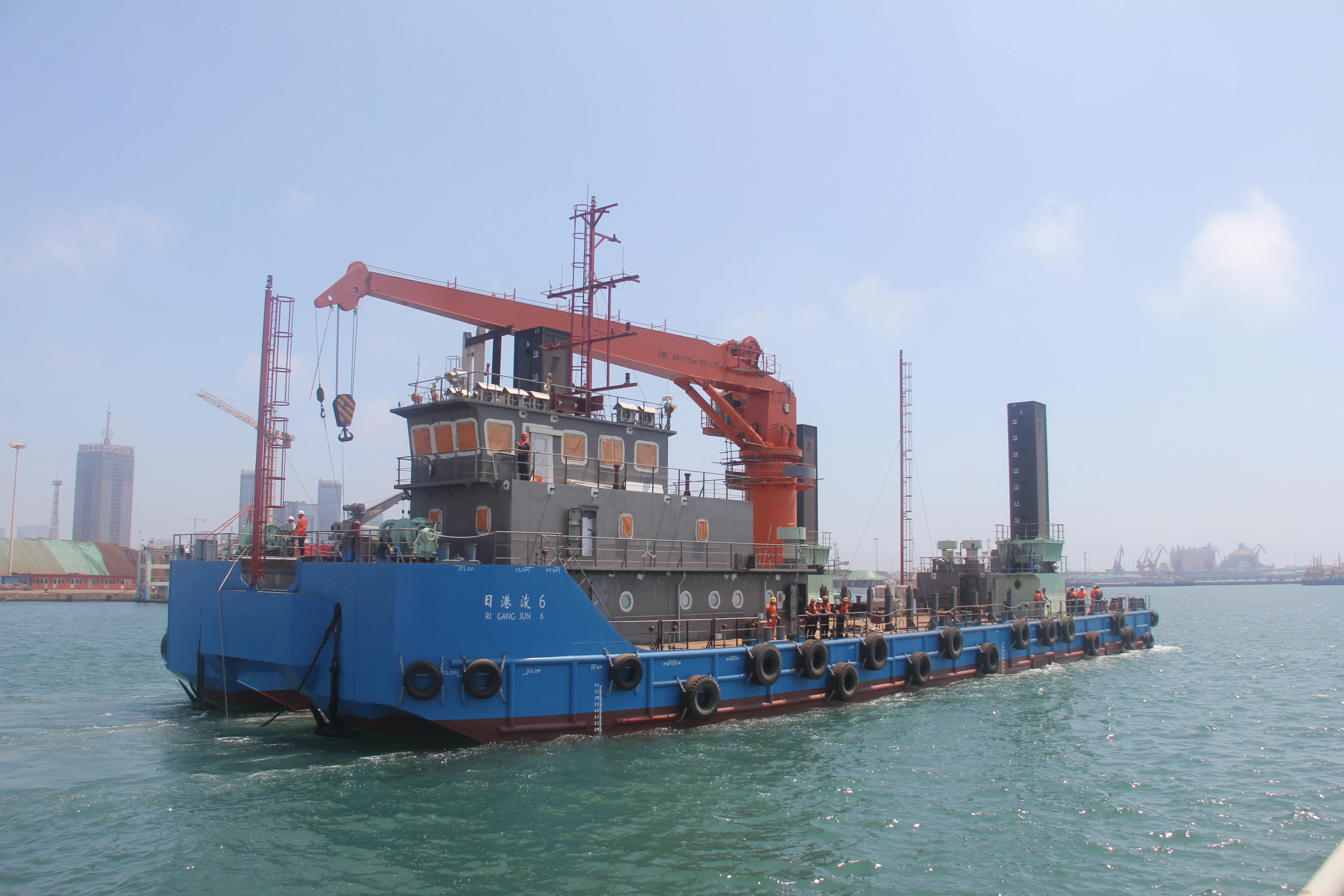
Allowing a container crane to perform empty travel increases maintenance requirements, as more empty trips accelerate component wear and can compromise operational safety. In fact, container crane: empty travel increases maintenance and can account for 30–40% of truck movements, leading to unnecessary fuel consumption and higher operational costs. CEGC offers intelligent solutions to address these challenges, optimizing crane usage to reduce empty travel, lower maintenance needs, and enhance safety.
|
Metric |
Impact |
|---|---|
|
Percentage of empty trips |
Up to 30–40% of truck movements |
|
Fuel savings |
10–20% |
|
Reduction in empty trips |
15–30% |
|
Environmental compliance |
Supports emissions targets |
Key Takeaways
-
Cutting down on empty travel can lower maintenance by 15–30%. This helps save both time and money. - Using smart scheduling and anti-sway systems can use 10–20% less energy. These systems also help work get done faster. - Regular inspections are very important. More empty moves make parts wear out faster. This can cause sudden breakdowns and higher repair bills.
Container crane: empty travel increases maintenance needs
Mechanical wear and structural fatigue
Empty moves happen a lot at container terminals. Every time a container crane does an empty truck run, it adds extra work to the hoist, trolley, gantry, and spreader. These trips do not move any cargo, but they still wear out the moving parts. Over time, container crane: empty travel increases maintenance for all important systems.
If you let cranes do empty moves often, the number of cycles goes up. This means more starts, stops, and changes in direction. Gears, motors, and brakes get more stress. The crane’s structure also gets more vibration and shock. In places near the sea, these extra cycles are even worse. Salt air, humidity, and biofouling hurt metal parts. Macro-organisms stick to the crane, making it heavier and changing how it moves. This causes more fatigue and faster rusting.
-
Biofouling makes marine structures heavier, which changes how they move and causes more fatigue.
-
Macro-organisms make surfaces rougher, so there is more drag and stress.
-
Biofouling makes rusting happen faster, especially when bacteria are present.
You can lower these risks by using special technology. CEGC has anti-sway systems that keep loads steady, even when it is windy. Variable frequency drives help cranes start and stop smoothly. Motion control changes speed based on the load, so there are fewer sudden swings. Open-loop and closed-loop anti-sway controls use sensors and smart settings to keep things stable. These features cut down on empty moves and reduce stress on your equipment.
A marine-grade durability package helps too. It uses lighter, rust-resistant materials and special coatings to protect against salt and humidity. Stainless steel fasteners and treated joints keep the crane strong, even after many empty truck runs.
|
Material/Feature |
Benefit |
|---|---|
|
Marine-Grade Aluminum |
Makes the crane lighter and stops rust |
|
Stainless Steel 316 Fasteners |
Stops rust and pitting in salty air |
|
Protective Finishes |
Extra coating keeps out saltwater and humidity |
|
Joint & Splice Treatment |
Special treatment keeps bolts strong for a long time |
Increased inspection and repair frequency
You need to check your cranes more often if there are too many empty moves. Each empty truck run adds more cycles. This means you must inspect cranes more often to find early signs of damage. If you skip checks, you could have sudden breakdowns that stop work at your terminal.
Here is how maintenance changes with more empty moves:
|
Crane Type |
Maintenance Needs |
Reasons for Frequency |
|---|---|---|
|
RTGs |
More wear from moving, tires, engines, and hydraulics. |
|
|
RMGs |
Needs less service |
Runs on tracks, so checks are for rails, wheels, and wires, but less wear overall. |
When there are many empty truck runs, equipment does not last as long. There is also a bigger chance of safety problems. More inspections and repairs mean higher costs and more downtime. You want to avoid this by having fewer empty moves.
Anti-sway systems help here too. They keep loads steady, so you do not need as many fixes. This lowers the number of cycles and cuts down on maintenance. You spend less time and money fixing cranes, and they last longer.
Remember, container crane: empty travel increases maintenance for every part of your operation. By having fewer empty moves and empty truck runs, you protect your cranes and keep your terminal working well.
Operational impacts and maintenance costs
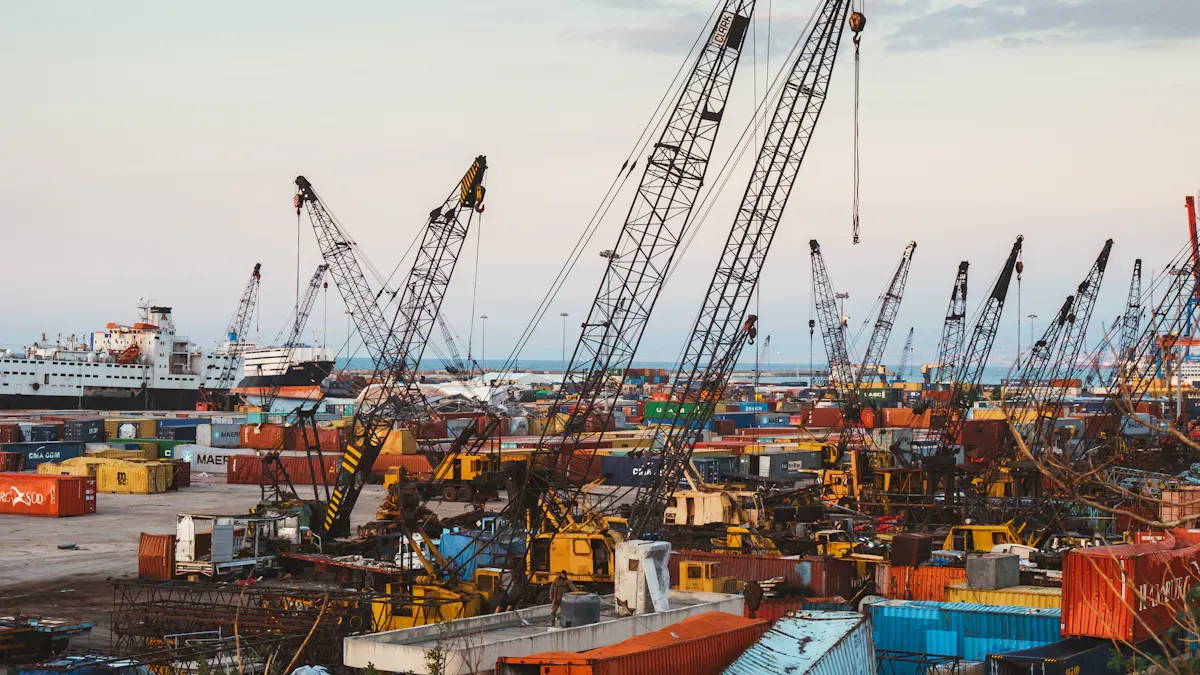
Energy use and downtime
Empty travel happens a lot at terminals. When a container crane moves with no load, it wastes energy. The crane runs but does not move containers. This makes energy bills go up. It also means fewer moves each hour. You need more fuel or electricity. Ships take longer to finish loading or unloading. Idle cranes can block other work. This can cause more repairs and downtime.
Cutting empty moves helps save fuel and lower emissions. You can use 10–20% less energy with good planning. Real-time data helps you change plans fast. Dynamic scheduling keeps cranes busy. Tracking crane use and moves per hour shows which cranes are not used much. This helps you cut idle time. Good yard plans and smart scheduling stop extra travel and repairs.
|
Evidence Type |
Description |
|---|---|
|
Crane Utilisation |
Tracking moves per hour helps you find and fix idle time from empty travel. |
|
Yard Strategies |
Good planning reduces travel distance and downtime for repairs. |
|
Dynamic Scheduling |
Real-time data cuts idle time and improves efficiency. |
Cost drivers and efficiency solutions
Empty travel makes your operation cost more. More empty cycles mean more repairs and higher energy bills. Cranes are not always ready to use. You pay more for workers and spare parts. Waiting times get longer. You might have sudden breakdowns. Empty gantry time can be 30–40% of work hours. This means you lose money and slow down container moves.
Smart solutions can help with these problems. Predictive maintenance from CEGC finds issues early. This stops sudden breakdowns. Reliable equipment means less repair time. Gate movement is smoother. Using electric or hybrid cranes saves energy and cuts emissions. Optimization algorithms help you plan the best times for work and repairs. This makes work faster.
You can also use best practices to cut empty travel. Automation stacks connect quay cranes, yard cranes, and vehicles. This makes handoffs smooth. Cross-training crews gives you more help when it is busy. Yard-routing models and dynamic re-routing keep cranes in the right place. Operator training lowers mistakes and keeps equipment working well. AI can reroute vehicles and stop extra trips. This saves fuel and cuts wear.
Tip: Use real-time integration and simulation-trained policies to make your terminal stronger and more efficient.
|
Metric |
Impact on Operations |
|---|---|
|
Idle time reduction |
|
|
Coordinated operations |
Reduces cranes’ idle by up to 15% |
|
Automated scheduling |
Cuts unplanned downtime by up to 20% |
Using predictive maintenance, energy optimization, and workflow integration lowers costs. It also cuts downtime for repairs and keeps cranes working well.
When your container cranes do more empty travel, you pay more money and face more problems.
|
Impact Type |
Description |
|---|---|
|
You spend more on fuel, workers, and equipment but do not make more money. |
|
|
Resource Utilization |
Empty moves take up space and slow down your work. |
|
Environmental Impact |
Using more fuel makes more pollution and raises your carbon footprint. |
There are ways to fix these issues:
-
Anti-sway systems help keep loads steady and safe.
-
Predictive maintenance can cut downtime by as much as 20%.
-
CEGC’s upgrades help you use less fuel and spend less on repairs.
Pick CEGC’s solutions to make your cranes work better and save money on maintenance.
FAQ
What is empty travel in a container crane?
Empty travel means the crane moves without carrying a load. You see this when the crane returns to pick up another container.
How does empty travel affect maintenance costs?
You pay more for repairs and parts. Empty travel causes extra wear on the crane’s moving parts. This leads to more frequent maintenance.
How can you reduce empty travel in your terminal?
Use smart scheduling, anti-sway systems, and operator training. CEGC offers solutions that help you cut empty moves and save on maintenance.


