
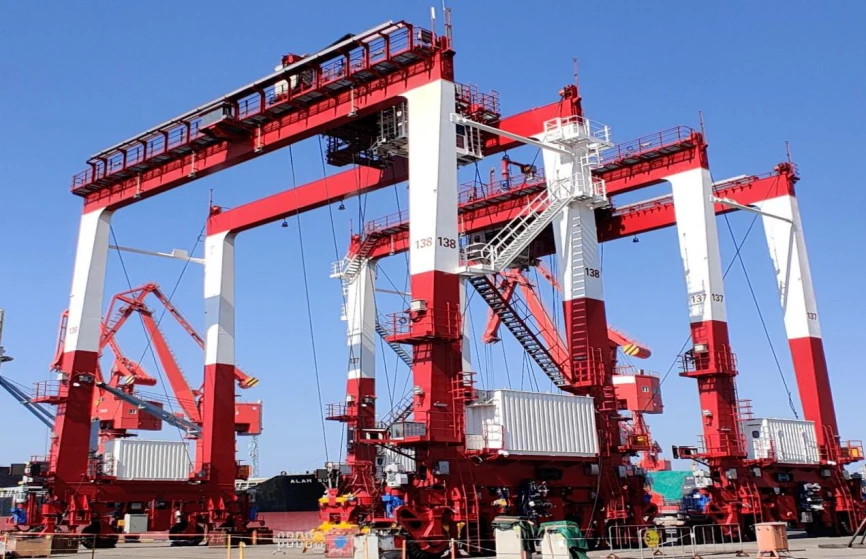
Accurate container crane positioning is essential to stop mispicks and rehandles, ensuring efficient and safe operations. With CEGC, you get advanced equipment designed to meet market standards and customizable for your specific project needs. Skilled operators, strict safety protocols, and intelligent systems all contribute to precise container crane positioning: stop mispicks and rehandles before they disrupt your workflow.
Review the table below for common mistakes and risks associated with container handling. These issues often arise from improper rigging, insufficient training, and challenging wind conditions.
|
Pain Point |
Description |
|---|---|
|
Dynamic Overload |
15–20% of lifts used 90% or more of the rated capacity during busy times. |
|
Wind Limit Exceptions |
1 in 5 shifts on windy days worked at or over the safe limits. |
|
Load Spikes |
The load at important times reached 130–140% of the boom's rated capacity. |
|
Structural Risk |
Too many overloads can make big structural problems over time. |
|
Financial Impact |
One failure can cause a 25–35% loss of yard space and cost a lot. |
You can prevent these problems with clear communication, thorough pre-operation checks, regular lubrication, and ongoing training. Frequent wire rope replacement also keeps your equipment running reliably. Smart solutions from CEGC address load sway and support operator development, helping you achieve safe, efficient, and consistent container crane positioning: stop mispicks and rehandles with confidence.
Key Takeaways
-
Putting the crane in the right spot stops mistakes and extra moves. This helps everything run well and keeps people safe.
-
Training often and talking clearly with the team helps stop mistakes. It also makes work faster and better.
-
Using new technology, like anti-sway systems, makes things safer. It also helps stop accidents when using the crane.
Root causes of mispicks and rehandles
Human error in crane operation
Operating a container crane is not easy. Long shifts can make you tired and slow to react. This tiredness makes mistakes more likely. If team members do not talk clearly, confusion happens during important lifts. Loud noises or foggy weather can make it hard to see or hear signals. You might miss alarms in these conditions. Sometimes, you have too much information to think about at once. This can lead to bad choices. You may forget to use special lifting tools or not notice wire rope problems. Training often and talking clearly with your team helps lower these risks. Always check the wire rope before you start your shift.
|
Environment Type |
Distance Walked per Day |
Physical Demand Impact on Fatigue |
|---|---|---|
|
Large Distribution Center |
20 miles |
High fatigue due to extensive walking on concrete |
|
Smaller Distribution Center |
3 - 5 miles |
Moderate fatigue, but still significant |
|
AutoStore System |
Minimal walking |
Reduced fatigue due to comfortable workstation |
Environmental and equipment factors
Wind, rain, and moving ships make crane work harder. Bad weather can cause the load to swing more. This makes accidents more likely. Broken sensors or dry parts can make machines act strangely. If equipment breaks, you must stop working. This slows down the whole terminal. You can stop many problems with regular checks and oiling. Having experts look at ropes helps you find problems early.
|
Equipment Type |
|
|---|---|
|
Portal Cranes |
Enhances loading efficiency and minimizes rehandling. |
|
Container Cranes |
Designed for fast loading, reducing the chances of mispicks. |
|
Reach Stackers |
Increases handling speed, especially in tight spaces, reducing rehandles. |
|
Forklifts |
Provides flexibility in loading and unloading, minimizing operational delays. |
Impact on operators and terminal efficiency
Mispicks and rehandles make your job harder. You get tired faster, which leads to more mistakes. Bad communication and broken machines cause slowdowns and cost more money. You may have to check things by hand, which takes longer and slows work. When rules are not clear, things get messy and deadlines are missed. You can fix many of these problems by talking with your team, doing regular checks, and training often.
Tip: Plan for regular maintenance and expert rope checks. This helps you avoid long stops and surprise breakdowns.
Prevention strategies for container crane positioning
Anti-sway and safe lifting systems
You can make container crane positioning better by using anti-sway and safe lifting systems. These systems show you important information right away. You can see how the load moves and how heavy it is. This helps you make good choices while using the crane. Watching the load swing and position in real time keeps everyone safer. It lowers the chance of hitting other containers, buildings, or people. The technology lets you control rigging more exactly. This means you can stop dangerous swinging and sudden shocks.
Tip: Use advanced anti-sway controls and safety interlocks to keep your crane steady, even when it is windy or busy. This helps stop accidents and keeps your team safe.
CEGC lets you pick the anti-sway systems, sensors, and safety interlocks you need. You can choose the right size, how much automation you want, and anti-corrosion features for your port. These choices help you with your special rigging and safety needs.
Operator training and HMI support
Training operators is a great way to make crane work safer and better. When you give advanced training, there are fewer accidents and better results. Operators learn to follow safety rules and use rigging the right way. They also get faster and do their jobs better.
|
Description |
|
|---|---|
|
Enhanced Safety Practices |
Improved adherence to safety protocols, leading to fewer accidents. |
|
Reduced Worksite Accidents |
Significant decrease in incidents due to better-trained operators. |
|
Compliance with Industry Standards |
Training ensures operators meet regulatory requirements, reducing legal risks. |
|
Improved Operator Skills |
Operators gain advanced skills, enhancing their efficiency and effectiveness. |
|
Increased Job Opportunities |
Better training leads to higher employability and career advancement in the field. |
Human-machine interfaces (HMI) help by giving clear pictures and alarms. You do not have to think about too many things at once. The HMI can do some jobs for you, so you do not get tired or distracted. Central control lets you run many cranes and handle rigging safely. You can act fast if there is a problem and keep your mind on safe crane work.
Professional rope inspections and maintenance
You should check your rigging and ropes every day before you start. Looking at them daily helps you find problems early. Plan for regular expert rope checks to find hidden trouble that could cause mispicks or rehandles. Doing this keeps your equipment working well and helps you stop mispicks and rehandles before they happen.
Note: Routine maintenance and expert rope checks lower the risk of sudden breakdowns. You keep your cranes running and avoid costly downtime.
CEGC gives you service plans and easy-to-change parts for maintenance. You can pick anti-corrosion packages and designs that fight fatigue for tough port places. These things protect your equipment and help keep it safe for a long time.
Data-driven crane operation and workflow integration
You can use data and predictive maintenance to make things safer and more reliable. Watching data in real time warns you about problems before they stop work. Predictive maintenance helps you fix things before they break. This makes your work faster and keeps the crane running smoothly.
|
Aspect |
Impact |
|---|---|
|
Reliability |
Enhances uptime and asset utilization by anticipating failures before they occur. |
|
Safety |
Reduces the likelihood of equipment malfunctions that could lead to accidents or cargo damage. |
|
Efficiency |
Improves maintenance efficiency through data-driven foresight and proactive responses. |
Workflow integration links your cranes with terminal management systems. You get updates right away and can make tasks better. The system helps move cranes safely and stops crashes or stacking mistakes. You waste less time and keep your work going well.
|
Evidence Point |
Description |
|---|---|
|
Real-time updates |
The system can quickly adapt to changes such as late arrivals or priority containers, minimizing disruptions. |
|
Task optimization |
Reduces idle time for cranes and limits unnecessary movements within the terminal, enhancing efficiency. |
|
Coordination |
Prevents collisions and stacking errors by managing the movements of multiple cranes effectively. |
You can also use barcode scanning and bin labels to stop mispicks. Scanning both the container and its spot makes sure you get the right one every time. This cuts down on mistakes and helps you position containers right with technology and clear steps.
Tip: Make special work zones and use pick-to-light systems to guide operators. These steps make it easier to think and keep rigging safe.
CEGC lets you pick automation, anti-corrosion, and advanced positioning systems. You can choose what fits your port, like fast lifting or remote checks. These solutions help you keep crane work safe, fast, and reliable.
You make your work safer and faster with human-machine solutions. Advanced safety systems help stop mistakes and keep things running well. Automation helps lower errors and makes orders more correct. Training your team often helps them learn new skills. It also gets them ready for emergencies.
|
Service Type |
Description |
|---|---|
|
Equipment Assessment |
CEGC picks the right machines for your needs. |
|
On-Site Installation |
Experts from the factory set up and test your equipment. |
|
Comprehensive Training |
Training teaches you how to use, fix, and stay safe with the equipment. |
You should check your container handling systems often. Pick CEGC for strong and flexible port machines you can trust.
FAQ
How does CEGC help you stop mispicks and rehandles?
You get smart anti-sway systems and operator training. Data-driven controls help you place containers in the right spot. These features lower mistakes and save money.
What maintenance should you perform on container cranes?
-
Check wire ropes every day.
-
Plan expert rope checks.
-
Oil moving parts often.
-
Change worn parts fast.
Can you customize CEGC port machinery for your terminal?
|
Option |
Available? |
|---|---|
|
Capacity |
✅ |
|
Automation Level |
✅ |
|
Anti-Corrosion |
✅ |
|
Safety Systems |
✅ |


