
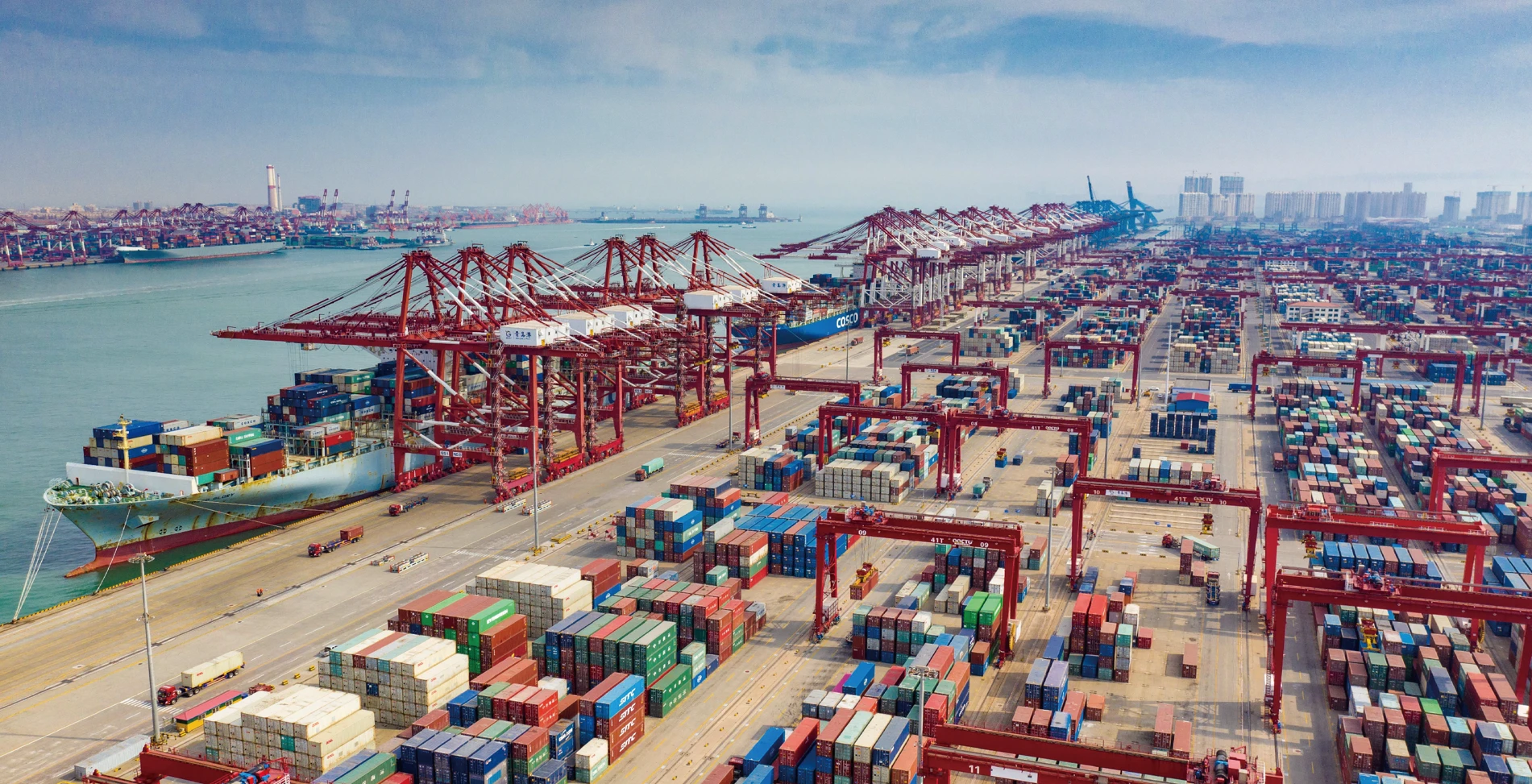
You want to learn about port crane precision: how to cut box corner damage. This knowledge helps reduce corner casting damage if you handle containers correctly. It is essential to employ careful crane handling and provide thorough training for operators. The table below illustrates how port crane precision impacts your handling results.
| Impact Detection Methodology (IDM) | Enhances accuracy and reduces container corner damage during port operations. | | Cause of Damage | Poor hooking often occurs when lifting containers from above-deck positions due to excessive movement of the spreader and high workload. | | Integration Benefits | Implementing IDM alongside crane management technology increases accuracy, thereby lowering costs and delays associated with damage. |
You should utilize advanced safety systems and conduct regular equipment checks. CEGC offers port crane precision with handling solutions that align with market standards. By focusing on port crane precision, you contribute to a safer yard environment while effectively cutting box corner damage.
Key Takeaways
-
Good operator training is very important. It helps stop mistakes and keeps people safe when using the crane.
-
Checking equipment often stops it from breaking. Regular checks keep the crane working well and help stop damage to containers.
-
Using anti-sway systems keeps loads steady. These systems lower movement and help protect containers from getting hurt.
Port crane precision: main causes of container damage
Improper lifting and load sway
Container damage happens when handling is not careful. Rough handling and uneven lifting can twist or crack corners. Load sway makes accidents and damage more likely. Swinging loads may hit things or spill contents. This shortens the life of parts and causes downtime. You can stop these problems by using trained operators and correct rigging. CEGC’s anti-sway control system helps keep loads steady and improves placement.
|
Common Damage |
Prevention |
|---|---|
|
Twisted or cracked corner castings from uneven lifting |
Use trained, certified operators for crane and forklift jobs |
|
Misaligned or jammed doors due to off-center handling |
Always lift with correct rigging and twistlock systems to avoid stress |
Misaligned spreaders and collision risks
Spreaders that are not lined up cause stacking mistakes and equipment damage. Poor visibility and tired operators make it hard to align containers. Overlapping containers make stacks unstable and unsafe for workers. Misalignment wastes time and causes safety problems. You can avoid these risks by using CEGC’s safety interlocks and operator-centered HMI. These tools give clear alarms and help guide operation.
-
Misalignments cause stacking mistakes and equipment damage.
-
Overlapping containers make stacks unstable and unsafe.
-
Misalignment leads to dangerous situations for workers and equipment.
Equipment malfunction and environmental factors
Equipment problems, like hydraulic line bursts, can make the crane head fall and damage containers. Bad weather, like storms and strong winds, can shift containers and cause structural damage or loss. Strong winds can knock over stacked containers and damage them. You should use regular maintenance and monitoring systems from CEGC to lower these risks.
-
Hydraulic line bursts make cranes collapse and damage containers.
-
Storms and strong winds cause structural damage or loss of containers.
-
Strong winds knock over stacked containers and damage them.
You need to use careful handling, regular checks, and advanced safety systems to cut container damage and make port operations better.
Prevention strategies and container repairs
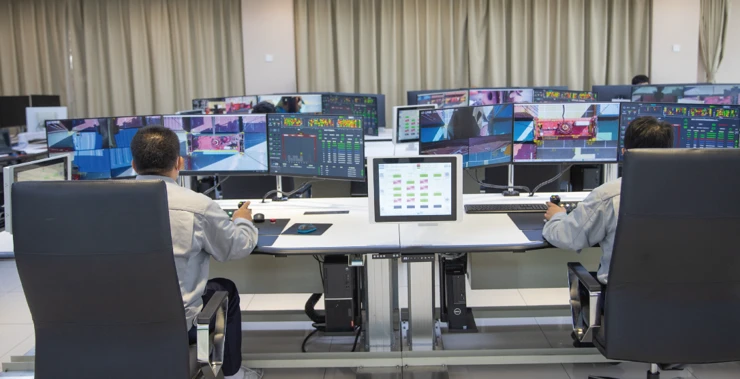
Operator training and certification
You can lower container damage by training and certifying operators. Safety training teaches many important skills. You learn how to use portal crane, container crane, and container handler. You also learn safety rules, like how to handle loads and what to do in emergencies. Training shows you how to work in bad weather too. Motion platform simulators let you practice in real-life situations. Physics-based environments show how equipment really acts. You get feedback right away so you can get better fast.
-
You learn how to use different cranes.
-
You learn safety rules and emergency steps.
-
Training covers working in bad weather.
-
Simulators let you practice safely.
-
Feedback helps you improve your skills.
CEGC gives you operator-centered HMI and guided support. These tools help you work the same way every time and stop physical impact when handling containers.
Equipment inspection and anti-sway systems
You need to check equipment often to stop container damage. Some checks happen every day or month. Other checks happen every 1 to 12 months. The table below shows when to do each check:
|
Inspection Type |
Interval |
|---|---|
|
Frequent Inspection |
Daily to monthly |
|
Periodic Inspection |
1–12 months |
Anti-sway systems help stop damage to container corners. Hydraulic systems slow down sway energy. Electronic systems control crane movement so sway does not start. Closed loop systems watch load movement and stop sway from outside things. Open loop systems use math to guess and stop sway. Closed loop systems work best outside with wind or other forces. Electronic systems work well inside where things are controlled.
|
System Type |
Description |
Effectiveness in Reducing Damage |
|---|---|---|
|
Hydraulic Systems |
Use hydraulic circuits to slow down sway. |
Slows down sway but does not stop it from starting. |
|
Electronic Systems |
Control crane movement to stop sway from starting. |
Stops sway well, especially inside. |
|
Closed Loop Systems |
Watch load movement to stop sway from outside things. |
Works very well outside with wind or other forces. |
|
Open Loop Systems |
Use math to guess and stop sway. |
Good for inside, not as good outside. |
CEGC gives anti-sway systems, safety locks, and predictive maintenance. These tools make work faster and help cranes last longer. Predictive maintenance cuts crane downtime by 15–20%. Automatic container handling lowers mistakes and keeps work steady. Marine-grade durability keeps cranes safe from salt, wet air, and rust. You stop weather damage and keep cranes strong in tough ports.
Safe lifting protocols and communication
You must follow safe lifting rules to stop container damage. Remove dangers when you can. Use safer equipment if possible. Engineering controls change the workplace or equipment to be safer. Administrative controls set up rules, training, and watching workers. Personal protective equipment is the last way to stay safe.
-
Good training for crane workers lowers mistakes.
-
Following safety rules makes sure everyone knows what to do.
-
Use the right lifting gear and make sure it is locked before lifting.
Good communication between crane operators and ground staff is very important. You work together to move containers safely and avoid crashes. This lowers container damage and keeps people safe.
Safety locks stop cranes from lifting unless locks are closed right. A container control module makes sure containers are only unlocked and put in the right place. These features lower the chance of crashes and unsafe stacks.
Immediate container repairs and reporting
You must check containers right away if you think they are damaged. Follow these steps to fix them the right way:
-
Teach and remind agents to check containers before delivery.
-
Tell shipping lines if you need a new container.
-
Be extra careful at off-dock, CFS, or ICD places. Look for damage or tampering.
-
Check outside and under the container for dents or strange things.
-
Look at doors for locks, bolts, or signs of tampering.
-
Check the right side for odd repairs or hidden spaces.
-
Look at the left side for repairs or fake walls.
-
Check the front wall for blocks or tampering.
-
Look at the roof for beams and open air holes.
-
Check the floor for dirt, stains, or damage.
Reporting container damage quickly makes ports safer and work better. Fast checks and repairs lower the chance of accidents and injuries. Keeping containers strong is important for safe travel. Fixing problems fast means less waiting and better cargo handling. Any damage can cause big problems and hurt people. Checking and fixing containers often helps stop these risks. It is very important to follow rules, especially for dangerous goods.
A good safety culture means always trying to get better and keeping workers involved. You look for risks before they happen and make work safer. Getting better all the time means fewer emergencies because you manage risks early. People do not get lazy because risks are always checked and new ideas are tried.
CEGC helps with predictive maintenance, smart decision tools, and advanced automation. These tools make work safer and more reliable, lower mistakes, and make work faster. Watching equipment condition helps stop downtime and saves money. Working better means using less fuel and less time.
Tip: You can stop container damage by using operator training, regular checks, anti-sway systems, safety locks, and clear communication. Fixing containers right away and reporting problems keeps port work safe and smooth.
When you pay attention to crane precision, port safety gets better. Operator training helps workers make fewer mistakes. Advanced safety systems help stop container damage. These systems make it easier to see what is happening. CEGC’s solutions help workers do more and keep containers safe. Staying alert all the time lowers risks. It also stops container damage and keeps work running well.
|
Risk Type |
Impact on container safety |
|---|---|
|
Fatigue |
Raises container damage |
|
Training gaps |
Increases container damage |
FAQ
What causes most container corner damage during crane operations?
Most damage happens because of load sway and misaligned spreaders. Equipment faults can also cause problems. Wind makes containers move and get damaged. If operators are not skilled, the risk goes up.
Tip: You can lower damage by using anti-sway systems and training often.
How do anti-sway systems help prevent container damage?
Anti-sway systems keep loads from moving too much. This stops containers from swinging and hitting things. Electronic controls help place containers in the right spot.
|
System Type |
Benefit |
|---|---|
|
Anti-sway |
Cuts down on sway |
|
Safety interlock |
Stops collisions |
What should you do if you find a damaged container?
You need to tell someone about the damage right away. Check the container and write down what is wrong. Follow the repair steps to fix it. Acting fast keeps everyone at the port safe.


