
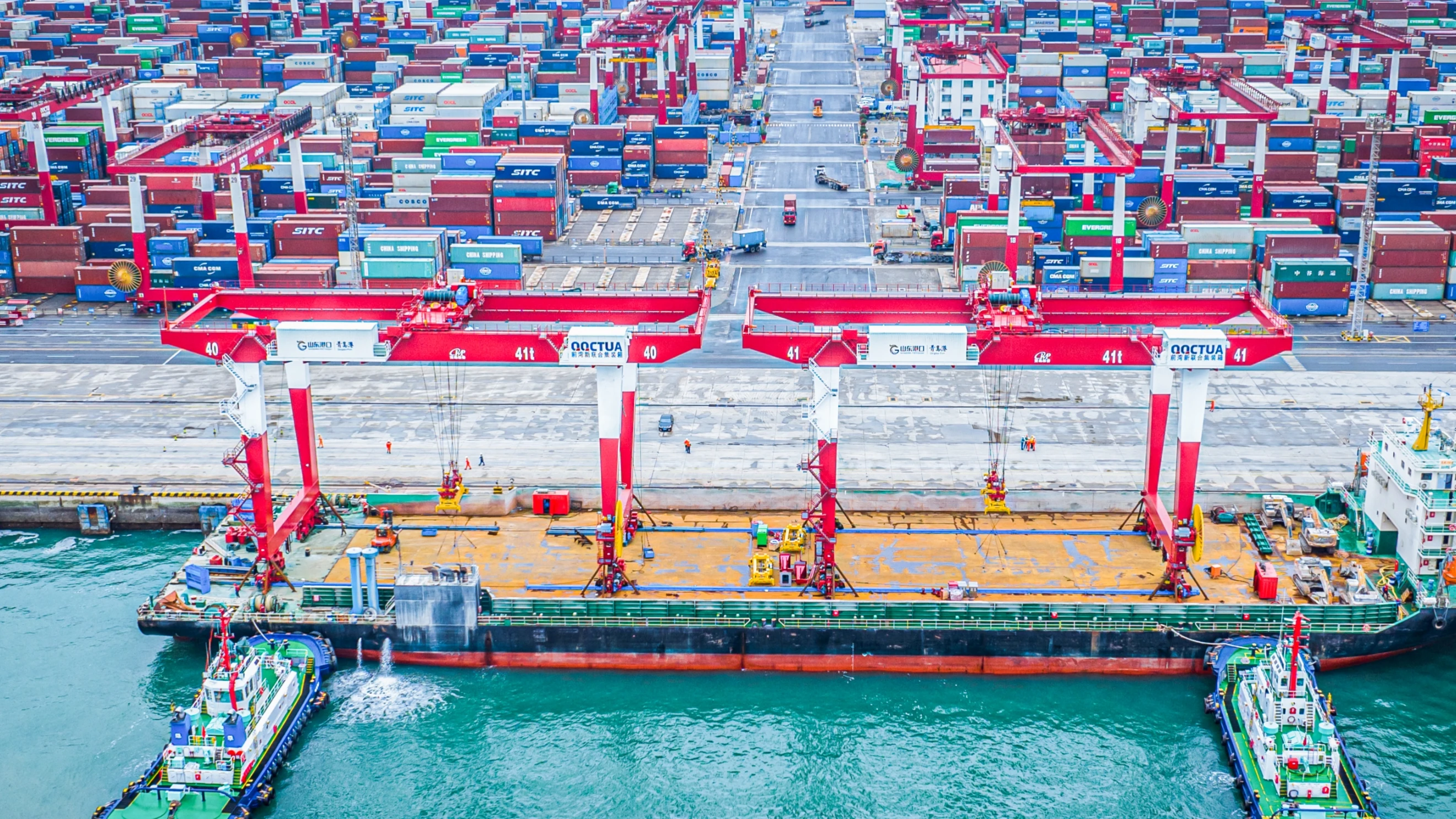
When you need Reach Stacker accuracy: hit the slot every time, real challenges arise. Precision is key to making your port safer and more cost-effective. With CEGC, you experience the benefits of true accuracy:
-
Ships depart quicker and spend less time waiting
-
Operational costs decrease as resources are used more efficiently
-
Higher productivity is achieved with fewer machines
Key Takeaways
-
Being exact when placing containers is very important for safety and working well. Use smart ways like the pyramid method to stop accidents from happening.
-
Use tools like anti-sway systems and real-time data to help you be more exact and spend less money when working.
-
Training and practice for operators help them get better and make sure they always put containers in the right spot.
Precision in Reach Stacker Operations
Why Precision Matters
You need precision to keep your port safe and running well. Careful container placement stops containers from overlapping. Overlapping makes containers unstable and can cause accidents. You avoid misalignment by watching for bad corner castings and unsafe stacking. Using best practices, like the pyramid method, helps you spot problems fast and stop work if needed.
Precision helps you move containers faster and more efficiently. This keeps the port from getting crowded and stops bottlenecks. Your team loads and unloads ships without delays. CEGC builds equipment with standard specs and custom options. You get the right solution for your port, which supports safety and performance.
Tip: Always check your view and use the best stacking method to stay safe.
Common Accuracy Challenges
You face many challenges when you try to hit the slot every time. Load sway and wind load make it hard to keep containers steady. Strong winds push containers sideways and increase tipping risk. You must watch for these conditions and use wind speed monitors to stay safe.
Operator skill differences affect safety and accuracy. Some operators react faster or plan better than others. This causes results to change across shifts. You can fix this with CEGC’s anti-sway systems and operator-centered controls.
Here are some common challenges you may face:
|
Challenge |
Description |
|---|---|
|
GNSS Signal Interference |
Signals can be blocked by containers or structures, which lowers accuracy. |
|
Data Processing Errors |
Mistakes happen when control systems send data to the terminal system. |
|
Positioning Accuracy Requirements |
You must keep placement errors under half a meter for safe operations. |
Environmental factors, like wind and load sway, change sensor readings. You can use real-time feedback and adaptive controls to keep your operation safe and accurate.
Hitting the Slot Every Time
Operator Visibility and Focus
You need clear visibility to achieve reach stacker accuracy: hit the slot every time. When you see the slot, you can control the container and avoid mistakes. Good visibility helps you line up with the bump and the slot, making each move safer and faster. You should always check your mirrors and cameras before you start. Use the cab’s elevated view to spot the slot and the bump and the slot from above. This helps you avoid obstacles and line up with the slot on the first try.
Modern container handling equipment, like CEGC’s reach stackers, gives you real-time data on container locations. This data lets you know where each slot is and helps you plan your next move. Yard Management Systems (YMS) use Real-Time Location Systems and RFID to track containers. You see where the slot is, and you can focus on getting into that slotted position without guessing. Simulation tools also help you practice swings before you operate the real machine. These tools let you try different approaches to the bump and the slot, so you learn what works best.
Tip: Always keep your eyes on the slot and move slowly when you approach. This reduces the risk of missing the slot and hitting the bump and the slot.
Planning and Alignment Techniques
You need a plan before you move the container. Planning helps you achieve reach stacker accuracy: hit the slot every time. Start by checking the yard plan and talking to your supervisor. Make sure you know which slot you need to fill. Align your reach stacker with the racking and keep a steady speed. Slow, steady movement helps you avoid overshooting the slot or bumping into the rack.
Here are some steps to improve your slot accuracy:
-
Use dynamic slotting. Analyze inventory data and adjust your slotting strategy based on real-time demand. This keeps your slot plan up to date.
-
Try practice swings before you lift a container. Practice swings help you get a feel for the bump and the slot, so you can line up perfectly.
-
Use machine learning tools to predict changes in demand. This helps you plan which slot to use next.
-
Update your slotting plan often. Regular updates prevent mistakes and keep your operation smooth.
-
Coordinate with your team. Talk to yard supervisors and signalers to make sure everyone knows which slot you are targeting.
You should also use the telescopic arm on your reach stacker to get closer to the slot. Extend the arm slowly and keep your eyes on the slot. This helps you avoid hitting the bump and the slot and keeps the container steady. CEGC’s anti-sway and safe lifting control systems help you keep the container stable during practice swings and final placement. These systems reduce sway and help you achieve reach stacker accuracy: hit the slot every time.
Real-time visibility of container locations prevents delays and helps you avoid missing the slot. When you use these planning and alignment techniques, you improve your reach stacker accuracy: hit the slot every time. You also reduce the risk of accidents and keep your operation running smoothly.
Note: Practice swings are not just for new operators. Even experienced drivers use practice swings to line up with the slot and avoid the bump and the slot.
If you follow these tips and use the right technology, you will master reach stacker accuracy: hit the slot every time.
Lifting Performance and Technology Solutions
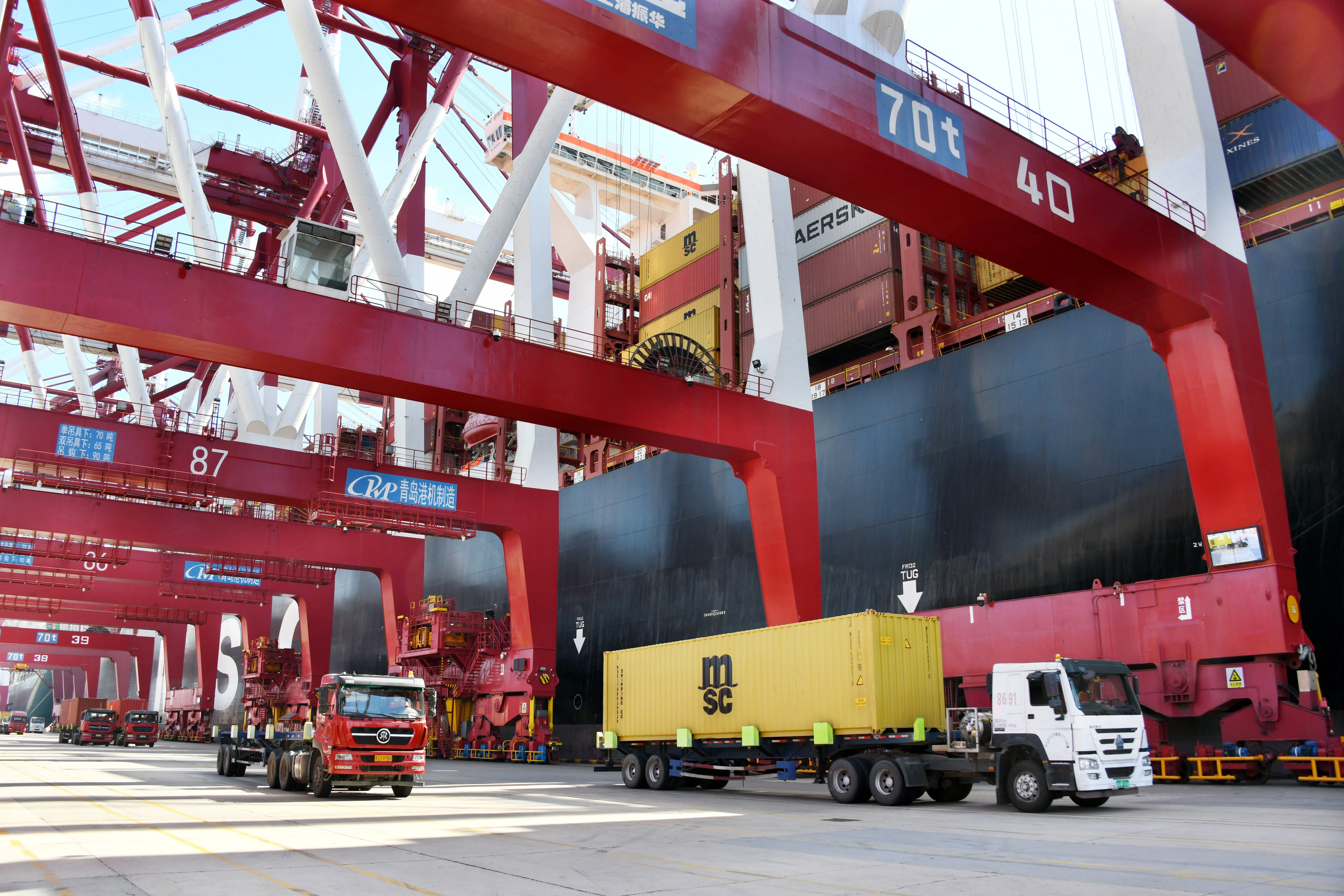
Anti-Sway and Safety Systems
You need strong systems to keep containers steady and safe. Anti-sway control systems stop the load from swinging. This helps you put the container in the slot without mistakes. Multi-layer safety interlocks protect you by stopping overloads and unsafe moves. These features work together to make lifting better and keep your team safe.
Here is a table that shows how these solutions help you:
|
Technical Solution |
Description |
|---|---|
|
Anti-sway control systems |
Keeps loads steady, fighting wind and sudden moves to stop accidents. |
|
Multi-layer safety interlocks |
Stops overloads and crashes with limit switches and emergency stop logic. |
|
Operator-centered HMI |
Gives clear warnings and updates to help operators react faster. |
Tip: Use these systems every time you move a container to make sure you hit the slot safely.
Cameras, Sensors, and Slot Indicators
You can use cameras and sensors to see the slot better. Slot indicators show you the exact spot for each container. These tools help you line up the container with the slot, even if you cannot see well. CEGC gives you custom sensor sets and automation choices. You can pick the right tools for your yard and get better accuracy.
Motion Coordination and Workflow Integration
You can get better slot accuracy by using motion coordination systems. These systems help you match your speed and movement to the load and wind. Load-dependent speed profiles keep your moves smooth and safe. Workflow integration lets your reach stacker work with yard management systems. This means you always know which slot to target next. CEGC can change these features to fit your needs. You get better performance and more reliable slot placement every time.
Operator Training and Continuous Improvement
Standardized Techniques and Best Practices
You can make reach stacker accuracy better by using the same steps each time. Standardized techniques help you stack and handle loads well. This makes lifting safer and helps you work faster. Digital checklists remind you to follow every step. These checklists help you bump the container right and keep it steady.
|
Evidence |
Explanation |
|---|---|
|
Ports check how well they do their jobs, compare results, and set goals. |
Using the same techniques helps you see progress and set targets for stacking and handling loads. |
|
Crane performance (T1) is often slow because of the number of moves per hour. |
Standardized stacking and load handling makes work faster and stops delays. |
Standardization keeps stacking and load handling good. Doing the same steps helps you avoid mistakes and bump the container right every time.
Performance Testing and Feedback
You need to practice often to get good at stacking and handling loads. Simulation training lets you try different moves safely. You can see how your load acts when you stack it. This practice teaches you how to bump the container right and keep it steady. You learn what happens if you make unsafe moves without any danger. This helps you stay safe and get better skills.
Feedback helps you find ways to improve. You can check how well you stack and how productive you are. CEGC’s operator-centered HMI gives you feedback and support while you work. This helps you practice the right way and get better at lifting and handling loads. Over time, your load stays steady and you work faster.
Tip: Practice stacking and handling loads every week. This keeps your skills strong and your load steady.
Maintenance, Durability, and Uptime
Predictive Maintenance Strategies
You can make your reach stacker last longer with smart care. Predictive maintenance helps you know what your machine needs. You do not just wait for things to break. You look at data and find problems before they stop your work. You use information to make better choices. This helps you fix things at the right time.
You can use these ideas to keep your machine working:
-
Use data to help you decide when to fix things.
-
Plan repairs based on how much you use your machine.
-
Use Maintenance Management Systems to track repairs and checks.
-
Watch your machine in real time to catch problems early.
-
Change from fixing things after they break to fixing them before.
-
Save energy by keeping your machine running well.
-
Have your team check the machine often to stop big problems.
When you follow these steps, your reach stacker is always ready.
Marine Durability and Lifecycle Protection
You work in places with salt, wind, and water. These things can hurt your machine. You need strong protection that lasts a long time. CEGC uses special coatings and systems to stop rust. These keep your reach stacker strong and working longer. You will have fewer repairs and your machine will last longer.
Watching your machine helps you see problems early. You can fix things before they get worse. This saves you time and money. About 25% of damage in ports happens because of bad care. If you watch your machine all the time, you protect your money and get your money back faster.
You need strong machines for good accuracy. Good protection and smart care help you lift better. Your reach stacker will be ready for every job.
You can make reach stacker accuracy better by doing these things: Train operators to use good methods. Use new technology from CEGC. Take care of your equipment often.
Look at how you do things now. Try CEGC’s special solutions for safe and strong container handling. Begin making your port work better today.
FAQ
How do you make sure your reach stacker hits the slot every time?
You check your view, plan your move, and use CEGC’s systems. You keep the container steady and always aim for the slot to reach the ideal position.
Why does the slot matter for reach stacker accuracy?
You need to place each container in the right slot. This keeps your yard safe and organized. You avoid mistakes and reach the ideal position without swinging up to the t-finish.
What helps you stop the load from swinging up to the t finish?
You use anti-sway controls and careful planning. You slow down before the slot. You reach the slot with no swinging up to the t-finish for safe stacking.


