
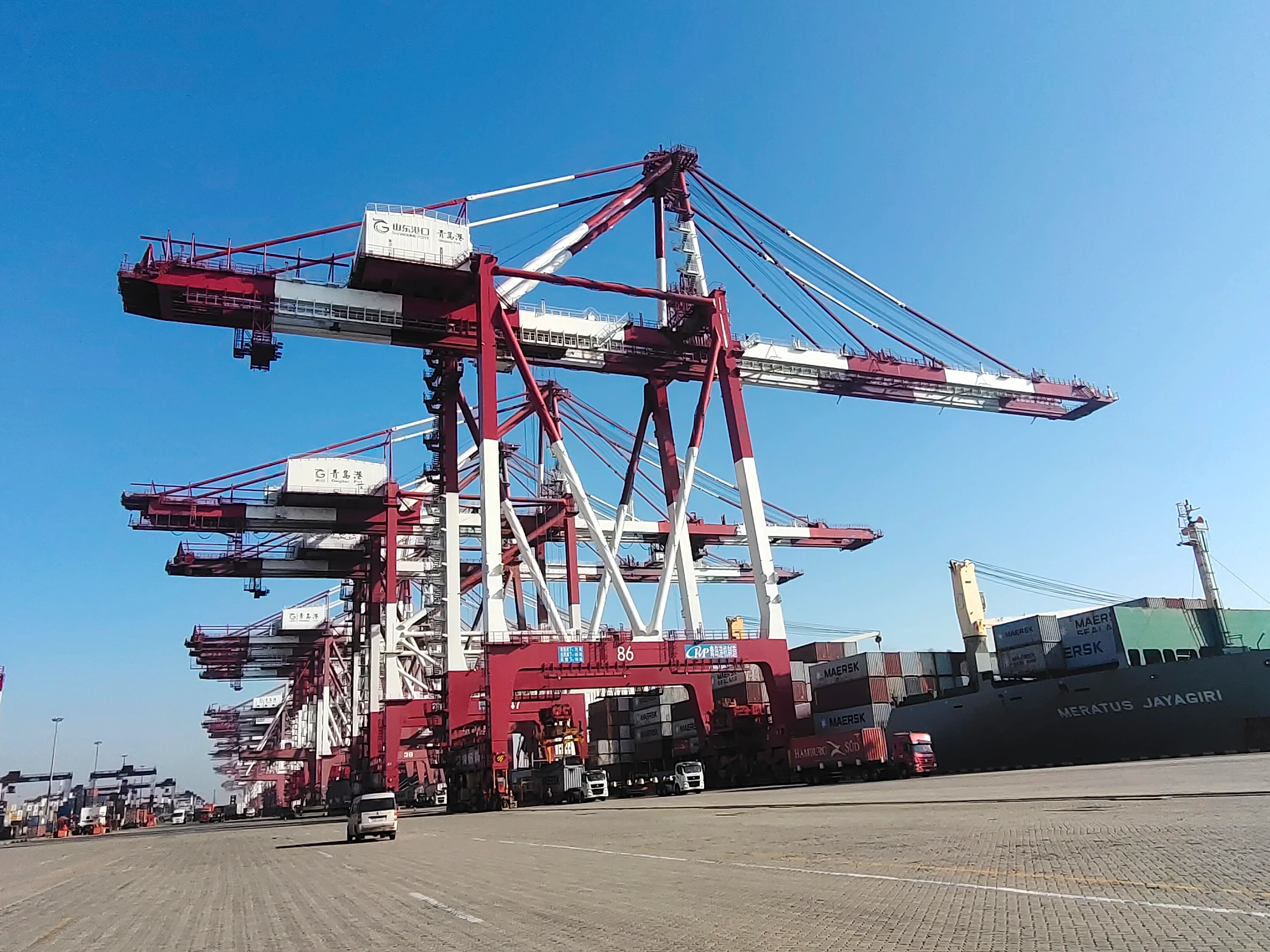
You need to be very exact when using a container gantry crane. This helps you put containers down safely and fast. Sometimes, the load swings or the wind is strong. Some operators have more skill than others. These things make the job harder. CEGC gives you tools to fix these problems. Learn how using container gantry crane: precision landing best practices can help your work.
Key Takeaways
-
Precision landing with a container gantry crane makes things safer. It lowers the chance of accidents and damage. Always control the load so it does not swing.
-
Regular checks before using the crane keep it safe. Maintenance helps the crane stay ready to use. Use checklists to make sure all parts work right.
-
Use advanced anti-sway and automation systems to work better. These tools help you move containers faster. They also help you place containers more accurately.
Why Precision Landing Matters
Safety and Collision Risks
It is important to keep your worksite safe with a container gantry crane. Precision landing helps stop accidents and damage. If you do not control the load, it might swing and hit things. Wind and quick moves can make this problem worse. How skilled the operator is also matters for control. You can look at the table below to see what causes load sway and how to fix it:
|
Cause of Load Sway |
Mitigation Strategy |
|---|---|
|
Sudden Acceleration and Deceleration |
Use Variable Frequency Drives (VFDs) for smooth motion. |
|
Improper Speed Profiles |
Implement coordinated motion control with speed adjustments. |
|
Operator-Dependent Control |
Provide operator assistance through automated systems. |
|
Environmental Influences |
Utilize closed-loop anti-sway control with real-time sensors. |
Using these ideas helps keep your team and equipment safe. It also lowers the chance of crashes that cost a lot.
Efficiency and Throughput
Precision landing does more than keep people and cargo safe. It helps you move containers faster and make fewer mistakes. Less load sway means you do not have to wait as long for the load to stop moving. This lets you move more containers in less time. You also save money by avoiding delays and damage. Advanced control systems help you make every move count. Your terminal works better, and your job gets easier.
Container Gantry Crane: Precision Landing Best Practices
Pre-Operation Checks
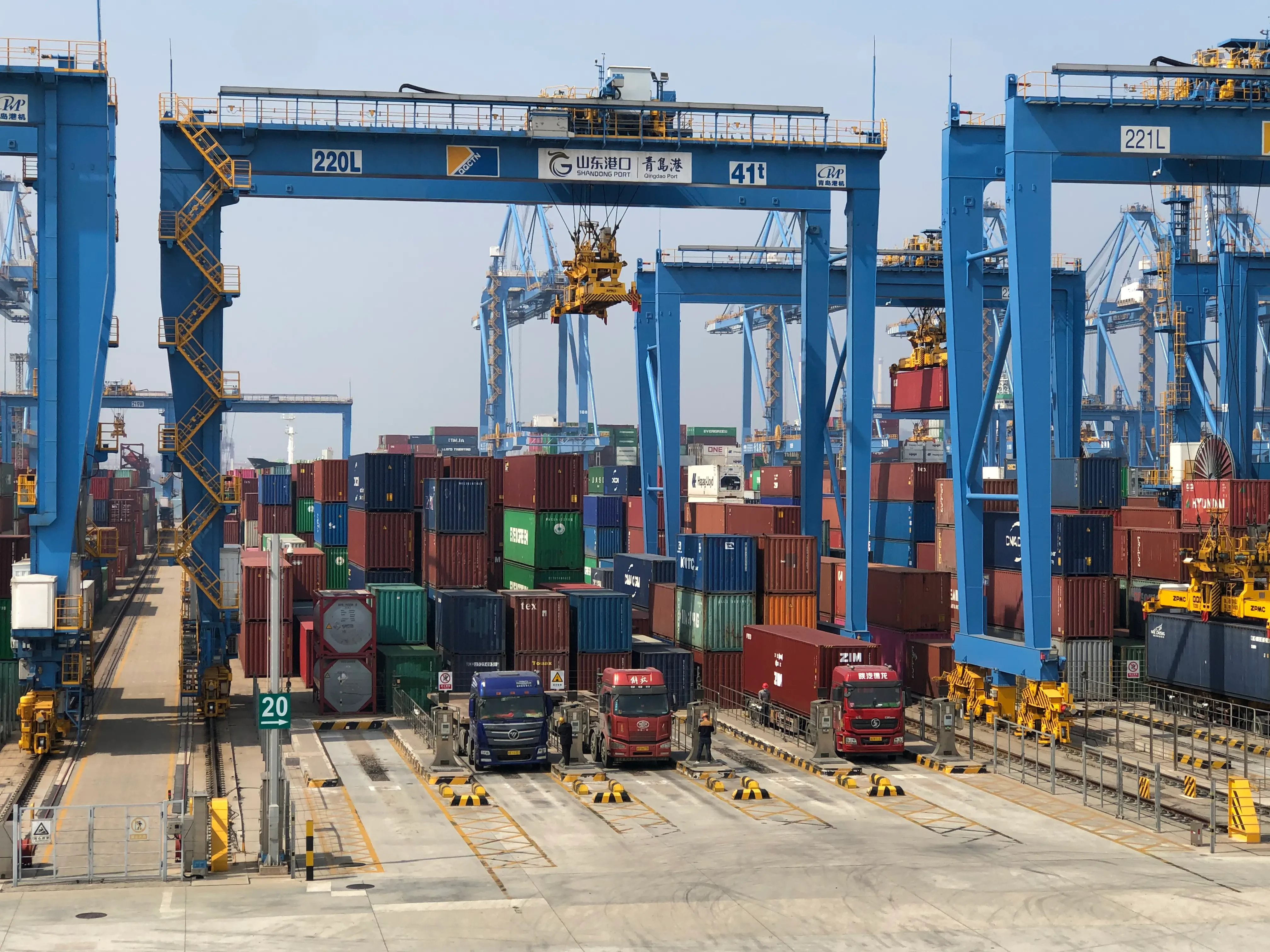
At the start of each shift, you check your container gantry crane. You look for worn parts, loose bolts, and broken cables. You test the brakes and all controls. You make sure safety interlocks are working. These systems stop unsafe moves. They keep you from working in the wrong areas. You check sensors for wind, load, and angle. You make sure alarms and emergency stops work fast. Doing these checks helps prevent accidents. It keeps your crane ready for safe use.
Tip: Always use a checklist before you start. This habit keeps you safe and confident.
Positioning and Alignment
You work on placing the crane and lining up the spreader. You use guides, cameras, and sensors to help. You watch for load sway and strong wind. You move the crane slowly to keep the load steady. You use special alignment tools for better accuracy. The table below shows which tools help with positioning:
|
Technology Type |
Description |
Benefits |
|---|---|---|
|
Active control systems that manage load movement in real time. |
Reduces pendulum motion, increases handling speed, and improves safety. |
|
|
Automation Systems |
Integration with automated control systems and terminal management software. |
Enhances efficiency, reduces human error, and allows for semi-automatic or fully automatic operation. |
You use anti-sway technology to stop swinging. You use automation systems to avoid mistakes and work faster. You keep the load steady and put it in the right spot.
Anti-Sway and Control Systems
You use anti-sway and control systems to stop swinging. Hydraulic sway damping systems slow down the load. Electronic anti-sway systems use smart controls to stop sway. These systems keep the load from moving too much. Some cranes use special winches to stop spinning. Closed-loop systems use feedback to fix for wind and other forces. You trust these systems to help you work safely.
-
Hydraulic sway damping systems slow the load.
-
Electronic anti-sway systems use smart controls to stop sway.
-
Closed-loop systems fix for wind and keep loads steady.
-
Safety interlocks stop unsafe moves and cut down on mistakes.
These systems make your job safer and easier. You use them to place loads in the right spot every time.
Operator Training and HMI
You get better at your job with training. Simulation training lets you practice safety steps with no risk. You learn what to do in emergencies and build good habits. You use the Human-Machine Interface (HMI) to see alarms and crane status. The HMI gives you clear pictures and warnings. You follow the steps to stay safe and accurate. You feel more sure of yourself with these best practices.
-
Simulation training builds your skills and confidence.
-
You practice safety steps in a safe place.
-
HMI gives you alarms and instructions for each job.
Note: Training and HMI help you land containers right, even when things change.
You also get help from CEGC’s custom options. You pick energy-saving systems, automatic controls, and strong materials. You choose the right size and lifting power for your job. You add anti-collision and overload protection. You connect your crane to terminal systems for smooth work. The table below shows the benefits you get:
|
Benefit |
Description |
|---|---|
|
Upgrading systems to use less power while maintaining performance, including variable-frequency drives and regenerative systems. |
|
|
Automation |
Incorporating automatic controls and electric or hydraulic hoists for improved precision and ease of use. |
|
Scalability |
Customizing size and lifting capacity to meet specific operational needs. |
|
Integration |
Compatibility with terminal operating systems for streamlined operations. |
|
Durability |
Choosing strong, rust-resistant materials and coatings to enhance longevity and reduce maintenance. |
|
Safety Features |
Adding anti-collision systems and overload protection to ensure safe operations. |
You follow these best practices and use these tools to do your job well. You make your work safer, faster, and more accurate every day.
Environmental and Site Factors
Wind and Weather
You always need to check the weather before using a container gantry crane. Wind can make your job harder and less safe. If the wind is strong, you might have to stop working. Gusts of wind can push the load and make it swing. This makes it hard to put containers in the right place. You should check how fast and which way the wind is blowing before you start. Many terminals use wind sensors and alarms to help you know when to stop.
-
Strong wind can make you stop using the crane.
-
Sudden wind gusts can make the load swing and hit things.
Other weather can also change how the crane works. You should know how temperature, humidity, and salty air can affect the crane. The table below shows what happens with different weather:
|
Environmental Factor |
Impact on Crane Performance |
|---|---|
|
High Temperature |
Electrical parts can get too hot, cooling does not work as well, and fluids break down faster. |
|
Low Temperature |
Batteries lose power, materials can break, and oil does not work well. |
|
Rain and Humidity |
Brakes do not work as well, more electrical problems, and rust happens faster. |
|
Marine Environment |
Salt in the air causes more rust, so you need better coatings and more care. |
Visibility and Lighting
You need bright lights to work safely and see well. LED floodlights help you see under the crane. Lights on the trolley help you look inside ship holds and container stacks. Warning lights make the crane easy for others to see. Good lighting helps you avoid mistakes and keeps everyone safe. Always check your lights before you start to make sure you can see in any weather.
Equipment Reliability and Maintenance
Regular Inspections
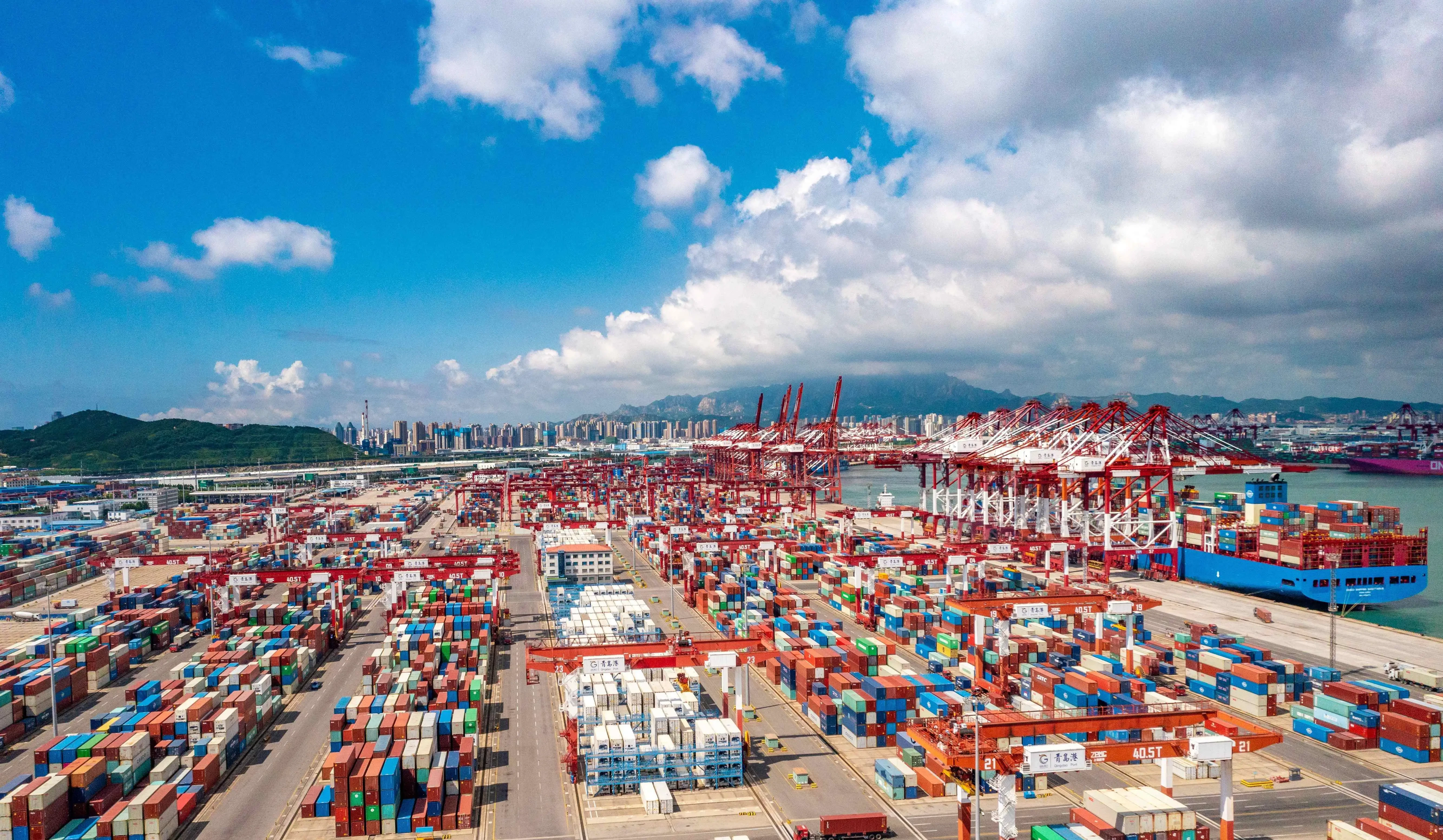
You keep your container gantry crane working well by checking it a lot. Regular checks help you find problems before they stop your work. You look for worn parts, loose bolts, and broken cables. You also check the brakes, sensors, and safety systems. When you inspect your crane, you:
-
Find risks early and fix them before they get worse.
-
Lower the chance of sudden breakdowns and lost time.
-
Help your crane work better every day.
-
Make a maintenance plan that fits your crane and port.
Tip: Always use inspection checklists every shift. This habit keeps your equipment safe and ready to use.
Predictive Maintenance
You can use predictive maintenance to help your crane last longer. This system uses sensors to watch for problems in real time. You get alerts before something breaks down. You can plan repairs when it works best for your team. With predictive maintenance, you:
-
Plan maintenance so you do not waste time or money.
-
Keep your crane running well for more years.
CEGC gives you predictive maintenance tools to track your crane’s health and act fast.
Marine Durability
Salt, humidity, and bad weather can hurt your crane. You need marine-grade protection to keep your equipment strong. The table below shows how you can protect each part of your crane:
|
Component |
Exposure Level |
Recommended Measures |
Inspection Frequency |
|---|---|---|---|
|
Steel Surfaces |
High |
Use marine-grade epoxy coatings, galvanizing, or zinc primers. |
Check once a year; reapply every 2-3 years |
|
Joints and Bolts |
Medium |
Use anti-corrosion grease and stainless steel fasteners. |
Check every 6 months; grease once a year |
|
Cables and Pulleys |
High |
Use wire rope lubricants and plastic covers. |
Check every 3 months; lubricate every 3-6 months |
|
Hydraulic Systems |
Medium |
Make sure covers are good and replace rusty parts. |
Check every 6 months; replace rusty parts right away |
|
Electrical Components |
High |
Use waterproof boxes and spray with silicone or corrosion blockers. |
Check every 3 months; spray every 6 months |
|
Crane Boom and Load-bearing Arms |
High |
Use marine paint and clean surfaces often. |
Check once a year; repaint every 3-4 years |
|
Deck Mounts and Base Plates |
Medium |
Make sure water drains and use rust-proof paint. |
Check once a year; repaint as needed |
CEGC’s protection package gives you the right coatings, materials, and service plans for your port. You keep your crane safe from the sea and ready for heavy work.
Integration and Workflow Optimization
Motion Coordination
You can help your container gantry crane work better with good motion coordination. When you use automation, the crane moves faster and more accurately than people. This saves time because there are fewer extra moves. The crane stays on the best path. You can move more containers each day. This helps your port stay ahead of others.
-
Automation helps your crane do jobs quickly and the same way each time.
-
You cut out wasted moves, so cycle times get shorter.
-
Your port can move more containers, which improves your results.
You also need to match the work of quay cranes, AGVs, and stacking cranes. When you plan these machines together, everything keeps moving well. This teamwork stops slowdowns and keeps your operation strong.
Workflow Integration
You get the best results when your crane works with the whole terminal system. Good planning and sharing real-time data help you avoid problems. You can connect yard plans with ship schedules and truck arrivals. This makes your workflow smooth and easy to change.
-
Digital systems help you plan better and make smart choices.
-
Real-time data stops delays and helps you react fast.
-
Linking yard, vessel, and transport schedules keeps your port moving.
CEGC gives you automation, data output, and analytics. You can track important numbers to make your operation better:
|
Description |
|
|---|---|
|
Equipment Uptime |
Shows how reliable your machines are. |
|
Truck Throughput |
Measures how many trucks you move. |
|
Average Truck Idle Time |
Finds delays and helps you fix slow spots. |
|
Real-time Weather |
Keeps you safe and helps you plan. |
|
Vessel Tracking Data |
Lets you know when ships will arrive. |
|
Operator Feedback |
Gives you tips from your team. |
|
Contextual Analysis |
Helps you see how the environment affects your work. |
You use these tools to make smart choices and keep your port working its best.
You make your work safer and faster by using precision landing best practices. Advanced anti-sway systems help keep loads steady and make your job easier. These systems help you work safely. They let you see problems right away. Smart controls cut down on load sway.
-
Loads stay steady, so work is safer.
-
Real-time monitoring helps you find problems quickly.
-
Smart controls lower sway and make work smoother.
|
Benefit |
Description |
|---|---|
|
Reduce berth times |
Loading and unloading goes faster. |
|
Automation and better controls help operators. |
|
|
Long-term cost savings |
You move more containers and spend less money. |
Pick CEGC for container gantry crane solutions you can trust. Your team stays safe, works well, and is ready for anything.
FAQ
What is the main benefit of using anti-sway systems on a container gantry crane?
You can place containers safer and faster. Anti-sway systems help you control how the load moves. This lowers the chance of accidents.
How often should you inspect your container gantry crane?
You need to check your crane before every shift. Regular checks help you spot problems early. This keeps your equipment safe to use.
Can CEGC cranes work in harsh marine environments?
Yes, they can. CEGC makes cranes with strong coatings and tough materials. These cranes last in salty, wet, or windy places.


