
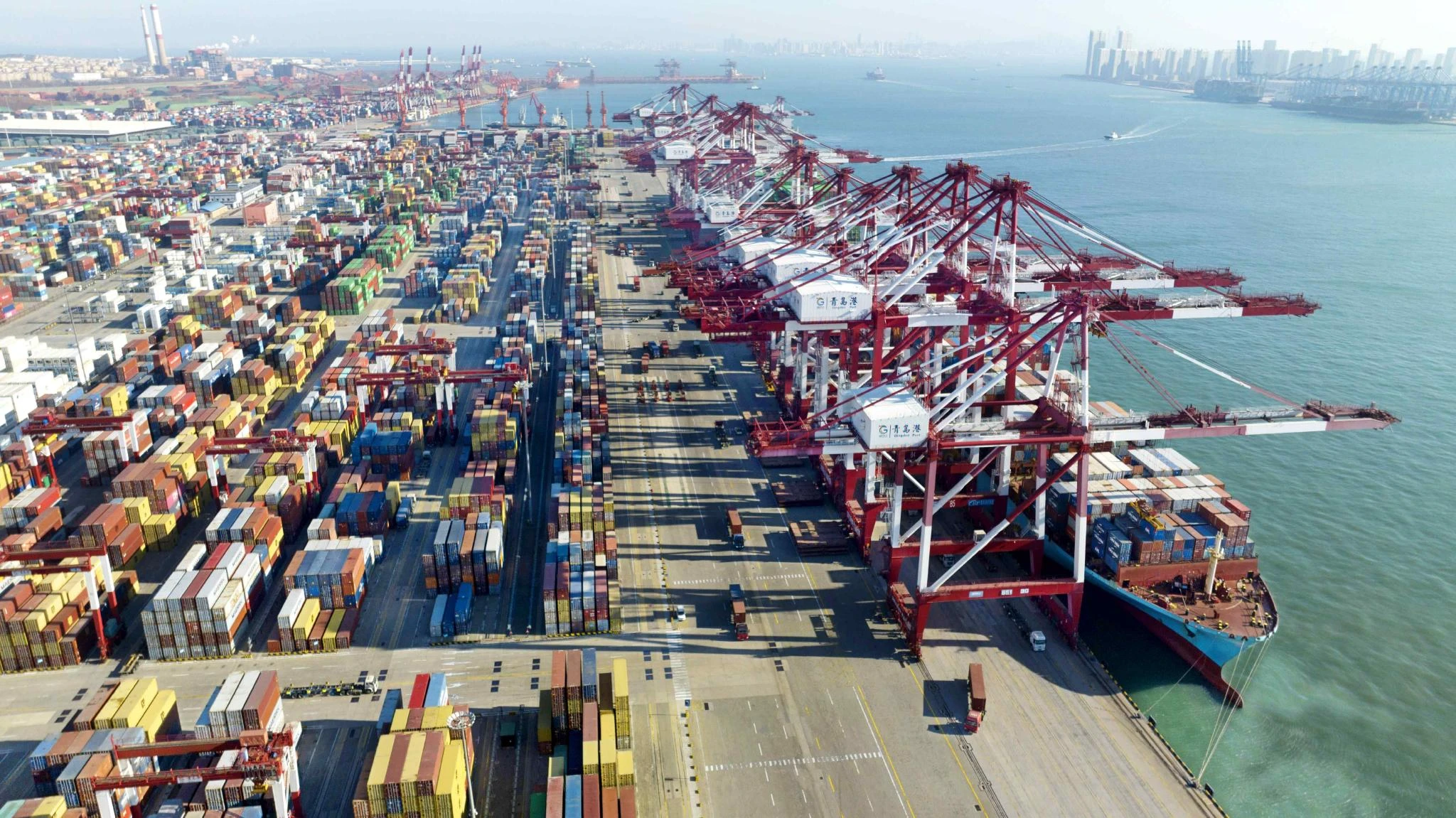
You need the right sensors for ship crane positioning in wind: what sensors matter. Some sensors are very important for ensuring safety and efficiency. Utilize anemometers, load sensors, angle sensors, GPS sensors, and motion sensors. These sensors help maintain safety and enhance operational performance. CEGC manufactures high-quality sensors specifically designed for ship crane positioning in wind. Wind and load sway can complicate precise positioning, but the right sensors significantly lower risks and improve handling accuracy.
-
Essential sensors for ship crane positioning in wind:
-
Anemometers
-
Load sensors
-
Angle sensors
-
GPS sensors
-
Motion sensors
-
Sensors help you control ship crane positioning in wind and make cargo handling safer, ensuring optimal performance in challenging conditions.
Key Takeaways
-
Use anemometers to check wind speed and direction. This helps keep crane work safe when it is windy.
-
Add load and angle sensors to watch cargo weight and crane position. These sensors stop accidents by giving real-time data.
-
Use GPS and dynamic positioning sensors to track the crane and load. This makes work better and helps avoid mistakes.
Wind impact on ship crane positioning
Safety risks and load sway
When you use a ship crane in strong wind, there are many safety risks. Wind speed can change fast and make the load swing. This swinging can cause accidents if you do not control it. High wind speed can make the crane unstable. The load might move in ways you do not expect. You must always check wind speed. Sudden wind gusts can surprise you and make things more dangerous. Wind speed also changes how the crane and load stay balanced. If the wind gets too strong, you need to stop working to keep everyone safe. Always check wind speed before you lift anything. Wind can blow dust or trash and make it hard to see. When you cannot see well, you might make mistakes. You need anemometers to measure wind speed and follow safety rules. Wind speed is very important for safe crane work.
Here is how wind speed and direction affect crane operations:
|
Factor |
Impact on Crane Operations |
|---|---|
|
Wind Speed |
High winds can make crane work harder and less safe. It can also make it tough to put things in the right place. |
|
Wind Direction |
Some wind directions can be more dangerous when loading or unloading. |
|
Weather Monitoring Systems |
Good data helps you know when it is safe to use the crane. |
Operational challenges in wind
Working with ship cranes in wind brings many problems. Wind speed can change quickly and make the load hard to control. You have to change your controls often to match the wind. Wind can slow down your work because you must be careful. If the wind gets too strong, you may need to stop and wait. Wind can also make loading and unloading take longer. You must watch wind speed to keep everyone safe. Wind can make it hard to put containers in the right spot. You need sensors to check wind speed and help you decide what to do. Wind can also change when you do your work. You might have to change your plans if the wind is too strong. Wind is always a problem, but you can handle it with good tools and training.
-
Strong wind can make cranes unstable and cause the load to swing.
-
Wind pressure can change how the crane and load stay balanced.
-
Dust or trash in the wind can make it hard for you to see.
-
Sudden wind gusts can make things more dangerous very fast.
-
You should stop using the crane if the wind is too strong.
-
Important safety steps are using anemometers and following shutdown rules.
Essential sensors for ship crane positioning in wind
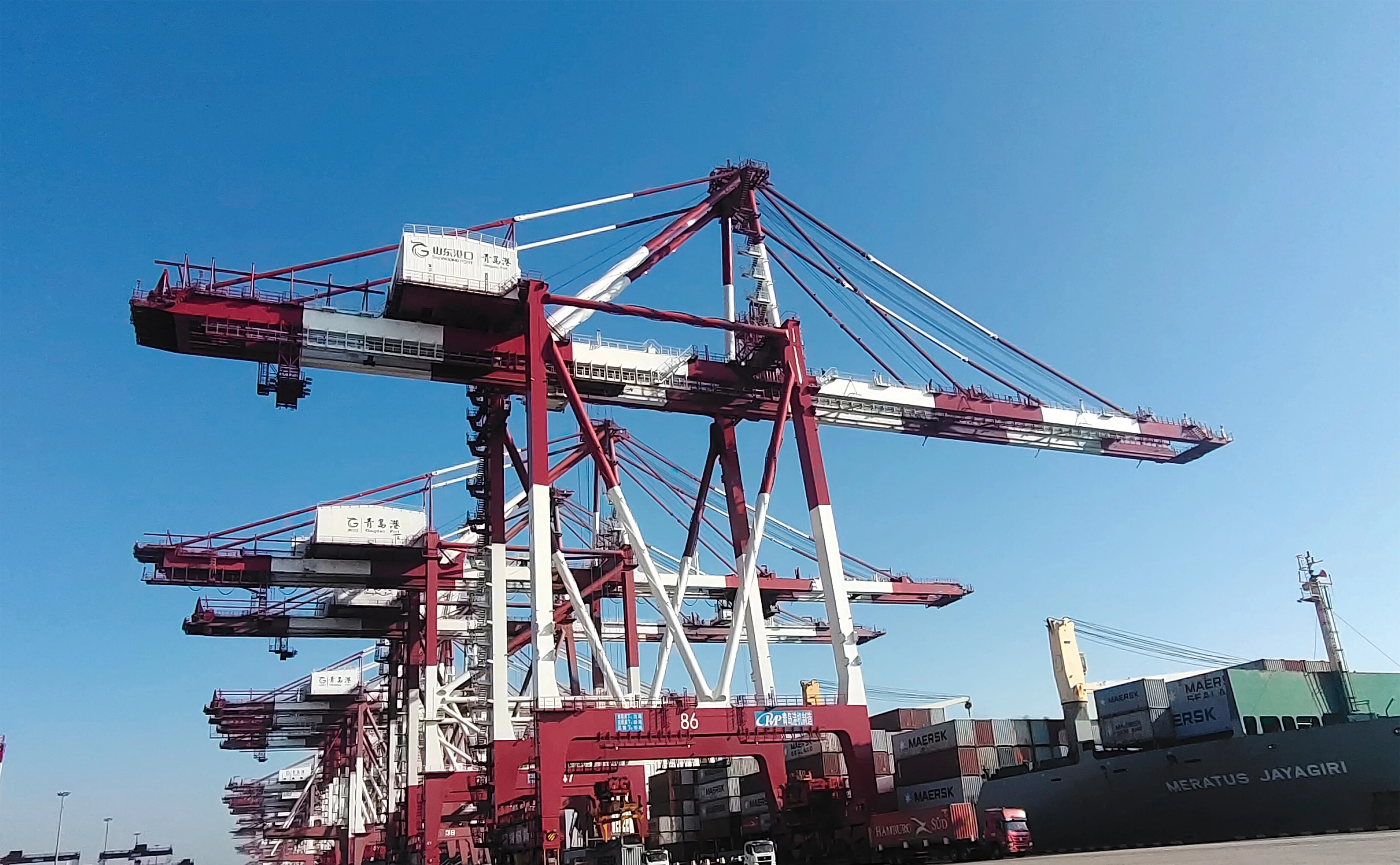
You need the right sensors to keep crane work safe and accurate in wind. These sensors help you control where the crane goes. They lower risks and make your work faster. You use them with portal cranes, container cranes, cargo cranes, and other equipment. Let’s see which sensors help you do your job.
Anemometers and wind sensors
Anemometers and wind sensors measure wind speed and direction. You use these sensors to get real-time information about the weather. Wind can change fast when you use a ship crane. These sensors tell you what is happening so you can make good choices. If the wind gets too strong, you can stop lifting. You can also change how you move the crane to keep the load steady. Many rules say you must use wind sensors for safe crane work. Most cranes are safe at wind speeds between 20 and 30 mph on land. Marine cranes work at about 13 to 18 knots offshore. Anemometers help you follow these limits. You check wind sensors often to avoid mistakes and keep your team safe. These sensors also help you plan your work and save time.
Tip: Always check your wind sensors before you start lifting. This keeps your crane work safe and efficient.
Load and angle sensors
Load sensors measure how heavy the cargo is and if it is balanced. Angle sensors track where the boom is and how the crane is turned. You need these sensors to keep your crane’s position correct. If the load moves or swings, load sensors notice right away. The system can sound alarms or slow down the lift to stop accidents. Angle sensors help you avoid tipping or unsafe moves, especially in strong wind. You get real-time information about the crane’s position and direction. This helps you keep the load steady and avoid crashes. Anti-sway systems use load and angle sensors to control movement and stop swinging. You can trust these sensors to help safety systems and guide crane operation for container gantry cranes, ship loaders, and cargo cranes.
-
Load sensors check weight and center of gravity.
-
Angle sensors watch boom angle and length.
-
Both sensors work together to keep crane work stable.
GPS and dynamic positioning sensors
GPS sensors and dynamic positioning sensors give you exact location information. You use these sensors to know where your crane and load are all the time. Dynamic positioning systems use GPS, position reference sensors, and position measuring systems to keep the crane in the right spot. You can move containers with high accuracy, even if the ship or platform moves. These sensors help you avoid crashes and put cargo in the right place. For tracking container vessels, offshore platform work, or loading shipping containers, you need good dynamic positioning. These systems also help with automation and remote control. You get better accuracy and faster work with advanced positioning systems.
|
Sensor Type |
Main Function |
Benefit for Crane Operation |
|---|---|---|
|
GPS Sensors |
Give position and heading info |
Make crane work more accurate and safe |
|
Dynamic Positioning |
Keep crane and load in place |
Lower mistakes and save time |
|
Position Reference |
Help positioning systems |
Allow automation and analytics |
Motion and tilt sensors
Motion and tilt sensors notice changes in movement and angle. You use these sensors to watch the crane’s motion and the tilt of the spreader or boom. If the load starts to swing or the crane tilts too much, these sensors warn you right away. You can fix the problem before it gets dangerous. Motion sensors work with safety systems to stop the crane if something is wrong. Tilt sensors help you keep the load level and stop accidents. These sensors are important for anti-sway systems and operator guidance. You get real-time information that helps you act fast and keep crane work safe. For reach stacker forklifts, ship loaders, or building loading docks, motion and tilt sensors add extra protection.
-
Inclinometers on the spreader show the angle in real time.
-
Safety systems use these sensors to find unsecured containers.
-
You stop accidents and delays by acting on sensor warnings.
You need all these sensors to build a complete safety and positioning system. They work together to give you accuracy, stability, and control for every crane job. CEGC offers standard sensors and custom solutions for all port machines. You can trust these systems to help anti-sway, safety systems, and operator guidance for every project.
Sensor integration and dynamic positioning solutions
Anti-sway and safety control systems
You need sensors to help your ship crane work safely. These sensors include motion reference units, load moment indicators, and wind sensors. They all work together to give you real-time data. This data tells you about wind speed, load weight, and crane angle. When you use dynamic positioning systems, you mix these sensors to see everything clearly. This helps you put the crane in the right spot. Anti-sway systems use real-time data from sensors to find and fix load sway. Friction sway control and automatic braking can stop dangerous movement fast. Integrated vehicle systems use feedback to keep the load steady. You do not have to work as hard. Safety control systems use force measurement sensors and custom load pins. These tools watch for overloads and help stop crashes. The systems can slow down or stop the crane if it gets too close to something. You get safety management that works before problems happen. This means less downtime and safer equipment.
Real-time data and automation
Real-time data from sensors helps machines in ports work better. You use this data to track where the crane is and check the load. You can also change how the crane moves right away. Automated scheduling systems use real-time data to plan docking and shipping. This helps stop delays. Robotic cranes and cargo handlers use real-time data to make fewer mistakes. This makes work faster and safer. Motion reference units and dynamic positioning systems give you updates all the time. You always know where your crane and load are. Predictive maintenance uses real-time data to find problems early. Condition-based monitoring helps you plan repairs and avoid surprise breakdowns. Real-time monitoring also helps save energy and lower costs. CEGC has sensors you can change to fit your needs. These sensors work well in any place. You get real-time data, better positioning, and automation. This keeps your port running smoothly.
You use sensors to make crane work safe in wind. Pick sensors that match your job. Put them in the best spots. Check and fix sensors often so they work well.
Wind compensation works best with the right sensor and placement.
If you ignore sensor data, things can go wrong. Integrated systems help you stop errors.
FAQ
What sensors do you need for safe ship crane operation in wind?
You need anemometers, load sensors, angle sensors, GPS, and motion sensors. These help you keep the crane stable and safe.
How do sensors help prevent accidents?
Sensors give you real-time data. You can stop the crane or adjust movement before accidents happen.
Can you use CEGC sensors on any port machinery?
Yes. You can use CEGC sensors on portal cranes, container cranes, cargo cranes, and reach stackers. You get custom options for your project.


