
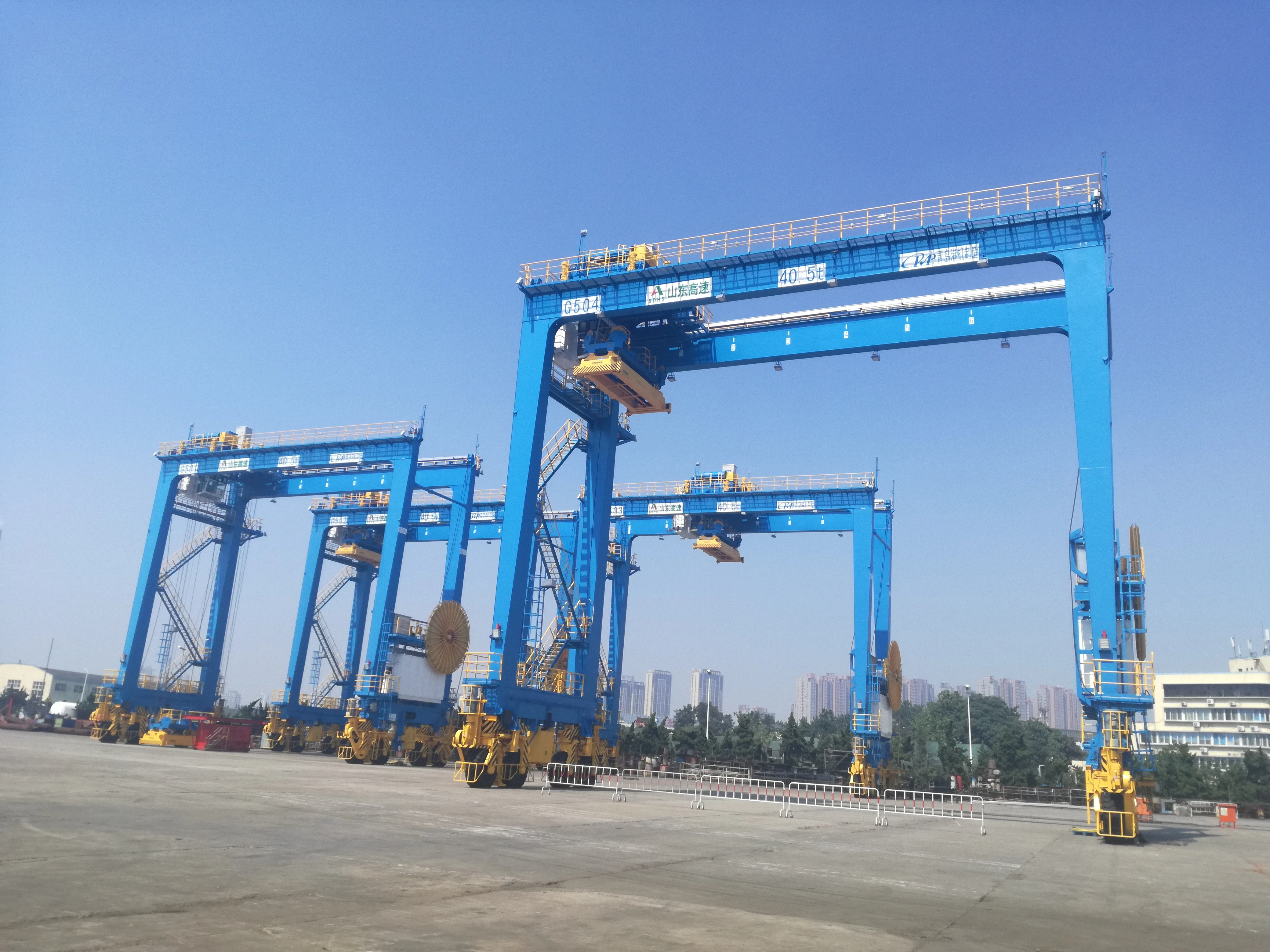
You can make container crane throughput much better by working on hoist and trolley moves. New control systems and automation help fix problems like load sway, safety, and uneven cycle times.
-
You might get 10–18% more throughput with better strategies than with old ways. CEGC gives solutions that meet market standards for Container crane throughput: optimize hoist and trolley.
Key Takeaways
-
Making hoist and trolley moves better can raise container crane throughput by 10-18%. Use better plans to make work faster and smoother.
-
Add anti-sway and safe lifting control systems to cut down load swinging by 95%. This makes things safer and keeps work steady.
-
Use automation and real-time data to make cargo handling easier. Automated systems help lower waiting times and make throughput better.
Container crane throughput: optimize hoist and trolley
Hoist and trolley mechanics in container handling
You can make container crane throughput better by learning how hoist and trolley work. These systems help move containers fast and safely from ships to the dock. Hoist speed and trolley acceleration are important for finishing each cargo cycle quickly. If you control these moves well, you have fewer delays and keep your port busy.
How you use hoist and trolley mechanics changes every part of container handling. If you move the trolley too fast or without care, the load might swing. This swing can slow things down and make accidents more likely. Using advanced control systems keeps the load steady and makes cargo handling better. It also helps quay teams, ship crews, and landside operators work together. This teamwork lowers turnaround times and keeps everything running smoothly.
You should also know the usual mechanical specs for hoist and trolley systems. These specs help you pick the right equipment for your cargo needs. Here is a table that shows common classifications:
|
Organization |
Duty Classification |
Description |
|---|---|---|
|
HMI |
H1 |
Standby or infrequent usage |
|
HMI |
H2 |
Light service |
|
HMI |
H3 |
General service, running up to 25% of the work period |
|
HMI |
H4 |
High volume of heavy loads |
|
HMI |
H5 |
Heavy service to approach continuous service |
|
FEM |
1Dm/1Cm |
Standby or infrequent usage |
|
FEM |
1Bm |
Light service |
|
FEM |
1Am |
Light to medium service |
|
FEM |
2m |
Medium to heavy service |
|
FEM |
3m |
Heavy service |
|
FEM |
4m/5m |
Severe service |
|
ASME |
H1 |
Standby or infrequent usage |
|
ASME |
H2 |
Light service |
|
ASME |
H3 |
General service, running up to 25% of the work period |
|
ASME |
H4 |
High volume of heavy loads |
|
ASME |
H5 |
Heavy service to approach continuous service |
|
CMAA |
Class A |
Standby or infrequent usage |
|
CMAA |
Class B |
Light service |
|
CMAA |
Class C |
Moderate service |
|
CMAA |
Class D |
Heavy service |
|
CMAA |
Class E |
Severe service |
|
CMAA |
Class F |
Continuous severe service |
When you pick a container crane or other equipment from CEGC, you can match your needs to these classes. This helps you get the best performance for your cargo work.
Anti-sway and safe lifting control systems
You face many problems in cargo handling, like load sway, crashes, and different operator skills. Anti-sway and safe lifting control systems help fix these problems and make container crane throughput better.
-
Anti-sway control can cut swinging by at least 95%. This means the sway angle stays under 0.2 degrees.
-
These systems use sensors to watch load position and movement. The controllers change motor commands right away to stop sway.
-
Advanced controllers and variable speed technology make cargo handling safer and faster.
-
Anti-sway systems help you put containers exactly where you want them.
You also get help from safety lifting control systems. These systems have overload protection and anti-collision tech. They watch your crane and can step in to stop danger. This lowers accident rates and keeps your team safe. When you use CEGC’s solutions, you get safety interlocks, clear alarms, and guided operation. This makes cargo handling more steady and reliable.
Tip: Using anti-sway and safe lifting control systems makes things safer and helps you keep steady throughput, even when you work fast.
Motion coordination for cycle-time optimization
You can make container crane throughput even better by working on motion coordination. When you match hoist, trolley, and gantry moves, you cut down on wasted travel and avoid extra stops. This keeps your cargo cycles quick and steady.
Automation helps you deal with different operator skills. Real-time monitoring and warning systems tell you about obstacles. Collision avoidance can slow or move your crane to stop crashes. This helps prevent mistakes and keeps cargo handling safe.
Motion coordination technology also makes workflow better. Your crane can work well with other terminal parts, like transfer vehicles and yard gear. This cuts down on waiting and bottlenecks, so you keep throughput high.
You can trust CEGC’s solutions to give you good motion coordination, speed profiles that fit the load, and workflow integration. These features help you keep cycle times steady and get the most out of your port.
Note: By making motion coordination better, you not only make things safer and faster but also help your cargo handling stay strong in today’s busy ports.
Automation and integration in container handling
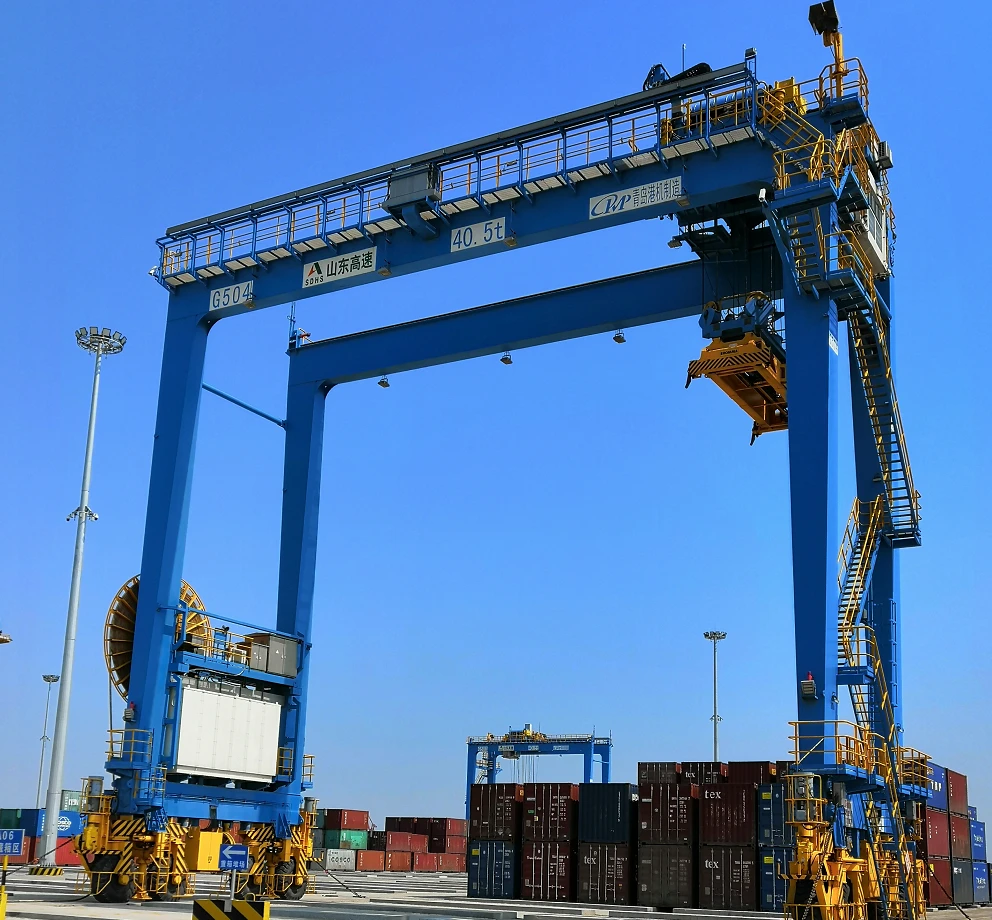
Automated positioning and real-time data
You can make container handling better with automated positioning and real-time data. RMG cranes that work automatically help cut down waiting time. They also make cargo handling faster. Smart container recognition lets you put containers in the right spot quickly. Many ports use sensors and machine learning to get real-time data. This data helps you make good choices and keeps cargo moving well. Automated terminals use digital twin technology to copy real operations and stop traffic jams. When you use these systems, you get more throughput and safer cargo handling.
Workflow integration with terminal logistics
Terminal operating systems are the main control for container handling. They take care of ship schedules, cargo moves, and yard plans. Real-time data links these systems with others like WMS and ERP. This helps teams work together and makes fewer mistakes. You get help from automated planning and scheduling. This makes cargo handling easier and keeps port throughput high. Digital systems and AI tools help you plan jobs and use resources well. The table below lists best ways to join workflows:
|
Best Practice |
Description |
|---|---|
|
Pre-arrival Planning |
Assign cranes and check stowage to prevent delays. |
|
Real-time Data Exchange |
Update all units with current conditions to avoid bottlenecks. |
|
Integrated Digital Systems |
Consolidate planning for better decisions based on workloads and demand. |
|
AI-driven Optimization |
Use algorithms for stacking and yard layout to improve retrieval efficiency. |
|
Dynamic Resource Management |
Adjust equipment and staff based on real-time constraints and peak demands. |
Predictive maintenance and energy efficiency
You can keep cargo handling steady by using predictive maintenance. Sensors watch crane systems, and machine learning finds problems early. You fix things when traffic is low, so you have less downtime. Energy-saving upgrades like variable-frequency drives and regenerative systems lower costs. Smart standby modes save power when cranes are not working. The table below shows ways to save energy:
|
Upgrade Type |
Benefit |
|---|---|
|
Variable-frequency drives |
Use less energy, start smoothly |
|
Regenerative systems |
Save energy when braking |
|
Intelligent standby modes |
Use less power when not working |
Marine durability and lifecycle protection
Container handling equipment must work in tough marine places. You need cranes made with strong steel, special coatings, and tough parts. Terminal operating systems help you track repairs and follow rules. Protective coatings and stainless steel parts stop rust and help cranes last longer. CEGC lets you pick features for size, power, and anti-corrosion. You can choose what fits your project and keep cargo handling strong for a long time.
You can move more containers if you make hoist and trolley moves smoother. Anti-sway technology helps stop loads from swinging. Automation lets machines do some jobs by themselves. Safety systems keep workers safe and help you work faster. Workflow integration helps teams work together better. CEGC gives you solutions that meet market standards. Check your current systems often. Make plans to upgrade so your port stays ahead.
FAQ
How does anti-sway technology help you?
Anti-sway technology keeps loads from swinging. You can move containers quickly and safely. This lowers accidents and helps your team do a better job.
Can you customize CEGC container cranes for your port?
Yes! You can pick the size, power, and anti-corrosion features. CEGC will match what your project needs.
-
Choose what works best for your terminal
-
Get performance that meets market standards
What is the main benefit of automation in container handling?
Automation helps you handle more containers with fewer mistakes. You save time and make things safer.
|
Benefit |
Result |
|---|---|
|
Faster cycles |
More cargo |
|
Fewer errors |
Safer work |


