
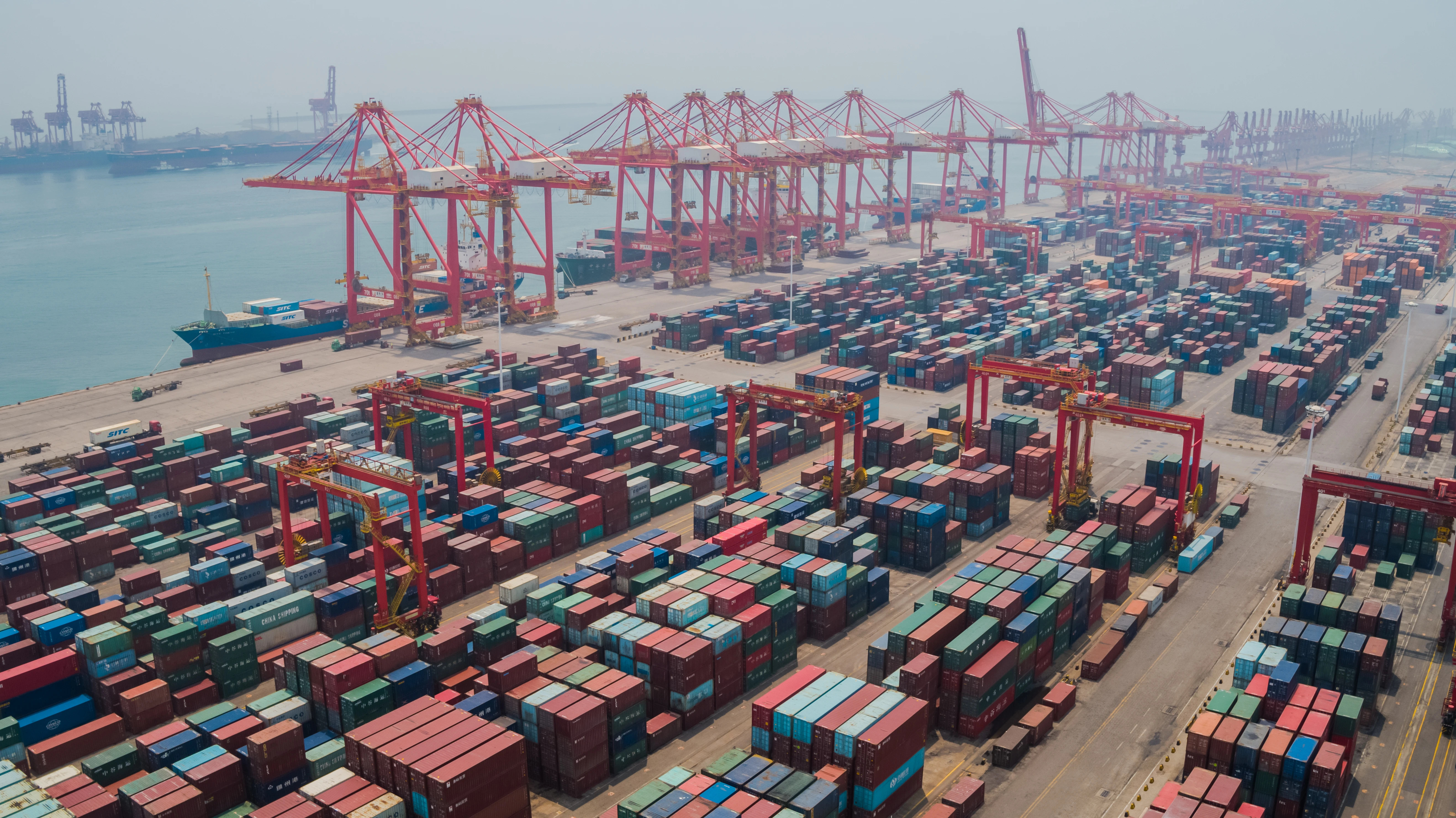
If you want your container gantry crane to cut twin lift idle time, CEGC delivers the solution. Reducing twin lift idle time means your container gantry crane spends less time waiting and more time moving containers, directly improving operational efficiency. Idle time—when the crane is not working—can reach up to 40% of total operating hours, leading to lost productivity and higher costs. It can also introduce safety risks. CEGC addresses these challenges with advanced anti-sway systems, optimized motion coordination, and predictive maintenance, all designed to help your container gantry crane cut twin lift idle time.
By focusing on cutting twin lift idle time, you empower your team and port to achieve higher throughput and smoother operations. Terminal operators and port authorities benefit from reduced waiting times, while the overall workflow becomes faster and more cost-effective. Making it a priority for your container gantry crane to cut twin lift idle time means every job is completed more efficiently, saving both time and money.
|
Evidence Type |
Description |
|---|---|
|
Idle Time Impact |
Idle time for container handling equipment can be up to 30–40% of all work hours in some places. |
|
Operational Efficiency |
Using equipment better helped some ports finish faster, with some cutting ship time in port by up to 25%. |
According to UNCTAD, ports that optimize their equipment—such as using a container gantry crane to cut twin lift idle time—see significant benefits, including faster ship turnaround. Some terminals have reduced ship time in port by 25% through improved operational practices. With CEGC, your container gantry crane can cut twin lift idle time and set a new standard for port performance.
Key Takeaways
-
Cutting twin lift idle time makes work faster. Less waiting lets workers move more containers and saves money.
-
Use real-time data to make better schedules. This helps cranes and trucks work together and cuts idle time a lot.
-
Use predictive maintenance to stop breakdowns before they happen. Keeping cranes working well means less downtime and more work done.
Twin lift idle time: impact & pain points
What is twin lift idle time?
Twin lift idle time happens when the crane is not moving, even though it could lift two containers at once. This idle time shows up when there are delays in loading, unloading, or waiting for trucks. In a busy terminal, every minute the crane waits means less work gets done. If idle time keeps happening, the terminal slows down and costs go up. Good quay crane scheduling helps cut idle time and keeps the equipment working.
|
Key Factor |
Impact on Crane Idle Time |
Impact on Throughput |
|---|---|---|
|
Efficient AGV Transport |
Reduces sharply |
Increases significantly |
|
Slow AGV Cycles |
Creates queues |
Blunts tandem lift advantage |
Quay crane scheduling is important for cutting idle time. When cranes and trucks are matched well, there are no long lines and work keeps moving. Research shows that better truck timing can help cranes move 3 to 3.5 more boxes each hour. This means less idle time and more containers moved faster.
Why efficiency matters for container gantry cranes
You want your terminal to work well. High idle time means ships stay longer and costs get higher. If you make quay crane scheduling better, ships can leave sooner. For example, using one more crane can make a ship leave 9.4 hours earlier. This helps your terminal work faster and be more dependable.
There are other problems too, like load sway, risk of crashes, changes in cycle time, rust, and downtime. These problems make idle time worse and cost more money. CEGC gives you standard features and custom options, so your equipment fits your needs. When you control idle time, you move more containers and keep your terminal strong.
Real-time optimization & scheduling strategies
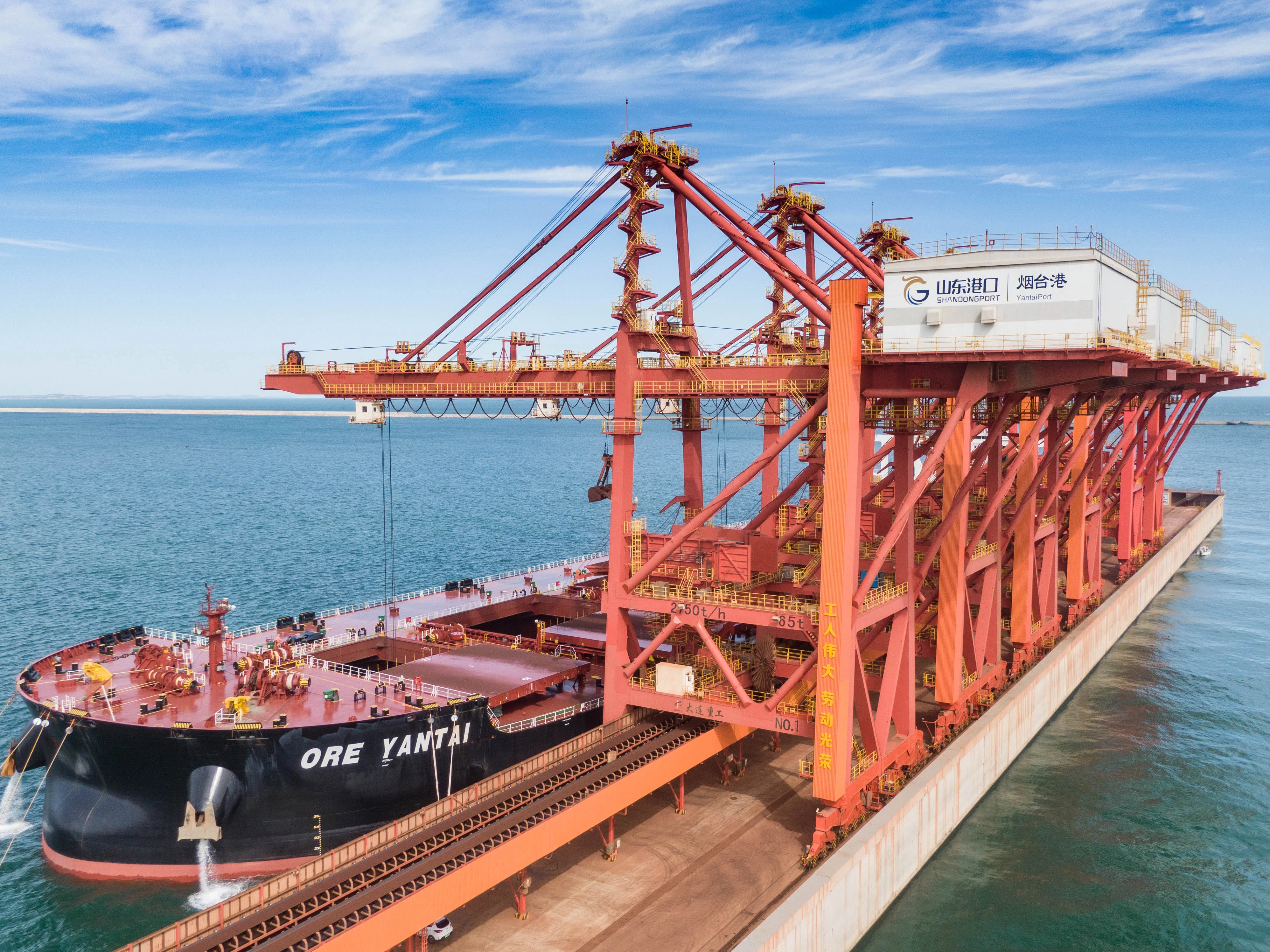
Real-time data integration for container gantry cranes
You can make your terminal work better by using real-time data. This technology helps your container gantry crane react to changes right away. When cranes connect to real-time data, you see ship schedules and equipment status fast. You also know what is happening in the yard at all times. This helps you make quick choices and stop delays. Real-time updates match crane moves with truck arrivals, so cranes do not wait as much.
These systems help you run things better by letting you change plans as needed. You can see when a ship comes, when a truck is ready, or if a crane needs fixing. This clear view helps you plan every move and cut idle time. You also use your equipment more, which means you get more done.
Modern container gantry cranes use new technology to watch and collect data all the time. Here is a table that shows some top technologies and how they help:
|
Technology Type |
Application in Gantry Crane Operations |
|---|---|
|
IoT Integration |
Makes things safer by watching equipment and the area in real time. |
|
Sensor Technologies |
Checks load weight, wind, and people nearby to stop accidents. |
|
Advanced Analytics |
Looks at old data to help make smart choices and learn more. |
|
AI and Digital Twins |
Tests and improves crane moves before trying them for real. |
|
Blockchain Technology |
Keeps data safe and easy to track during container moves. |
When you use these tools, you get updates right away. This helps you find problems early and keep cranes working. You spend less time waiting and move more containers each shift.
Scheduling and dispatching for twin lift efficiency
Scheduling is very important for crane work. When you use smart scheduling, every crane, truck, and handler works together. Good scheduling means cranes do not wait for trucks, and trucks do not wait for cranes. This keeps work moving and helps you get more done.
You can use computers and real-time data to make scheduling better. These systems look at ship arrivals, yard space, and where trucks are. They give each crane jobs in the best order. This cuts idle time and helps you use your equipment well. Scheduling systems also use data to guess busy times and get ready before problems happen.
Here are some technical ways to cut twin lift idle time:
|
Solution Type |
Description |
|---|---|
|
Anti-sway Control |
Stops loads from swinging, so you move containers faster and safer. |
|
Lets cranes share info and work together, which keeps things moving. |
|
|
Ship Roll Compensation |
Changes hoist moves when ships rock, keeping loads steady and cutting idle time. |
You can also use predictive maintenance to keep cranes working. This uses real-time data to find problems before cranes break down. Predictive maintenance can cut downtime by half, so cranes work more and wait less. Fewer emergency fixes and better equipment mean you get more done.
Scheduling and dispatching also use predictive repositioning. This means you move cranes and trucks to the right spot before they are needed. Smart models can cut idle time by up to 25% by making sure everything is ready for the next job. Smart port ideas use real-time data to match ship arrivals with terminal work, so you do not waste time.
|
Strategy |
Impact on Idle Time |
|---|---|
|
Predictive Maintenance |
Stops breakdowns and keeps equipment ready to use. |
|
Optimization Models |
Can cut idle time by up to 25% with better planning. |
|
Smart Port Concepts |
Cuts idle time by matching ship arrivals with terminal work. |
|
Real-time Data Systems |
Helps you act early, so you have fewer delays and less idle time. |
Predictive repositioning and workflow optimization
You can make your terminal even better by using predictive repositioning and workflow optimization. These plans help you get ready and keep everything moving. Dynamic planning lets you change your plan fast if more containers show up. You can use real-time data to change your plan right away, so you always have what you need in the right place.
Workflow optimization works best when you connect it to your terminal systems. This means your booking, gate, and berth systems all work together. When these systems talk to each other, trucks wait less and cranes have less idle time. New ways use computer models and learning to find the best way to run your terminal.
-
Connected systems can cut equipment idle time by 15–25% by using equipment better.
-
Automation lowers waiting and labor costs, which helps you get more done.
-
Terminals that use automation often spend about 20% less to run.
You can also use handshake bay systems and hybrid or electric equipment to cut idle time. Handshake bays let cranes and trucks swap containers fast, so there is less waiting. Hybrid and electric cranes use less energy and need less fixing, so they work more.
|
Evidence Description |
Impact on Idle Time |
|---|---|
|
MHS-PPO cuts ASC idle time and makespan |
About 10.88% less than GA in medium jobs and about 13.85% less than DDQN in big jobs |
|
Works well in many places |
Shows it can cut idle time in different jobs and handshake bay choices |
Energy-saving technology also helps you save money and cut idle time. By planning short travel paths and less waiting, cranes only move when needed. Lifting more containers at once helps you get more done. Smart sensors and computer programs help cranes finish jobs faster and wait less.
You can pick options for your container gantry crane to fit your terminal. Choices include crane span, stacking height, power supply, steering, and smart tech like GPS and anti-collision sensors. These upgrades help you use your equipment better and get more done.
Tip: When you use real-time optimization and scheduling, you can see big improvements in how much you get done, how well you use equipment, and how much money you save. You also make your terminal safer and more reliable.
You may have some problems when adding real-time optimization. High starting costs, tech problems, and workers not wanting to change can slow things down. Worries about computer safety also matter as you add more digital tools. You can fix these by planning well and teaching your team.
When you use real-time optimization, scheduling, and automation, you cut idle time, get more done, and make your terminal ready for the future.
You can make things work better by lowering twin lift idle time. CEGC helps your terminal finish jobs faster and stay safer. You will notice better results, quicker work, and saved time. Pick the best solutions for your terminal’s needs. Each time you make things better, your terminal works faster and smoother. You spend less time waiting and see more progress.
With CEGC’s container gantry crane solutions, you get real gains in how well you work, how fast you finish, and how much time you save.
-
Jobs finish faster every time
-
Work gets better every time
-
Real progress happens every time
FAQ
How does container handling automation help reduce idle time?
Container handling automation helps cranes move containers faster. You can see where containers are at all times. This means cranes and trucks do not have to wait as much. Equipment gets used more, so work goes quicker.
What is the best way to improve equipment utilization and turnaround time?
You can use real-time tracking to plan when cranes and trucks work. This helps you use equipment better and finish jobs faster. Less waiting means containers move out sooner.
Can automated processes help you save time in port operations?
Automated processes help you get work done faster. They keep things moving without long stops. You always know where containers are. This means less idle time and quicker jobs.


