
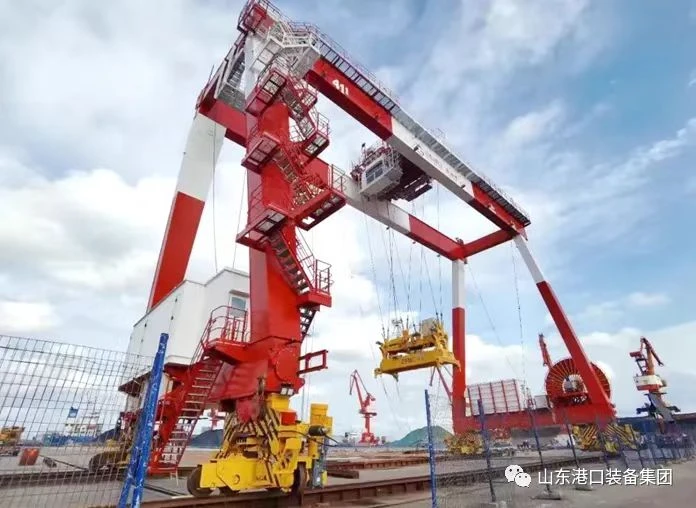
You make things safer and more reliable when you use container gantry crane: anti-collision commissioning tips. CEGC gives you standard specs and special solutions. Safety gets better with anti-collision systems and operator training. You lower safety risks like load sway and collision risk by using container gantry crane: anti-collision commissioning tips. Operator differences also go down. Use container gantry crane: anti-collision commissioning tips to stay safe. Container gantry crane: anti-collision commissioning tips help you reach safety goals. Container gantry crane: anti-collision commissioning tips give you better outcomes.
Key Takeaways
-
Get ready before starting by collecting the right tools. Check all papers. Give each team member a clear job. Follow safety rules to keep your team and equipment safe.
-
Look at, adjust, and test the anti-collision system with care. Use sensors and check the wires. Do both still and moving tests. Make sure the crane stops before it hits anything.
-
Keep the system working well by cleaning sensors often. Fix problems fast. Teach operators what to do. Keep good records to follow safety rules and stop accidents.
Pre-commissioning essentials
Tools & equipment
You must have the right tools and equipment before you start. Get basic hand tools, torque wrenches, multimeters, and alignment gauges. Use lifting slings and shackles to move things safely. Always check if your personal protective equipment is safe to use. Bring cleaning supplies for the crane parts and a first aid kit.
Documentation check
Look at all the needed documents before you begin. Make sure you have the crane’s nameplate, load chart, and operation manuals. Check the commissioning record sheet. Look at the frame, welds, bolts, and runway rails. Review the hoist and trolley installation, brake mechanisms, and limit switches. Make sure all safety devices, like emergency stops and interlocks, work right. These steps help you follow safety and workplace rules.
Team roles
Give each team member a clear job. You need a commissioning supervisor, safety officer, and skilled technicians. The supervisor leads and checks if safety rules are followed. The safety officer watches material handling and makes sure everyone is safe. Technicians do inspections, make adjustments, and test safety devices and anti-collision systems.
Safety steps
Tip: Always follow safety rules to keep your team and equipment safe.
-
Count all parts and spares before you put things together.
-
Use two lifting points and the right underlay to stop twisting or bending.
-
Move the crane on a flat trailer and never drag it.
-
Store the crane on solid ground and keep it steady.
-
Cover outdoor equipment with waterproof covers to stop rust and theft.
-
Check all parts for damage or rust and fix problems before assembly.
-
Clean and take care of rolling bearings and moving parts.
-
Call CEGC if you find problems you cannot fix.
You make things safer and follow safety rules when you get ready for commissioning.
Anti-collision system inspection & calibration
You have to check and set up the anti-collision system before using your container gantry crane. This helps stop accidents and keeps your equipment safe. CEGC lets you pick different sensor sets, like load, angle, and wind sensors. You also get safety interlocks for extra protection. Follow these steps to make sure your anti-collision system works right.
Sensor checks
Check every sensor in the anti-collision system. Sensors help you see obstacles and stop the crane from hitting things. CEGC container gantry cranes use many kinds of sensors. Each sensor does a different job. Here is a table that shows the main sensors you will use:
|
Sensor Type |
Description |
|---|---|
|
Radar |
Finds obstacles and helps stop crashes during crane work. |
|
Lidar |
Measures distance very carefully to find things nearby. |
|
Cameras |
Lets you see what is around to help spot obstacles. |
Look at each sensor and make sure it is clean and not broken. Test the sensors by putting things in their way. Watch for alarms or signals on the operator screen. If you see mistakes, fix them before moving on. You can ask CEGC for help if you need it with sensor problems.
Wiring & connections
Check all wires and connections in the anti-collision system. Good wires keep the system safe and working well. Look at all cables, switches, and control panels. Make sure no wires are loose or worn out. Look for rust or broken covers. If you find problems, change the bad parts right away.
-
Look at wires and cables for breaks, old age, or cracks.
-
Make sure all connections are tight and not rusty.
-
Check the motor for getting too hot, weird smells, or shaking.
-
Close the motor’s box and make sure all wires are safe.
-
Look at contacts for damage or heat and change old ones.
-
Test insulation every month to keep the system safe.
Do these checks often. This helps you find problems early and stop the system from breaking. A good anti-collision system keeps your crane safe and ready to use.
Calibration steps
You need to set up the anti-collision system so it fits your crane’s size and shape. Start by following the steps in your CEGC manual. Set each sensor to cover the right area. Adjust radar and lidar sensors to match where the crane moves. Use test objects to check how far the sensors can see. Watch the operator screen for the right distance numbers.
Set up the safety interlocks so the system stops the crane if it gets too close to something. Test the emergency stop and limit switches. Make sure alarms go off when the crane is in a danger zone. Write down all your results in your logbook. If you need special settings for a project, CEGC can help you change the anti-collision system.
Tip: Always test the anti-collision system after you set it up. This helps you find mistakes before you start real work.
A good anti-collision system helps you feel safe. You know your crane will stop before it hits anything. You also keep your team and cargo safe.
Functional testing for anti-collision
Static tests
You begin with static tests. The crane stays still. Put objects at different distances from the crane. Watch the sensors as they find these objects. The system should show warnings on the operator screen. The Human-Machine Interface (HMI) shows important details. You see load weight, crane position, and system status. This helps you learn how the anti-collision system works before moving the crane.
|
Component |
Description |
|---|---|
|
Human-Machine Interface (HMI) |
Shows important information like load weight, position, and system status in real-time. It helps operators use the crane safely. |
|
Anti-collision systems |
Use sensors to find possible collisions and change crane movement automatically. This keeps everyone safe in busy areas. |
Dynamic tests
Now you do dynamic tests. Move the crane slowly toward things that do not move. The anti-collision system should slow down or stop the crane before it gets too close. Check the alarms and see if the system acts fast enough. This step shows that collision avoidance works when the crane moves. You also check if the HMI gives clear signals to the operator.
Collision simulation
You test the system’s limits by simulating collisions. Put test objects in the crane’s path and move the crane at normal speed. The anti-collision system should make emergency stops and alarms go off. Check if the system stops accidents and keeps safety high. You also see how the system uses communication protocols to share data.
|
Communication Protocols |
Description |
|---|---|
|
Wi-Fi |
Lets cranes share where they are and how they move with each other. |
|
ZigBee |
A wireless protocol that uses little power and works well for short distances. |
|
Proprietary Wireless Networks |
Custom wireless solutions made for special crane needs. |
Result analysis
Look at the results from all tests. Find any missed alarms or slow reactions. Write down what worked and what needs fixing. Good anti-collision testing helps you reach high safety and strong collision avoidance. You keep your team safe and protect your equipment from collisions.
Tip: Always repeat tests if you change settings or replace parts. This keeps your anti-collision system ready for every job.
Troubleshooting & common issues
Frequent problems
You might run into some usual problems when setting up anti-collision. These problems can make your container gantry crane not work right. Here is a table that lists common sensor problems:
|
Sensor Type |
Common Issues |
|---|---|
|
Limit Switches |
They might stick or move wrong from dirt or rust. |
|
Load Cells |
If they get hit, they might stop working. |
|
Position Sensors |
They can break if something damages them. |
Calibration mistakes happen a lot too. You might see these mistakes:
|
Calibration Error Type |
Description |
|---|---|
|
Software Glitches |
The system software can have errors. |
|
Sensor Malfunctions |
Sensors might give wrong numbers or not work. |
|
Network Communication Errors |
Data might not move between parts right. |
|
Operator Overrides |
People might turn off the system by hand. |
Sometimes, you might get false alarms or miss things. This happens if sensors or detection programs are not set up for your crane and yard.
Solutions
You can fix many of these problems with the right actions. Clean and check sensors often so they keep working. Change broken parts as soon as you find them. Use CEGC’s remote tools to check the system from far away. Predictive maintenance checks motor loads, shaking, and wear. These tools help you find problems before the crane stops working. Smart control systems use data to guess when things might break. This helps your crane work well.
Prevention tips
You can stop most problems by doing a few easy things:
-
Set up sensors and software for each crane and yard.
-
Test the anti-collision system after you make changes.
-
Teach operators not to turn off the system by hand.
-
Use predictive maintenance to find problems early.
-
Keep all parts clean and dry for safety.
These steps help your container gantry crane stay safe and work well. You keep your team and equipment safe and make your port safer.
Final validation & reporting
System validation
You must finish commissioning with a full system check. This step makes sure your container gantry crane and anti-collision system are safe. They must meet all rules and standards. Follow these steps:
-
Set up all safety systems. Make sure limit switches, anti-collision sensors, travel limiters, overload protectors, and emergency stop systems are ready.
-
Test the crane. Check the electrical system by looking at motor direction, control signals, limit switches, and PLC logic. Run tests with no load, static load (125% of rated load), and dynamic load (110% of rated load).
-
Review the results. If everything works, get ready for final acceptance and move to paperwork.
Tip: Always check each safety feature twice before you finish.
Documentation
You must keep clear records for every step. Good paperwork helps you track changes, show you followed rules, and helps with future repairs. Here is what you need:
|
Documentation Type |
Description |
|---|---|
|
Calibration Logs |
Records of calibration steps |
|
Test Reports |
Results from testing the systems |
|
Software Version Histories |
Notes about software updates |
|
Incident Logs |
Records of any incidents with the system |
Keep these papers neat and easy to find.
Sign-off process
You finish with a formal sign-off. This step shows your crane meets all safety and quality rules. You check design validation, traceability, and process validation. You also confirm you did all inspections, tests, and paperwork. Keep records for audits and quality checks. When you finish, you hand over the crane with confidence. You know it meets CEGC’s high standards and all industry rules.
You make things safer by using new anti-collision systems with radar or lasers. Follow safety rules and test your system often. Keep good records of every step. For help, you can use CEGC’s technical support and custom options. Always check your system before starting work.
FAQ
What is a gantry overhead crane?
You use a gantry overhead crane to lift and move heavy loads in ports. This crane runs on rails or wheels. You see gantry overhead crane in many container yards.
How do you keep a gantry overhead crane safe?
You check the gantry overhead crane before every shift. You test the anti-collision system. You clean sensors. You follow all safety steps for gantry overhead crane operation.
Why do ports choose a gantry overhead crane?
You pick a gantry overhead crane for strong lifting power. You get fast loading and unloading. You see gantry overhead crane work well in busy port areas.
How does a gantry overhead crane help with anti-collision?
You use sensors on the gantry overhead crane. These sensors find obstacles. The gantry overhead crane stops or slows down. You keep people and cargo safe with gantry overhead crane.
What training do you need for a gantry overhead crane?
You learn how to use the gantry overhead crane controls. You practice with the anti-collision system. You follow safety rules for gantry overhead crane operation.
Can you customize a gantry overhead crane?
You can ask for special features on your gantry overhead crane. You choose sensor types. You pick power options. You match the gantry overhead crane to your project needs.
How often should you inspect a gantry overhead crane?
You check the gantry overhead crane every day. You look for damage. You test the anti-collision system. You keep the gantry overhead crane in top shape.
What makes a gantry overhead crane different from other cranes?
You see a gantry overhead crane move on rails or wheels. You use it for containers. Other cranes may not have the same features as a gantry overhead crane.
How does weather affect a gantry overhead crane?
You watch for wind and rain. You check the gantry overhead crane for rust. You use special coatings. You keep the gantry overhead crane safe in all weather.
Who can repair a gantry overhead crane?
You call trained technicians for gantry overhead crane repairs. You use CEGC support. You fix problems fast. You keep your gantry overhead crane working well.
Why is the gantry overhead crane important for ports?
You move containers quickly with a gantry overhead crane. You save time. You handle more cargo. You make your port more efficient with a gantry overhead crane.
What is the lifespan of a gantry overhead crane?
You can use a gantry overhead crane for many years. You do regular checks. You follow maintenance plans. You get long service from your gantry overhead crane.
How do you upgrade a gantry overhead crane?
You add new sensors to your gantry overhead crane. You update software. You improve safety. You make your gantry overhead crane ready for new jobs.
What should you do if the gantry overhead crane alarm sounds?
You stop the gantry overhead crane. You check the system. You fix any problems. You call for help if needed. You keep the gantry overhead crane safe.
How do you control a gantry overhead crane?
You use a control panel or remote for the gantry overhead crane. You watch the screen. You follow signals. You move the gantry overhead crane with care.
What power options are there for a gantry overhead crane?
You choose electric or diesel for your gantry overhead crane. You pick what fits your port. You get reliable power for your gantry overhead crane.
How do you prevent accidents with a gantry overhead crane?
You train your team. You use the anti-collision system. You check the gantry overhead crane often. You follow all safety rules for gantry overhead crane use.
What is the maximum load for a gantry overhead crane?
You check the load chart for your gantry overhead crane. You never lift more than the limit. You keep the gantry overhead crane safe.
How do you report a problem with a gantry overhead crane?
You write down the issue. You tell your supervisor. You call CEGC support. You fix the gantry overhead crane quickly.
Can you use a gantry overhead crane in all weather?
You use the gantry overhead crane in rain or sun. You check for rust. You use covers. You keep the gantry overhead crane ready for work.
How do you store a gantry overhead crane?
You park the gantry overhead crane on solid ground. You cover it. You lock controls. You keep the gantry overhead crane safe when not in use.
What documents do you need for a gantry overhead crane?
You keep manuals, test logs, and repair records for your gantry overhead crane. You show these for audits. You track your gantry overhead crane history.
How do you clean a gantry overhead crane?
You wipe dust and dirt from the gantry overhead crane. You clean sensors. You keep the gantry overhead crane working well.
What is the best way to learn about a gantry overhead crane?
You read the manual. You watch training videos. You ask experts. You practice with the gantry overhead crane.
How do you order parts for a gantry overhead crane?
You contact CEGC for gantry overhead crane parts. You give the model number. You get the right parts for your gantry overhead crane.
How do you test the anti-collision system on a gantry overhead crane?
You place objects near the gantry overhead crane. You watch for alarms. You check if the gantry overhead crane stops or slows down.
What happens if the gantry overhead crane stops working?
You check the power. You look for alarms. You call a technician. You fix the gantry overhead crane before using it again.
How do you keep records for a gantry overhead crane?
You write down all checks and repairs for your gantry overhead crane. You keep logs safe. You use them for audits.
Why should you choose CEGC for your gantry overhead crane?
You get strong support. You find custom options. You trust CEGC for your gantry overhead crane needs.
How do you move a gantry overhead crane?
You use rails or wheels to move the gantry overhead crane. You follow safety steps. You keep the gantry overhead crane steady.
What is the main job of a gantry overhead crane?
You lift and move containers with a gantry overhead crane. You make port work faster. You handle heavy loads with a gantry overhead crane.
How do you check the gantry overhead crane before use?
You look for damage. You test the anti-collision system. You check controls. You make sure the gantry overhead crane is ready.
What is the difference between a gantry overhead crane and a bridge crane?
You see a gantry overhead crane move on the ground. A bridge crane hangs from the ceiling. You pick the gantry overhead crane for outdoor work.
How do you keep the gantry overhead crane running well?
You do daily checks. You clean parts. You fix problems fast. You follow the maintenance plan for your gantry overhead crane.
Can you use a gantry overhead crane for offshore platforms?
You can use a gantry overhead crane for offshore work. You pick special coatings. You keep the gantry overhead crane safe from salt and wind.
How do you train new operators for a gantry overhead crane?
You teach controls. You show safety steps. You practice with the gantry overhead crane. You check skills before real work.
What alarms does a gantry overhead crane have?
You see overload, collision, and system alarms on the gantry overhead crane. You fix problems when alarms sound.
How do you get technical support for a gantry overhead crane?
You call CEGC. You use online help. You get fast answers for your gantry overhead crane.
What should you do after a repair on a gantry overhead crane?
You test the gantry overhead crane. You check all systems. You write down the repair. You keep the gantry overhead crane safe.
How do you plan maintenance for a gantry overhead crane?
You set a schedule. You check the gantry overhead crane often. You use logs. You keep the gantry overhead crane in top shape.
What is predictive maintenance for a gantry overhead crane?
You use sensors to watch the gantry overhead crane. You fix problems early. You keep the gantry overhead crane working longer.
How do you upgrade safety on a gantry overhead crane?
You add new sensors. You update software. You train your team. You make the gantry overhead crane safer.
Can you automate a gantry overhead crane?
You can add automation to your gantry overhead crane. You use smart controls. You make work faster and safer.
How do you check the load on a gantry overhead crane?
You read the display. You check the load chart. You never go over the limit for your gantry overhead crane.
What is the best way to store spare parts for a gantry overhead crane?
You keep parts dry. You label them. You use only the right parts for your gantry overhead crane.
How do you handle emergencies with a gantry overhead crane?
You stop the crane. You call for help. You follow the emergency plan for your gantry overhead crane.
What is the warranty for a gantry overhead crane?
You check with CEGC. You read the warranty terms. You keep your gantry overhead crane covered.


