
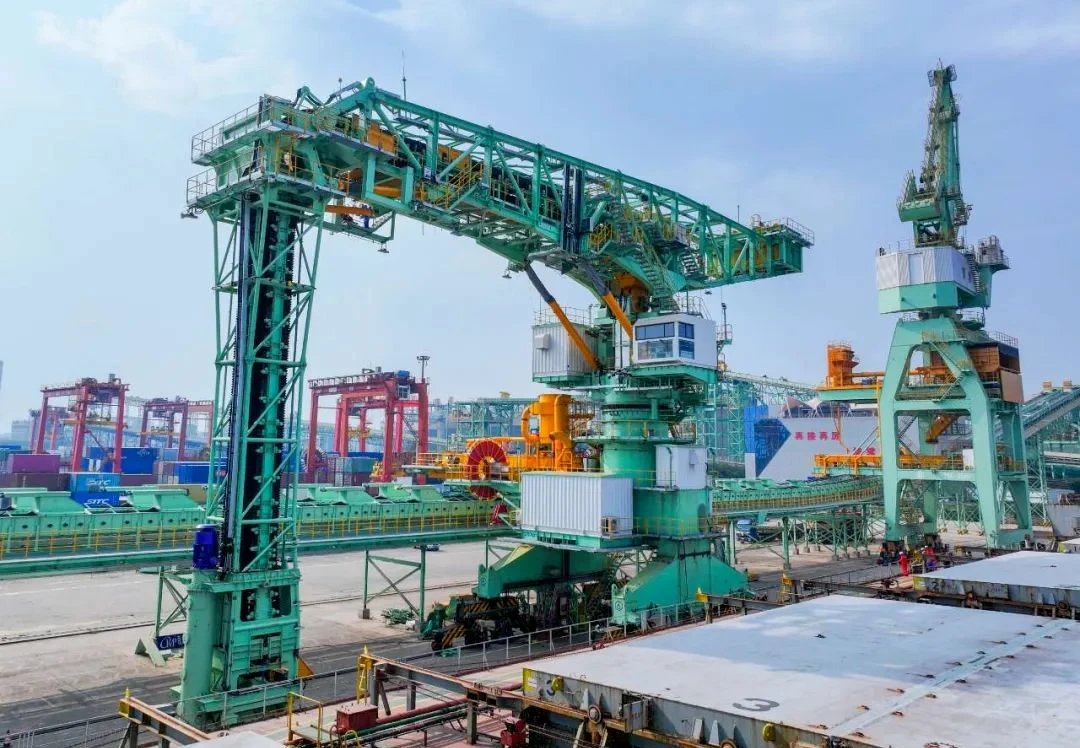
You deal with real dangers each day when moving a crane. One close call can turn into an expensive claim. You must always think about safety when using a cargo crane. CEGC understands that safety steps and regular checks keep you, your team, and your gear safe. Cargo crane: collision near miss to claim—avoid it.
Key Takeaways
-
Safety should always come first when using a cargo crane. Check the crane often and follow safety rules to stop accidents and expensive claims.
-
Use tools like anti-sway systems and collision avoidance tools to make things safer. These tools keep loads steady and warn operators about dangers.
-
Tell everyone to report near misses. Learning from these events helps find risks and make safety better, so there are fewer accidents later.
Cargo crane: collision near miss to claim—avoid it
Main collision risks
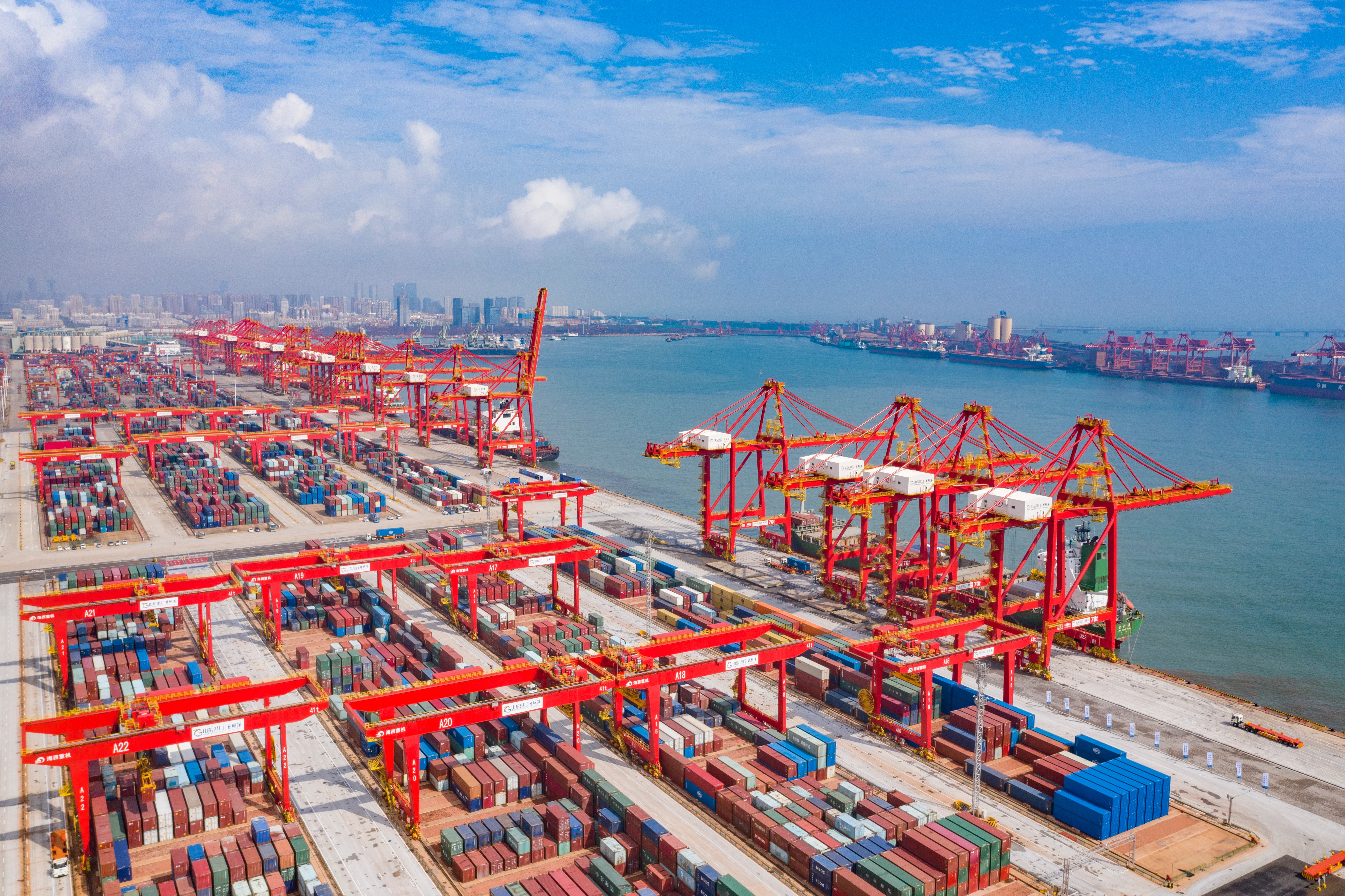
There are many dangers when you use a crane. Most accidents happen because someone makes a mistake. Sometimes, the load swings or the weather changes fast. Operator mistakes cause almost 80% of crane accidents. These mistakes include dropping loads, moving too fast, or not talking clearly. When you use a cargo crane: collision near miss to claim—avoid it, you must watch for these problems. All types of cranes, like portal cranes, container cranes, and ship cranes, can have these risks. You need to know about these dangers to keep your team safe.
Operator error and load sway
How well the operator works is very important in cargo crane: collision near miss to claim—avoid it. Not paying attention or using the wrong rigging can cause accidents. Load sway is also a big problem. If the load swings, it is hard to control and might hit other things. CEGC equipment helps you handle these risks. It has anti-sway control, safety interlocks, and operator-centered HMI. These features make your cargo crane: collision near miss to claim—avoid it safer. They give you alarms, updates, and better control.
|
Safety Feature |
Description |
|---|---|
|
Anti-sway control |
Keeps loads steady, so wind or sudden moves do not cause accidents. |
|
Multi-layer safety interlocks |
Stops overloads and crashes by keeping work inside safe limits. |
|
Limit switches |
Sets boundaries so the crane does not move too far. |
|
Emergency stop logic |
Lets you stop everything right away if there is an emergency. |
|
Zone-based collision prevention |
Uses special areas to help avoid crashes while working. |
|
Operator-centered HMI |
Gives clear alarms and updates to help the team stay safe and work well. |
Environmental and site hazards
Weather and the work area are also important in cargo crane: collision near miss to claim—avoid it. If the wind is faster than 10 m/s, using a crane is dangerous. Not following wind rules can make the load swing or even break the crane. Bad weather, like strong wind or fog, makes cargo crane: collision near miss to claim—avoid it more likely. You should always check the weather and the site before you start. Watching out for these dangers helps you avoid claims and keeps everyone safe.
Prevent accidents with technical solutions
You can stop accidents by using smart technology. CEGC gives you systems that keep crane work safe. These systems work for all port machines. They fit portal cranes, container cranes, and ship cranes. When you use them, your team and equipment stay safe.
Anti-sway and safe lifting systems
Anti-sway and safe lifting systems help control how loads move. When you rig a load, you want it steady. If the load swings, it can hit things or people. CEGC’s anti-sway tech keeps loads stable. It works even when wind blows or cranes move fast. The system uses sensors and quick feedback to change crane motion. You get smoother lifts and fewer problems.
|
Feature |
Benefit |
|---|---|
|
Finds strange moves right away to stop crashes. |
|
|
Monitors both hook and load behavior |
Checks angles, speed, and direction to spot issues operators miss. |
|
Reduces delayed operator reactions |
Acts in milliseconds to keep everyone safe. |
|
Smart Brake Activation |
Brakes turn on by themselves to stop danger and steady loads. |
|
Intelligent Movement Control |
Changes crane motion to cut sway, making work smoother and safer. |
You must follow load limits and use safe lifting steps. These systems help you rig loads right and use good handling. Anti-sway control stops accidents and keeps cranes safe.
Multi-layer safety interlocks
Multi-layer safety interlocks give extra safety during crane work. These interlocks use smart logic to stop unsafe moves early. CEGC’s systems have overload protection, limit switches, and emergency stops. You can stop accidents by keeping cranes in safe zones.
|
Standard/Consideration |
Description |
|---|---|
|
Linked operation testing |
Test cranes together to check spacing and interlock reliability. |
|
Safety acceptance and documentation |
Write test results in a report for future checks and reference. |
|
Signal Interlock Management |
Use a central PLC system for crane communication and interlock safety. |
These interlocks help you follow load limits and stop overloads. You can rig loads knowing the system will warn you if something is wrong. CEGC’s interlocks meet industry rules and can be changed for your site.
Operator-centered HMI and training
Operator-centered HMI and good training are important for safety. CEGC makes cabins that keep you comfortable and focused. Big windows and smart cabin spots let you see the work area well. Easy controls help you make safe choices fast.
-
Operator-centered HMI design cuts tiredness and distraction.
-
New cabins have seats you can adjust and simple controls.
-
The cabin fits the operator, not the other way around.
Good training teaches you safe rigging and lifting. You need to know how to use the HMI and follow safety steps. CEGC helps with alarms, guided operation, and clear updates. When you mix training and technology, you stop accidents and keep crane work safe.
Tip: Always check your equipment before each shift. Make sure you know the controls and safety features. Practice safe lifting and load handling every time.
CEGC’s anti-collision and safety systems are the market standard. You can change features like sensor sets, anti-collision zones, and safety backups. These choices help you stop accidents and keep your port running well.
Crane safety tips for daily operations
Pre-operation inspections
Always check the crane before you start work. This keeps you and your team safe. Look at the crane’s parts for damage or leaks. Check mechanical, electrical, and structural parts. Daily checks help you find problems early. Follow the checklist in the operator manual. Only trained people should do these checks. This helps you follow OSHA rules and makes your equipment last longer. Pick the right crane for the job and make sure it works well.
Exclusion zones and proximity alerts
Set up exclusion zones before lifting starts. These zones keep people and equipment safe from danger. Use warning systems to tell you if you get too close to hazards. Hazards include power lines or buildings. The system will sound an alarm if you enter a danger area. This helps you avoid obstacles and collisions. Exclusion zones lower the risk of electrocution and crane damage in busy places.
|
Aspect |
Details |
|---|---|
|
Definition |
Proximity Warning System Alarm tells you about danger zones. |
|
Purpose |
Stops contact with power lines, avoids crashes, and keeps you safe. |
|
Example |
Alarm sounds when a crane gets near wires or buildings. |
Communication and coordination
Good communication keeps crane work safe. Use hand signals and radios to talk, especially in loud places. Make sure all trained workers know the signals. Always check that everyone knows the plan before lifting. The 3-3-3 Safety Rule helps you stay safe. Take three seconds to check, stay three meters from loads, and check three things—load weight, ground stability, and communication. Clear your path and keep your team updated. Good crane safety tips and daily routines protect everyone on site.
Tip: Pick the right equipment for each job, like a container handler or reach stacker. Regular checks and maintenance keep your work safe and smooth.
Technology upgrades for collision prevention
Sensors and collision avoidance systems
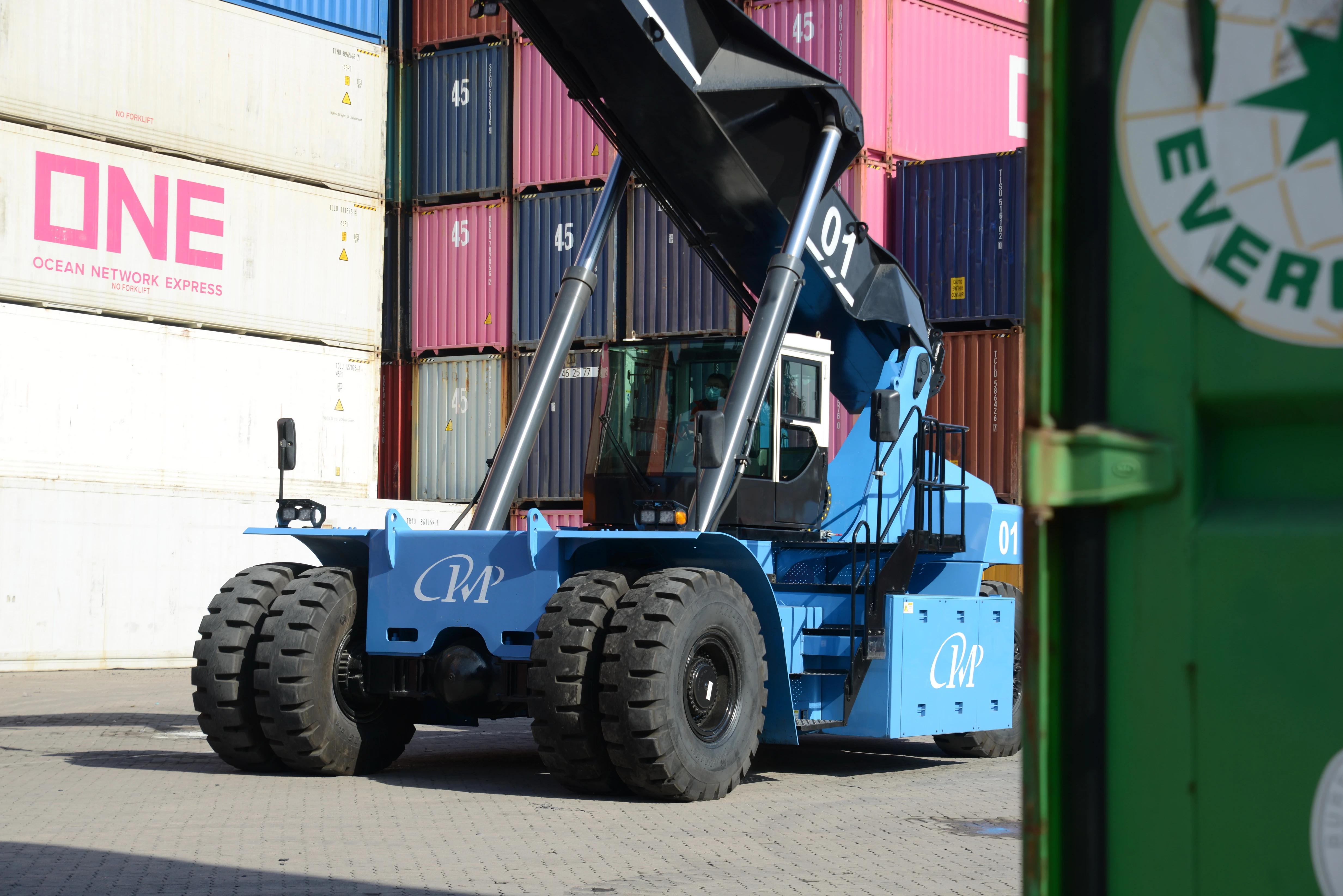
You can make crane work safer with new safety tools. Modern sensors and collision avoidance systems help you see danger early. These systems use radar, lidar, and proximity sensors to watch for things in the way. They give you alerts right away and can even stop the crane if there is a risk of hitting something. This helps keep your team and equipment safe, even when it is busy or hard to see.
Here is a quick look at some technology you can use:
|
Technology Type |
Description |
|---|---|
|
Proximity Sensors |
Watch how close stacks are and notice when a spreader moves toward something. |
|
Automatic Brake Engagement |
Brakes turn on by themselves if a crash might happen. |
|
Radar |
Works well when you cannot see far and for long distances. |
|
Lidar and 2D Laser Scanners |
Give clear maps for short distances. |
|
Zone Control & Geofencing |
GPS systems stop cranes from moving near danger, which helps in places with many cranes. |
|
Automatic load monitoring systems |
Watch load weight and balance so lifts stay safe. |
These safety tools help stop accidents from tiredness or not paying attention. They also help operators notice problems and make fewer mistakes. When you use these systems, you lower the chance of close calls and keep your port working well.
Predictive maintenance and monitoring
You can stop many accidents by using predictive maintenance and smart checks. These tools watch your crane for signs of damage or trouble. They use sensors to check motor loads, shaking, and other important things. If something is wrong, you get a warning early. This lets you fix problems before they cause a breakdown or accident.
-
Predictive maintenance stops equipment from breaking down.
-
Smart checks help you fix things at the best time.
-
Fewer breakdowns mean fewer accidents and less cargo damage.
CEGC uses automation, remote checks, and energy-saving features in all its port machines. You get safety tools that protect your team and your equipment. By adding these tools to your crane, you make your worksite safer and better.
Tip: Look at your safety tools now and think about adding new technology to keep your crane work safe and up to date.
Learning from near misses
Reporting and investigation
You can make your worksite safer by learning from near misses. When you report and look into these events, you find problems early. A good reporting system lets you keep track of every near miss with your crane. You should teach your team to report problems without being scared. This helps everyone trust each other and stay careful. Use one main system to collect and check reports. Watch for patterns and act quickly if you see a risk.
Here is how learning from near misses helps your operation:
|
Benefit |
Description |
|---|---|
|
Helps Identify Hidden Hazards |
Near misses show dangers before they cause accidents. They work like an early warning. |
|
Enables Data-Driven Safety Improvements |
Reporting near misses often helps you spot patterns and places that need more safety. |
|
Builds a Proactive Safety Culture |
Reporting near misses helps workers care about safety and trust each other. |
|
Reduces Future Incidents and Costs |
Stopping accidents by reporting near misses saves money compared to fixing real accidents. |
|
Supports Regulatory and Compliance Readiness |
Writing down near misses shows you have a good safety plan and follow the rules. |
You should also use technology to watch for dangerous conditions. This helps you see problems early and keep your crane work safe.
Continuous improvement
You can make your safety program better by using what you learn from near misses. Write down every incident with the date, time, and place. Use data tools to find trends in your reports. Teach your team why it is important to write things down. Show them how to spot risks and act fast.
-
Write down details of every crane incident.
-
Use data to find patterns and fix issues.
-
Train your team to notice risks and keep records.
-
Check for risks often to stop future claims.
Deals do not usually fail from one big mistake. It is often many small misses. Good systems can find these problems early and help you fix them before they get worse.
When you use feedback and update your training, you make your safety culture stronger. Your team learns from every near miss. This helps you avoid claims and keep crane work running well.
You make things safer by using cameras and talking clearly. Training helps everyone learn what to do. New crane technology and anti-collision systems stop accidents. These tools help you avoid problems and claims. Keep training your team so safety becomes a habit. Check your safety rules often to stay ready. Pick CEGC for cranes you can trust and keep your team safe each day.
FAQ
What is the main cause of cargo crane collisions?
Operator error is the main cause. You must stay alert and follow safety steps to avoid accidents.
How do anti-sway systems help you?
Anti-sway systems keep loads steady. You get better control and reduce the risk of hitting objects or people.
Why should you report near misses?
You help your team learn from mistakes. Reporting near misses stops future accidents and keeps everyone safe.


