
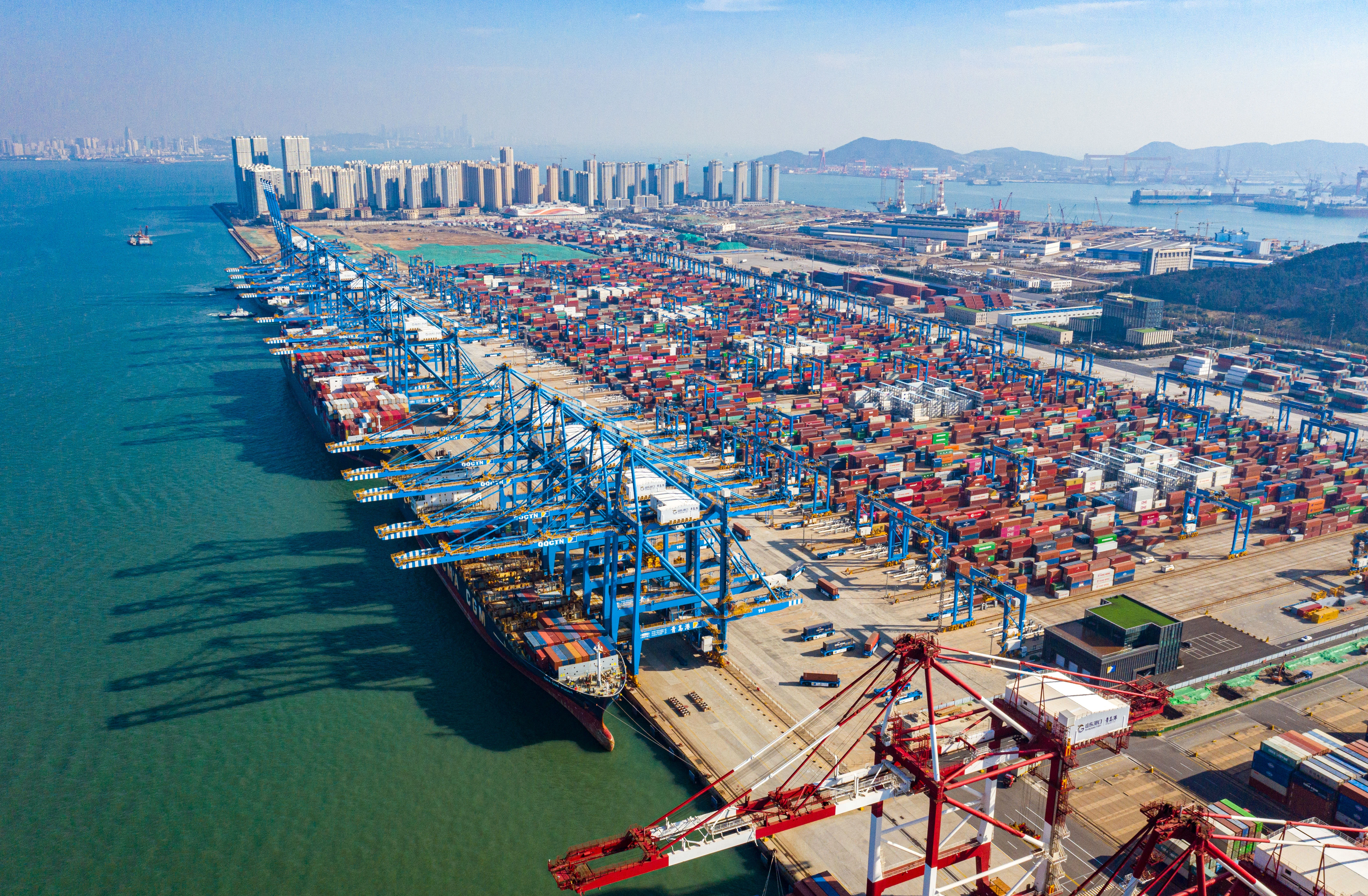
You have real problems when you stack containers. Blind spots, crashes, and swaying loads make things unsafe every day. Getting tired makes it even more dangerous. Camera assist technology changes how you use a container handler. It helps you stack containers more safely. CEGC gives you container handler: safer stacking with camera assist for the best safety. Container handler: safer stacking with camera assist lets you see better, stop accidents, and stay safe. Container handler: safer stacking with camera assist fits what you need and works as well as others on the market. Pick container handler: safer stacking with camera assist for live views and strong safety.
Key Takeaways
-
Camera assist technology helps operators see better. It lets them avoid blind spots. This reduces accidents when stacking containers.
-
Anti-sway systems keep loads steady. They lower the risk of crashes. This makes operations safer in busy places.
-
Custom camera systems help ports meet safety needs. They make container handling safer and more efficient.
Safety Challenges in Container Handling
Blind Spots and Collision Risks
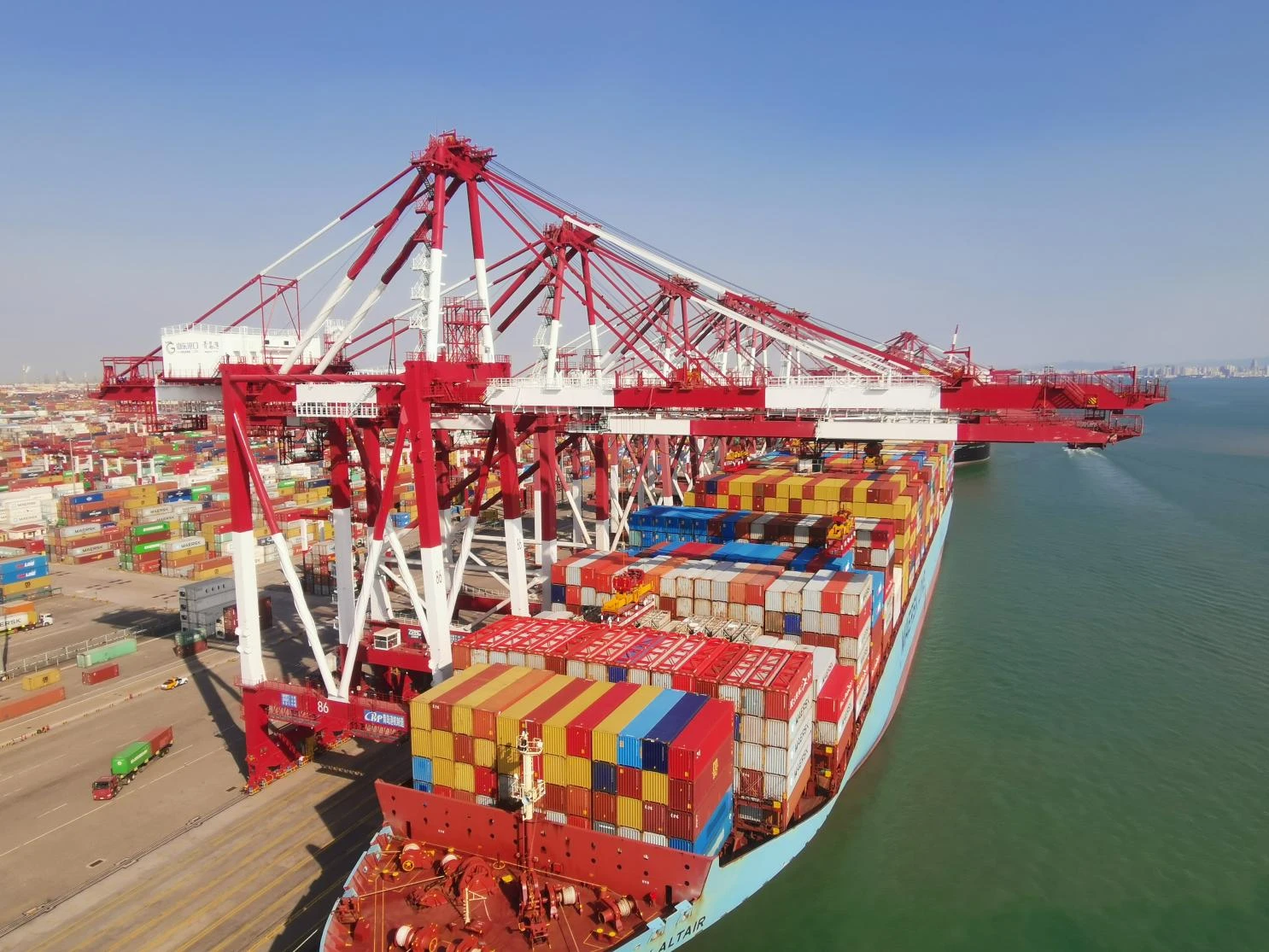
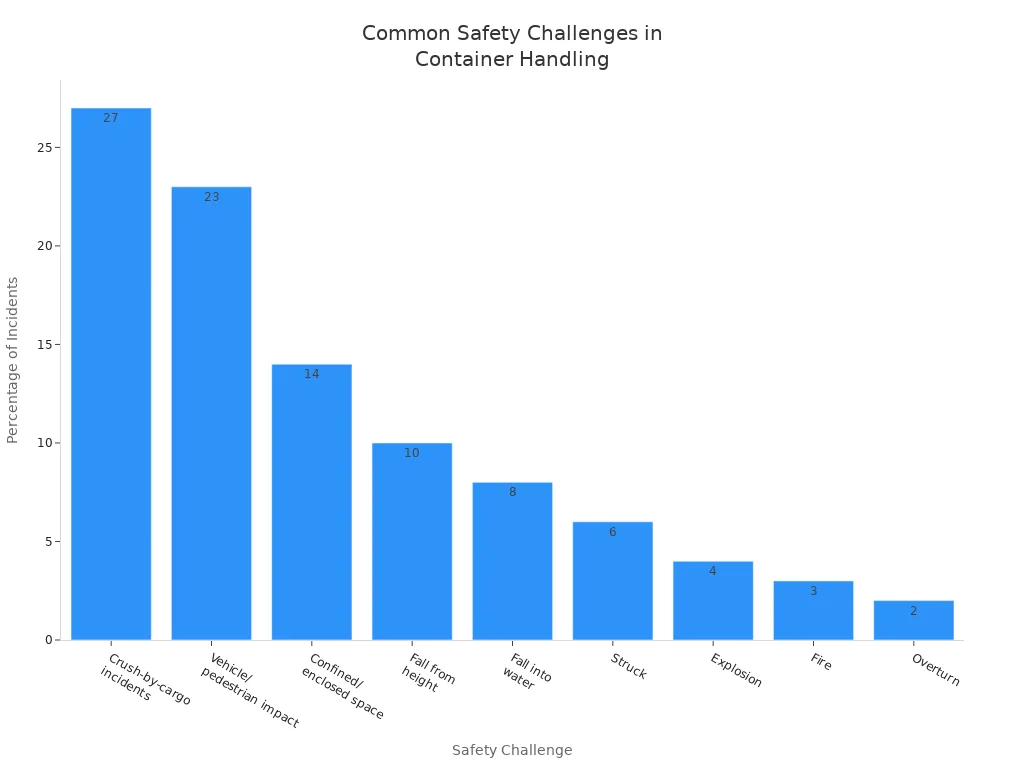
There are many safety risks when using a container handler. Blind spots make it hard to see people or things nearby. These blind spots can hide workers, cars, or objects. Moving containers in busy ports makes crashes more likely. You need to watch for cargo rigging, loose lashings, and other machines. Blind spots often show up at transfer spots and entryways. Working fast and having tight schedules can make you hurry. This makes it easier to forget safety steps. New safety systems use sensors and software to spot obstacles and give warnings. These tools help you avoid accidents and stay aware of your surroundings. The table below lists the most common safety problems in container handling.
|
Safety Challenge |
Percentage of Incidents |
Description |
|---|---|---|
|
Crush-by-cargo incidents |
27% |
Happens when containers or cargo fall, move, or become unstable, trapping people underneath. |
|
Vehicle/pedestrian impact |
23% |
Deadly crashes between moving equipment and workers on foot. |
|
Confined/enclosed space |
14% |
Deaths from going into areas with little oxygen or toxic air. |
|
Fall from height |
10% |
Workers falling from high places like containers or cranes. |
|
Fall into water |
8% |
Deaths from workers falling into water, made worse by bad visibility. |
|
Struck |
6% |
Workers hit by moving equipment or loose tools. |
|
Explosion |
4% |
Deadly events from dangerous materials releasing energy. |
|
Fire |
3% |
Deaths from fires started by flammable cargo or equipment. |
|
Overturn |
2% |
Deadly accidents when equipment tips over from being unstable or mistakes. |
Load Sway and Operator Fatigue
Load sway makes it tough to place containers safely. Wind and movement can make loads swing. This raises the chance of accidents in dangerous places. You need to control the load and keep it steady. Working long hours can make you tired. Being tired makes it harder to focus and react quickly. You might forget safety steps or make mistakes.
Long shifts make accidents more likely because of tiredness.
CEGC container handler equipment uses anti-sway systems to keep loads steady. This safety tool lowers accident risk and helps you follow safety rules.
Inconsistent Safety Outcomes
You might see that safety results change from shift to shift. Different operator skills can cause mistakes. Some teams follow safety steps well, but others do not. This leads to gaps in safety. The table below shows how different transport types face problems and how strong they are.
|
Transportation Mode |
Disruption Type |
Resilience Value |
|---|---|---|
|
Liner Shipping |
Liner Quay Crane |
0.3 |
|
Liner Shipping |
Traffic Jams |
< 0.4 |
|
Feeder Shipping |
Feeder Quay Crane |
< 0.1 |
|
Railway Operations |
Train Crane Failures |
0.4 |
|
Railway Operations |
Traffic Jams |
0.6 |
|
Railway Operations |
Other Disruptions |
0.8 |
|
Truck Operations |
Yard Crane Failures |
0.7 - 0.8 |
|
Container Yard |
All Disruptions |
> 0.7 |
Camera assist systems from CEGC help every operator see better. These systems let you spot dangers early and keep safety results steady. You get better safety for all shifts and teams.
Camera Systems and Technical Solutions
Real-Time Visibility for Safer Stacking
You need to see clearly to stack containers safely. Camera systems show live video of your work area. These cameras help you spot obstacles, workers, and vehicles. Live video lets you see blind spots fast. You can avoid crashes and stop injuries. High-resolution cameras and AI find people and hazards. Real-time monitoring makes it easier to spot dangers early. You react faster to problems and stop stacking mistakes. You become more aware of your surroundings and make better choices. Real-time alerts from cameras help you avoid accidents and keep your site safe.
Real-time visibility lets you see everything near your container handler. You get alerts if something is wrong. This helps you stop injuries and accidents.
Forklift Camera Systems and Operator Support
Forklift camera systems change how you use lifting equipment. These cameras give wide views and remove blind spots. You see obstacles and people right away. Live monitoring helps you avoid crashes and injuries. Forklift camera systems help your lift operations with clear images and live video. You get feedback fast, so you react quickly to dangers. Companies see fewer accidents and less downtime with forklift camera systems. You save money and make your site safer. Operators using forklift camera systems respond to hazards quickly and avoid injuries. Live video helps you spot hidden dangers and keep your team safe.
-
Forklift camera systems give live monitoring for all lift jobs.
-
You get wide views and see obstacles right away.
-
Real-time alerts help you stop crashes and injuries.
-
Forklift camera systems lower accident rates and boost safety.
-
You avoid injuries from hidden obstacles in blind spots.
-
Companies using forklift camera systems see fewer incidents and more productivity.
-
Forklift camera systems help your lift jobs with live video and monitoring.
-
You get feedback fast and work better during container stacking.
-
Forklift camera systems help you stop crashes and keep your site safe.
-
Live monitoring with forklift camera systems makes you more aware and lowers injuries.
-
Forklift camera systems give live views and help prevent accidents.
-
You use forklift camera systems to watch your lift jobs and stop injuries.
-
Forklift camera systems help you stop crashes and boost safety.
-
Live video from forklift camera systems lets you see everything around your equipment.
-
Forklift camera systems help your lift jobs with live monitoring.
-
You get alerts fast and avoid injuries with forklift camera systems.
-
Forklift camera systems help you spot dangers and stop crashes.
-
Live monitoring with forklift camera systems makes you more aware and safer.
-
Forklift camera systems give live views and help you avoid injuries.
-
You use forklift camera systems to watch your lift jobs and stop accidents.
-
Forklift camera systems help you stop crashes and boost safety.
-
Live video from forklift camera systems lets you see everything around your equipment.
-
Forklift camera systems help your lift jobs with live monitoring.
-
You get alerts fast and avoid injuries with forklift camera systems.
-
Forklift camera systems help you spot dangers and stop crashes.
-
Live monitoring with forklift camera systems makes you more aware and safer.
-
Forklift camera systems give live views and help you avoid injuries.
-
You use forklift camera systems to watch your lift jobs and stop accidents.
Anti-Sway and Collision Prevention Features
You face risks from load sway and crashes when stacking containers. Anti-sway control systems use cameras and sensors to keep loads steady. Live monitoring helps you place containers correctly. Multi-layer safety interlocks protect you from overloads and limit switches stop unsafe moves. Operator-centered HMI gives you clear alarms and updates. You get feedback fast and guided operation. These features help you avoid injuries and lower accidents. Cameras spot hazards and give you early warnings. You react faster and stop crashes. Anti-sway technology helps you work together and keeps your lift jobs safe.
Anti-sway systems and crash prevention features work together. You get live monitoring and alerts. This helps you avoid injuries and keep your site safe.
Customization and Integration for Port Operations
You can change camera systems to fit your port’s needs. You pick sensor sets, anti-crash zones, and marine durability options. Cameras connect with vessel management systems and port workflows. Live monitoring helps manage traffic and respond to incidents. AI and machine learning make vessels easier to see, even in bad weather. You use cameras to watch special safety rules and improve safety numbers. Facilities set up cameras to track injuries and stop accidents. Customization lets you set up cameras fast and adjust to site needs. Integration with port machines supports live video and monitoring. You follow industry standards and certifications for camera systems.
|
Challenge |
Solution |
|---|---|
|
Compatibility Between ONVIF Profiles |
Support for many ONVIF profiles to make integration easy with NVRs. |
|
Vendor SDK Fragmentation |
ONVIF SDKs help connect different vendors easily. |
|
Security Configuration Mismatches |
Advanced security features like Digest authentication and TLS/SSL encryption keep systems safe. |
|
Configuration Complexity |
Standard protocols make IP setup and firmware updates simple. |
|
Interoperability in Diverse Ecosystems |
ONVIF standards help devices from different vendors work together. |
You meet safety rules and international standards by using camera systems. Live monitoring helps you track vehicles and lower congestion. Cameras give records for following safety codes. AI cameras give you live views of port operations. You respond fast to incidents and support safety rules.
Customization and integration make camera systems work better. You improve safety, lower injuries, and keep your port running well.
|
Standard/Certification |
|
|---|---|
|
ISA |
You use camera systems for live monitoring, better teamwork, and injury prevention. CEGC lets you customize sensor sets, anti-crash zones, and marine durability. You get strong cameras that last in tough conditions and help your lift jobs. Live video and monitoring help you stop crashes and keep your port safe.
You make your site safer and work faster with camera assist and forklift camera systems. CEGC port machines give you strong tools for safer stacking. Operators pick these systems to see better and have fewer accidents. You save money quickly and keep saving over time.
|
Reason for Investment |
Benefit Description |
|---|---|
|
Safety |
Better visibility helps stop accidents and close calls. |
|
Efficiency |
Quicker work means you use less energy. |
|
Cost-Effectiveness |
Less damage and fewer accidents help you save money. |
-
Insurance costs can go down by 15-30% after two years.
-
Video proof helps fix most arguments about who is at fault.
-
Fewer injuries mean you pay less for workers’ comp.
FAQ
How do camera systems help reduce accidents in container handling?
Camera systems help you see more around you. You notice dangers sooner. This helps you avoid accidents. Your team stays safe. Fewer accidents happen at your port.
Can camera assist technology prevent accidents during stacking?
Camera assist lets you watch every step. You get warnings before accidents happen. You can stop accidents early. Stacking becomes safer and accidents go down.
Why should you choose CEGC for accident prevention?
CEGC gives you strong camera systems. You trust CEGC to help lower accidents. You see fewer accidents at your site. You save money. Your site stays safe from accidents.


