
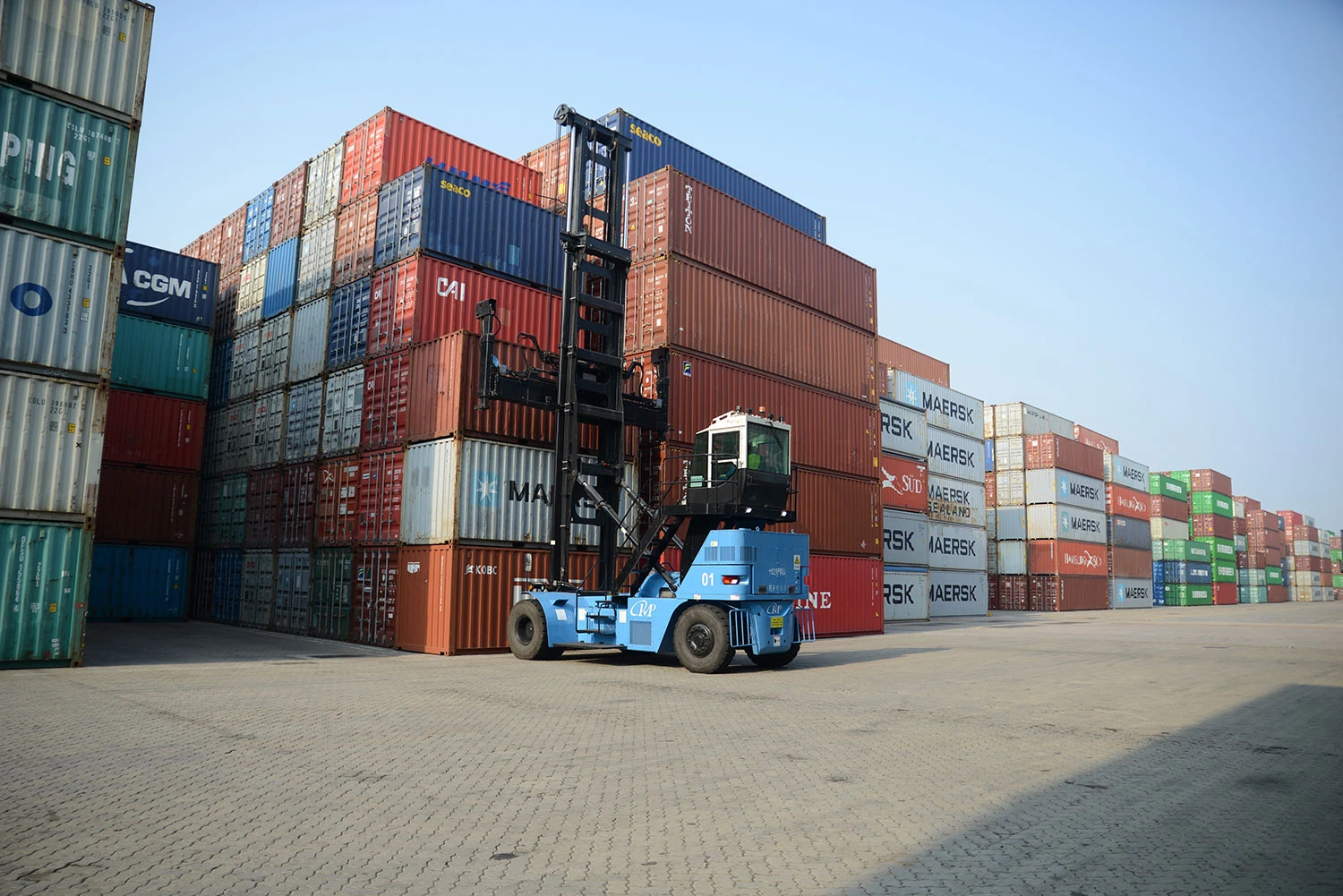
Enhance portal crane safety by preventing rail-end collisions with robust barriers, advanced sensors, and frequent operator training. CEGC delivers solutions tailored to your specific requirements, ensuring your portal crane operates safely and efficiently.
|
Feature |
Description |
|---|---|
|
CEGC designs portal cranes to match your unique operational needs, including preventing rail-end collisions. |
|
|
Automation Features |
Automated controls and 5G remote operation streamline workflow and boost productivity. |
|
Customizable Lifting Capacities |
CEGC portal cranes handle all cargo types, including oversized loads, with flexible lifting capacities. |
|
Customized Steel Structures |
Engineered for optimal breakbulk storage and efficient space utilization. |
|
Description |
|
|---|---|
|
1910.180 |
Ensures control systems are thoroughly inspected and maintained. |
|
1926.1402 |
Requires portal cranes to be positioned on stable, secure ground. |
|
1926.1412 |
Mandates review of any safety modifications to portal cranes. |
|
1926.1427 |
Guarantees operators are properly trained and certified for portal crane operation. |
|
1926.1428 |
Establishes requirements for signal persons to be adequately trained. |
Key Takeaways
-
Use strong rail-end stops and physical barriers to stop crashes. These barriers work well and do not need much care.
-
Add smart detection systems with sensors to watch crane movement. These systems can slow or stop the crane before it gets to the rail end.
-
Give operators good training to keep everyone safe. Operators should know about crane dangers, load charts, and what to do in emergencies.
Portal crane: preventing rail-end collisions
Rail-End Stops and Physical Barriers
Most rail-end collisions can be stopped by using strong rail-end stops, buffers, and rail clamps. These barriers are the first thing that protects your portal crane. They take in the force and keep the crane from going past the rail ends. You should always make sure these barriers follow the newest safety rules and fit your work needs.
Physical barriers have many good points. They are always there and do not need sensors or power to work. They also do not need much care and cost less at first than high-tech systems. But, you should know that physical barriers cannot stop every problem. Many safety reports say that mistakes by people, like not following signals or not talking to others, often cause rail-end collisions. For example:
-
A crane driver might lower a cargo container even when told to stop.
-
Bad communication between the signalman and the crane operator can damage vessel bulwarks.
-
Not listening to directions can make cargo get stuck on vessel equipment, which costs a lot to fix.
You can make things safer by using both physical barriers and smart detection and control systems together.
Tip: CEGC can make rail-end stops, buffers, and clamps that fit your portal crane’s span, capacity, and how often you use it. This helps keep your operation as safe as possible.
Detection Systems and Collision Avoidance
You can make portal crane: preventing rail-end collisions even better by using smart detection systems. These systems use sensors to watch where the crane is and how fast it moves. They can slow down or stop the crane before it gets to the end of the rail. New detection systems use infrared, laser, and radar sensors. Each kind has its own good points:
|
Detection System Type |
Range |
Advantages |
|---|---|---|
|
Infrared |
10 to 120 ft |
Not bothered by electrical noise, gives clear slow and stop commands |
|
Laser |
0 to over 1000 ft |
Very accurate, great for automated places |
|
Radar |
N/A |
Laser systems are now very exact and react fast to changes. Radar sensors work well in bad weather and do not need much care. These tools help you avoid false alarms and deal with real dangers right away. You can count on them to see how far the crane is and slow it down, even in tough port weather.
New updates include better laser sensors that reach up to 1,600 feet and faster, more steady programmable logic controllers (PLCs). Wireless tools let you check and fix your portal crane from far away. By using these new tools, you can get portal crane: preventing rail-end collisions with more accuracy and trust.
Note: CEGC can make detection and collision avoidance systems just for your project. This includes picking sensors, adding extra safety, and fitting them into your work.
Anti-Sway and Safety Interlocks
You can make your portal crane safer and faster by adding anti-sway control and safety interlocks. Sway control keeps loads from swinging too much when lifting or moving. This can cut swing by 85-95%, so you can put loads in the right place. It also makes work faster by up to 40%, so you can move more containers in less time.
Safety interlocks give you more safety. They have overload protection, limit switches, emergency stop logic, and ways to stop crashes in certain zones. These things help stop accidents from mistakes or surprises. Operator-centered human-machine interfaces (HMI) show clear alarms, updates, and step-by-step help. This makes it easier for your team to learn and work well, even if some are new.
Anti-sway systems and safety interlocks help stop rail-end collisions and keep your people and machines safe. Watching things in real time keeps your portal crane steady, even when the port is busy. You can trust these systems to keep things safe and help you get more done.
Alert: Buying advanced safety features may cost more at first, but you will save money later. You will have fewer accidents, pay less for insurance, and your crane will work better. Studies show that stopping accidents can give you back 12-18 times what you spent.
CEGC can make anti-sway, safety interlock, and HMI solutions just for your portal crane: preventing rail-end collisions needs. You can pick how much automation, which sensors, and what certifications you want for your project.
Operator Training and Maintenance
Operator Training and Safe Procedures
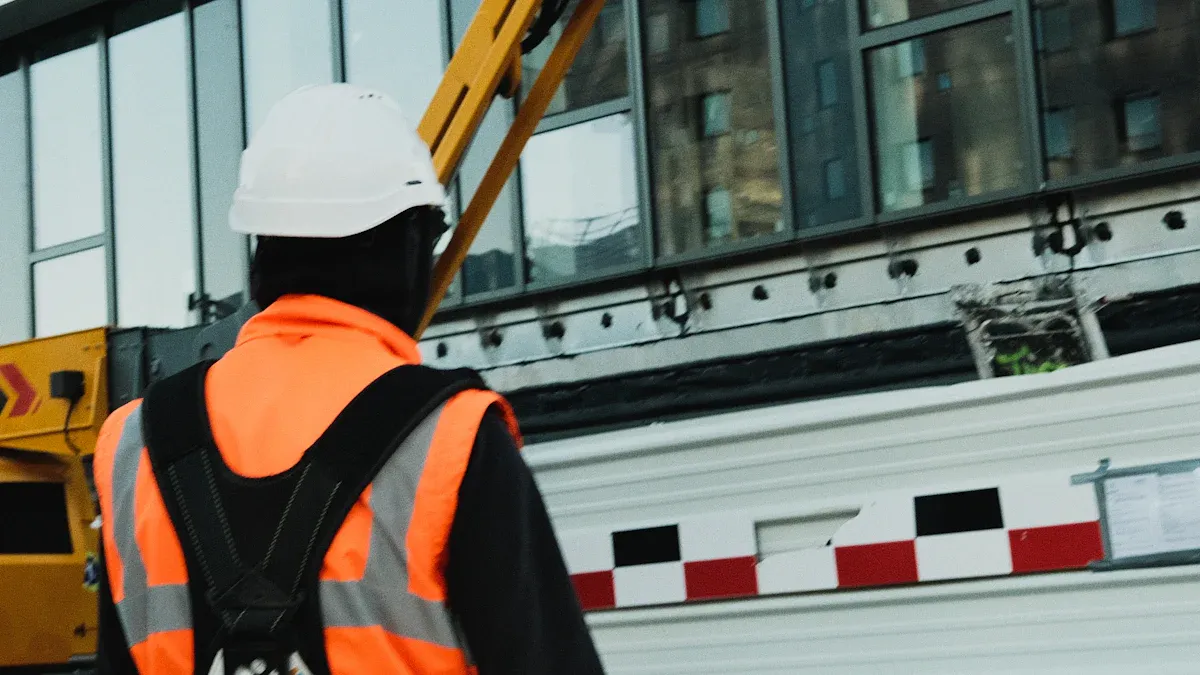
Portal crane operators must learn how to stay safe. They need to know about overhead crane hazards and follow safety steps. Operators must pass written tests and show their skills in practice. They also get checked often to make sure they are ready. Operators should understand load charts and how cranes move. They must know what to do in emergencies. Good eyesight and focus help keep operators safe. Teams should use hand signals, radios, or other tools to talk. Daily safety talks help everyone know their jobs and spot dangers before work starts.
|
Certification Component |
Details |
|---|---|
|
Technical Competencies |
Operators must know load charts, crane movement, rigging types, and emergency steps. |
|
Includes written tests, skill checks, and new tests every 2–5 years. |
|
|
Continuous Training |
Has yearly checks, special site lessons, and retraining after accidents. |
|
Physical & Psychological Requirements |
Operators need sharp eyesight, steady emotions, and strong focus. |
Inspection and Predictive Maintenance
You should check your portal crane often to keep it safe. Daily checks look for crane hazards and alignment problems. Bigger checks happen every few months or once a year. Cranes used a lot need more checks. Predictive maintenance uses smart tools like IoT and AI. These tools watch the crane all the time. They find problems before the crane breaks down. You can fix things when the crane is not busy. This helps the crane work longer and saves money.
|
Inspection Type |
Frequency |
|---|---|
|
Once a day or before each use |
|
|
Periodic Inspections |
Every 3 months to a year |
Predictive maintenance can cut surprise costs by up to 30%. It can also make cranes available 20% more often. CEGC helps you plan maintenance and check your crane from far away.
Emergency Stop and Response Plans
You need a clear plan for emergencies. Train your team to use emergency stop systems and act fast. Good communication between operators and ground staff is important. Your plan should cover equipment failure, medical emergencies, and bad weather. Everyone must know emergency signals and what to do. Practice drills help your team react quickly and stop rail-end collisions. CEGC can help you set up advanced safety features and response plans for your portal crane.
You can stop rail-end collisions by watching the crane all the time. Talking clearly with your team also helps a lot. Following safety rules is very important. Acting fast lowers accidents and helps you get more work done. It also makes people trust each other more. If you need special help, ask CEGC. Using smart sensors, teaching operators, and checking the crane often keeps it safe and working well.
FAQ
What is the main cause of rail-end collisions in portal cranes?
Rail-end collisions happen when operators do not see signals. They also happen if detection systems do not work right. Most accidents can be stopped with good training and smart sensors.
How does CEGC customize safety solutions for my portal crane?
You pick the features you want. CEGC chooses sensor types, how much automation, and safety certifications for your project. This gives you a safety plan that fits your work.
How often should you inspect portal crane safety systems?
Check safety systems every day before using the crane. Do bigger inspections every three months. Regular checks help you find problems early.


