
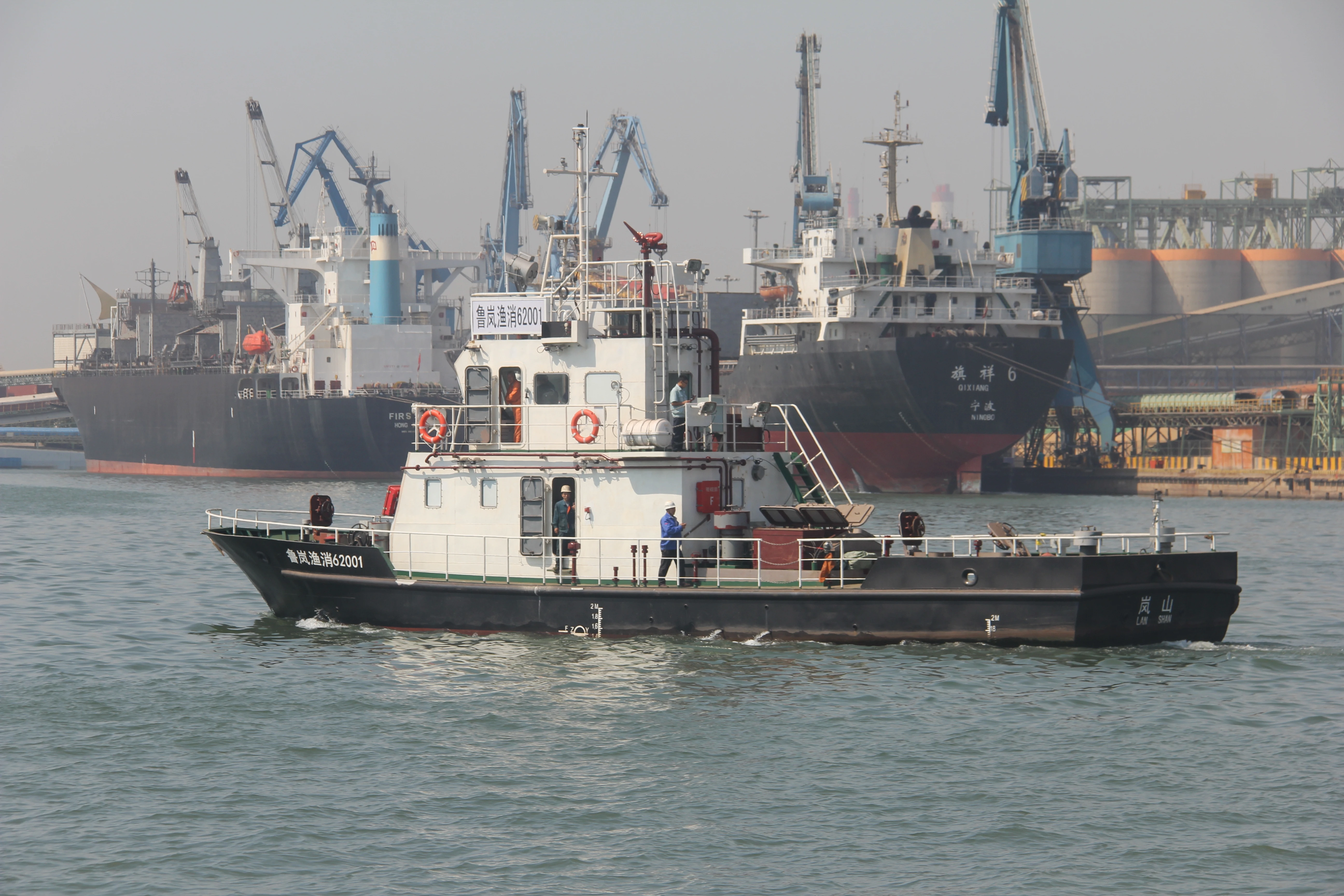
You know safety is very important when you use a Reach Stacker at a busy port or terminal. Many accidents happen because of common problems like load sway, collision risk, and operators not being consistent. Reports also show these causes:
-
Not doing pre-operational checks can cause equipment problems to go unnoticed.
-
Not enough operator training can lead to wrong use of the Reach Stacker.
-
Bad container stacking makes accidents more likely because things can become unstable.
If you want Reach Stacker safety training that actually works, you need training that follows OSHA rules, addresses real dangers, and helps your team operate efficiently. Good safety training is more than just following the rules. You must find Reach Stacker safety training that truly works for your operators and your equipment. The right training helps you meet OSHA goals and keeps your site safe. CEGC provides solutions that enhance Reach Stacker safety training effectiveness. Consider what kind of training will help your team achieve the best safety results. Reach Stacker safety training that actually works instills confidence every shift.
Key Takeaways
-
Pick safety training that uses OSHA rules so your port stays safe and follows the law.
-
Use hands-on training to help stop accidents and make operators better at their jobs.
-
Check and change your training often to fix new dangers and keep safety high.
What Makes Reach Stacker Safety Training That Actually Works
OSHA Compliance and Industry Standards
You have to follow osha rules when making reach stacker training. These rules help keep your port and terminal safe. You need to know what training is needed for operator certification and equipment use. The best training always follows osha and industry rules. You can look at the main osha rules for reach stacker safety in the table below:
|
Regulation |
Description |
|---|---|
|
29 CFR 1917.50 |
Certification requirement for marine terminals, which reach stackers are exempt from. |
|
29 CFR 1917.43 |
General safety requirements for powered industrial trucks, including reach stackers. |
|
29 CFR 1910.178(l) |
Training requirements for powered industrial trucks, which include reach stackers. |
Your courses should also have equipment operation certification. This keeps your team ready and follows the rules. Good training uses hands-on learning. You get real skills and learn what to do on the job. Classroom lessons teach you the ideas, but hands-on practice gives you real experience. When you use hands-on training, you see fewer accidents and better rule-following.
|
Benefit |
Hands-on Training |
Classroom Training |
|---|---|---|
|
Accident Reduction |
N/A |
|
|
Compliance with Regulations |
Meets osha and CSA standards |
N/A |
|
Skill Development |
Real operating skills through practice |
Theoretical knowledge only |
|
Operator Preparedness |
Prepares for real-world conditions |
Lacks practical application |
|
Return on Investment |
$4 to $6 return for every $1 spent |
N/A |
Pick training that fits your equipment and your site. CEGC has courses that follow osha rules and best ways to train. You get training for your container handler, portal crane, and reach stacker forklift. This helps you follow the rules and keep everyone safe.
Real-World Hazard Coverage
There are many dangers in ports and terminals. The best reach stacker training teaches you about these dangers and how to handle them. You should check for hazards before starting your training. You learn about load handling, wind, and skill gaps. You also learn how to stop problems like crashes and overloading.
|
Description |
|
|---|---|
|
Overloading |
Using the reach stacker beyond its weight limit can cause tipping and serious injuries. |
|
Collisions in Narrow Aisles |
Poor control in tight spaces often results in crashes with racks or people. |
|
Improper Maintenance |
Skipping routine checks increases the risk of mechanical failure and accidents. |
Your training should show you how to stop these dangers. You learn to check your equipment, follow osha rules, and use safe ways to handle loads. CEGC’s tech helps lower risks. Anti-sway control keeps loads steady. Safety interlocks stop the machine if there is a problem. Operator-centered HMI gives clear alarms and helps you work safely. You get courses that cover real dangers and teach safe equipment use.
Tip: Always add hazard checks to your training. This helps you find risks early and keep your site safe.
Measurable Safety Outcomes
You need to see proof that your reach stacker training works. The best courses show real safety results. You can track fewer accidents, better operator skills, and more rule-following. Companies see 50% fewer injuries after using good training. You see 80% better worker knowledge and safety habits. OSHA says you get $4-$6 back for every $1 spent on safety training.
You can check your return on investment with these numbers:
|
Metric |
Impact on ROI |
|---|---|
|
Reduced incident rates |
Direct savings and improved reputation |
|
Lower training costs |
Cost-effective training through simulation |
|
Improved operator proficiency |
Faster competency and smoother learning curve |
You also see fewer accidents, less damage, and fewer crashes. Simulation training lets many operators learn at once. You get the same results and steady performance. CEGC’s solutions, like anti-sway and motion systems, help you get the best safety results. You get training that matches your equipment and makes your site safer.
Note: Always check your training and update it for new osha rules and dangers. This keeps your team safe and your work running well.
Pick reach stacker training that covers osha rules, real dangers, and shows results. You get the best outcome when your courses fit your equipment and site. CEGC helps you make training that works for your team and your port machines.
Choosing the Right Reach Stacker Training Program
Assessing Team and Site Needs
You must know what your team and site need. Every port has different risks and equipment. Your safety training should match these needs. Here is a simple way to check your team’s needs:
-
Look at accident reports and safety records. Find patterns in past accidents.
-
Talk to your workers. Ask them about dangers they see each day.
-
Find areas that are risky. Use your data and feedback to spot dangerous places.
-
Check if old training worked well. Look for places where training was not enough.
-
Make sure your training follows industry rules.
-
Do a full check for hazards at your workplace. Look for physical and work risks.
When you use these steps, you can make training that fits your team and site. This helps stop accidents and makes your site safer.
Selecting Qualified Providers
Pick providers who know port machines and reach stacker training. Not all programs are equal. Choose providers with experience in container handler, portal crane, and reach stacker forklift safety training. The best providers can make training for your equipment, like CEGC reach stackers.
Look for these things in a provider:
-
Experience with port and terminal machines.
-
Can make training for your machines, including anti-sway and automation.
-
Knows the latest safety rules and standards.
-
Has a good record of improving skills and lowering accidents.
Check how the provider tests operator skills. Good programs have classroom and hands-on training. They test operators in real work situations. OSHA says operators must be tested every three years. These tests must cover both theory and real skills. Providers should watch operators at work to make sure they follow safety rules.
|
Assessment Area |
Importance |
Business Impact |
|---|---|---|
|
Operator Skill Levels |
Finds skill gaps |
Lowers accident risk |
|
Performance Evaluations |
Tests real skills beyond theory |
Keeps work safe |
|
Ongoing Skill Verification |
Keeps safety with regular checks |
Makes operators more reliable |
Customizing for Equipment and Operations
Your reach stacker training should fit your machines and how you work. Every site uses different machines and has its own ways of working. Training that fits your site gives the best results.
-
Always check the load before lifting.
-
Make sure operators know how to use all features, like anti-sway and automation.
-
Keep up with maintenance to stop breakdowns.
-
Inspect machines often to make them last longer.
-
Prevent problems before they happen.
CEGC offers training made for your reach stacker, container crane, or container handler. You can ask for training that covers your machine’s capacity, anti-sway systems, and automation. This helps your team use the machines safely and well.
Make sure your training stays up to date. Top ports update their programs to match new rules, like EN 1175:2020 for electrical systems. CEGC keeps its training and machines current with the latest changes.
|
Safety Standard |
Description |
Update Date |
|---|---|---|
|
EN 1175:2020 |
Sets rules for electrical parts in industrial trucks. |
April 2023 |
|
Kalmar Compliance |
All Kalmar machines, including reach stackers, meet this rule. |
Ongoing |
Aligning with Company Safety Goals
Your reach stacker training should help your company’s safety and work goals. Good training does more than teach rules. It helps build a safety culture and improve performance.
|
Key Element |
Description |
|---|---|
|
Integrated Approach to Safety |
Share and support safety improvements at all levels. |
|
Employee Engagement |
Encourage your team to follow safety rules and build good habits. |
|
Behavior Management |
Use ways to change unsafe actions and boost safety. |
|
Measurable Safety Goals |
Set clear goals and track progress, like lowering accidents by a set amount. |
|
Continuous Improvement |
Review and update your training often to meet new challenges. |
Take these steps to match your training with company goals:
-
Write a short policy signed by your CEO that says safety comes first.
-
Set SMART goals, like lowering accidents by 10% by year’s end.
-
Reward workers who reach safety goals with prizes or shout-outs.
When you link your reach stacker training to your company’s goals, you make your site safer and more productive. Training that focuses on improvement helps you handle new risks and machines. CEGC gives you training that grows with your needs.
Tip: Check your safety training programs often. Update them when your machines, team, or rules change. This keeps your site safe and your team ready for anything.
To pick and use reach stacker safety training that helps, you should:
-
Pick training that is approved and has skilled teachers.
-
Check if the lessons cover everything you need to know.
-
Make sure the training follows OSHA rules.
-
Add hands-on practice to the training.
-
Change the training to fit your site.
Always make your training better by adding new risks and equipment. Listen to feedback and check your training often to make it stronger.
FAQ
What is the most important part of reach stacker safety training?
You must learn hands-on skills. You need to know how to spot hazards and use your equipment safely every day.
How often should you update your reach stacker training?
You should review your training every year. Update it when you get new equipment or when safety rules change.
Does CEGC offer training for different types of port machinery?
Yes. You can get training for reach stackers, container cranes, and container handlers. CEGC customizes courses for your machines and site.


