
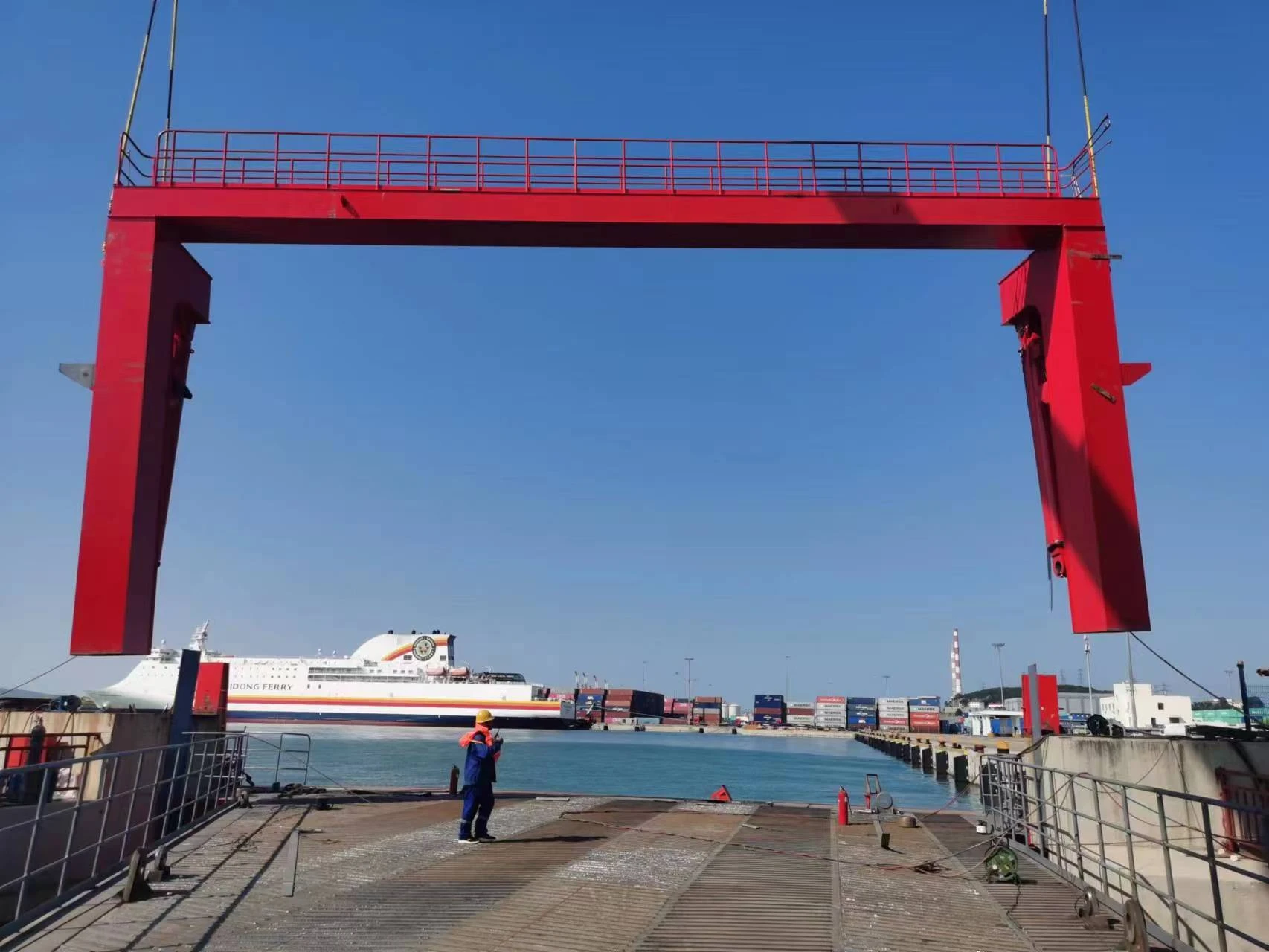
You can see how container gantry crane dispatch improves peak throughput by helping move more containers at busy ports. When you use automated cranes from CEGC, work gets done faster and safer. Cranes with smart controls take the place of people doing things by hand. This makes everything work better and keeps people safe. CEGC provides cranes that feature anti-sway systems, tools to predict when repairs are needed, and strong parts designed for marine environments. These cranes move containers quickly, enhance port safety, and improve overall operational efficiency.
|
Challenge |
Solution with CEGC Cranes |
|---|---|
|
Automated crane dispatch |
|
|
Safety risks |
Anti-sway and advanced safety systems |
|
High costs |
Energy-efficient cranes |
Key Takeaways
-
Automated cranes from CEGC help ports work better. They move containers faster and more safely. This cuts down on waiting time and lets more containers move through.
-
Real-time data and smart dispatch systems help cranes work better. This means there are fewer delays and work gets done faster.
-
Safety features like anti-sway control keep workers safe. Multi-layer safety interlocks also protect people and help move containers correctly.
Automated planning and scheduling for container gantry crane dispatch
Real-time data and intelligent dispatch systems
Automated planning and scheduling help ports move more containers. These systems use real-time data to assign cranes to jobs. This cuts down on waiting time and keeps things moving. Intelligent container recognition tells cranes where to go and what to lift. This leads to higher productivity and fewer delays.
Modern dispatch systems use AI and machine learning to study data. They predict the best routes for cranes. IoT integration lets cranes, trucks, and yard equipment share information. This helps you coordinate movements and avoid bottlenecks. Advanced sensors give exact details about crane position, load, and movement. With these tools, you can run automated operations all day and night. This increases capacity and keeps containers moving.
Here is a table showing how these features work together:
|
Aspect |
Description |
|---|---|
|
AI and Machine Learning |
Analyzes data to optimize operations, predict routes, and monitor movements for efficiency. |
|
IoT Integration |
Enables real-time data exchange for better coordination and predictive maintenance. |
|
Advanced Sensors |
Provides real-time information for precise operations, enhancing safety and efficiency. |
|
Continuous Operation |
Allows for 24/7 functioning, reducing turnaround times and increasing throughput. |
|
Data Utilization |
Helps in tracking performance and improving planning and maintenance scheduling. |
Automated cranes work faster and more reliably than manual ones. They follow smart paths and use automated positioning to lift containers exactly. This lowers mistakes and helps you make better choices. Real-time data integration lets you react quickly to changes in the yard or on ships. This keeps your port running smoothly and boosts throughput.
Anti-sway control and safety interlocks
Safety matters most when handling heavy containers at ports. CEGC cranes have anti-sway control systems to keep loads steady. These systems use intelligent container recognition to spot load movement and adjust crane actions right away. This gives you faster cycle times, better safety, and easier load alignment.
Multi-layer safety interlocks add extra protection. They include overload protection, limit switches, and emergency stop logic. These features help prevent accidents and keep your team safe. Operator-centered HMI shows clear alarms and status updates. This lets you respond quickly to any problems.
Anti-sway systems cut down on load swing. This means you can move containers faster and more accurately. It boosts efficiency and helps you reach full automation goals. Using anti-sway control with safety interlocks lowers collision risks and keeps cranes working at their best.
Integration with terminal operating systems
To get the most from container gantry crane dispatch, you need smooth integration with terminal operating systems. This lets cranes talk to other equipment like AGVs and ship-to-shore cranes. Real-time information exchange helps you coordinate movements and avoid delays.
Integration needs a fast, low-latency wireless network. This makes sure communication between the central server and each crane is quick. AGVs use a virtual mesh map for route navigation. This helps manage container flows well. Connecting cranes to TOS lets you automate planning and scheduling, track performance, and adjust operations as needed.
Predictive maintenance platforms are important too. They use sensors to check crane condition and warn you about issues before downtime happens. This proactive approach makes equipment last longer and keeps your port running strong.
Here is a table showing the benefits of integrating cranes with AGVs and predictive maintenance:
|
Benefit |
Description |
|---|---|
|
AGVs operate continuously, enhancing operational flow and efficiency. |
|
|
Reduced fuel and labor costs |
Automation reduces reliance on manual labor, leading to cost savings. |
|
Increased safety |
Automation minimizes human error, improving safety in port operations. |
|
Faster container processing |
Automated systems enable quicker handling of containers, enhancing throughput. |
|
Reduced unexpected downtime |
Predictive maintenance allows for proactive scheduling, minimizing delays. |
|
Extended asset lifespan |
Regular maintenance based on real-time data prolongs equipment life. |
|
Improved resource utilization |
Efficient use of resources leads to better overall productivity. |
You may face challenges when connecting new dispatch systems to older port setups. As ships get bigger, you must coordinate berth allocation, crane assignments, and yard moves more carefully. Automated planning and scheduling help you solve these problems and keep your port running at top efficiency.
High-throughput container handling and cargo handling efficiency
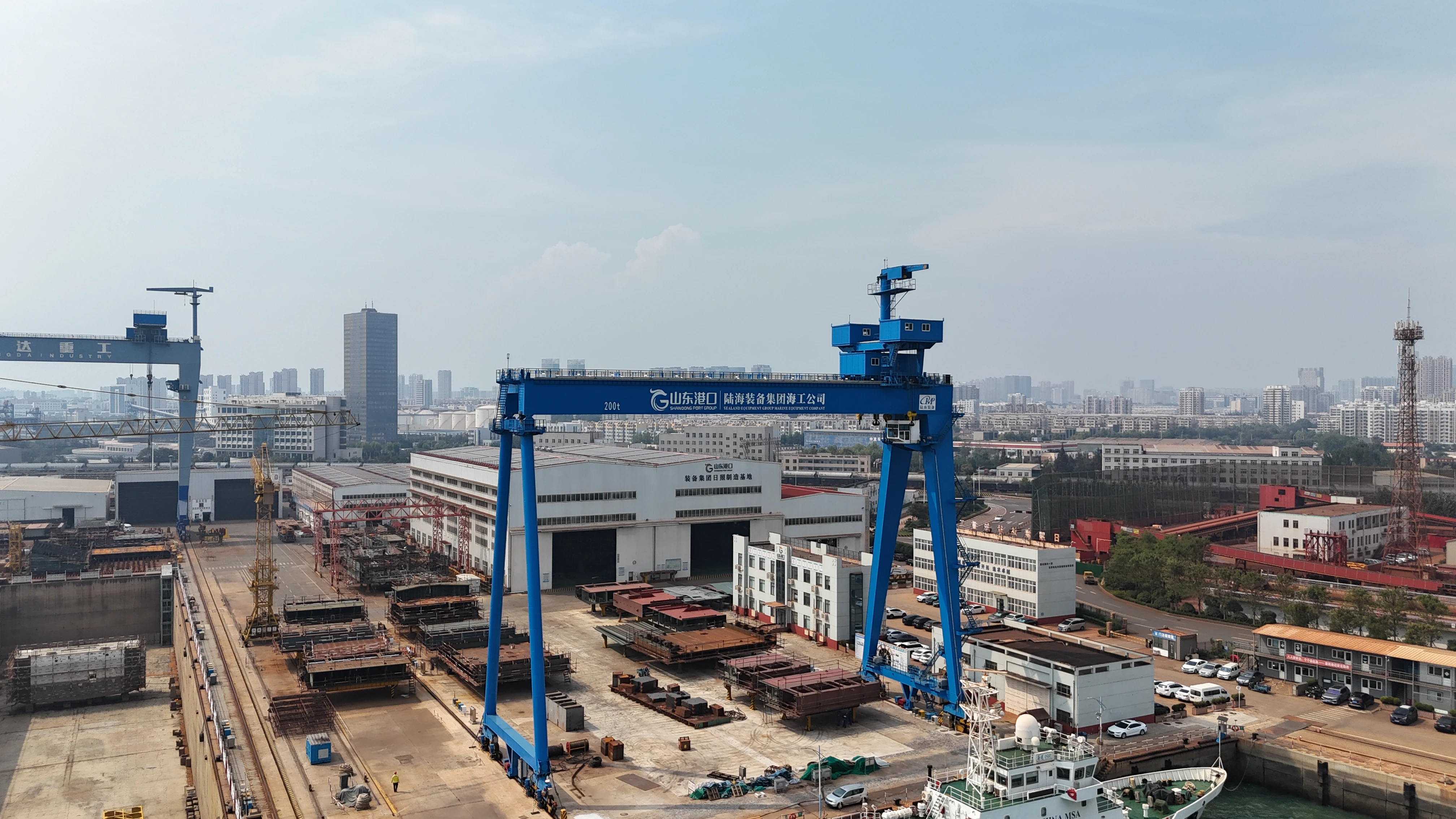
Optimized motion coordination and cycle-time reduction
You can make ports work better by using cranes with smart motion. These cranes move smoothly when lifting, sliding, and rolling. This helps save time and keeps containers moving fast. When you use better motion, you get quicker cycles and more containers moved.
Here is how better motion helps your work:
|
Benefit |
Description |
|---|---|
|
Equipment Cycle Time |
Operations are up to 30% faster, so throughput goes up. |
|
Quay Productivity |
Faster cycles mean ships wait less and the terminal works more. |
|
Cost Reduction |
Shorter cycles cut trip costs and make shipping more reliable. |
You also use less energy because cranes only use what they need. Regenerative braking lets you get energy back, saving 30-40% on power. These changes help you move more containers and waste less.
Load-dependent speed profiles and double cycling
Cranes from CEGC use speed that matches the load and wind. This means the crane goes the right speed for each job. You get safe, steady, and good container handling every time. Double cycling lets the crane pick up and drop off in one trip. This way, the crane can handle more containers and work faster.
You can find these features in CEGC cranes:
-
Span between 10 and 50 meters for different yards
-
Lifting height up to 40 meters for big ships
-
Can work all the time for busy ports
-
Can handle tough weather and salty air
-
Remote control and automation for better work
Marine durability and lifecycle protection
You need cranes that last in hard port weather. CEGC makes cranes strong for marine use. Good materials and smart design protect against salt, wet air, and hot or cold weather. This means you fix cranes less and they last longer.
You can change cranes to fit your port. Pick the design, power, steering, and smart tools you need. These choices help you stop breakdowns, lower repair risks, and move containers better. Strong cranes help you move more containers and keep throughput high.
You get big improvements at ports when you use advanced cranes for dispatch.
-
More containers move through the port, and work gets done faster. Idle time goes down, so ships leave sooner and everything works better.
-
Big ports say they handle 50% more containers and spend 70% less on workers.
-
CEGC is a leader with cranes that work by themselves and three important new ideas.
|
CEGC Achievement |
Description |
|---|---|
|
Fully Automated Container Stacker Crane |
Used at Qingdao Port, making China’s first port that runs by itself. |
|
Independent Breakthroughs |
Three special advances in automated terminal work. |
In the future, you will see things like AI that helps make choices, real-time IoT that shows what is happening, digital twins, and cloud systems that can grow. These new tools will help cranes work their best and make ports even faster.
FAQ
What makes CEGC cranes suitable for busy ports?
You can count on these cranes to work well. They finish jobs fast and last a long time in salty air. These cranes help you move containers quickly and safely, even when the port is very busy.
How do cranes improve safety during container handling?
You use special anti-sway systems and safety interlocks. These tools keep loads steady and help stop accidents every time you lift.
Can you customize cranes for different port needs?
You can pick the size, power, and smart tools you want. This helps you fit the crane to your port and the kind of cargo you have.


