
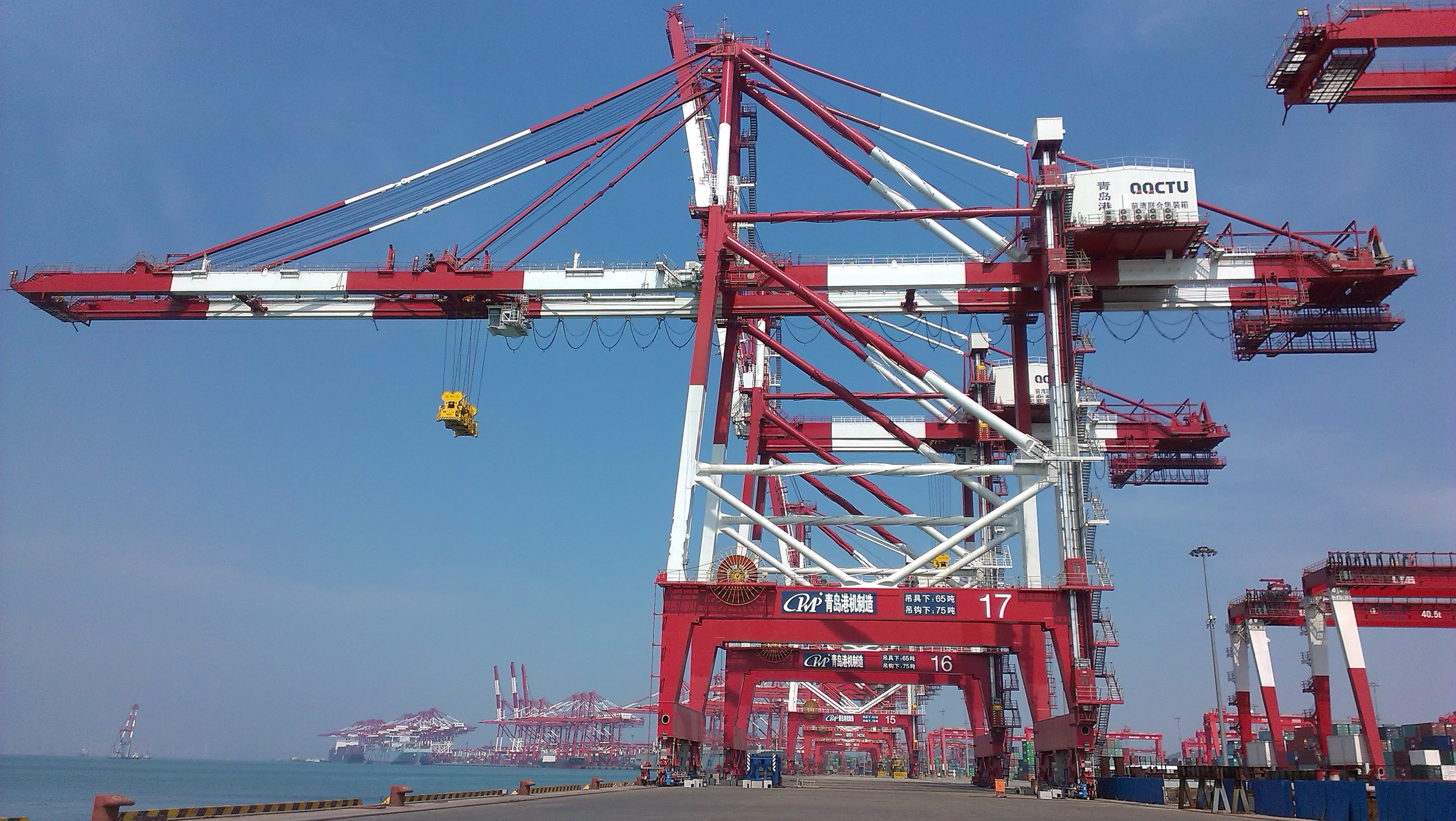
You can help your container gantry crane reduce misalignment alarms by following a few key steps. Start by regularly inspecting the runway and implementing a strong preventive maintenance program. Integrate advanced anti-sway systems to further support your operations. Many container gantry cranes experience misalignment alarms due to runway settling, wheel wear, or abrupt stops. By choosing CEGC solutions, you ensure your container gantry crane reduces misalignment alarms and operates with enhanced safety and reliability. CEGC’s technology is designed to help your container gantry crane reduce misalignment alarms across all crane types. Rely on CEGC to keep your equipment running smoothly and efficiently, minimizing downtime and maximizing performance.
Key Takeaways
-
Checking the runway, rails, and wheels often helps find problems early. This lowers the number of misalignment alarms.
-
Use advanced anti-sway systems to control how loads move. These systems also make the crane more stable when it works.
-
Keep training staff so they know how to use the crane safely. Well-trained operators can also notice problems fast.
Main causes of misalignment alarms
Rail and runway issues
Misalignment alarms often happen when there are rail or runway problems. Rail-to-girder eccentricity puts twisting and bending stress on the girders. These stresses can make cracks and wear out the wheel flanges too much. Sometimes, gearboxes break because of this. If rails do not line up right, the crane can move unevenly and get damaged. Cranes with these problems do not move smoothly and can skew. Checking and fixing the runway often helps you find these problems early. CEGC gives you standard and custom anti-sway systems, safety interlocks, and operator HMI. These tools help stop alignment problems and too much wear.
-
Rail-to-girder eccentricity puts twisting stress on girders.
-
Cracks and too much wear can happen on wheel flanges.
-
Misalignment can make the crane skew and get damaged.
Mechanical wear and improper calibration
Mechanical wear and bad calibration can set off misalignment alarms. You should watch out for these problems:
|
Type of Issue |
Causes |
Symptoms |
|---|---|---|
|
Load, pressure, installation factors, overloaded weights, improper tire pressure, uneven ground, improper tire installation |
Yawing during operation, noticeable vibrations, uneven tire wear patterns, increased rolling resistance |
|
|
Operator Error and Calibration Issues |
Failure to calibrate after maintenance, inadequate operator training, discrepancies due to yard conditions, improper restart procedures |
Loss of control system memory parameters, system overload due to misoperation |
You can stop too much wear and alignment problems by doing regular maintenance and using CEGC’s anti-sway and safety interlock systems.
Environmental and operational factors
Wind, bumpy ground, and bad drainage can mess up crane alignment. Strong wind can make cranes unstable and cause them to skew. If the ground is weak or water builds up, rails can move and wear out fast. You should check the weather and look at important parts often. Different operator skills and load sway also change alignment. CEGC’s operator HMI and anti-sway controls help you handle these risks and keep alignment right.
Recognizing early warning signs
Unusual noises and vibrations
You can find misalignment problems early by listening for odd sounds and feeling for shakes. When the container gantry crane works, listen for grinding, squeaking, or metal clanking. These noises often mean there are mechanical problems. If you feel shaking in the crane or at the control panel, it could be a sign of trouble. If you notice these things, watch the crane’s performance more closely. Vibration analysis lets you check how much the crane shakes when it is working. Too much shaking can mean misalignment or other mechanical problems. By looking at how the crane shakes, you can find out what is wrong and fix it before alarms go off.
Tip: Always listen for strange sounds and feel for shakes during daily checks. Finding problems early stops bigger issues and keeps your container gantry crane working well.
Frequent alarms and uneven movement
If you get lots of alarms or the crane moves unevenly, it needs attention. Watch for jerky moves, slow starts, or rough stops. These signs often mean the crane is not lined up right. Daily checks help you find these problems early. Look for damage on the hoist, ropes, and hooks. Make sure the trolley and bridge move smoothly and do not make loud noises. Check cables, switches, and control panels for any damage. Watch brakes and safety devices to make sure they work right.
-
Nameplates that do not match or missing records may mean someone changed parts without permission.
-
Spreader failures can happen from worn-out parts or control system problems.
-
Uneven ground and bad trailer parking can make misalignment worse.
You can see problems sooner by using operator HMI and condition monitoring systems. These tools help you watch the crane and find warning signs before alarms get worse.
Preventive maintenance strategies for container gantry crane: reduce misalignment alarms
Regular equipment maintenance and inspections
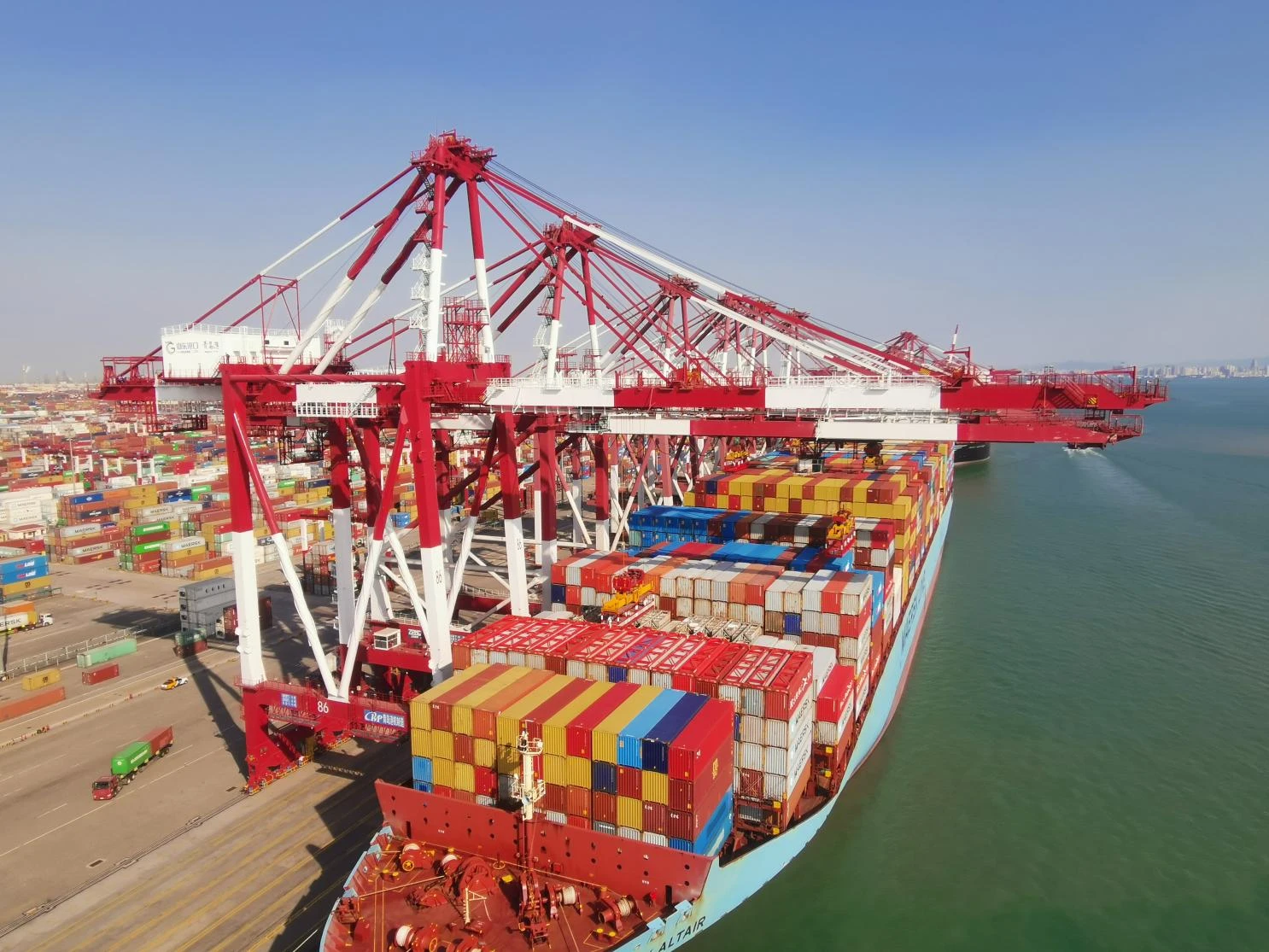
You can keep cranes working well by following a strict maintenance plan. Regular checks help you find problems before misalignment alarms happen. You should look at the runway, rails, and wheels often. Inspections help you find loose bolts, uneven rails, or worn wheel flanges. If you do not fix these problems fast, they can cause misalignment.
A good maintenance plan has runway surveys and equipment checks. The table below shows how different causes of misalignment connect to ways to stop them:
|
Causes of Misalignment |
Prevention Methods |
|---|---|
|
Out-of-tolerance runway conditions (span, elevation, straightness) |
Schedule runway audits/alignment surveys and correct span/elevation |
|
Loose rail fasteners |
Equalize drives, verify wheel diameters, and torque/level end trucks |
|
Mismatched wheel diameters or uneven drive speeds/torque |
Log wheel/rail wear readings; escalate PM frequency when trends worsen |
You should write down all inspection results and do more maintenance if you see more damage. Regular checks also mean looking for cracks, rust, and other warning signs. By following a set schedule, you can keep downtime low and keep cranes safe.
Predictive monitoring systems help you fix problems before they get worse. These systems use sensors to watch vibration, heat, and other things. When you use predictive monitoring, you can spot trouble early and plan repairs before alarms sound. This keeps your cranes working well and lowers the chance of misalignment.
Advanced anti-sway and safety systems
You can lower misalignment alarms by using advanced anti-sway and safety systems. These systems help you control load sway and keep cranes steady when lifting. CEGC gives you anti-sway control, safety interlocks, and operator HMI. These features help you handle heavy loads and bad weather.
The table below lists some advanced systems and what they do:
|
System/Method |
Description |
|---|---|
|
AI-driven Cameras |
Equipped on the spreader to collect position data for precise alignment by identifying container corner castings. |
|
Sensor-driven Control Logic |
Enables accurate container alignment and suppresses pendular motion through time-critical trajectory control. |
|
Inclinometer-based Anti-sway Control |
Utilizes an inclinometer as a sway sensor, offering a cost-effective solution for sway control. |
|
Load Moment Indicators |
Provide warnings when lifts approach limits, allowing operators to correct issues before they escalate. |
|
Overload Limiters |
Automatically stop hoisting if capacity is exceeded, protecting the crane structure. |
|
Height and Travel Limiters |
Prevent over-hoisting and collisions, enhancing safety during operations. |
|
Self-diagnostic Alarms |
Quickly isolate faults to maintain operational safety. |
You can also use safety tools like alarms, hoist brakes, and locking systems. These tools keep operators aware and help stop accidents. When you use these systems, you reduce wear, boost performance, and keep cranes in good shape.
Staff training and operational best practices
You need strong training programs to keep cranes safe and working well. Training helps your team learn how cranes act with different loads and weather. Ongoing training makes sure everyone knows the newest safety rules and how to use new tools.
-
Ongoing training makes sure operators are ready and do their jobs well.
-
Training has hands-on lessons that show how cranes work in different situations, which helps lower misalignment alarms.
-
Continuous learning keeps operators up to date on new tools and safety steps, making work better.
You should add operator training to your maintenance plan. Good training teaches your team how to spot wear, do checks, and use anti-sway systems. When your team knows what to look for, they can find problems early and stop misalignment alarms.
You can also make best practices for daily checks and safe lifting. Make sure your team follows the check schedule and tells you about any damage. When you invest in training, you make the workplace safer and keep cranes working longer.
Tip: Make training a regular part of your maintenance plan. Well-trained staff help you lower alarms, cut downtime, and make cranes work better.
You can make your crane work better by doing these things:
-
Check your cranes often to find problems early.
-
Use predictive maintenance so cranes do not break down as much.
-
Add advanced anti-sway systems to help control loads.
-
Teach your team how to handle cranes safely.
|
Benefit |
How It Helps Your Crane Work Better |
|---|---|
|
Finding problems early |
Less time stopped, cranes work more |
|
CEGC solutions |
Cranes are safer and work better |
|
Fewer accidents |
Work is safer and smoother |
Doing these things helps your cranes work their best. You will have less downtime, fewer repairs, and safer cranes. Your cranes will run well and be more efficient.
FAQ
What should you do if your container gantry crane shows frequent misalignment alarms?
Look at the runway, rails, and wheels for any damage. Check the anti-sway system to see if it works right. Make sure operators know how to use the crane safely. Plan maintenance if you find problems.
How do advanced anti-sway systems help reduce misalignment alarms?
Advanced anti-sway systems keep loads from moving too much. They help you control how the crane moves. This lowers the chance of misalignment alarms when handling containers.
Can you use these strategies for rubber-tyred gantry cranes?
Yes, you can use regular checks, anti-sway systems, and training for rubber-tyred gantry cranes. These steps help stop misalignment alarms and make cranes safer.


