
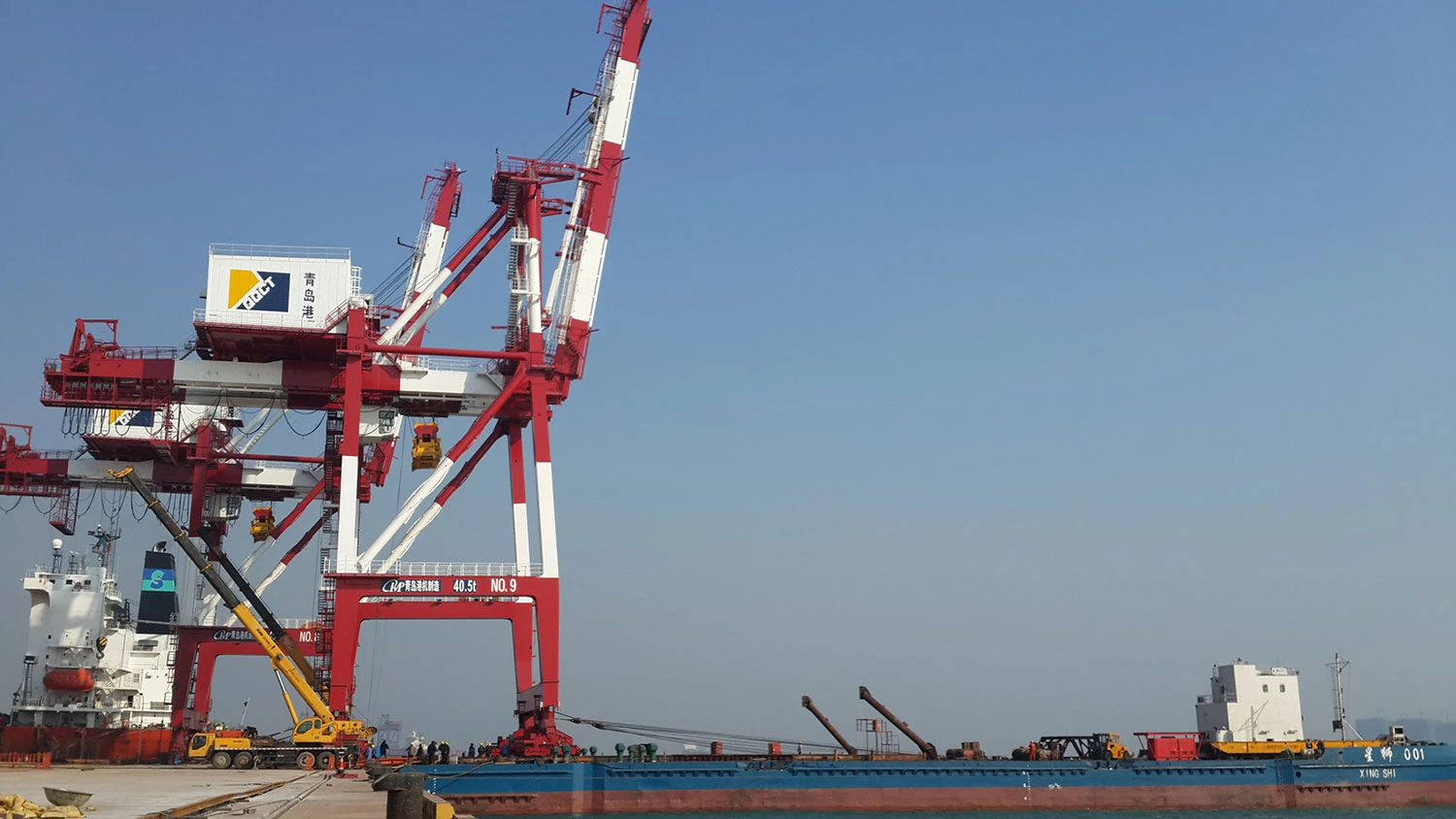
You use container handler: auto stack height control to put containers in the right place. This keeps things safe. Automation and smart sensors help stop accidents. They also make work faster.
-
Automated systems and live tracking lower mistakes by people.
-
Safety sensors warn you about dangers.
-
AI analytics help use resources better.
|
Region/Port Size |
Adoption Rate |
Key Details |
|---|---|---|
|
Panama (MIT) |
25% of moves by 8% of fleet, better efficiency |
|
|
Asia (Busan, Incheon) |
180+ cranes across 5 terminals |
High productivity, fast setup, twice as much volume in 6 months |
CEGC gives you standard specs and can change projects for your port machines.
Key Takeaways
-
Auto stack height control helps stack containers safely and correctly. It lowers the chance of accidents.
-
Automation and real-time data analytics make work faster. This lets ports move more containers in less time.
-
Safety systems, like anti-sway controls, make work safer. They protect workers and equipment.
What is container handler: auto stack height control
Definition and core function
Container handler: auto stack height control helps you stack containers at the right height every time. This system makes stacking safe and fast. You do not have to guess or only use your eyes. The system checks the height for you and tells you when to stop stacking. This means you get the same results each time and make fewer mistakes.
Key components and technology
Container handler: auto stack height control uses high-resolution sensors. These sensors measure how high the stack is with great accuracy. The ODS 9 measuring sensors are good for easy and flexible stack height measurement. They send distance values as analog signals, so you can control the stack height exactly. Automation technology links these sensors to the control system. You see data right away and can change things quickly.
-
Sensors check the stack height and send information to the control system.
-
Automation uses this information to help guide the container handler.
-
You get warnings if the stack height is not safe.
Why stack height control is critical
You need container handler: auto stack height control to keep your yard safe and working well. Good stack height management keeps containers steady. If you stack too high, the bottom containers get too much pressure. This can cause accidents. You keep the stack height safe, usually between four and six containers high. This keeps the yard steady and lets you get containers fast. You move more containers and lower the chance of problems.
Automation in container handler loader operation
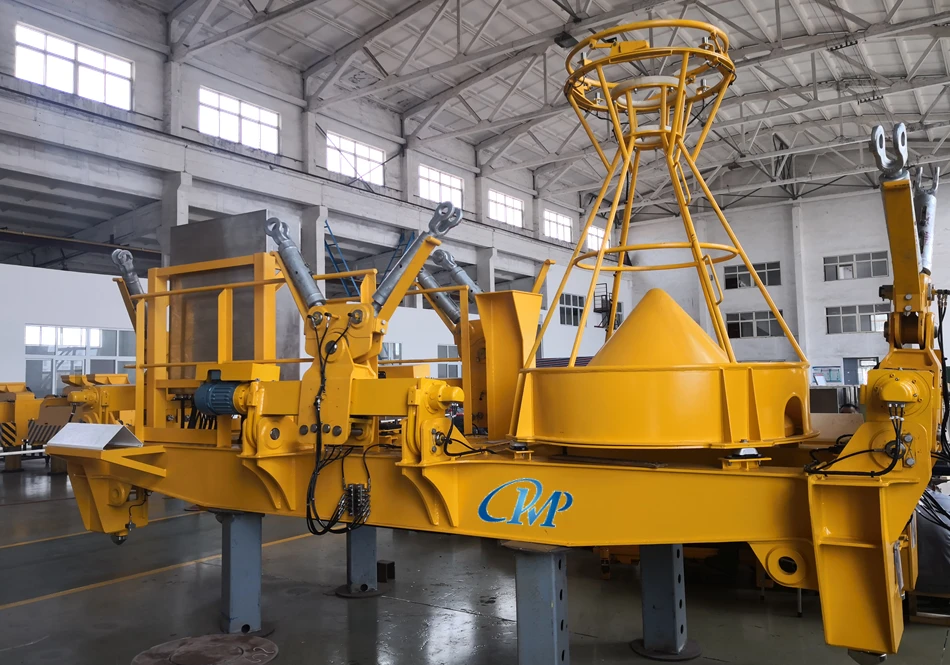
How automation works in stacking
When you move a container at a busy port, automation helps. It lets you load and unload containers quickly and correctly. You do not have to guess or just use your eyes. The system lines up the spreader with the container and locks it. You can lift and move containers exactly where they need to go. Automation makes these steps safe and easy to repeat.
-
Automation helps guide the reach stacker or container handler.
-
The system checks the spot and height before you move anything.
-
Automation stops mistakes and keeps work moving smoothly.
Auto stacking systems make things faster and safer. They help you when the dock is crowded or there are not enough workers. Automation lets you move more containers in less time. You can count on the system to keep things steady, even when it gets busy.
Camera systems and laser sensors are important for automation. They cut down on mistakes and help the system find containers by itself. You get better results with less work. Automation lets you focus on other jobs while it handles the usual steps.
Sensors, data, and real-time adjustment
Sensors are like the eyes and ears of automation. They measure how high the stack is, where the container is, and how it moves. High-resolution sensors send information to the control system. You see this data right away. The system uses the data to make quick choices.
-
Sensors check the area and the container’s condition.
-
Data goes to the automation system for fast checking.
-
The system changes what it does if it finds a problem.
Real-time data analytics help you work better. Truck idling drops by 18% when you use analytics. Berth productivity can go up by 22% with automation and analytics together. You can see how full the yard is and how long trucks wait. This helps you make quick choices and keep things running well.
Automation brings together data from many places. You can watch important numbers and spot problems early. The system helps everyone work together and talk better. You get better stacking and higher efficiency.
Operator interface and safety systems
You use a clear operator interface to work with automation. The system gives you alarms, updates, and step-by-step help. You do not have to guess what to do next. The interface helps you learn fast and work with confidence.
Operator assistance systems help you in busy terminals. You make small choices all the time. Automation gives you information and safety checks. The system does not take over your decisions. It works with you to keep things safe.
Safety systems have anti-sway controls and safety interlocks. Anti-sway uses sensors and control rules to keep loads steady. You avoid swinging and twisting that could cause accidents. Safety interlocks use position sensors, limit switches, and control units. They stop unsafe moves and follow a safety plan. You get warnings if the load is too heavy or something is wrong.
Container cranes have many safety controls. Load moment indicators and overload limiters protect you and the machine. The system stops lifting if the load is not safe. You can trust automation to lower risks and keep people safe.
Note: CEGC gives automation solutions for your project. You get help picking equipment and making operations better. CEGC can change automation for different port machines, like portal cranes, container cranes, and reach stackers. You can pick the right automation, sensors, and safety for your port.
Automation also helps you follow the rules. You must know each container’s weight and use fall protection when needed. Automation systems help you follow these rules and keep your team safe.
Benefits, challenges, and CEGC solutions
Safety, efficiency, and throughput gains
You want your port to be safe and fast. Auto stack height control helps you do this. It makes every part of loading and unloading better. The system lets you stack containers higher. This means you use space well and can fit more containers. You do not have to move containers around as much. This makes loading and unloading quicker and easier. The system also helps you make fewer mistakes. You do not waste time fixing problems. Here are ways auto stack height control helps your yard:
|
Benefit Description |
Impact on Performance and Throughput |
|---|---|
|
Higher stacking with more layers |
Increases storage and improves container handling performance |
|
Less container flipping needed |
Speeds up loading and unloading, making workflows smoother |
|
Faster access to upper-level containers |
Raises yard performance and reduces wait times |
|
Streamlined operations from arrival to retrieval |
Improves overall loading and unloading performance |
Common challenges and technical solutions
You might have some problems when you add auto stack height control. These problems can be yard space, moving containers, and planning the best times. Wind and taking care of machines can also cause trouble. CEGC gives you answers for these problems:
|
Challenge |
Solution from CEGC |
|---|---|
|
Wind load |
Aerodynamic crane design lowers wind resistance |
|
Maintenance |
Predictive maintenance plans improve reliability |
|
Marine durability |
Corrosion-resistant materials and protective coatings |
You also get strong hydraulic systems and machines that save energy. These things help you keep good performance when you load and unload.
Real-world scenarios and project customization
You can see how CEGC’s solutions work in real ports. Some ports use CEGC machines with special coatings and stainless steel parts. These things help the machines last longer near the ocean. You get regular check-ups and it is easy to look at the machines. CEGC lets you pick what your equipment needs. You can choose anti-sway, predictive maintenance, and marine protection. This helps you get the best results for your port.
You can notice how auto stack height control and automation make container handling different. CEGC gives you normal specs and also lets you pick custom choices. This helps you make things safer and work better.
-
Add more digital tools to your supply chain
-
Use automated systems to do a better job
-
Try out AI, IoT, and blockchain for new ways to grow
FAQ
How does auto stack height control help you with a container handler loader?
You use auto stack height control to keep your container handler loader safe. It helps you stack containers at the right height. You avoid mistakes and work faster.
Can you use software to improve your reach-stacker operations?
You use software to track your reach-stacker. It gives you real-time data. You see where your reach-stacker is and how it moves. You make better choices.
Why do you need both a container handler loader and a reach-stacker in your yard?
You need a container handler loader for heavy lifting. You use a reach-stacker for fast moves. Both tools help you handle containers safely and quickly.


