
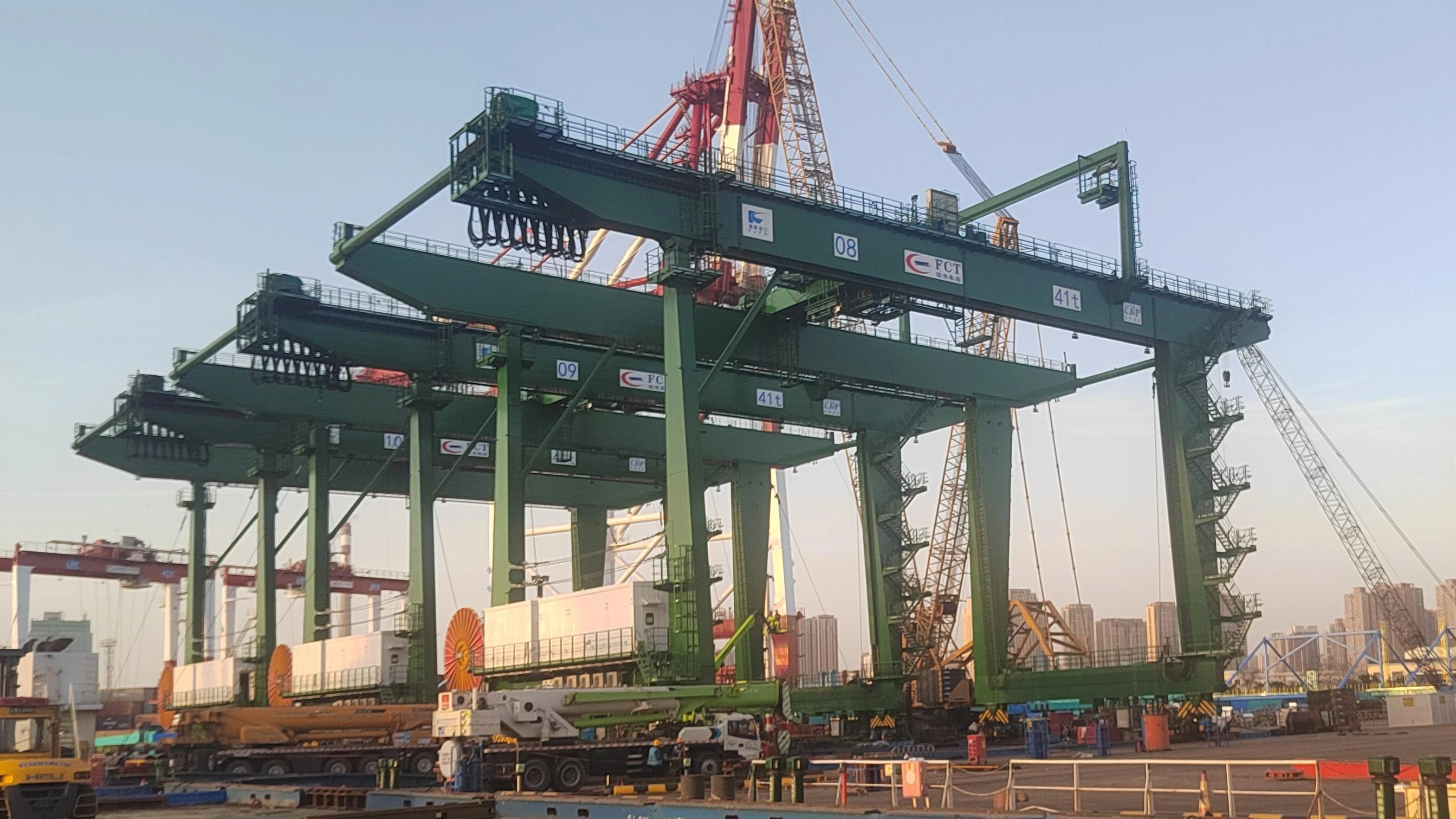
You face significant challenges in container handling when loads are in motion. This movement increases the likelihood of collisions and complicates the precise placement of containers. With CEGC, our container handler: less sway means fewer impacts, enhancing safety and efficiency. We provide excellent performance and can customize solutions to meet your project needs. By choosing CEGC, you can improve safety and operational effectiveness in your container handling processes.
Key Takeaways
-
Anti-sway technology helps stop loads from swinging a lot. This makes container handling safer and better. - Using anti-sway systems can make work faster by up to half. This means things get done quicker and with fewer mistakes. - CEGC has anti-sway solutions you can change for your port. These solutions help your port work better overall.
Container handler: less sway means fewer impacts
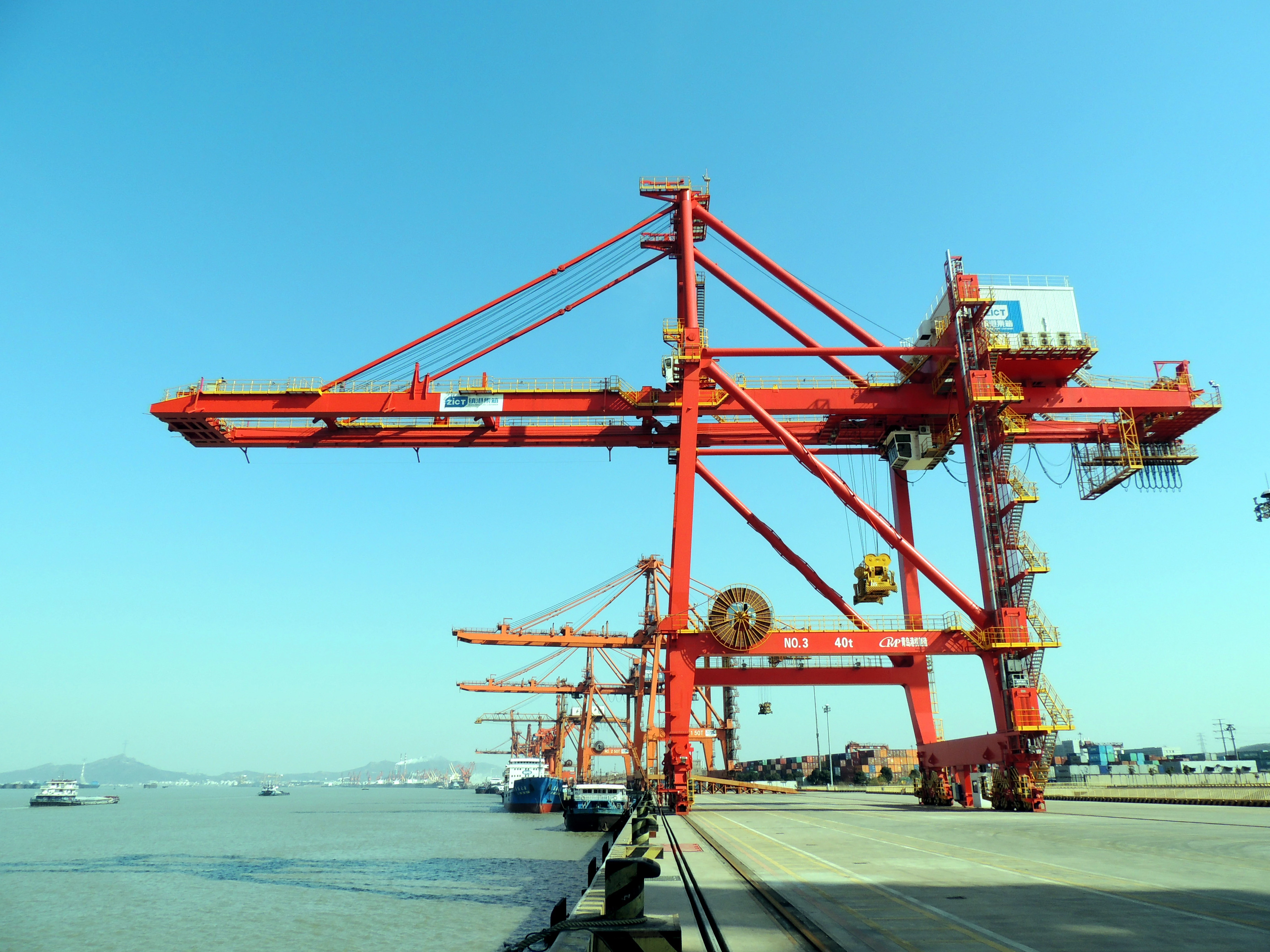
Understanding Load Sway
You notice load sway when a container handler moves a hanging load. The container swings back and forth or side to side. Load sway is a big problem in container handling and container gantry cranes. It makes your work harder and less predictable.
Many things cause load sway in your daily work:
-
The crane trolley speeds up or slows down quickly.
-
Wind pushes against the container.
-
The container moves unevenly when picked up or placed.
-
Operators make mistakes with manual controls.
Busy ports make load sway even more challenging. Even small sway can cause big problems. You must wait for the load to stop moving before placing it. This waiting slows your work and raises the chance of errors. You also need to keep space from walls and other containers. This reduces how much you can store.
Impact on Safety and Efficiency
Load sway does not only slow you down. It also raises the risk of crashes and accidents. When a container swings, it can hit other containers, machines, or people. This risk gets worse when wind changes or operators use different methods. Safety reports show wind makes load sway worse, causing mixed safety results. You must handle these risks to keep your team and equipment safe.
Let’s see how load sway affects your work:
|
Impact Factor |
Effect on Operations |
|---|---|
|
Increased Cycle Times |
Fighting sway can take up to 30% of move time, hurting productivity. |
|
Complicated Load Positioning |
Sway makes it harder for operators to place loads, needing more time and effort. |
|
Reduced Productivity |
In busy places, time spent fighting sway can slow port and ship turnaround. |
You may see load sway increase your cycle times by up to 100%. You must spend extra time to control the load and avoid crashes. This extra time lowers your efficiency and can cause delays for ships.
You also notice more wear on your machines. Fighting sway puts stress on crane parts. Over time, this stress leads to higher maintenance costs and more downtime.
Tip: Anti-sway technology helps lower these risks. You can improve accuracy and speed with advanced sway suppression and sway control systems.
CEGC knows these problems. Our container handler: less sway means fewer impacts meets safety and anti-sway standards. You can ask for custom options for your project. Pick the right sensors, anti-collision zones, and safety backups for your port. With CEGC, you get reliable anti-sway technology that fits your work and boosts your efficiency.
Anti-sway technology for container gantry cranes
How Anti-Sway Systems Work
Anti-sway technology is a big improvement for container gantry cranes. This system uses sensors, control algorithms, and actuators to keep load sway small. Sensors check how the container moves and send this information to the crane’s control system. The control algorithms look at the data and figure out how to fix the movement.
Here is a table that explains how different control algorithms work:
|
Control Algorithm |
Description |
|---|---|
|
Proportional-Integral-Derivative (PID) Control |
Finds the difference between where the load should be and where it is, then sends signals to reduce sway. |
|
Model-Based Control |
Uses math to guess what will happen and changes forces right away. |
|
Fuzzy Logic Control |
Uses rules to decide what to do based on sensor data, and handles tricky situations better than old methods. |
Actuators are important for fixing sway right away. They change how fast the trolley moves, how the bridge moves, or how fast the hoist lifts. These changes help stop load sway quickly. Active anti-sway technology lets you control the crane well, even when it moves fast.
Multi-layer safety interlocks give you more safety. You get overload protection, limit switches, emergency stop logic, and zone-based collision prevention. These features lower the chance of accidents and keep your team safe.
You can have problems when you add anti-sway systems to old cranes. Old wiring or small control rooms can make upgrades hard. You fix these problems by using new cables, putting things in different places, and using advanced sensors like inertial measurement units. These sensors find movement and tell drive motors what to do, which helps keep loads steady.
Safety and Efficiency Benefits
Anti-sway technology gives your port many good things. You see faster cycle times because the system stops load sway in seconds. This means you wait less and move containers more. You notice your work gets done faster.
Here is a list of how actuators help stop load sway and make your work better:
-
Change trolley speed to stop swinging loads.
-
Move the bridge to keep containers steady.
-
Control hoist lifting speed for smooth placement.
You also see operators get less tired. Anti-sway technology makes work less stressful and cuts down on mistakes. Operators can focus on making choices instead of fighting load sway. The table below shows how anti-sway systems help operators:
|
Benefit |
Description |
|---|---|
|
Lower operator stress |
Anti-sway systems make work easier for operators. |
|
Fewer human errors |
Automation helps operators make fewer mistakes. |
|
Improved shift performance |
Operators can focus on choices, not just stopping sway. |
|
Reduced cognitive load |
Anti-sway systems let operators do more important tasks. |
|
Enhanced focus |
Operators are less distracted, so they make better choices. |
You save money on repairs. Anti-sway technology makes crane moves more exact and lowers the chance of damage to cranes and cargo. This means cranes last longer and cost less to fix.
CEGC puts anti-sway technology together with terminal workflow management systems. You use smart yard cranes with controls that cut down on load sway. The system stops sway in three seconds, which can cut sway time by up to 15%. Heave compensation and anti-sway features make the area safer. You can change cranes to fit different sizes and needs, which helps you use your resources better and get more done.
You see new trends in anti-sway technology. Systems are getting smarter, moving from simple dampening to real-time analytics. Soon, cranes will use high-speed cameras and laser scanners to watch how loads move. The crane’s PLC will figure out how the load swings and change movement to stop sway.
Tip: Anti-sway technology helps you work with more accuracy and speed. You get safer, faster, and more reliable container handling.
Anti-sway technology helps keep your work safer. You see fewer impacts when you use it. CEGC gives you strong performance and custom choices. Anti-sway systems can cut load sway by up to 95%. They lower the chance of injuries and make work faster by 50%. Experts say AI upgrades and full packages help make container handling more reliable.
FAQ
What is anti-sway technology in container handlers?
Anti-sway technology uses sensors and smart controls. It makes containers swing less. You can place containers more exactly. This helps you finish work faster. It also keeps you safer.
How does CEGC customize anti-sway systems for my port?
You pick the sensor types you want. You choose safety features and control options. CEGC makes sure the system fits your port.
Tip: Ask about custom choices for your project to get the best results.
Will anti-sway systems reduce maintenance costs?
Yes. Crane parts do not wear out as fast. Fewer impacts mean fewer repairs.
|
Benefit |
Result |
|---|---|
|
Less wear |
Lower costs |
|
Fewer impacts |
Less downtime |


