
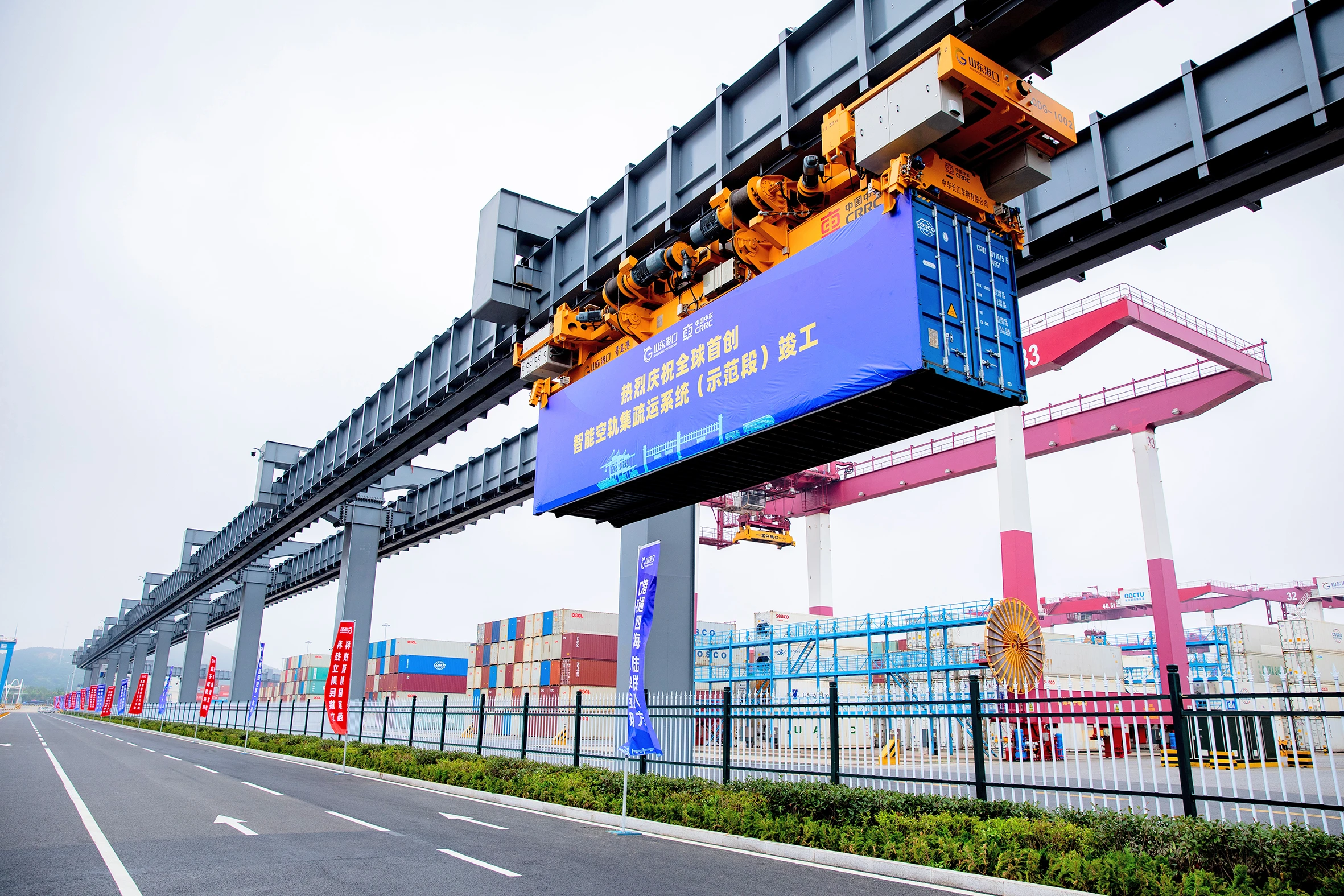
You face real dangers when you use container handling equipment. Accidents can happen because of load sway, bad cargo loading, or broken equipment. The table below lists common safety risks:
|
Safety Risks |
Description |
|---|---|
|
Improper Cargo Loading |
Cargo that is not tied down can hurt people and break ships or containers. |
|
Equipment Failure |
Skipping checks can make machines stop working right. |
|
Load Sway Incidents |
Swaying containers can make things unsafe and unstable. |
|
Collision Exposures |
Bad planning makes crashes and cargo loss more likely. |
Advanced collision avoidance systems, like the ones from CEGC, help you stop accidents and keep people safe. These systems help you work better because you can focus on putting loads in the right spot. With Container handling equipment: anti-collision ROI, you get clear benefits for your business.
Key Takeaways
-
Using collision avoidance systems can cut accidents by 10-20%. This makes the workplace safer and lowers repair costs. Real-time monitoring and predictive maintenance find problems early. This keeps cranes working and reduces downtime. CEGC's anti-collision technology helps cranes work closer together safely. This moves containers faster and boosts productivity.
Container handling equipment: anti-collision ROI
Prevent accidents and reduce costs
You want your port to be safe and work well. Container handling equipment: anti-collision ROI helps you make things safer. When you use collision avoidance systems, you have fewer crashes and lose less money. These systems use sensors and watch where cranes move. They make sure cranes and containers stay apart. This keeps accidents from happening and protects your money.
-
Collision avoidance systems can lower crash numbers by 10–20%.
-
You spend less on repairs because you avoid big problems.
-
If a crane works for just one more week, you can save enough to pay for most of the system.
-
You make the workplace safer, so people get hurt less and your team is safer.
When you use crane collision avoidance systems, they step in if there is a problem. The sensors can tell if a crash might happen and stop the crane before it gets damaged. This keeps your machines working well and saves you money from accidents.
Collision avoidance systems for CEGC cranes
CEGC makes collision avoidance systems for all kinds of cranes. This includes portal cranes, container cranes, and reach stackers. These systems use smart sensors and watch how cranes move. They make sure cranes do not hit things at the end of their path.
-
Anti-sway control keeps loads from swinging, so accidents are less likely.
-
Safety interlocks stop the crane if something goes wrong, giving you extra safety.
-
Operator-centered HMI shows clear alarms and information, so you can act fast and make good choices.
With CEGC’s crane collision avoidance systems, you see results quickly. The systems help you stop accidents, cut down on downtime, and keep cranes working longer. You also get live data from sensors, which helps you check how things are going and fix problems before they get worse.
Reduced downtime and maintenance
You want your container handling equipment to work without stopping for a long time. Collision avoidance systems help you do this. These systems use sensors and watch where things move to find problems early. They give you data so you can fix things before they break.
|
Aspect |
Description |
|---|---|
|
Transparency |
You know more about your work with live data from sensors and monitors. |
|
Predictive Maintenance |
The systems guess when things might break and help you plan repairs, so you have less downtime. |
|
Efficiency |
You fix things before they break, so your terminal works better. |
When you use container handling equipment: anti-collision ROI, you keep your cranes safe and make them last longer. The systems help you stop accidents, spend less on repairs, and keep your machines working. You have fewer crashes, less damage, and more time working. This means you get more out of your money and your port works better.
Enhanced productivity and operational benefits
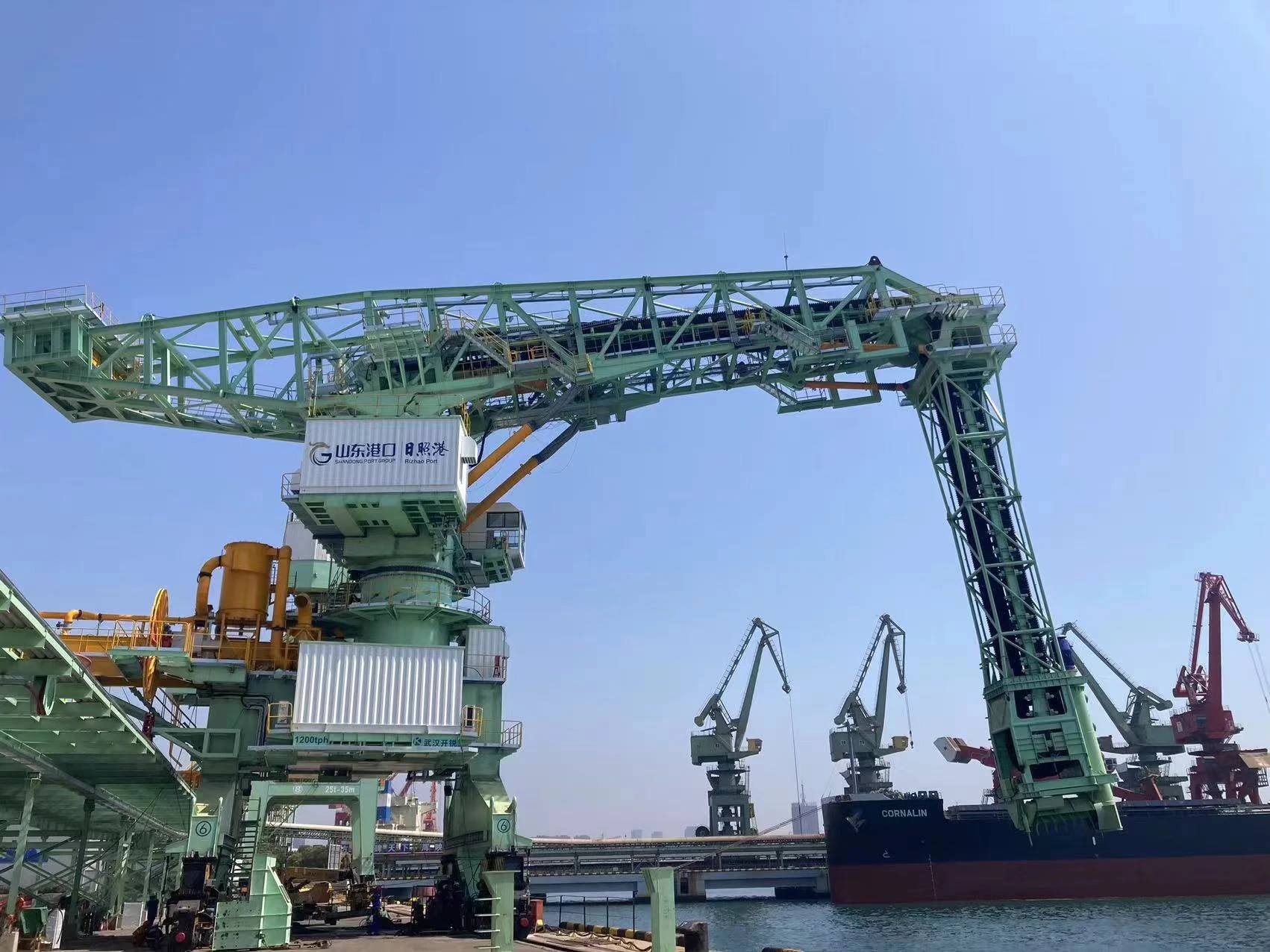
Faster cycle times and workflow integration
You want your port to move containers fast and safe. Collision avoidance systems help cranes work close together without danger. Sensors look for obstacles and stop cranes from hitting each other. Cranes do not have to slow down as much, so you get faster cycle times. Real-time tracking shows where every crane is and what it does. This makes planning easier and helps you avoid delays.
Here is how these features help you work better:
|
Evidence Description |
Productivity Gain |
|---|---|
|
Yard dwell time goes down in 7 days after using the equipment. |
Containers move faster, so efficiency gets better. |
|
Real-time tracking helps manage the yard and boosts productivity. |
Loading and unloading become easier and quicker. |
|
A distributor got 40% more usable yard space with a visibility system. |
Space is used better, so productivity goes up. |
|
Predictive maintenance stops downtime before it happens. |
Operations run smoother and costs go down. |
|
Ship-to-Shore Cranes load and unload faster, so ships spend less time at the port. |
Turnaround time drops and total cost per call is lower. |
You can connect these systems to your terminal workflow software. This lets you manage cranes and containers all in one place. Sensors give you live data, so you get better safety and efficiency.
Predictive maintenance and lifecycle protection
Collision avoidance systems do more than stop accidents. They help you take care of your cranes. Sensors check each crane and warn you if something needs fixing. You can fix small problems before they cause downtime. This keeps cranes working longer and lowers maintenance costs.
|
Benefit |
Description |
|---|---|
|
Improved Worker Safety |
Fewer accidents happen because cranes, vehicles, and people stay apart. |
|
Reduced Equipment Damage |
Crane structures and yard stay safe because collisions are avoided. |
|
Increased Operational Efficiency |
Cranes can work closer together and still be safe, so yard throughput goes up. |
|
Lower Maintenance and Downtime |
Repair costs go down and equipment is available more often because accidents are prevented. |
You feel better because your cranes stay in good shape. You also save money by avoiding expensive repairs.
Real-world use cases: CEGC container handling equipment
Many ports use CEGC cranes and reach stackers to work better. When you add collision avoidance systems, you see big improvements. Real-time monitoring gives updates on every crane. Anti-sway technology keeps loads steady and lowers accidents. CEGC reach stackers help move containers faster and cut yard dwell time. Operations run smoother and downtime drops.
-
Real-time monitoring makes things safer by showing what each crane does.
-
Anti-sway technology lowers collision risk and keeps loads steady.
-
CEGC reach stackers make the yard more efficient and help avoid delays.
You can count on CEGC equipment to boost productivity and keep your port running well.
You get real value when you use anti-collision and automation systems with your container handling equipment.
-
CEGC’s solutions can be changed to fit your needs and help make things safer and work better.
-
You keep more money in the long run and your team stays safe.
Think about using CEGC technology to help your port be safer and work faster.
FAQ
How do anti-collision systems help my port?
Anti-collision systems use sensors to keep cranes safe. They stop cranes from hitting things. This means fewer accidents happen. Workers stay safer. Equipment gets less damage.
Can I use CEGC anti-collision solutions with any crane?
Yes! You can use CEGC anti-collision systems with many cranes. They work with portal cranes, container cranes, and reach stackers. These systems fit lots of container handling equipment.
What is predictive maintenance, and why does it matter?
Predictive maintenance uses live data to warn you early. You fix problems before something breaks. This helps cranes last longer and work better.


