
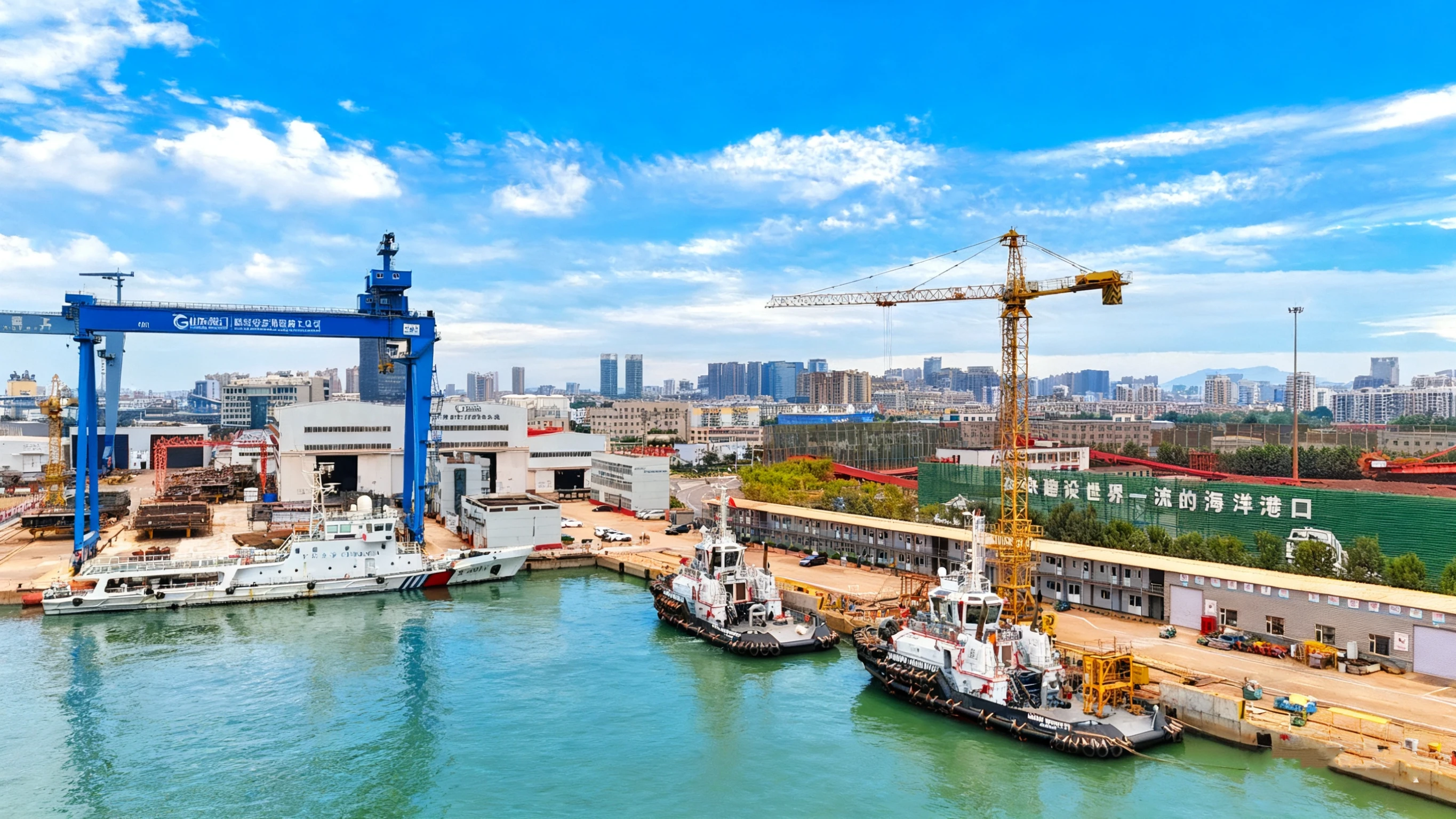
You learn important things by watching container handling equipment remote monitoring kpis. The main key performance indicator groups are operational, maintenance, safety, and environmental. CEGC helps you make things safer and faster with real-time alerts and automation. Remote monitoring helps your port work better and cost less over time.
Key Takeaways
-
Watch how much you use your equipment to make sure it works well. Try to keep the utilization rate between 70 and 80 percent. This helps you get the most out of your machines.
-
Cut down on downtime by using predictive maintenance and remote diagnostics. These tools find problems early. They help keep your equipment ready and reliable.
-
Check turnaround time to make the port work better. Try to keep truck turnaround between 30 and 45 minutes. This stops traffic jams and makes customers happier.
Key container handling equipment remote monitoring KPIs
Equipment utilization
You check equipment utilization to see how often your portal crane, container crane, or reach stacker is working. This KPI tells you how well you use your machines. The best ports have utilization rates between 70 and 80 percent. You want your equipment to be busy but not too busy. High utilization means you get more from your investment. Low utilization can mean scheduling issues or too much downtime.
|
Metric |
Description |
|---|---|
|
Crane moves per hour |
Counts how many containers a crane moves in one hour. This shows how efficient it is. |
|
Vessel turnaround time |
Measures how long it takes for a vessel to load or unload and leave the berth. This shows how well operations run. |
|
Berth occupancy |
Shows how much time the berth is used. This tells you how well the space is used. |
You can improve utilization by using predictive maintenance and workflow integration from CEGC. These tools help you plan better and stop unplanned breaks. When you track container handling equipment remote monitoring kpis, you find ways to get better.
Downtime and availability
Downtime means your equipment is not working. Availability shows how often your machines are ready to work. You want high availability and low downtime. Downtime can be planned, like for maintenance, or unplanned, like when something breaks. Common reasons are technical problems, bad weather, or waiting for other equipment.
|
Cause of Downtime |
Description |
Impact on Availability |
|---|---|---|
|
Planned Downtime |
Scheduled maintenance, checks, and updates. |
Equipment is not working during these times. |
|
Unplanned Downtime |
Unexpected failures from technical issues or weather. |
Repairs take time and are not predictable. |
|
Resource Availability |
AGVs and straddle carriers may not be at the quayside. |
Delays in arrival make cranes wait. |
|
Synchronization of Ops |
Quay cranes and other equipment like ASCs must work together. |
If ASCs are not ready, operations are delayed. |
|
Weather and External Factors |
Bad weather can stop work completely. |
This is unpredictable and can cause lots of downtime. |
You can lower downtime by using CEGC’s predictive maintenance and remote diagnostics. These tools help you find problems early and fix them before they get worse. Tracking port operations kpis helps you keep your equipment ready and dependable.
Moves per hour
Moves per hour tells you how many containers your crane or handler moves in one hour. This is a key measure of how productive your terminal is. Automated terminals often do more than 30 moves per hour. If your number is lower, you may need to make your process better.
-
Automated monitoring uses real-time data instead of manual checks. This makes things more efficient.
-
Problems are found quickly and alerts are sent right away. This helps operations run smoothly.
-
Clear reporting builds trust with shippers. This can help performance get better.
You can use CEGC’s motion coordination and anti-sway systems to move more containers each hour. These features help you work faster and safer. Tracking container handling equipment remote monitoring kpis lets you see how you are doing.
Turnaround time (TAT)
Turnaround time measures how long it takes for a truck or vessel to finish loading or unloading and leave the port. For trucks, the best ports aim for 30 to 45 minutes. Longer times can mean there is congestion or planning problems.
|
Factor |
Description |
|---|---|
|
Port Turnaround Time (PTT) |
Measures the total time a vessel spends at the port, including waiting and service times. |
|
Waiting Times |
Time spent waiting for a berth, affected by port congestion and berthing slot availability. |
|
Terminal Operations |
How well cargo is loaded or unloaded, including crane work and yard dwell times. |
|
Hinterland Operations |
How well transport works outside the terminal, affected by road capacity and congestion. |
|
Gate Performance |
How fast documents are processed and security checks are done at the gates. |
You can make turnaround time shorter by improving your container performance kpis. CEGC’s workflow integration and real-time monitoring help you find slow spots and speed up work.
OEE and TEEP
OEE (Overall Equipment Effectiveness) and TEEP (Total Effective Equipment Performance) are advanced container performance kpis. OEE checks how well your equipment works by looking at availability, performance, and quality. TEEP adds the total possible time, including weekends and holidays.
-
Predictive maintenance helps stop breakdowns by using preventive schedules.
-
It finds problems before they happen, so you can fix them in time.
-
Root-cause analysis is used for repeat problems to make things more reliable.
You can use CEGC’s predictive maintenance and condition monitoring to make your OEE and TEEP better. These tools help your equipment run well and cut down on unplanned downtime.
Incident rates and safety
Incident rates show how often accidents or near-misses happen for every 1,000 hours of work. Common incidents are collisions, load sway accidents, and human mistakes. Safety is very important for all port operations kpis.
|
Type of Accident |
Characteristics |
Main Risks |
Possible Consequences |
|---|---|---|---|
|
Allision |
Hits a stationary object |
Hull damage, infrastructure damage, injury |
Flooding, fuel leak |
|
Collision |
Two moving vessels hit each other |
Fatal injuries, fire, sinking |
Ecological damage, loss of ship |
|
Grounding |
Runs aground in shallow water |
Hull deformation, fuel leak, blockage |
Economic losses |
|
Capsizing/Listing |
Ship tilts or loses balance |
Sinking, cargo loss, crew death |
Total loss of vessel |
|
Fire/Explosion |
Fire in cargo or equipment |
Death, loss of ship, environmental disaster |
Evacuation, pollution |
|
Container Damage |
Holes, rust, or bent containers |
Contamination, loss of integrity, DG leak |
Cargo damage, injury |
|
Human Error |
Mistakes in navigation, planning, or handling |
All risks above |
Incidents get worse |
|
Hazardous Materials |
Leak or wrong declaration |
Fires, explosions, toxic leaks |
Fatal injuries, damage |
|
Work in Confined Spaces |
Not enough oxygen or toxic gases |
Suffocation, poisoning, explosion |
Death, serious injury |
Anti-sway systems in cranes are important for keeping loads steady during transport. This technology changes the crane’s movements to stop swinging. This keeps things stable and prevents accidents, especially with hazardous materials. Load sensors and real-time monitoring make sure the crane stays safe. CEGC’s safety interlocks and operator-centered HMI help keep your team safe and lower incident rates.
Energy and emissions
Energy and emissions are important container performance kpis for sustainability. You check how much energy your equipment uses for each move and how much CO2 it releases for each container.
|
Equipment Type |
Energy Consumption per Move |
|---|---|
|
Rubber-tired gantry cranes (RTGs) |
1.32 L/move |
|
Straddle carrier (SC) |
0.80 L/move |
|
Quay crane (Qc) |
6.00 kWh/move; 2.77 L/move |
|
Ship to shore (STS) |
6.70 kWh/move |
|
Automated Stacking crane (ASC) |
5.00 kWh/move |
|
Terminal |
CO2 Emissions per TEU (kg) |
|---|---|
|
A |
16.4 |
|
B |
18.7 |
Energy efficiency solutions from CEGC help you use less energy and lower emissions. These solutions include variable-frequency drives and smart standby strategies. By tracking container handling equipment remote monitoring kpis, you can see how your energy-saving efforts are working.
Tip: When you track these key performance indicators, you can compare your results to market standards and adjust your approach for your project needs. CEGC gives you solutions that match industry benchmarks and offer project-based customization for your port.
Why port operations KPIs matter
Efficiency and productivity
You make your port work better by watching how equipment works. Automated scheduling helps ships leave faster and saves money. Predictive maintenance can cut downtime by almost one-third. You see cranes move more containers and trucks finish faster. When you count container traffic in TEUs, you notice patterns and find ways to improve. Gate moves show how busy your terminal is and help stop traffic jams. Port turnaround time tells you how long each ship stays. You use these numbers to make your port better every day.
-
Automated scheduling helps ships leave faster and saves money.
-
Predictive maintenance helps machines work more and break less.
-
Watching truck visit times makes customers happier.
-
Checking gate moves helps you handle more work and avoid jams.
Reliability and maintenance
You need port operations kpis to keep machines working well. Predictive maintenance and condition monitoring help you fix things before they break. Centralized data management gives you a clear look at how things are going. You use helpful information to make smart choices and work better. Looking at trends helps you plan when to do maintenance. Targeted maintenance helps cranes and handlers last longer.
|
Mechanism |
Benefit |
|---|---|
|
Predictive Maintenance |
|
|
Centralized Data Management |
Helps you use resources better. |
|
Actionable Insights from KPIs |
Helps you keep getting better and work more efficiently. |
|
Condition Monitoring |
Stops big breakdowns and keeps things running. |
|
Trend Analysis |
Helps you avoid extra downtime. |
|
Extending Asset Lifespan |
Makes port equipment last longer. |
Safety and compliance
You use port operations kpis to keep workers safe and follow rules. Companies check safety steps to meet local and world standards. You watch for changes from groups like the International Maritime Organization. This helps you update training and avoid getting in trouble. CEGC’s anti-sway systems and safety locks protect people and machines. You lower accidents and help ships leave faster by being careful.
-
Checking safety steps keeps everyone up to date.
-
Watching rules helps you change training when needed.
-
Being careful stops accidents and helps work go faster.
Environmental impact
You track port operations kpis to help the environment. Smart port technology gives you live data about pollution. You see where pollution comes from and can fix it. Most pollution comes from port work, not ships. The Port of Antwerp uses tech to find pollution and clean the air. CEGC’s energy-saving tools help you use less energy and move ships faster.
|
Source of Emissions |
Percentage Contribution |
|---|---|
|
Ships' emissions |
3% |
|
Port operations |
You use kpi tracking to control pollution and make your port greener. Real-time data helps you lower pollution and work better.
Implementing KPI tracking and improvement
Real-time monitoring and automation
You can make your port smarter with real-time monitoring and automation. First, pick the right technology for your portal crane, container crane, or reach stacker. Break the process into small steps so daily work is not disrupted. Make sure new systems fit well with your current equipment. Train your team so everyone feels confident using the new tools. Real-time monitoring helps you spot problems early, like route changes or weather risks. You can react fast, adjust equipment, and keep cargo moving. CEGC’s remote diagnostics and workflow integration give you live updates and alerts. This lets you fix issues before they slow you down.
Data integration and analytics
You need strong data integration to get the most from your KPIs. Connect all your equipment and systems so you see everything in one place. Use analytics to track trends and find weak spots. Predictive maintenance uses smart models to find problems before breakdowns happen. This keeps your equipment running longer and cuts downtime. With CEGC’s predictive maintenance, you can plan repairs and keep your port moving. Analytics also help you improve scheduling and vessel turnaround.
Steps for continuous improvement
You should always look for ways to get better. Build a KPI framework that covers all areas, like throughput, safety, and sustainability. Use balanced scorecards to link your KPIs with business goals. Set up regular review meetings to check your progress and update your KPIs as your needs change. Real-time dashboards help you see results quickly and make fast decisions. When you use AI tools, you can update your KPIs to match new challenges. This keeps your port flexible and ready for the future.
You get a lot of benefits when you track KPIs for your container handling equipment. When you keep improving, you get:
-
Better efficiency because you spot slow spots.
-
Lower costs by making smart changes.
-
Stronger choices because you have clear data.
-
A team that always tries to do better.
|
Solution Type |
Benefit Description |
|---|---|
|
Helps you work faster and spend less money. |
|
|
Tailored equipment |
Matches what your port needs to work its best. |
|
Automation and smart systems |
Makes work go quicker and stops traffic jams. |
|
Faster hoist gantry cranes |
Lets you move cargo fast and keep it safe. |
With CEGC, your port becomes safer, more dependable, and better for the environment.
FAQ
What is the most important KPI for container handling equipment?
You should pay attention to equipment utilization. This KPI tells you how much you use your cranes and handlers. When utilization is high, your port runs well.
How does remote monitoring help reduce downtime?
Remote monitoring sends alerts right away. You can find problems early and fix them quickly. This helps your equipment keep working and stops surprise downtime.
Can CEGC solutions work with different types of port equipment?
Yes! You can use CEGC systems with portal cranes, reach stackers, and ship loaders. The solutions can be changed to fit what your project needs.


