
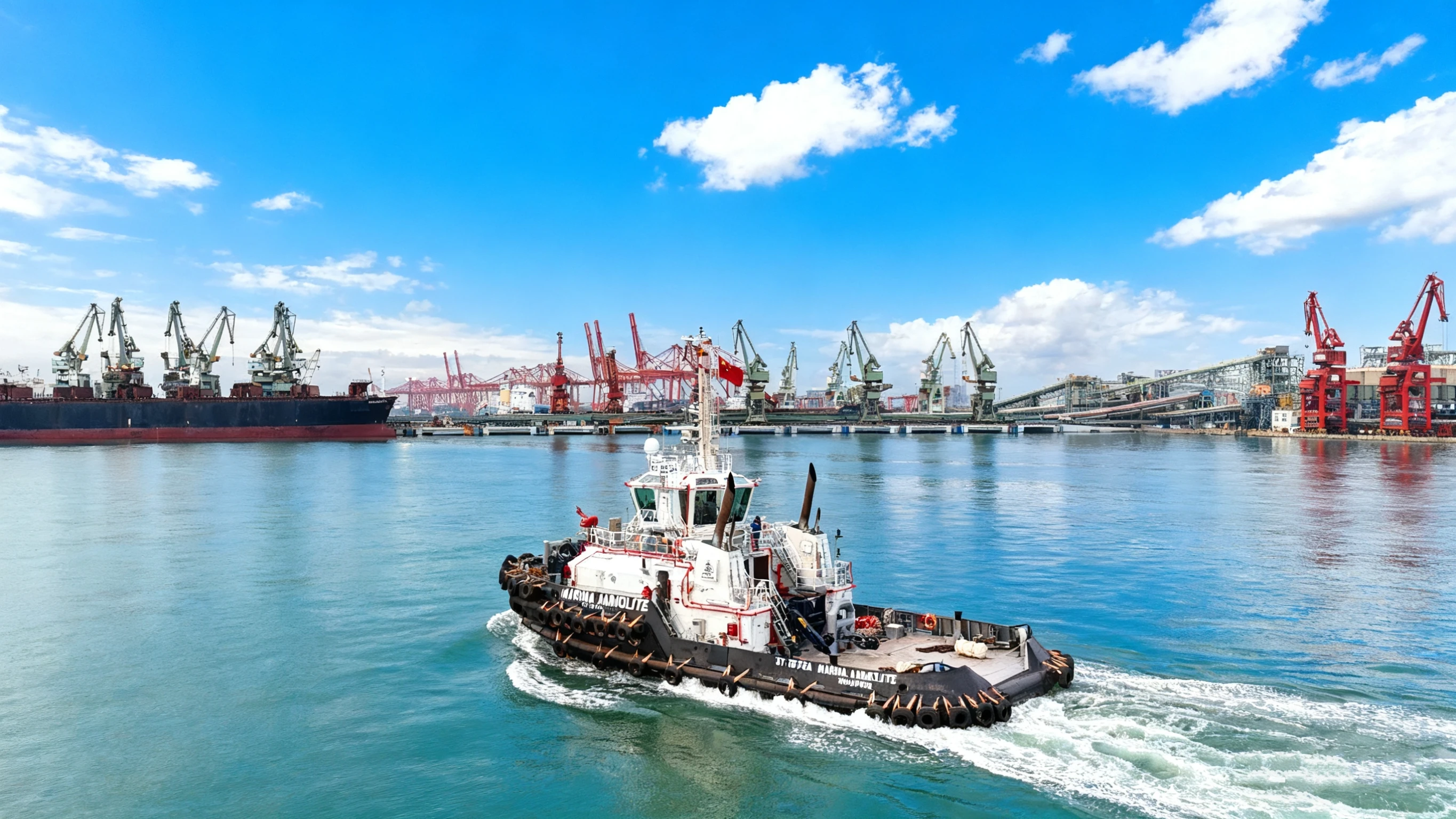
CEGC’s Reach Stacker forklift remote monitoring saves maintenance trips by allowing you to access real-time data instantly. With CEGC’s advanced system, you can easily identify when repairs are needed and diagnose issues remotely, reducing the need for on-site visits. This technology empowers port operators to address major problems quickly, minimizing equipment downtime and lowering operational costs. By using Reach Stacker forklift remote monitoring, you also enhance workplace safety and improve efficiency in busy port environments. CEGC’s solution ensures smoother operations and greater reliability for your port machinery.
Key Takeaways
-
Use CEGC's remote monitoring to see live data. This helps you find forklift problems fast and cut down on trips for repairs.
-
Use predictive maintenance to fix problems early. This stops bigger issues, saves time, and lowers costs.
-
Make your workplace safer and more efficient by watching forklift performance. Fix problems before they get worse.
Remote monitoring for reach stacker forklifts
How remote monitoring works
Remote monitoring helps you watch your reach stacker forklifts from anywhere. CEGC puts special telematics systems in the port machines. These systems collect data from sensors inside the forklifts. The sensors check things like engine heat, hydraulic pressure, and how much weight is lifted. The system sends this data right away to a safe server. You can look at live dashboards that show important numbers for all your forklifts. This helps you find problems early and plan repairs before something breaks.
With remote monitoring, you do not have to guess when a forklift needs fixing. The system sends alerts and updates, so you can act fast and keep your machines working well.
Key features and technologies
CEGC’s remote monitoring uses many helpful technologies for your port equipment:
-
Telematics integration: The system gathers data from your forklifts and sends it for checking.
-
Real-time data transmission: You get updates right away about your equipment, so you can fix problems fast.
-
Predictive maintenance: The system looks at patterns and tells you when to plan repairs, so you have less surprise downtime.
-
Remote diagnostics: You can find out what is wrong without sending someone to look, which saves time and travel.
-
Customizable sensor sets: You can pick what things to watch, like load, angle, or wind speed, to match your terminal.
-
Workflow integration: The system works with your terminal jobs, making tasks like stacking and moving ships easier. This helps you work faster and follow safety rules.
These technologies give you more control over your reach stacker forklifts and help you make your port run better.
How reach stacker forklift remote monitoring saves maintenance trips
Early fault detection and alerts
You can find problems early with reach stacker forklift remote monitoring. The system uses fleet telematics to get real-time data from each forklift. This data shows how each machine is working, like engine temperature and battery health. It also tracks what the operator does. If something is wrong, the system sends alerts right away. You get messages about battery problems, impacts, and strange actions. These alerts help you fix things fast before downtime happens.
Here is a table showing how early fault detection works:
|
Evidence Description |
Explanation |
|---|---|
|
Real-time telemetry data on all of your lift trucks |
You see what is happening with your forklifts, so you can plan repairs and skip extra trips. |
|
Insights to improve operator behavior |
You spot unsafe actions early and train your team, which means fewer repairs. |
|
Alerts for potential battery issues |
You fix battery problems quickly, so forklifts keep working and you avoid extra trips. |
You also get alerts for GPS tracking and performance checks. The system reminds you about planned maintenance too. These alerts help you keep forklifts safe and working well. You do not need to send technicians as often because you know what needs fixing.
Predictive maintenance and scheduling
Reach stacker forklift remote monitoring helps you save trips with predictive maintenance. The system looks at data from fleet telematics and finds patterns in how forklifts work. You can see run time, lift cycles, and wear. The system tells you when to fix things based on real use, not just a date. This means you repair things before they break, so you have less downtime.
Here are some predictive maintenance strategies you can use:
-
Predictive maintenance uses data to find forklift problems early, so you can fix them before they get worse.
-
You make choices using real numbers, not guesses, which helps you plan repair trips better.
-
Fleet telematics records things like run time and lift cycles, so you know when parts need to be changed.
-
You only schedule repairs when needed, which saves money and keeps forklifts working longer.
-
Predictive maintenance helps you avoid surprise breakdowns and keeps your port running well.
Technical solutions like condition monitoring and remote diagnostics help a lot too. You move from reacting to problems to using real-time data. You track location, speed, and load with real-time monitoring. Alerts tell you if something is wrong. Data analysis gives you reports on how well things work and what needs fixing. Visualization tools show you charts and maps that are easy to read. Predictive maintenance cuts downtime and helps you manage your forklifts better.
Practical examples and results
Reach stacker forklift remote monitoring saves trips and makes machines more reliable. Many port operators see big improvements after using these systems. You can save up to 30% in costs by working smarter. You see a 70% drop in accidents and an 80% drop in damages. Some ports save hundreds of thousands of dollars every year.
You also see 30-40% fewer forklift accidents and injuries in the first year. Predictive maintenance cuts equipment downtime by 20-30%. Remote diagnostics help your team find problems without going to the site. You fix things faster and reduce downtime for repairs. You manage spare parts better and save money on repairs. You send fewer technicians, which is better for the environment.
Here is a table showing how remote diagnostics help:
|
Benefit |
Description |
|---|---|
|
Reduce fault resolution times |
You fix problems faster without sending someone to the site. |
|
Forklifts spend less time out of service, so your port stays busy. |
|
|
Optimally manage spare parts |
You keep the right parts ready, so repairs are quick. |
|
Save on maintenance costs |
You spend less money on repairs and upkeep. |
|
Limit technician visits |
You send fewer people to the port, which saves time and resources. |
Fleet telematics, predictive maintenance, and remote diagnostics work together to make your port safer and more efficient. You keep forklifts running, cut downtime, and save on trips for repairs. Reach stacker forklift remote monitoring helps you control your port machinery better.
Business benefits for port operators
Lower costs and less downtime
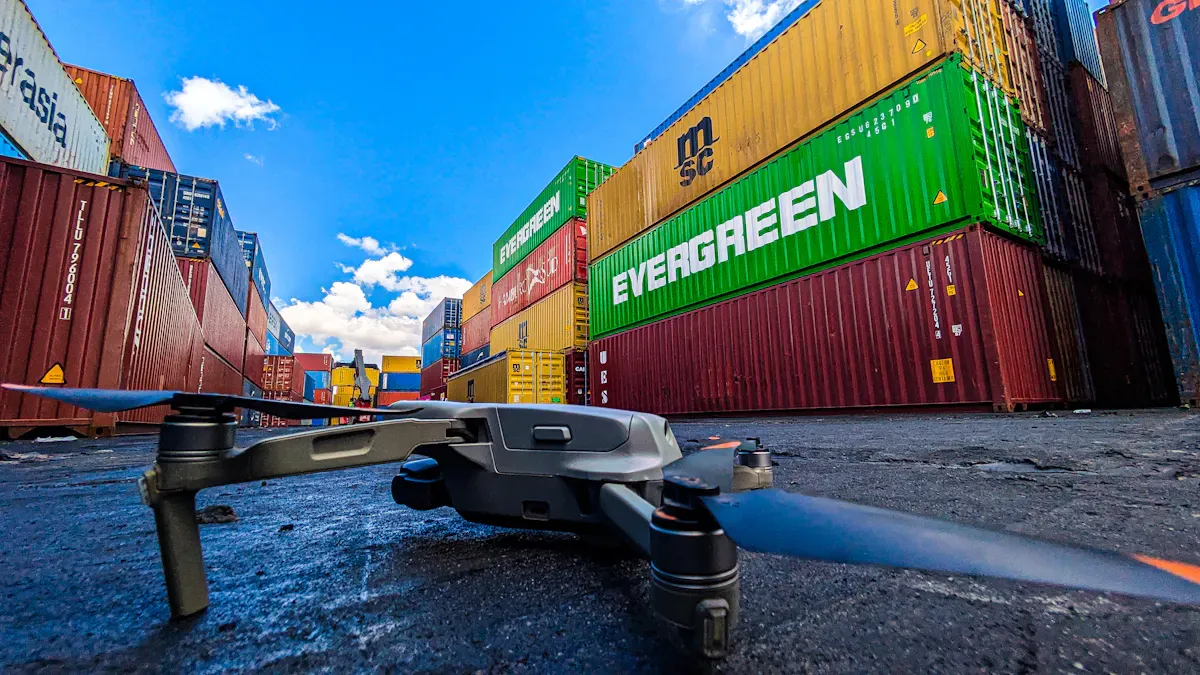
You want your port to work well every day. Remote monitoring keeps your forklifts ready to use. If one forklift is missing, loading and unloading slows down. This can make moving containers and using gates harder. You need all forklifts working to stay on schedule. Remote monitoring helps you find problems early. Predictive maintenance lets you fix things before downtime happens. You plan repairs using real data, not just dates. This helps lower costs and stops surprise breakdowns.
Predictive maintenance gives you more good results. You get real-time data for each forklift. You can spot small problems before they grow. Repairs are only scheduled when needed. This keeps forklifts working longer and cuts wasted trips. You manage spare parts better. Predictive maintenance means less waiting for repairs and more time moving containers.
-
Terminal operators get more work done with real-time monitoring.
-
Finding issues early makes operations run better.
-
Planning maintenance ahead of time stops disruptions.
Improved safety and reliability
You want your team to be safe with every forklift. Remote monitoring lets you track forklifts in real time. Predictive maintenance keeps forklifts in good shape. This lowers the chance of accidents from worn parts or missed repairs. AI-driven safety features help stop crashes and protect workers.
|
Feature |
Benefit |
|---|---|
|
Lets you watch forklift location and movement, so you know what is happening. |
|
|
AI-driven safety measures |
Uses pedestrian detection and warnings to stop accidents. |
|
Centralized data management |
Tracks driver actions and forklift health, helping you fix things early and manage risks. |
You can change CEGC’s solutions to fit your port. You pick which sensors and what data to track for each forklift. You set up maintenance schedules that match your needs. This makes your equipment reliable and your team safe. You build a safer port with fewer surprises and more control.
-
You see fewer maintenance trips when you use CEGC’s forklift remote monitoring.
-
You keep each forklift running longer and safer.
-
You save money and improve port operations.
-
You make your forklift fleet more reliable.
-
You should choose CEGC for your forklift needs.
FAQ
How does remote monitoring help you track forklift activity?
You can see what forklifts are doing right now. The system gives you updates about how forklifts are used. This way, you always know how your machines are working.
What is forklift usage reporting and why is it important?
Forklift usage reporting tells you how often each forklift is used. You use this to plan repairs and make things safer. It helps your port work better every day.
Can you use forklift usage reporting to reduce costs?
Yes. Forklift usage reporting helps you spot how equipment is used. You can plan repairs only when needed, which saves money. This also helps forklifts last longer.


