
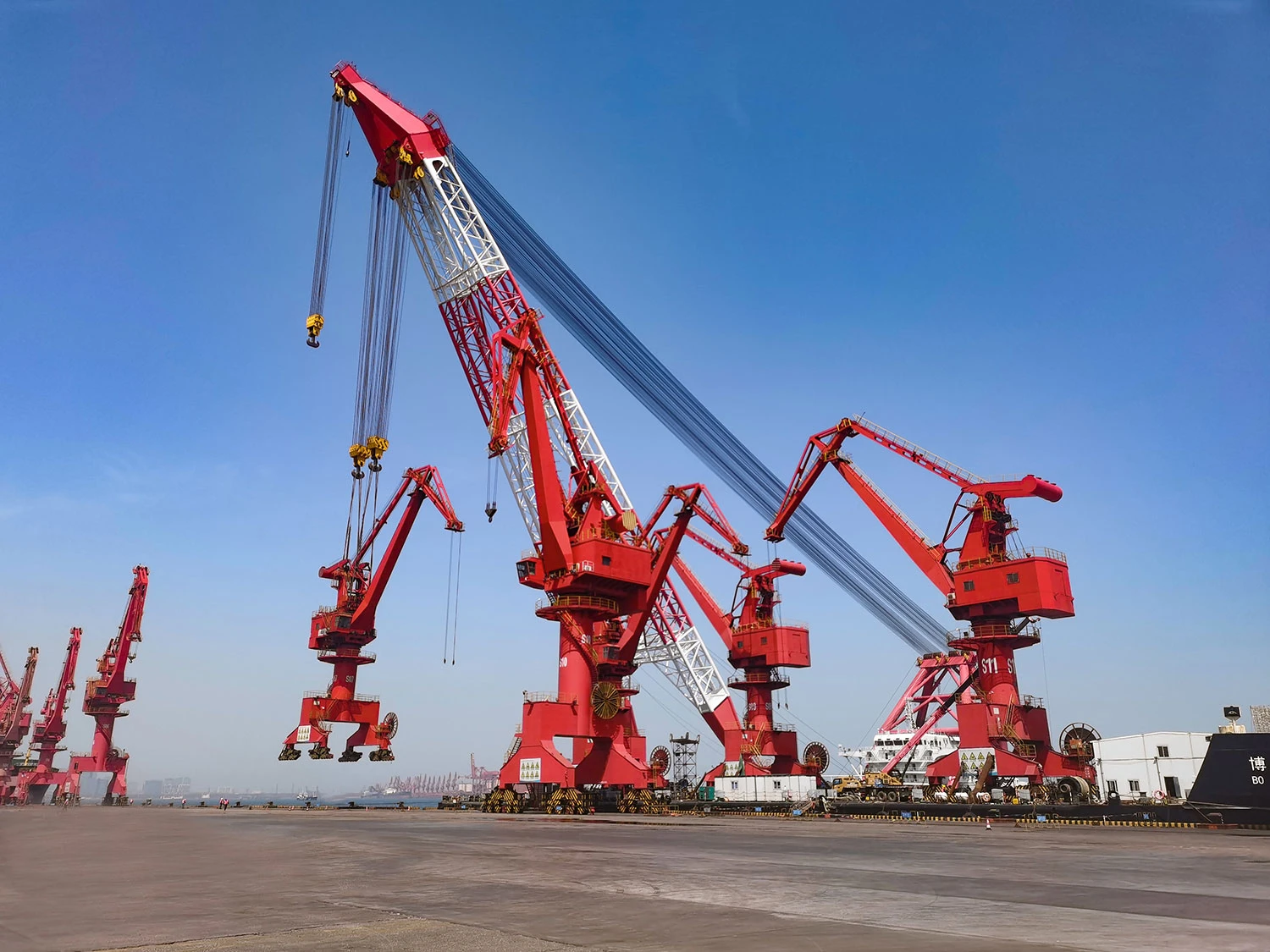
Minimizing equipment idle time is crucial for maximizing productivity in container handling equipment throughput: avoid idle gaps. Idle time can account for as much as 30–40% of working hours in large ports. CEGC provides innovative solutions for lifting equipment and container handling gantry cranes that address common causes of idle gaps:
|
Type |
Causes |
|---|---|
|
Controllable |
Administrative failures, Production line bottlenecks, Communication gaps |
|
External |
Market dynamics, Personnel issues, Environmental factors |
By utilizing real-time data, automation, and workflow enhancements, CEGC helps optimize operations. Predictive maintenance further boosts throughput, allowing for better space utilization and faster movement of goods. These strategies not only enhance safety but also automate tasks, enabling personnel to achieve more. CEGC tailors strategies to align with market standards while offering customization for improved throughput, safety, and durability. These approaches effectively eliminate idle gaps and increase overall productivity. They employ proven methods to deliver tangible results, ensuring that container handling equipment throughput is controlled and that your port operates more efficiently. CEGC's strategies ensure that container handling equipment functions optimally and remains reliable.
Key Takeaways
-
Cut down on idle time in container handling to raise productivity. Idle time can take up 30-40% of work hours in ports. - Use real-time data and automation to make things clearer and faster. This helps give jobs to the closest equipment, so waiting times go down. - Use predictive maintenance to stop equipment from breaking down. This method can lower downtime by 15-20% and make operations more steady.
Real-time data and automation for equipment idle time reduction
Real-time visibility for container handling equipment
You can make your port work better with real-time data and automation. Real-time visibility helps you watch every container handling equipment as it moves in the yard. You always know where each portal crane, container gantry crane, and container handler is. This live view helps you find problems fast and fix them quickly. Teams can talk to each other better and react faster when things change.
Real-time monitoring lets you see the supply chain clearly. You can change routes, schedules, and resources quickly. This stops traffic jams and keeps the terminal working well.
-
Real-time data helps you give jobs to the closest truck or crane. This way, you use resources better and cut down on idle time.
-
Watching equipment all the time and planning good routes saves travel time and fuel. You make equipment wait less and get more work done.
-
AI scheduling and digital twin technology can lower energy use by up to 25%. This means equipment waits less and is ready to use more often.
You can use real-time data and automation to save yard space and lift containers faster. These smart port ideas help your port run smoothly.
Automation in job assignment and scheduling
Automation changes how you give out jobs and plan equipment use. Automated systems use AI and data to match jobs with the right container handling equipment. You make fewer mistakes and cycles are easier to predict. AI sends gate workers and scanners to busy spots. This cuts waiting and keeps containers moving.
|
Source |
Evidence |
|---|---|
|
Operational Studies |
Terminals using automation and data-driven decision-making saw productivity gains of 15–20%. |
|
AI Assignments |
AI reduces waiting periods and boosts efficiency by assigning resources based on expected demand. |
|
Predictive Analytics |
AI-driven scheduling leads to smoother container flows and better resource use, reducing congestion. |
-
Machine learning and predictive analytics help you make smarter choices. You use resources better and keep idle time low.
-
Better scheduling and dispatch mean fewer errors and steadier work.
-
Automation helps with early maintenance and real-time checks. You spot problems early and keep work and safety levels high.
Big ports have made equipment cycles up to 30% faster with automated job assignments. This makes the terminal more productive, ships wait less, and your port stays strong.
CEGC solutions for portal crane and container handler optimization
CEGC gives you advanced tools for container handling automation. You get container gantry cranes, portal cranes, and reach stackers that use real-time data and automation. These machines have anti-sway control and safety locks to keep work safe and smooth.
-
The reach stacker uses anti-sway control to keep loads steady. This stops accidents from wind or sudden moves.
-
Safety locks stop overloads and crashes. The electric system blocks unsafe lifting and stops moving if there is too much weight.
-
Terminal Operating Systems use smart plans and real-time checks. You always know how equipment is working and where it is.
-
Load balancing spreads out work evenly. You avoid slowdowns and finish jobs faster.
-
Skill matching puts the right operator with the right equipment. Automated maintenance uses data to guess when downtime will happen and plan repairs.
|
Equipment Type |
Impact on Port Throughput |
|---|---|
|
Gate Queue Management |
Cuts gate lines, speeds up trucks, reduces traffic, and makes the terminal work better with automation and smart systems. |
|
Reach Stacker |
Makes yard time shorter in 7 days by moving containers faster, working better, and lowering costs. |
|
Container Gantry Crane |
Faster hoist means quicker cargo moves, fewer delays, and safer work with automation and anti-sway tech. |
|
Portal Crane |
Makes cycles faster, improves safety, and uses real-time data for better port work. |
CEGC lets you pick options for container gantry cranes. You can change hook height, pick lifting parts, add wireless controls, and choose single or double girder types. These options help you meet your port’s needs and work better.
Idle time for container handling equipment can be as high as 40% of work hours. Using equipment better has cut ship waiting times by up to 25%. Predictive maintenance can lower crane downtime by 15–20%.
You can use CEGC’s tools to get more work done, cut idle time, and keep your port working its best. Real-time data, automation, and AI scheduling help you move more containers and keep things safe.
Optimization and predictive maintenance for throughput improvement
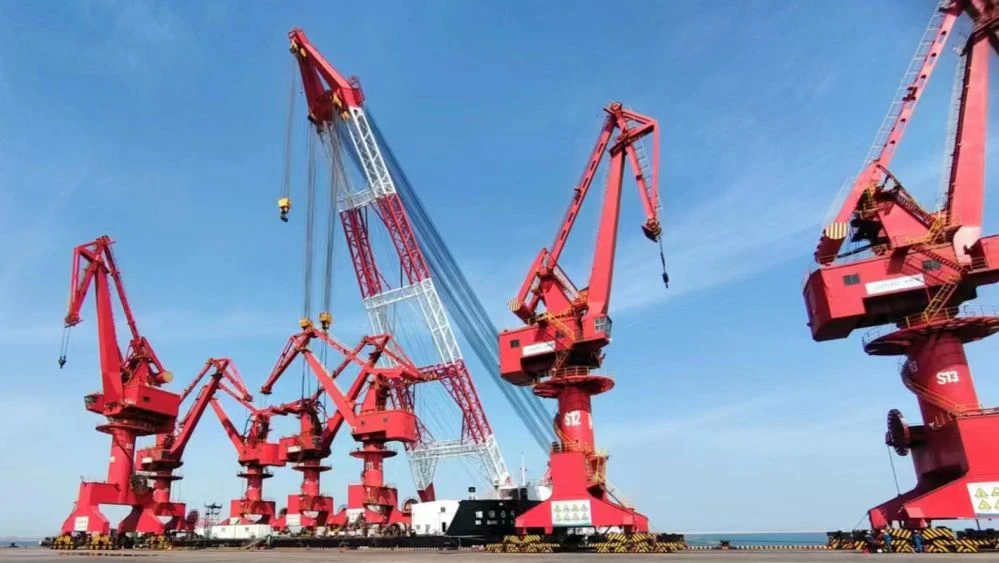
Workflow optimization to reduce idle gaps
You can make container handling faster by improving workflows. When you fix workflows, you cut down on waiting time. Every move becomes important. Decision support systems turn data into helpful tasks. These tasks help you move containers quickly and use equipment better. Digital twin simulations let you try out new plans safely. You can see what works best before making real changes.
AI planning helps you guess demand and find problems early. This lets you act before things break down. Workflow integration helps teams share data and do less manual work. You can make choices right away. This leads to better schedules and smarter equipment use. Automated alerts and chatbots help teams answer fast. Teams can focus on the most important jobs.
When you connect truck gate events and crane telemetry to your Terminal Operating System, you place containers better and avoid extra moves. This keeps yards clear and cuts waiting time. If you do not have real-time info, truck scheduling gets worse. Trucks wait longer and quay cranes are not used. By fixing workflows, you cut waiting time and keep things running smoothly.
Predictive maintenance for stable cycle time
Predictive maintenance keeps cycle times steady and helps you work better. Smart monitoring systems warn you early about equipment issues. Data analytics help cranes work more and break down less. Real-time sensor data lets you fix things when needed, not just by schedule.
|
Technology |
Impact on Cycle Time |
Source |
|---|---|---|
|
Predictive Maintenance |
||
|
Smart Monitoring Systems |
Provides early warnings, reducing load drift |
|
|
Data Analytics |
Boosts crane availability by 20–30%, reduces downtime |
|
|
Real-time Sensor Data |
Enables repairs based on actual conditions |
Remote diagnostics make maintenance smarter and easier. You watch container handling live and spot unsafe actions. You can stop accidents by finding damage early. You can show when and where damage happened. This helps with insurance and stops false claims. Collecting data all the time lets you plan repairs when needed. You have less surprise downtime and keep work going strong.
Predictive maintenance also saves energy. You plan repairs better and use less fuel. Well-kept equipment uses less energy and makes less pollution. AI insights help you cut surprise downtime by up to 25%. You use energy better and plan resources well. When you use both workflow fixes and predictive maintenance, you cut waiting time and make work steadier.
|
Measurable Outcome |
Description |
Source |
|---|---|---|
|
Reduction in vessel turnaround time |
Automated scheduling and predictive analytics optimize berth windows, reducing waiting times. |
|
|
Improved equipment utilization |
Predictive maintenance can cut equipment downtime by up to 30%, enhancing efficiency. |
|
|
Enhanced operational stability |
Predictive analytics and real-time decision-making lead to more stable operations. |
Marine durability and lifecycle protection for container cranes
You keep your container cranes safe from harsh sea weather with strong protection. CEGC uses special anti-corrosion systems to keep cranes tough. You pick metals like stainless steel and aluminum alloys that do not rust. You add many layers of coatings, like epoxy and polyurethane. Hot-dip galvanizing gives steel parts extra safety.
You use anti-corrosion tapes, sealants, and cathodic protection. Marine-grade stainless steel and sealed bearings fight rust. You put covers and rain hoods on cranes to block bad weather. Cleaning and using marine grease often keeps parts working well.
You also use strong steel and metals that resist rust. Stainless steel or weathering steel makes a shield against damage. You add epoxy coatings and hot-dip galvanizing to important parts. Sacrificial anodes or electric systems give more protection.
To help cranes last longer, you follow these steps:
|
Measure |
Description |
|---|---|
|
Apply anti-corrosion coatings, use stainless steel parts, and ensure proper drainage to avoid water pooling. Inspect every 6-12 months. |
|
|
Train Operators Regularly |
Ensure operators have up-to-date certifications and provide ongoing training to reduce operational errors. Refresher courses every 1-2 years. |
|
Perform Load Testing |
Conduct load tests under controlled conditions to ensure the crane can handle its maximum rated load safely. Inspect components afterward. |
|
Keep Spare Parts on Hand |
Stock critical spare parts to reduce downtime and ensure timely repairs. Restock after every use. |
|
Manage Hydraulic Systems |
Regularly check hydraulic fluid levels and monitor for leaks. Inspect every 6 months; replace fluid annually. |
|
Upgrade Electrical Systems |
Upgrade control systems and wiring as needed. Use waterproof enclosures and corrosion-resistant materials. Every 5 years or when performance declines. |
|
Ensure Proper Storage |
Protect the crane with covers or shelters when not in use, especially during harsh weather conditions. Check condition before operation. |
Serviceability features make repairs easier. Big service cabins give you space to fix things. Good parts last longer and break less. Smart designs mean you spend less time fixing and more time working.
You keep yards working well and cut waiting time by using these protections. You keep container handling strong and productive. You make cranes work better and cut waiting time, so your port is safer and more reliable.
You can stop idle gaps by having regular pickup times. Sorting containers at the port helps things move faster. Tracking cycle times lets you see how long each job takes. New ideas like AI scheduling and electric equipment make work easier. CEGC gives safe solutions that meet market standards and can be customized. Keep making your process better. Ask CEGC for container handling equipment that matches your port’s needs.
FAQ
What is container handling equipment throughput?
Throughput tells you how many containers move in a certain time. You can make throughput higher by stopping idle gaps. CEGC uses automation and better workflows to help with this.
How does predictive maintenance help reduce idle time?
-
Sensors and data help you find problems early.
-
You fix equipment before it stops working.
-
This keeps cranes running and stops surprise breakdowns.
Can CEGC customize container handling equipment for my port?
|
Option |
Customization Available |
|---|---|
|
Capacity |
✅ |
|
Span/Height |
✅ |
|
Duty Cycle |
✅ |
|
Power Solution |
✅ |
|
Anti-Corrosion |
✅ |


