
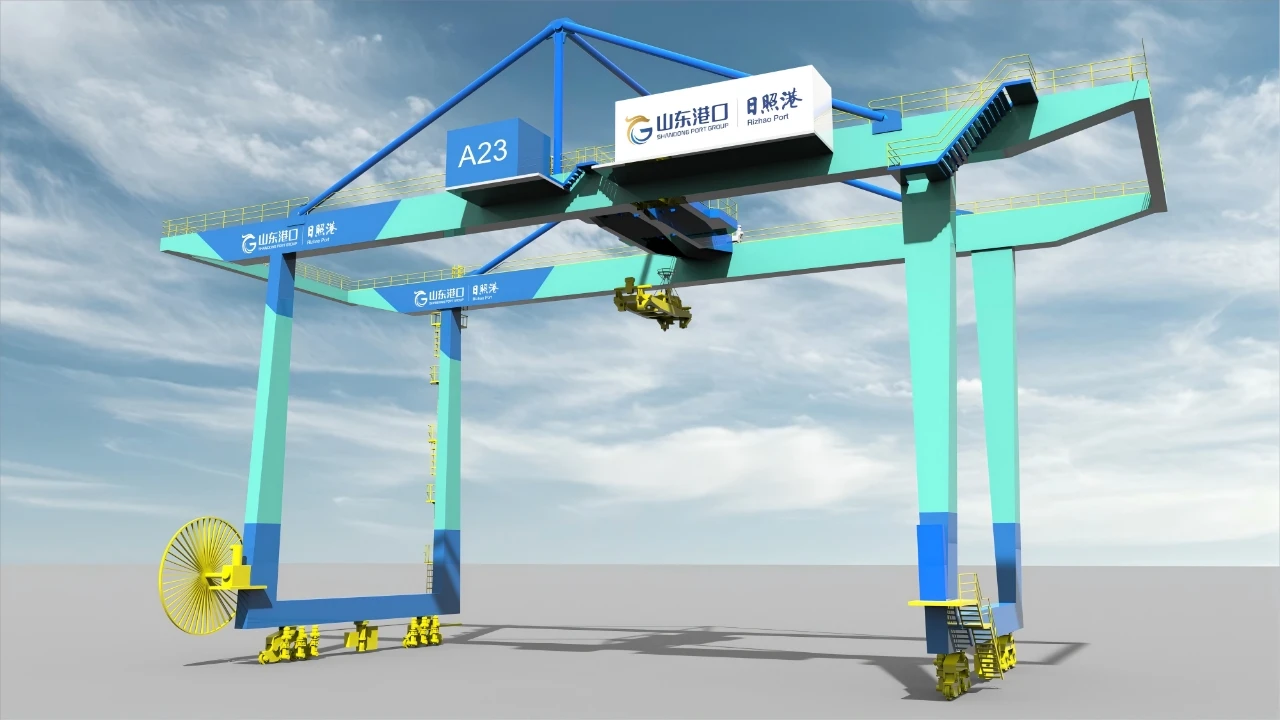
You notice delays and safety problems when mislocks happen. These slow down your work. Terminal efficiency goes down if containers are not moved right. When work is not steady, costs go up. CEGC helps fix these problems with new technology and automation.
|
CEGC Expertise |
Key Benefits |
|---|---|
|
Advanced technology and automation features |
Enhance terminal work efficiency and reduce mislocks |
|
Comprehensive support services |
Ensure terminal operations remain strong and dependable |
|
Equipment assessment and local support |
Improve terminal performance with prompt assistance |
Container crane throughput: cut delays from mislocks so your terminal operates at its best.
Key Takeaways
-
Mislocks make moving containers slower and can cause safety problems. Try to stop mislocks to make the terminal work better.
-
Buy new equipment with features like anti-sway systems and safety interlocks. These new tools help make handling containers safer and faster.
-
Give crane operators good training. Workers who know what to do can find problems early and make fewer mistakes.
Container crane throughput: cut delays from mislocks
Mislocks in container cranes
A mislock happens when a container crane does not grab a container the right way. This can stop your work and slow down how many containers you move. When mislocks happen, loading and unloading take longer. Your team and cargo can be in danger. Mislocks can break containers or hurt equipment. You lose time and money fixing these problems. To keep moving lots of containers, you need to stop mislocks from happening every day.
Causes: human error, equipment, environment
People make mistakes, and this is a big reason for mislocks. Being tired, stressed, or making quick choices can cause errors. The table below shows how people can make mistakes:
|
Factor |
Description |
|---|---|
|
Fatigue |
Working long hours or during busy times makes you tired. |
|
Perceptual strain |
It is hard to see or hear well in dark or loud places. |
|
Cognitive overload |
Too many alarms or fast changes make it hard to pay attention. |
|
Decision lapses |
Fast choices with special containers can lead to mistakes. |
Problems with equipment can also cause mislocks. Old parts, weak safety locks, or bad controls can slow down your work. Bad weather like wind or rain makes it harder to line up containers. You need strong cranes with good safety locks and tough materials. CEGC’s cranes use strong steel, special spreaders, and coatings to stop rust. You can pick extra features if you need them:
-
Safety locks that help stop mislocks
-
Strong materials that last a long time
-
Coatings that protect in bad weather
The table below shows how CEGC changes equipment to help you:
|
Customization Aspect |
Description |
Impact on Efficiency |
|---|---|---|
|
Hook Height |
Lets you change how high you lift things |
Fewer mislocks and better placement |
|
Lifting Mechanisms |
Pick wire rope or electric chain hoists |
Matches speed and power to what you need |
|
Additional Features |
Wireless controls, load checks, safety upgrades |
Makes work safer and easier, so people make fewer mistakes |
You can move more containers and have fewer mislocks if you focus on people, equipment, and the weather. CEGC gives you tools and choices to keep your terminal safe and working well.
Solutions for safer, faster container handling
Anti-sway and safety interlocks
You want your container cranes to work safely and fast. Anti-sway systems keep loads steady. They help even when wind or movement makes things swing. Using anti-sway technology lowers the chance of accidents. It also makes cargo handling smoother. These systems use sensors and smart controls to keep loads stable. You will see fewer mislocks and less damage to containers.
Safety interlocks give you more protection. They stop the crane if something is wrong. For example, if the spreader does not lock, the crane will not lift. This keeps your team and cargo safe. You can pick custom safety features for your container cranes. These options help your equipment fit your terminal’s needs.
|
Feature |
Benefit |
|---|---|
|
Faster hoisting mechanisms |
|
|
Anti-sway systems |
Keeps loads steady and makes lifts safer. |
|
Automation |
Makes work faster and easier for everyone. |
|
Custom safety features |
Protects people and cargo with special options. |
When you use these features, you work faster and safer.
Operator training and automation
Operator skill is important for your container cranes. You need to train your team to use the equipment right. Good training helps operators find problems early. It also helps them avoid mistakes. You want controls that are easy to use. Operator-centered HMI gives clear feedback and simple controls. This helps your team work faster and safer.
Best practices for operator-centered HMI are:
-
Follow how users think.
-
Give feedback right away.
-
Plan for common and rare problems.
-
Make it quick to use for a better experience.
Automation helps you do even more. Automated container cranes use real-time data and sensors. The system gives alerts and step-by-step help. You can load and unload containers quickly and correctly. Automation lets you find problems early and fix them before delays happen. This means you move more containers in less time. Your cargo handling stays smooth.
Predictive maintenance and cycle optimization
You want your container cranes to work all the time. Predictive maintenance helps you do this. The system checks crane parts and tells you when to fix things. You do not have to wait for a breakdown. You fix problems before they stop your work. This keeps your work going and saves money.
Cycle optimization helps you move containers faster. The crane uses smart controls to plan the best way to lift and move. It matches speed and power to the weight and weather. You see fewer slowdowns and less waiting. Your team spends less time on each job. Your terminal moves more containers every day.
Tip: Check your equipment often and keep it clean. Use crane data to plan repairs before problems get big. Train your team to spot trouble early.
You can work with CEGC to change your container handling equipment. You pick the features you need, like anti-sway systems, faster hoisting, or special coatings for bad weather. This helps you get the best crane productivity improvement for your terminal.
When you use these solutions, you get safer work, better container handling, and higher productivity from your container cranes.
You can move more containers and keep people safe by stopping mislocks. Use equipment that is hard to mess up, give good training, and watch your cranes with smart tools. The table below shows the best ways to do this:
|
Strategy |
Description |
|---|---|
|
Error-Resistant Equipment Design |
Easy-to-see signs and simple locks help workers not make mistakes. |
|
Focused Training |
Practice in real situations helps workers get better and feel sure. |
|
Data Monitoring |
Looking at work data shows problems so you can fix them fast. |
CEGC’s anti-sway systems, smart machines, and checking tools help you move more containers every hour and stop long waits. Pick CEGC for smart, custom ways to handle containers.
FAQ
What is a mislock in a container crane?
A mislock happens when the crane spreader does not lock onto the container. You may see delays or safety risks when this occurs.
How do anti-sway systems help you?
Anti-sway systems keep the load steady. You move containers faster and safer. You lower the chance of accidents.
Can you customize CEGC container cranes for your port?
Yes! You can choose features like hook height, safety interlocks, or special coatings. CEGC helps you match your crane to your needs.


