
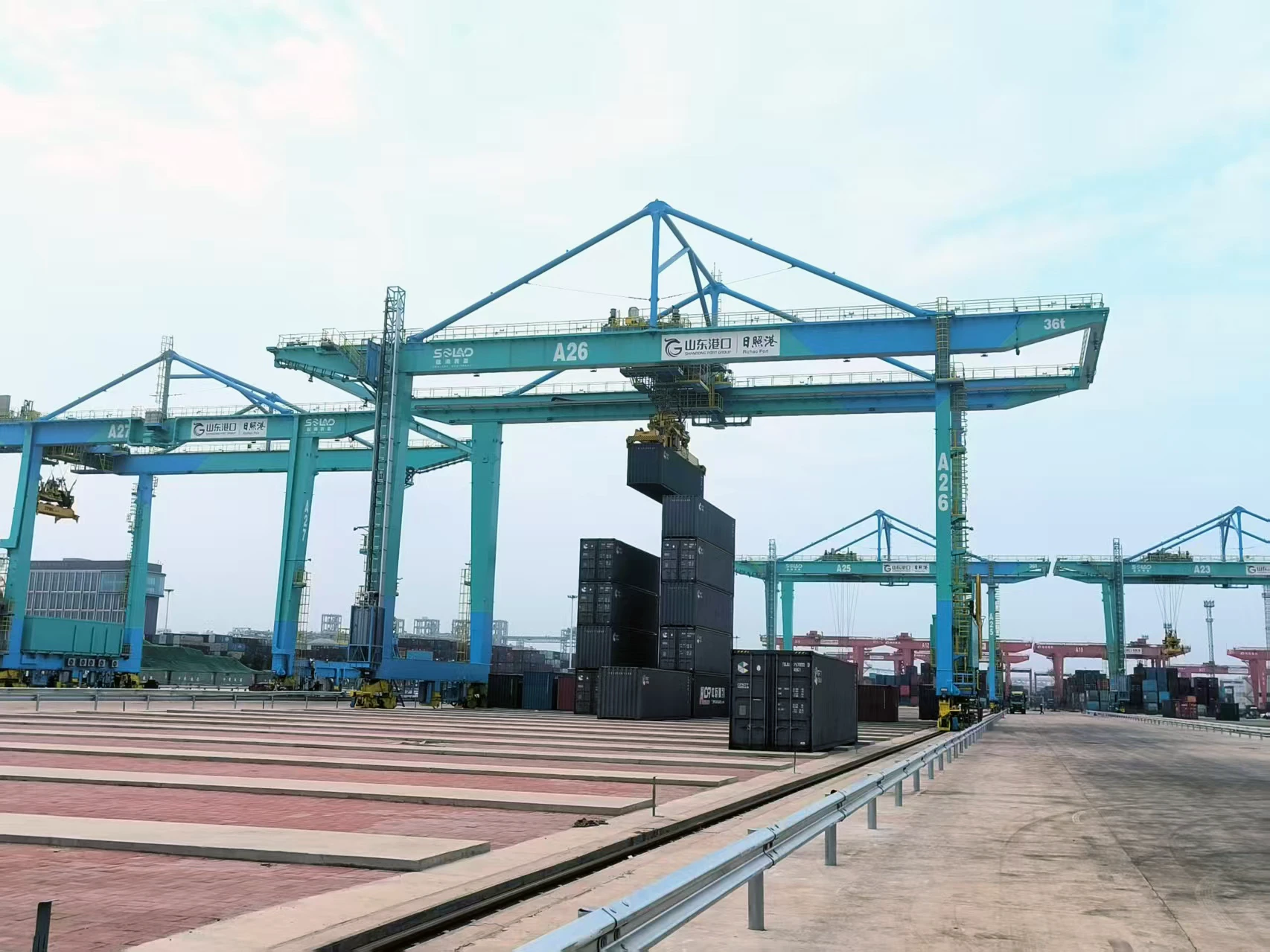
You see port crane throughput drops when trucks queue badly. Trucks link port crane work and yard flow. When trucks queue, port crane throughput drops when trucks queue badly because cranes must wait. Port crane throughput drops when trucks queue badly if congestion stops movement. Port crane throughput drops when trucks queue badly causes delays and interrupts port work. Port crane throughput drops when trucks queue badly lowers how well the port works. CEGC gives port machinery solutions that help you fix these problems.
-
Port crane throughput drops when trucks queue badly because of busy truck arrivals and congestion.
-
Delays from bad handling cause over 30% of RTG crane failures at the port.
Key Takeaways
-
When trucks line up badly, cranes get delayed. This makes the port slower and moves fewer containers. - If ports use buffer lanes and better truck parking, trucks wait less. This helps containers move faster and smoother. - Real-time data and predictive maintenance stop equipment from breaking down. This keeps the port working well and without problems.
How Port Crane Throughput Drops When Trucks Queue Badly
Crane Idle Time and Port Delays
Crane idle time goes up when trucks line up badly. Cranes must wait for trucks before they can lift or unload containers. This waiting makes the port slower and less productive. CEGC’s container crane and portal crane solutions help by making truck and crane work together better.
A short crane stop may not look important, but if the hook waits many times, it hurts how many containers move and makes ships stay longer. Groups of HTEs at the apron or traffic jams between yard blocks can quickly use up the system’s ability to work.
When cranes stop, the waiting time adds up fast. Each stop makes the total work time longer. You see more delays at the port as cranes wait for trucks. Terminal operators and port leaders notice ships take longer to finish and stay at the dock more. These slowdowns hurt your daily work and make it harder to reach your goals.
Bottleneck Effects on Container Handling
Bad truck lines cause bottlenecks in moving containers. You face more risks and problems when trucks do not come in the right order. These issues get worse:
-
Bad truck lines make accidents and mistakes more likely in the port.
-
Better load sway control and safety steps are needed to stop crashes.
-
Real-time monitoring helps control load sway and lower crash risks.
Cycle time changes more when cranes must wait for trucks. You see less throughput as cranes sit idle and ships take longer to finish. Traffic jams at the apron or between yard blocks make the system slow down fast. If Automated Guided Vehicles or Automated Stacking Cranes are late, cranes wait longer for containers to be handed off.
You can see the main bottlenecks found by port leaders in the table below:
|
Bottleneck Type |
Description |
|---|---|
|
Equipment Idle Time |
Times when equipment is ready but not used, causing lost work and delays. |
|
Poor Sequencing |
Bad order of work makes ships wait longer and slows ship-to-shore moves. |
|
Yard Congestion |
Too many containers in the yard mess up work and force workers to react instead of plan ahead. |
You can make things better by using real-time tracking. Changing plans with live updates stops wasted trips and cuts extra moves. Smoother handoffs and fewer task fights make everything work better.
EPC contractors use computer models to check how well building work goes. They look at when trucks arrive and how long they wait. They also watch how much equipment is used and how long lines get to see how truck lines hurt the project. The model helps guess how changes in waiting time can change the whole project.
You see that bad truck lines cause bottlenecks, more port delays, and less throughput. CEGC’s container crane and portal crane solutions help fix these problems and make the port work better.
Solving Bottlenecks and Reducing Port Delays
Optimized Queuing and Buffer Lanes
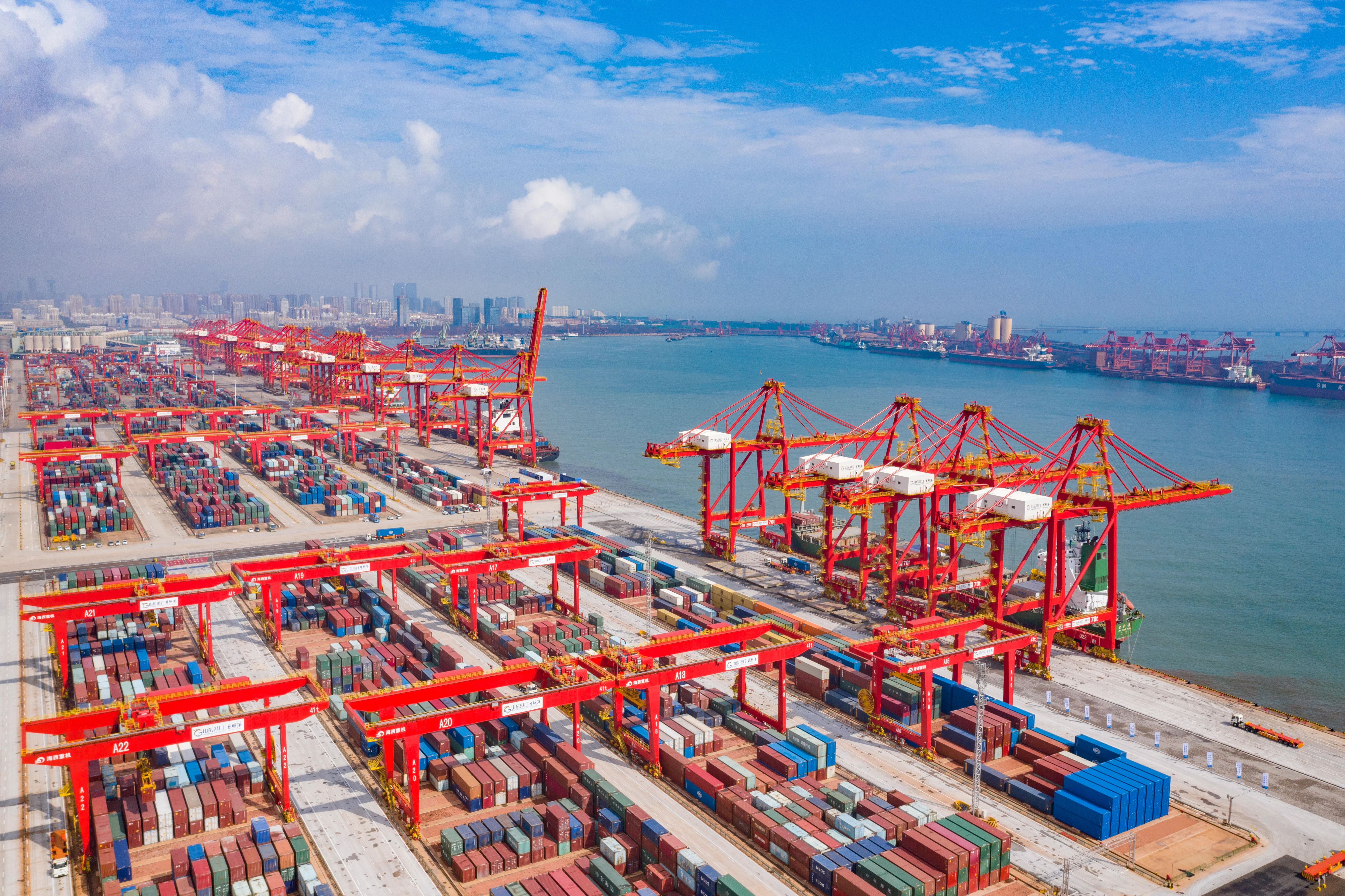
You can help your port work better by fixing how trucks line up. Buffer lanes and special truck parking help cranes keep working. At Itapoá Port, adding truck parking made cycle times shorter for imports and exports. This saved a lot of hours each year and let more trips happen. You can get these results too by planning your yard and using special lanes for each crane. These steps make less traffic and help move containers faster.
-
Truck parking and buffer lanes lower waiting time.
-
More trips and less idle time make the port work better.
-
Good yard layouts help stop traffic jams.
Advanced Control and Anti-Sway Systems
You can use new control systems to make cranes safer and faster. Anti-sway technology keeps loads steady so accidents are less likely. Safety interlocks and motion controls help stop crashes and keep things running well.
|
Technology |
Impact on Port Operations |
|---|---|
|
Anti-Sway Control |
Less load swing, cycle time drops by 12-18% |
|
Safety Interlocks |
|
|
Motion Coordination |
Smoother moves, fewer sudden stops |
|
Precision Positioning |
More accurate, less drifting |
You can also add features to your cranes like stronger lifting, special safety controls, or better balance for hard jobs.
Integrated Workflow and Predictive Maintenance
You can link cranes and trucks with smart workflow systems. These use real-time data to keep everything working together. Automated syncing is important for safe and fast lifting in busy ports. Predictive maintenance tools help you find problems before things break. Using live sensor data and smart software, you can cut surprise downtime by half. This keeps your equipment ready and your work on time.
-
Real-time data helps cranes and trucks work together.
-
Predictive maintenance stops surprise breakdowns.
-
Finding problems early lets you plan repairs and save money.
CEGC gives you port machines that help with these fixes, so your port is safer, faster, and more reliable.
Bad truck lines make port work slow. Cranes sit and wait, which causes delays. These delays create bottlenecks in the port. Upgrading port machines helps the port work better. It also lets the port handle bigger ships. The table below shows how good truck lines help the port.
|
Description |
Impact |
|---|---|
|
Port moves faster |
|
|
Fewer rehandles |
Port work is smoother |
|
More trucks handled |
Port throughput goes up |
Experts say you should set clear port goals. You need to collect data and plan maintenance.
FAQ
What happens when trucks queue badly at the port?
You see cranes wait longer. This lowers port throughput. Delays increase. Ships stay at the dock more. The port loses efficiency.
How can you improve port crane throughput?
You can use buffer lanes. You can add anti-sway systems. You can plan better yard layouts. These steps help the port move containers faster.
Why does predictive maintenance matter for port equipment?
Predictive maintenance helps you spot problems early. You avoid surprise breakdowns. The port stays reliable. You save money and keep work on schedule.


