
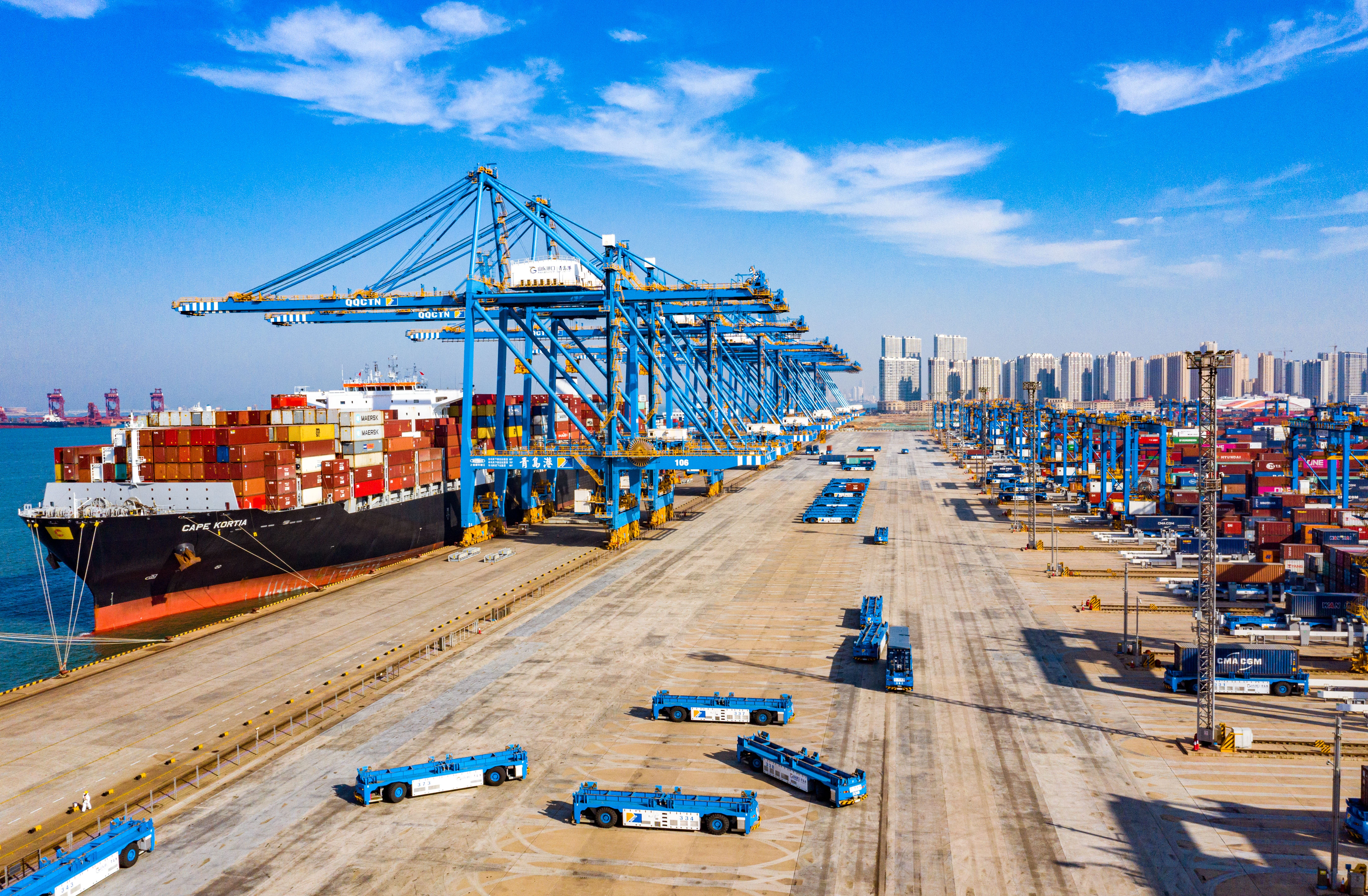
You know that container vessel ops: precision loading prevents claims. By executing operations flawlessly and planning meticulously, you ensure cargo safety and minimize shipment risks. Proper container cargo preparation, packing, and securing are essential. In container vessel ops: precision loading prevents claims, you rely on advanced container handling, accurate container placement, and continuous monitoring with CEGC.
-
Tap Load supports container vessel ops: precision loading prevents claims by providing real-time tracking of container weight and location.
-
It offers valuable insights for safer container handling, as well as improved packing and securing practices.
Key Takeaways
-
Precision loading is very important for cargo safety. Putting containers in the right place lowers the chance of damage during transport.
-
Checking and fixing equipment often stops breakdowns. Predictive maintenance finds problems before they cause delays.
-
Using new technology like anti-sway control and safety locks makes loading safer. These tools lower accidents and keep cargo safe.
Precision loading in container vessel ops
Defining precision loading and its impact on cargo
Precision loading means putting each container in the right spot. You use CEGC portal cranes and special equipment to keep cargo safe. This careful loading helps stop damage from handling. It also helps avoid problems with hooking and spreader delays. Monitoring systems and crane management tools help you load more accurately. This makes cargo damage less likely, especially for containers on top.
-
Precision loading helps stop damage when moving containers.
-
Bad hooking can make damage more likely.
-
Loading delays can cause containers to be handled wrong.
-
Using monitoring and crane management helps prevent damage.
Common causes of cargo damage and claims
There are many risks when loading and unloading cargo. Physical damage can happen from strong sea movement, bad blocking, wrong pallet use, shaking, or uneven weight. Water damage can come from leaks, wet air, cooling problems, or mistakes by people. Pests can get in if you use untreated wood or store cargo in dirty places. Cargo can be lost if containers fall off, get stolen, or if paperwork is wrong.
-
People may argue about who pays for damage.
-
Delays can mess up deliveries and supply chains.
Role of cargo loading and unloading procedure
You need to follow rules to keep cargo safe. Good weight balance stops tipping or moving. A loading plan helps put each container in the best place. You check securing devices often to make sure they work. You follow rules from the Federal Maritime Commission and International Maritime Organization. You also follow the Verified Gross Mass rule in the European Union.
|
Responsibility Type |
Details |
|---|---|
|
Driver Responsibilities |
|
|
Pre-Trip Inspection |
Look at cargo and secure it before leaving. |
|
En Route Inspection |
Check cargo again after 50 miles and every 3 hours or 150 miles. |
|
Adjustments and Repairs |
Fix problems found during checks. |
|
Trucking Company Responsibilities |
Teach drivers, keep equipment working, plan loads, and check rules. |
|
Training |
Make sure drivers know how to secure cargo. |
|
Equipment Maintenance |
Give drivers good equipment and keep it safe. |
|
Load Planning |
Plan loads to stop overloading and keep weight balanced. |
|
Compliance Monitoring |
Use systems to check if rules are being followed. |
You also use technology like anti-sway control and safety locks. Anti-sway uses sensors to stop loads from swinging. Safety locks stop unsafe moves and keep cargo steady. Collision systems use sensors to watch for things in the way and set safe zones. These systems slow or stop cranes if something is close. Crane-to-crane awareness keeps cranes apart during loading and unloading.
Preventing cargo damage: practical steps and technical solutions
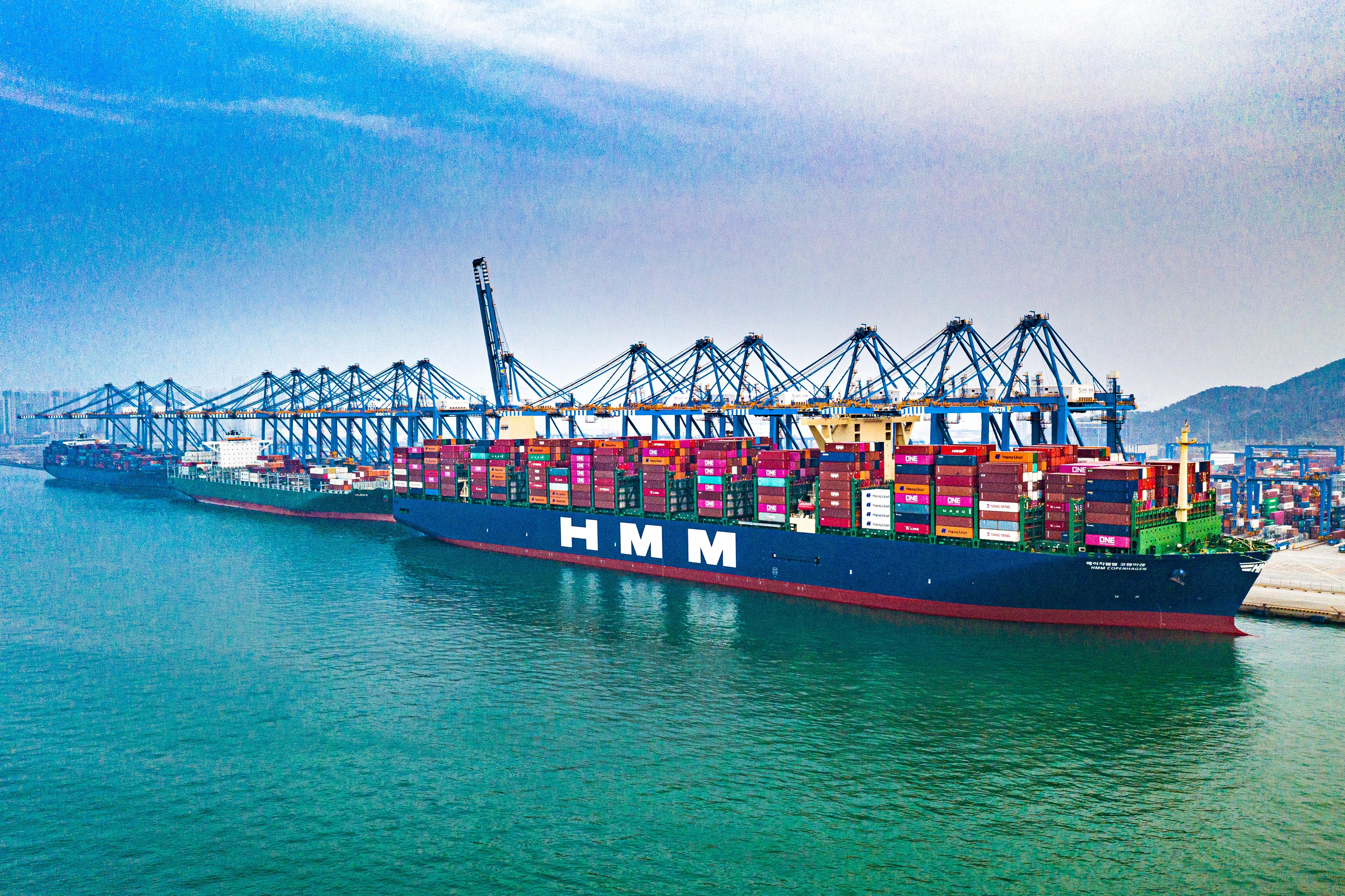
Blocking, bracing, and dunnage for cargo security
You need to keep cargo from moving inside the container. Blocking, bracing, and dunnage help keep cargo safe. Wood is cheap and easy to use for blocking and bracing. Metal bars are good for heavy cargo. Dunnage bags fill gaps and stop fragile things from moving. Straps and ties hold loads to anchor points. Rubber mats help stop sliding. Front blocking keeps cargo from moving forward if the truck stops fast. Side blocking stops cargo from moving sideways. Vertical bracing keeps tall items from falling over. Diagonal bracing helps keep uneven loads steady. You should check all these things often to make sure they work.
If you do not block and brace cargo right, it can move during the trip. The table below shows what happens if you do not secure cargo well:
|
Aspect |
Description |
|---|---|
|
Blocking and Bracing |
Rules for using blocking, bracing, and dunnage to stop cargo from moving in the trailer. |
|
Improper Securement |
Cargo must be tied down so it does not shift during the trip. |
|
Faulty Blocking and Bracing |
Bad spacing or old materials can make cargo come loose. |
You need to check blocking and bracing before loading and unloading. This step keeps cargo in place and helps avoid claims.
Weight distribution and stacking to avoid cargo damage
You have to spread out weight and stack cargo the right way. Good weight balance keeps the ship steady during the trip. Put heavy things on the bottom and spread weight out. This stops tipping and stacks from falling. Use a weight calculator to plan where things go. Secure cargo with dunnage, straps, and braces. Pick the right packing, like bubble wrap or foam, to stop shocks.
If you do not balance the load, containers can shift and mess up other stacks. This can cause lashing to fail, stacks to fall, or even the ship to tip over. Too much weight on one side can break pallets and make loads weak. Tall stacks make the ship less stable. You must follow the stowage plan to keep things safe.
Always fill empty spaces so cargo does not move. Good stuffing uses all the space and keeps cargo safe. Stacking and stowing the right way protects cargo and the ship.
Using CEGC container handling equipment for safe loading
You can make loading and unloading safer with CEGC equipment. CEGC cranes and handlers help put cargo in the right spot. Anti-sway control keeps loads steady and stops accidents. Safety interlocks stop work if there is a problem. Motion systems make moving containers smooth and fast.
Automated systems help stop cargo damage by cutting down on mistakes. They make things safer by watching in real time and finding errors. Automation helps people work better and fixes problems fast. This makes the port a safer place to work.
You can pick CEGC gantry cranes, reach stackers, or ship cranes for your port. These machines help you stuff containers and follow the stowage plan. You can change equipment for different sizes, heights, and jobs. This helps you solve port problems and move cargo better.
Monitoring, maintenance, and predictive systems
You need to watch equipment and fix it often to stop breakdowns. Predictive maintenance uses sensors and data to find problems early. This cuts down on surprise stops and keeps cargo safe. Fixing things on time stops big failures and delays. Regular care means oiling, cleaning, and changing old parts. These steps keep machines working and lower accidents.
You can use dashboards and AI tools to plan repairs before things break. Data helps you guess what might fail and focus on risky parts. Automating simple jobs saves time and lets people fix hard problems. Everyone—IT, maintenance, and operations—should help with predictive maintenance.
It is important to check the gross mass. This stops overloading, which can tip ships or hurt cargo. Following VGM rules makes things safer and work better. Always check the gross mass before loading and unloading.
You can add smart sensors, IoT, and AI controls to your port machines. These tools help you watch, fix, and check machines from far away. You can change and automate systems for your port’s needs. This keeps cargo safe, stuffing good, and stowing reliable.
By doing these steps and using new technology, you can stop cargo damage, lower claims, and keep every container ship safe.
Using new port machines helps keep containers safe. Smart tools also help stop damage and claims. Training workers often makes safety better. Clear safety rules are important for everyone. Predictive maintenance keeps equipment working well. Upgrading technology helps protect containers. Following safety plans for each container is important.
FAQ
What is the main benefit of using CEGC container handling equipment?
You get safer cargo moves. CEGC cranes and handlers use anti-sway and safety systems. These features help you prevent accidents and lower cargo claims.
How does anti-sway control help during loading?
You keep loads steady. Anti-sway control stops swinging. This makes it easier for you to place containers exactly where they need to go.
Why should you check the Verified Gross Mass (VGM) before loading?
-
You avoid overloading.
-
You keep the ship balanced.
-
You follow safety rules.
-
You protect your cargo from damage.


