
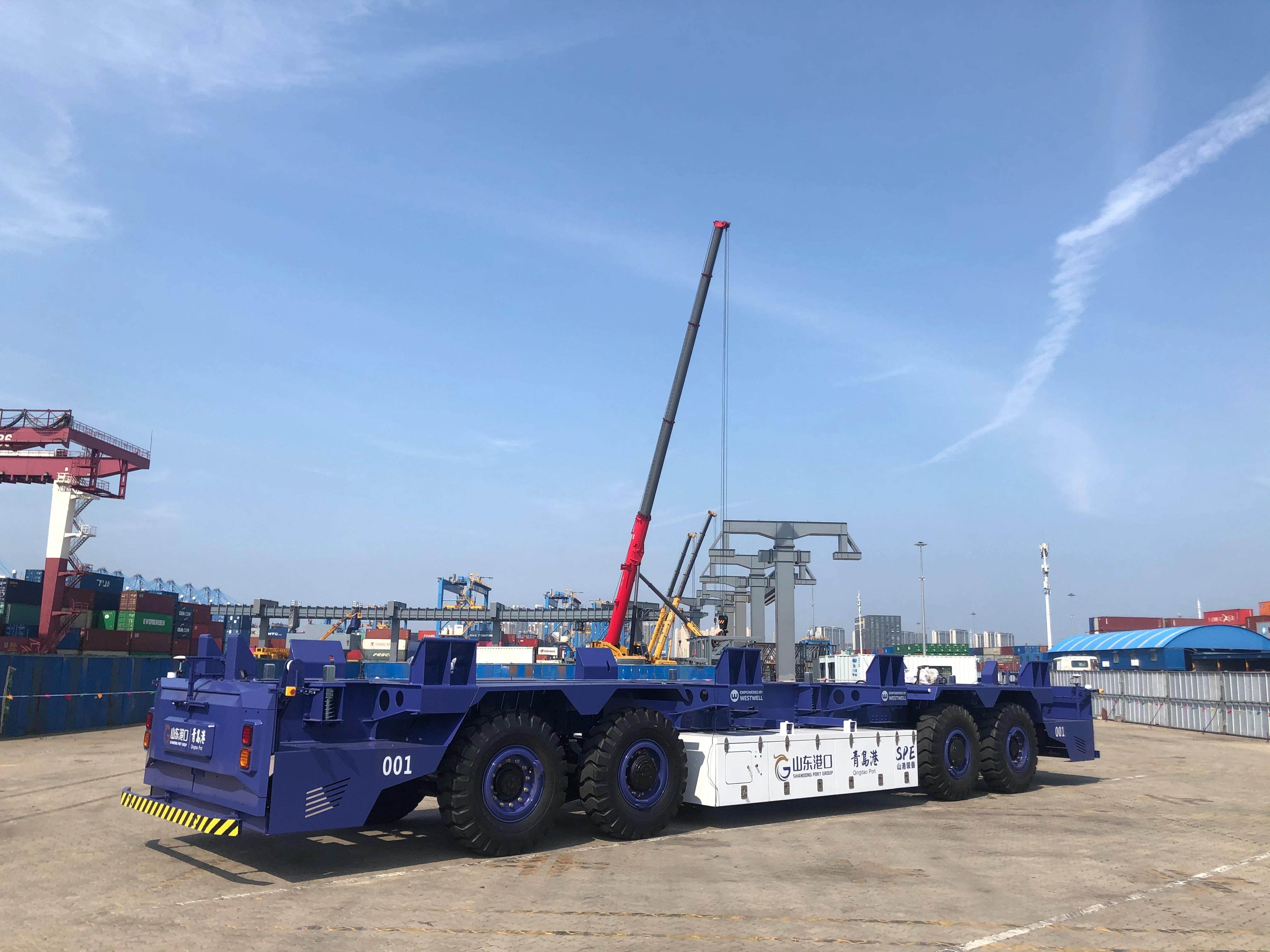
You should pay attention to the port crane precision KPIs owners require, which include load handling accuracy, cycle time, downtime, safety, and automation. CEGC provides market-standard specifications and offers customization options. These KPIs assist in identifying issues, enhancing maintenance practices, and reducing costs. By focusing on these metrics, you can achieve safer and more efficient port operations while optimizing resource utilization.
Key Takeaways
-
Pay attention to load handling accuracy to make port work safer and faster. Use tools like anti-sway systems to put containers in the right place.
-
Make cycle time and berth work better by making cranes move faster and having teams work well together. This helps ships spend less time in port and lets you move more cargo.
-
Use predictive maintenance to stop cranes from breaking down. CEGC's tools can find problems early, so cranes work better and you save money.
Port crane precision KPIs owners require
Load handling accuracy KPIs
It is important to check load handling accuracy. This helps keep port and cargo work safe and smooth. This KPI shows how well a crane puts containers or cargo in the right spot. Good load handling lowers the chance of accidents and damage. There are different ways to measure this KPI. The table below lists common ways and what they mean:
|
Measurement Type |
Method Description |
|---|---|
|
Direct Measurement |
Physically measuring position, movement, or force during lifting operations. |
|
Laser Alignment Systems |
Use lasers to measure alignment of crane components, detecting small deviations for adjustments. |
|
Load Cells |
Measure the weight of the load being lifted to ensure safe operation and detect overloading. |
|
Position Sensors |
Provide real-time feedback on the position of crane components for precise control. |
|
Indirect Measurement |
Measuring related parameters like speed, acceleration, or vibration to assess lifting accuracy. |
|
Vibration Analysis |
Measures vibration levels to identify mechanical issues affecting lifting accuracy. |
|
Speed and Acceleration |
Monitoring these parameters can indicate problems with electrical or mechanical systems. |
|
Visual Inspection |
Regular checks for visible damage or misalignment to ensure safe and accurate crane operation. |
You can make load handling better with CEGC’s anti-sway systems and real-time monitoring. These tools use motion sensors and smart programs to find and fix load movement. This gives you steadier and more exact container placement. It helps berth work go faster and cuts down vessel time in port. Good load handling also helps you reach top berth productivity and meet important KPIs.
Cycle time and berth productivity
Cycle time and berth productivity are very important for port work. Cycle time is how long it takes a crane to move a container from start to finish. Berth productivity is how many containers or cargo units you move while a ship is at the dock. These KPIs change how long ships stay in port and how well you use the berth.
The table below explains main metrics for cycle time and berth productivity:
|
Metric |
Description |
|---|---|
|
Moves per hour |
Measures the number of cargo moves a port completes while a ship is alongside. |
|
Crane speed |
Total time to complete one full grab cycle, impacting overall efficiency. |
|
Overall effectiveness |
Reflects the coordination of quay design, water depth, and planning processes. |
You can get better berth productivity by making crane speed and teamwork better. CEGC’s motion coordination systems help you waste less time and avoid extra moves. This means more container moves each hour and better berth results. When you make cycle time shorter, ships spend less time in port and you use the berth more. High berth productivity lets you handle more ships and cargo, which helps your port and cargo work.
Downtime and reliability KPIs
Downtime and reliability are key KPIs for ports. Downtime is when a crane cannot work. There are two types: planned and unplanned. Planned downtime is for things like maintenance and software updates. Unplanned downtime happens because of sudden failures or bad weather.
|
Type of Downtime |
Description |
|---|---|
|
Planned Downtime |
Includes maintenance, software updates, and checks that are scheduled to minimize operational impact. |
|
Unplanned Downtime |
Results from unexpected failures or weather conditions, leading to delays that are hard to predict. |
You can lower downtime by using predictive maintenance. CEGC gives you condition monitoring and remote checks. These tools help you find problems early and fix them when ships are not there. Predictive maintenance can make cranes work up to 30% more and cut surprise downtime by 25%. Reliable cranes help you get high berth productivity and keep ship time in port low. You also save money on emergency fixes and extra pay.
Safety and anti-sway KPIs
Safety is one of the most important KPIs for ports. You should watch safety KPIs like incident rates, load sway, and collision events. Anti-sway systems help keep work safe. These systems use sensors and smart controls to keep loads steady and stop accidents.
-
Real-time monitoring systems give you updates on crane operations.
-
Anti-sway technology keeps loads stable and ensures precise container placement.
-
Anti-collision systems use lasers and GPS to prevent accidents.
-
Wind speed monitoring helps you shut down cranes during dangerous weather.
CEGC’s safety locks and anti-sway tools help you follow strict safety rules. You can lower crash risks and make berth work better. Safe work also means fewer delays and lower insurance bills. When you focus on safety and anti-sway KPIs, you protect your workers and your machines.
Automation KPIs for port cranes
Automation KPIs are very important for today’s ports. These KPIs show how well automated systems move containers, use yard space, and handle trucks. You can track automation KPIs like container throughput, yard use rate, and equipment downtime. The table below lists common automation KPIs and how to measure them:
|
KPI |
Description |
Measurement Method |
|---|---|---|
|
Container Throughput |
Reflects the terminal's ability to handle containers efficiently. |
Measured in TEU per hour, shift, or day. |
|
Yard Utilization Rate |
Indicates the percentage of storage capacity being utilized. |
Percentage of available capacity used. |
|
Gate Throughput |
Measures the number of trucks passing through terminal gates. |
Count per hour, shift, or day. |
|
Total Recordable Incident Rate (TRIR) |
Measures work-related injuries per 200,000 working hours. |
Number of incidents reported. |
|
Equipment Downtime |
Percentage of time critical assets are unavailable due to issues. |
Percentage of downtime. |
|
Carbon Emissions per Container |
Quantifies CO₂ emissions per unit handled. |
Emissions per container handled. |
You can match automation KPIs with your kpi dashboard for live tracking. Automation removes manual data entry and makes data show up faster. You get the same KPI meanings and automatic alerts if performance drops. CEGC’s automation-ready cranes work with your port and cargo systems. This helps you use the berth better, lower ship time in port, and get high berth productivity. Automation KPIs also help you save money and meet green goals.
Tip: Use a kpi dashboard to track port operations kpis, berth productivity, and automation kpis in real time. This helps you make quick decisions and keep your port running smoothly.
By focusing on the port crane precision kpis owners require, you can make cranes work better, improve berth results, and use ship time in port wisely. You will also make your port and cargo work stronger and stay ahead of others.
Implementing and benchmarking port operations KPIs
Data integration and real-time tracking
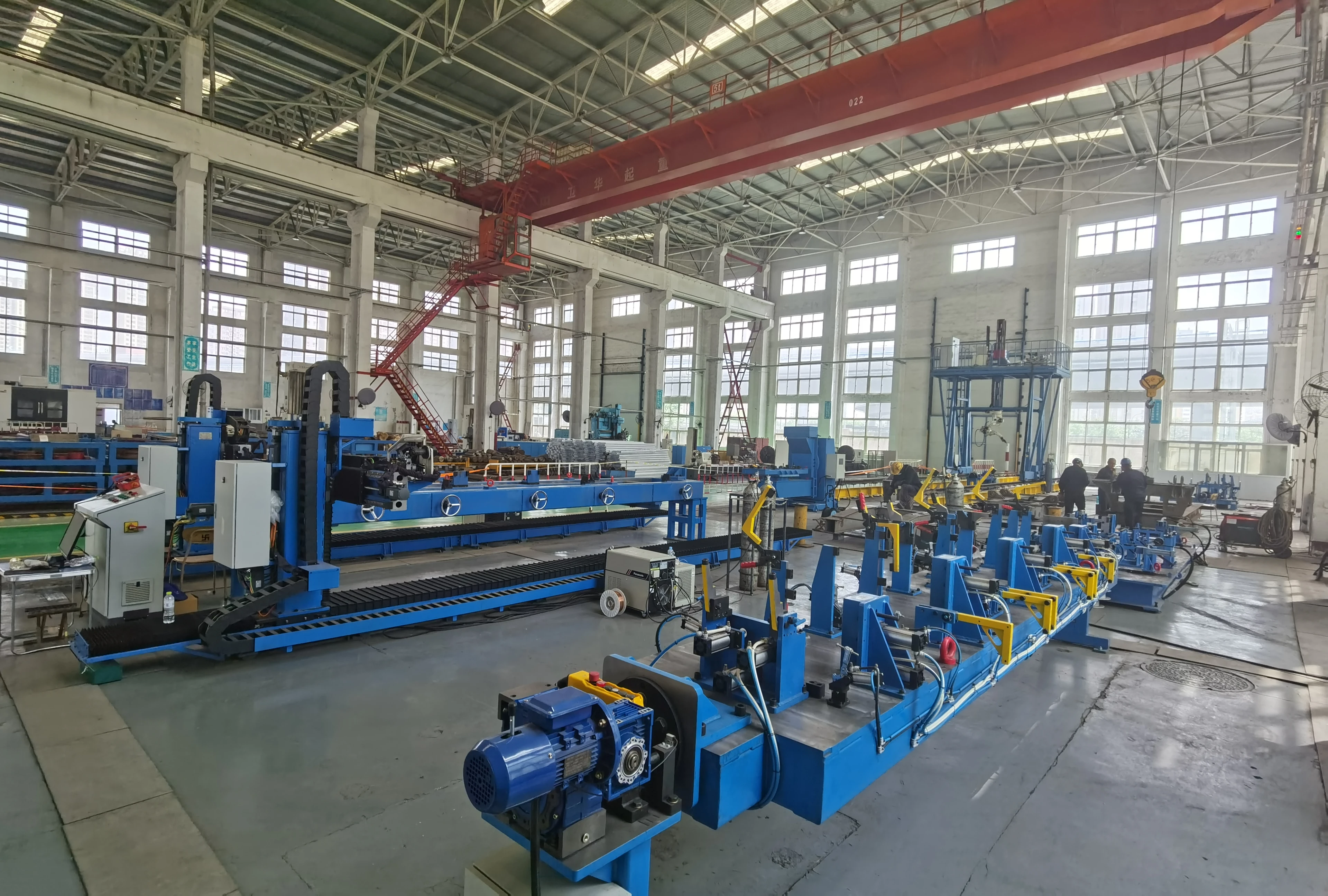
You need good data integration and real-time tracking to manage port crane intensity and operational KPIs. IoT sensors, equipment feeds, and terminal operating system logs collect data from each crane. These tools give you quick updates on operational KPIs and vessel turnaround time. AI systems and smart apps let you see all crane activity and performance indicators together. This makes it faster to spot problems and fix them. It also helps with predictive maintenance. The table below lists common technologies:
|
Technology/Methodology |
Description |
|---|---|
|
AI and Artificial Intelligence |
Powers decision layers for real-time telemetry and predictive analytics. |
|
IoT Sensors |
Provide real-time data feeds for smarter decision-making. |
|
Terminal Operating Systems (TOS) |
Synchronize responses from quay cranes to yard trucks. |
Technology for automation KPIs
You can use automation to track KPIs and operational performance without doing it by hand. Automated KPI tracking measures cycle times, idle times, and crane intensity. Signal monitoring records hoist, trolley, and gantry positions. Event-based data collection marks each crane cycle for accurate KPIs. Centralized databases keep all operational KPIs in one place for easy access and comparison. Automation makes KPIs more accurate and gives you good performance numbers for container terminal productivity.
Benchmarking and continuous improvement
You should compare your operational KPIs to industry standards. Start by picking the main KPIs that affect how well you work. Check your crane intensity, equipment availability, and maintenance efficiency against global goals. Use daily reviews to find problems early and connect results to long-term changes. Continuous improvement routines help you do better and lower vessel turnaround time.
Overcoming monitoring challenges
You may have problems like port congestion, digitalization, and workforce issues when tracking KPIs. Training your team and using AI, robotics, and cloud systems can help. CEGC has solutions for crane intensity, predictive maintenance, anti-corrosion, and automation. These tools help you meet operational KPIs and keep your port working well.
You make port crane work better by watching safety KPIs, cycle time, and downtime. Pay attention to safety numbers and workers to lower risks and costs.
-
Pick main KPIs and start dashboards.
-
Find problems and fix them with CEGC tools.
Using data helps you run cranes safely and dependably.
FAQ
What is the most important KPI for port crane operations?
You should pay attention to load handling accuracy. This helps keep work safe and smooth. It also stops cargo from getting damaged. Good accuracy makes berth work better.
How does CEGC help reduce crane downtime?
CEGC gives you tools for predictive maintenance. These tools watch cranes in real time and check for problems. They help you find issues early and fix them fast.
Can you customize KPIs for different port projects?
Yes, you can change KPIs for each project. CEGC lets you pick things like capacity, automation, and anti-corrosion level. You can choose what fits your port best.


