
You can prevent Directional Drill Machine Steel Rod Stops Failure by doing daily maintenance and using the machine the right way. Check and clean rods a lot. Put oil on joints so they do not wear out. Use steel rods that are strong and safe for the job. CEGC gives you different horizontal directional drilling machine choices for your project.
Key Takeaways
-
Check your directional drill rods every day for cracks and rust. This helps you find problems early. It stops bigger issues from happening later.
-
Put thread compound on the joints before you use them. Lubrication helps stop corrosion and thread damage. This keeps your rods safe to use.
-
Keep your drill rods in a dry place and off the ground. This stops them from getting wet. Wet rods can rust and the steel can get weak.
Directional Drill Machine Steel Rod Stops Failure
Daily Inspection and Maintenance
You need to make daily maintenance checks a habit if you want to stop directional drill machine steel rod stops failure. Start each day by looking at your hdd drill rods. Use your eyes and a thread gauge to check for cracks, rust, or worn spots. Always inspect both the male and female threads. If you see damage, set that rod aside. Do not mix old and new hdd drill rods. This keeps wear even and helps you spot problems faster.
Lubrication is a must. Put thread compound on every joint before you use it. This stops corrosion and thread damage. If you skip lubrication, you risk more failures. Store your hdd drill rods in a dry place. Do not let them touch the ground or get wet. Moisture causes rust and weakens the steel. Use racks or stands to keep them off the floor.
Tip: Change out worn drive chucks and sub savers right away. These parts protect your hdd drill rods from extra wear.
Here is a quick look at how lubrication and storage affect your rods:
|
Factor |
Impact on Steel Rod Failure |
|---|---|
|
Leads to corrosion and thread damage, increasing failure risk. |
|
|
Improper Storage |
Exposes rods to moisture and environmental factors, deteriorating material properties. |
You should also check your hoisting equipment, mud systems, and drill bits. Each part works together to keep your hdd drill rods safe. Good maintenance means fewer surprises and less downtime.
Preventing Fatigue Failure
Fatigue failure is one of the main reasons for directional drill machine steel rod stops failure. Fatigue happens when you use your hdd drill rods over and over. Small cracks start to form inside the steel. These cracks grow bigger each time you drill. High drilling pressures, poor alignment, and bad material can make fatigue worse.
You can stop fatigue failure by using the right drilling pressures. Do not push your hdd drill rods too hard. Watch for signs of vibration or shaking. Vibration and misalignment are big causes of fatigue. If your machine shakes or the rods do not line up, stop and fix the problem. Always use rods that match your machine’s specs. CEGC’s horizontal directional drilling machine gives you market-standard specs and lets you customize for your project. This helps you avoid fatigue and keeps your rods working longer.
You should also avoid bending or buckling your hdd drill rods. Support them well during storage and use. Do not let them hang or twist. If you see any sign of fatigue, like small cracks or bends, replace the rod right away.
Thread Care and Alignment
Thread care is key to stopping directional drill machine steel rod stops failure. Threads connect your hdd drill rods and keep the whole system strong. If you do not take care of the threads, you risk leaks, cracks, and even total rod failure.
Here is what you should do:
-
Handle threads with care. Do not drop or drag hdd drill rods.
-
Check for leaks at every joint. Leaks mean the pin or box is not lined up right.
-
Use the right torque when you make up joints. Too much or too little can cause thread damage.
-
Clean threads before you connect them. Dirt and grit cause wear.
-
Use thread compound every time. This reduces friction and stops corrosion.
Proper alignment matters. If your rods are not straight, you get more vibration and fatigue. Misalignment can cause permanent damage. Always check alignment before you start drilling. If you see a problem, fix it before you go further.
You should follow industry standards for inspection. Look for surface cracks, rust, or bent threads. Use ultrasonic testing or magnetic particle inspection if you want to check inside the steel. These methods find hidden problems before they cause failure.
CEGC’s horizontal directional drilling machine uses a high-rigidity frame and precise carriage alignment. This reduces vibration and keeps your hdd drill rods safe. You get better performance and fewer failures.
By following these steps, you can stop directional drill machine steel rod stops failure. You keep your hdd drill rods strong, safe, and ready for every job.
Drill Rod Failure Troubleshooting
Identifying Fatigue Failure
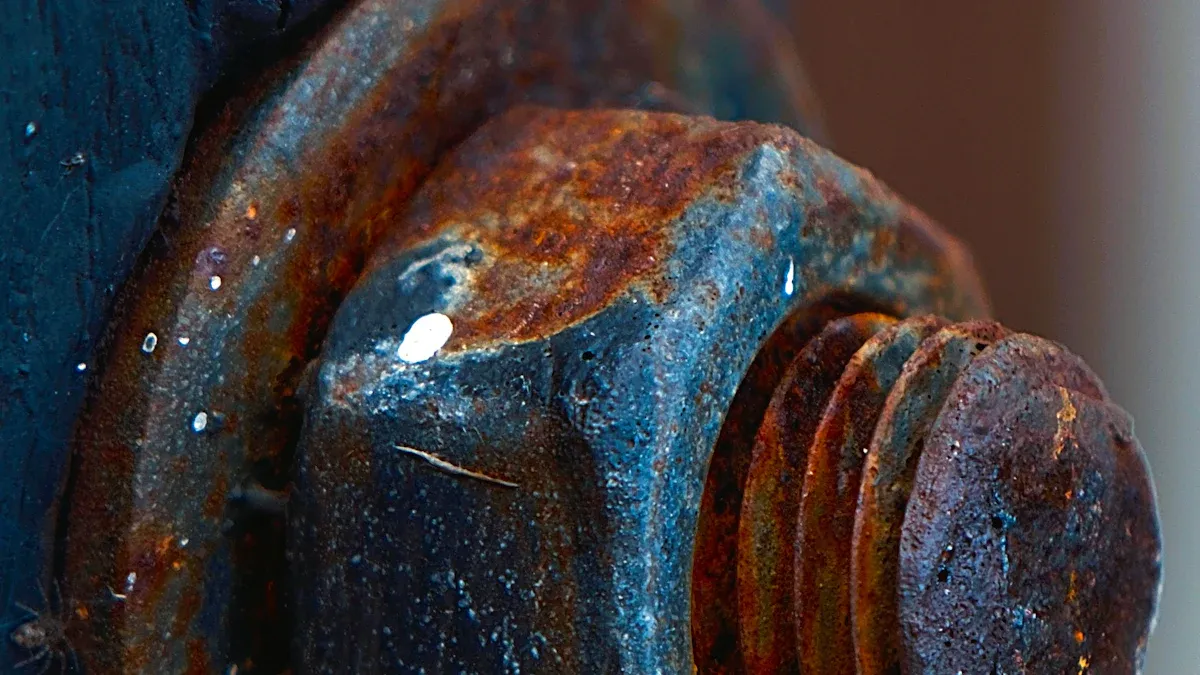
You need to find fatigue failure early to keep your directional drilling machine safe. Fatigue failure starts as tiny cracks on the steel rods. These cracks get bigger when you use the rods many times. High drilling pressure, bad material, and rods not lined up right make cracks worse. You can see these cracks when you check your rods after each job. Look for small lines or marks that were not there before. If you see cracks, you must change the rod. Using rods with cracks causes bigger problems and more time lost.
Fatigue failure happens a lot in horizontal directional drilling. You notice it when rods bend or break while working. Sometimes, you see uneven wear or rust close to the cracks. You must check both the threads and the rod body. Thread damage often comes with fatigue failure. Always use the right way to thread and clean threads to keep your rods safe. Good drill rod management helps you stop these problems.
Tip: Use ultrasonic testing or magnetic particle inspection to find hidden cracks inside the steel. These tests help you find problems before they cause failure.
Handling Stuck Pipe and Torque Spikes
Stuck pipe and torque spikes cause many failures in directional drilling. You must act fast to stop damage and keep your project going. When you see a stuck pipe, stop pumping right away. This stops pipe burst and extra damage. Move the pipe gently to find a free spot. Do not force the pipe or use too much torque. Lower the weight if you can. Check things like hookload, torque, and pressure. These steps help you know what caused the problem.
Torque spikes can be stronger than your steel rods. This can bend rods or make hidden weak spots. You must use the right way to install and follow set rules to lower risks. Calibrated tools help you use the right torque. This lowers the chance of over-tightening and thread damage. Many failures happen because people do not follow these steps.
CEGC’s horizontal directional drilling machine has an anti-stall powertrain and overload protection. These features help you control torque and stop stuck pipe. You get smooth ramp-up and ramp-down, which lowers shock loads on rods and tools. Mud management also helps by keeping fluid flow steady and lowering the risk of stuck pipe.
Note: Always tell your supervisor or toolpusher if you have stuck pipe. Follow the stuck pipe procedure (SOP) to keep everyone safe.
Step-by-Step Failure Response
You must act quickly and safely when you have drill rod failure. Follow these steps to save time and stop more damage:
-
Check your equipment after every bore. Look for cracks, bends, or thread damage. Check rod wipers and change them if you see dirt buildup.
-
Clean drill rods before putting them back in the rod box. This stops dirt and keeps your rods in good shape.
-
Take care of all parts, like sub savers and vise dies. Regular care makes your equipment last longer.
-
Fix any broken parts during downtime. Make sure your tools are ready for the next job.
-
Store your rods in a dry, covered place. Wet rods get rusty and weak.
You must use good drill rod management to stop common failures. Watch mud systems and keep fluid steady. This lowers the risk of stuck pipe and torque spikes. CEGC’s mud and fluid management helps you keep your work smooth.
|
Step |
Action |
Result |
|---|---|---|
|
Inspect |
Check rods and threads for cracks |
Find failure early |
|
Clean |
Remove dirt and other stuff |
Stops more damage |
|
Maintain |
Take care of all parts often |
Makes equipment last longer |
|
Repair |
Fix or change broken parts |
Ready for next job |
|
Store |
Keep rods dry and covered |
Less rust and failure |
You must do these steps every day. This keeps your directional drilling machine safe and cuts down on lost time. You avoid thread damage, torque spikes, and other failures. Good drill rod management means fewer surprises and more jobs done right.
Callout: CEGC’s horizontal directional drilling machine gives you market-standard specs and custom choices. You get anti-stall powertrain, overload protection, and mud management to handle drill rod failure and keep your project moving.
You can stop steel rod failure if you use good care. Always check your rods and keep them in good shape. Use the right drilling methods and do not use bad materials. Try these ideas:
-
Heat treatment makes the material stronger.
-
Use correct torque so threads do not get damaged.
-
Lower drilling pressure to keep rods safe.
-
Change speed to fight rust and stop rods from bending.
CEGC gives you good choices for any project.
FAQ
What causes most steel rod failures in directional drilling machines?
You often see failures from poor maintenance, misalignment, or using the wrong torque. Daily checks and proper care help you avoid these problems.
How do you know when to replace a drill rod?
Look for cracks, bends, or worn threads. If you spot any damage, replace the rod right away to keep your machine safe.
Does CEGC offer custom solutions for different drilling projects?
Yes! You can choose market-standard specs or ask CEGC for custom options. This helps you match your horizontal directional drilling machine to your project needs.


