
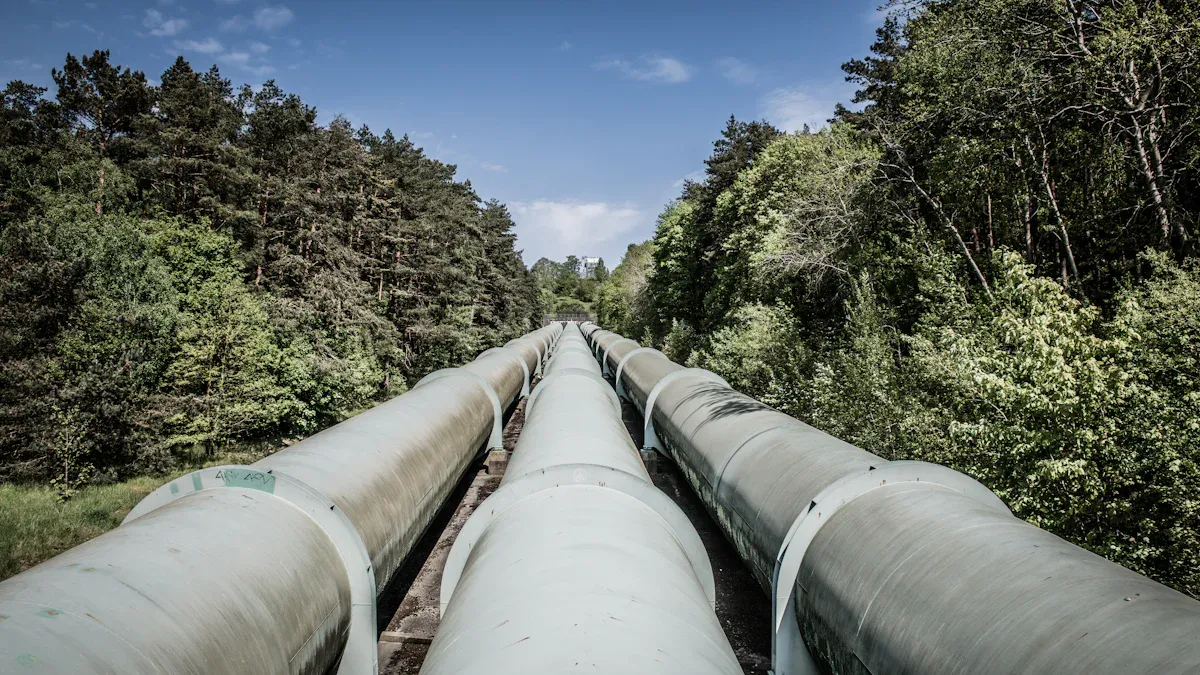
You need strong joints to make your horizontal directional drilling projects work well. Careful machining, fusion-welded joints, and flexible restrained joints help stop problems. > CEGC gives you standard choices and custom options for HDD Horizontal Directional Drilling Strong Joint needs. They help contractors, utilities, and city projects.
Key Takeaways
-
Strong joints are very important for safe horizontal directional drilling. Good materials and careful machining help stop leaks and breaks.
-
Pick the best joint type for your job. Fusion-welded joints do not leak. Flexible restrained joints are good for moving soils.
-
Check and care for joints often to save time and money. Always use best steps like oiling threads and looking for damage.
HDD Horizontal Directional Drilling Strong Joint Essentials
Joint Strength: Material and Machining
Strong joints keep pipelines safe and working well. The hdd horizontal directional drilling strong joint uses the right material. CEGC picks a special V145 blend. This blend makes joints stronger and more flexible. It helps pipelines handle tough jobs and last longer.
Machining is important too. Precision machining makes each joint fit tight. Tight fits stop leaks and keep joints strong. CEGC uses integrally forged construction. This design avoids weld problems and adds strength. Pipe ends get special threading. This threading makes joints even better and helps your project succeed.
Industry standards tell you how to build and test joints. You must use drill pipes that meet torque rules. If you match the drill and pipe, you avoid breaks and bad fits. Forged pipes that follow standards last longer and work better. You get more reliability for important projects.
Here is a table showing what matters most for hdd horizontal directional drilling strong joint material strength:
|
Material Property |
Description |
|---|---|
|
Quality of Material |
The use of a proprietary V145 blend with higher tensile strength and better flexibility. |
|
Structure and Design |
Integrally forged construction to avoid weld failures, ensuring strength under stress. |
|
Threading |
Precision machined and threaded upset ends on the forged pipe enhance joint integrity. |
You can pick CEGC’s standard specs or ask for custom ones. This lets you match the joint to your project’s soil and length. You get the right strength and reliability for your pipelines.
Fusion and Restrained Pipeline Field Joints
You must pick the right pipeline field joints for your project. Fusion-welded joints and flexible restrained joints both help pipelines stay strong. They work in different ways.
Fusion-welded joints give leak-proof connections. These joints are stronger than the pipe. You do not need extra restraints. They are good for projects where you want no leaks and high reliability. Flexible restrained joints bend easily. They fit well in moving soils and earthquake areas. You need thrust blocks or restraints to keep them in place. These joints may leak every 10-20 feet, so you must check them often.
Here is a table comparing fusion-welded and flexible restrained pipeline field joints:
|
Feature |
Fusion-Welded Joints |
Flexible Restrained Joints |
|---|---|---|
|
Leak Prevention |
Leak-proof joints, eliminating infiltration |
Potential leak points every 10-20 feet |
|
Joint Strength |
Stronger than the pipe itself |
Varies with material used |
|
Thrust Restraints |
Self-restraining, no need for additional restraints |
Requires thrust blocks or restraints |
|
Flexibility |
Limited flexibility |
Highly flexible, can bend to a radius 25 times the diameter |
|
Suitability for Dynamic Soils |
Less suited for dynamic conditions |
Well-suited for dynamic soils, including earthquake-prone areas |
|
Life Cycle Cost |
Zero allowable water leakage |
Typical leakage rates of 10-20% for other materials |
You can ask CEGC for custom pipeline field joints. You get the right joint for your soil, pipe size, and project needs. This helps pipelines last longer and lowers maintenance costs. You protect your important projects and keep installation stresses low.
Tip: Always check the specs for your hdd horizontal directional drilling strong joint. Make sure your pipeline field joints fit your project’s needs. This gives you the best strength and reliability.
Preventing Failures in Horizontal Directional Drilling
Resistance to Bending and Pulling Forces
When you put in pipelines with horizontal directional drilling, you face many problems. Strong joints help stop failures like the pipe getting stuck or breaking. Joints must handle bending and pulling forces. These forces come from the pipe’s weight, soil friction, and drilling fluid drag. Curves in the path make the joints work harder.
Joints with beveled shoulder threads are helpful. They give better bending strength and lower stress on the threads. This helps stop thread gluing accidents, which can happen at the exit side. Strong joints keep your pipelines safe and working well.
Here are the main things that affect pulling force resistance:
-
Pipe weight along the path
-
Friction from soil and drilling fluid
-
Bends and curves that add more force
-
Drag from drilling fluid and entry or exit losses
You can use prediction models to guess pulling force resistance. The PipeForce method works for steel pipes and is okay for polyethylene pipes. Picking the right joint design gives you more reliability and strength.
CEGC’s horizontal directional drilling machine has anti-stall powertrain and overload protection. You get high-torque output and slow ramp-up to lower shock loads. The strong frame keeps the pipe straight and steady. These features help stop stuck pipe and downtime.
Tip: Always check the joint specs for your project. Make sure the joints fit the soil and bore length. This protects your important pipelines and lowers stress during installation.
Leak-Free Performance and Environmental Protection
Pipelines must not leak to keep the environment safe. Leaks can cause pollution and harm. Strong joints help stop leaks and keep pipelines safe. You need good leak detection and real-time monitoring. Automatic shutdowns stop leaks before they get worse.
Field joint protection matters during horizontal directional drilling. The process puts stress on pipelines from soil and rocks. If you do not protect the joints, leaks and environmental problems can happen. Strong joints make pipelines last longer and work better.
Fusion-welded joints give leak-proof connections. These joints are stronger than the pipe and do not need extra restraints. Flexible restrained joints bend easily and work well in moving soils. You must check these joints often for leaks.
Here is a table showing how HDD pipeline joints perform for leak-free operation:
|
Description |
|
|---|---|
|
Pressure Rating |
Standard rating of 350 psi, handles high internal pressures |
|
Material Strength |
High strength for pull-back and external loads |
|
Thrust Distribution |
Improved distribution reduces stress on the joint |
|
Allowable Pulling Forces |
Greater allowable forces enhance reliability |
|
Joint Deflections |
Generous deflections accommodate ground movement |
|
Joint Assembly |
Quick and easy assembly for efficient installation |
|
Temperature Performance |
Unaffected by elevated temperatures |
|
Long-term Strength |
Material strength does not degrade over time |
|
Impermeability |
Pipe wall is impermeable to volatile hydrocarbons |
|
Residual Stresses |
Minimal residual bending stresses after installation |
|
Thermal Expansion |
No significant movement due to thermal expansion |
|
Shearing Prevention |
Eliminates risks of shearing at lateral outlets |
CEGC’s horizontal directional drilling machine has mud integration and fluid management. You get help with pump sizing and better filtration. These features keep the bore stable and help stop leaks. You protect the environment and pipelines stay reliable.
Note: Always watch your pipeline joints during and after installation. Use real-time data and communication systems. Keep records of the bore path and drilling details. This helps your pipelines last longer and work better.
Reliability Impact of Pipeline Field Joints
Operational Lifespan and Maintenance Reduction
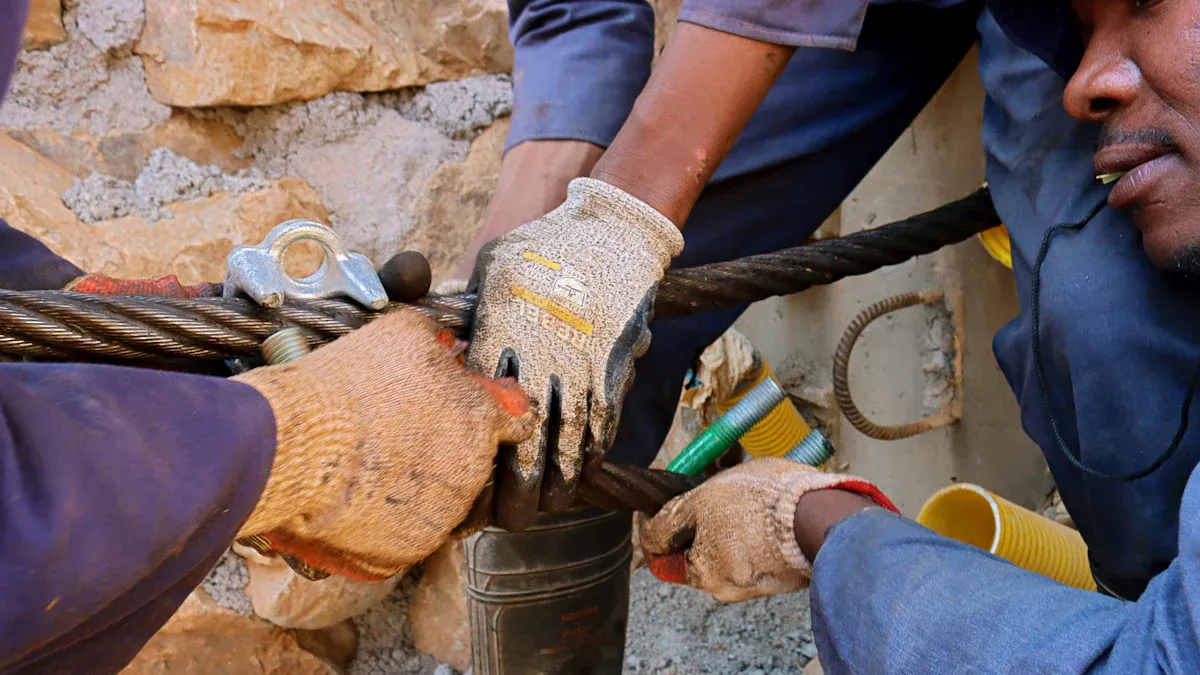
You want your pipelines to last a long time. Strong pipeline field joints are important for reliability. Using high-quality joints protects pipelines from problems. These problems include abrasion, impact, and gouge. Abrasion means the joint wears down and can get rusty. Impact happens when debris hits the joint and causes cracks. Gouge is when rocks scrape the coating and make the joint weaker. The table below shows how each issue affects pipelines:
|
Issue Type |
Description |
|---|---|
|
Abrasion |
Wear can weaken joints, cause rust, and need extra protection. |
|
Impact |
Debris can crack joints and lead to rust later. |
|
Gouge |
Rocks can scrape coatings and make joints less strong. |
You can spend less on maintenance by picking good joints. Following smart steps helps you find problems early. Regular checks and proper lubrication keep pipelines strong. This means fewer leaks and less downtime for important systems.
Best Practices for Joint Selection and Installation
You can make your horizontal directional drilling projects last longer. Use proven methods to help your joints stay strong. Here are some best practices:
-
Look at drill rods to find damage or wear.
-
Check each upset to stop damage.
-
Watch sub saver, drill rods, grease buckets, rod wipers, and vise dies for wear.
-
Change the sub saver before it harms rods.
-
Clean threads to get rid of dirt.
-
Rotate pipes in the rack to spread out wear.
-
Flush and dry pipes, and use thread protectors.
Think about ways to protect pipelines during installation. Some projects use special coatings like ScarGuard® to stop abrasion. Adding extra layers in tough soil helps joints last longer.
CEGC lets you customize joint specs for your project. When you follow these best practices, pipelines last longer and maintenance costs stay low.
Pipelines need strong joints to work well in horizontal directional drilling. Good joints make pipelines last longer. They also help you spend less on repairs. Picking the right joints protects pipelines when you install them. Trenchless technologies keep pipelines safe. This makes pipelines strong and reliable for every project.
FAQ
What makes a joint strong in horizontal directional drilling?
You need high-quality material, precise machining, and tight threading. These features help your joint handle stress and prevent leaks during drilling.
How do you choose the right joint for your project?
You should match the joint type to your soil, pipe size, and project needs. CEGC offers standard and custom options for the best fit.
Why is leak prevention important in HDD pipeline joints?
Leak-free joints protect the environment and keep your pipeline safe. You avoid costly repairs and help your project meet safety standards.


