
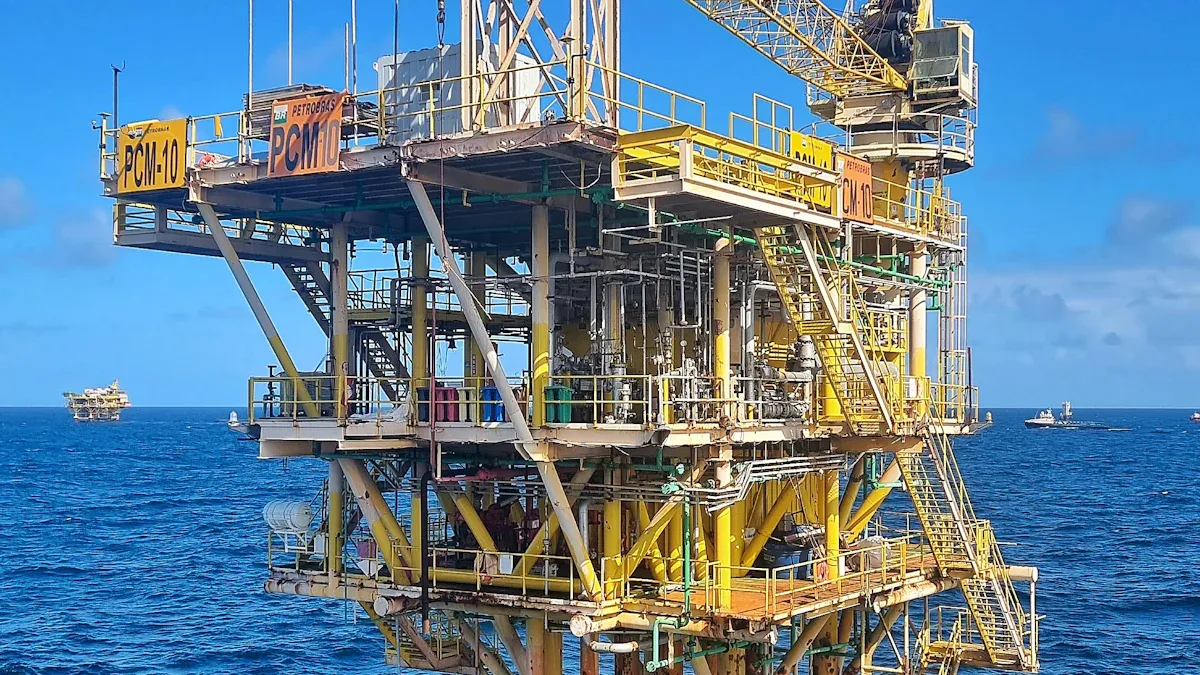
Oil Drilling Rig Reinforced Joint Prevents Break by making drill pipe connections stronger. Reinforced joints help lower weak spots where breaks often happen. Problems with connections cause more than half of drill pipe troubles, like cracks and splits. CEGC checks and fixes equipment often to make drilling safer and better.
-
Connection failures make up 55% of Viking’s investigations.
-
BHA connection fatigue leads to 58% of BHA failures.
Key Takeaways
-
Reinforced joints make drill pipe connections stronger. This lowers the chance of breaks. It also makes drilling safer.
-
Regular checks and good lubrication are very important. They help stop drill pipe failures. They also keep performance efficient.
-
Picking the best materials for reinforced joints helps a lot. It can cut downtime and maintenance costs. This leads to better drilling projects.
Why Drill Pipe Breaks Occur
Stress and Fatigue Factors
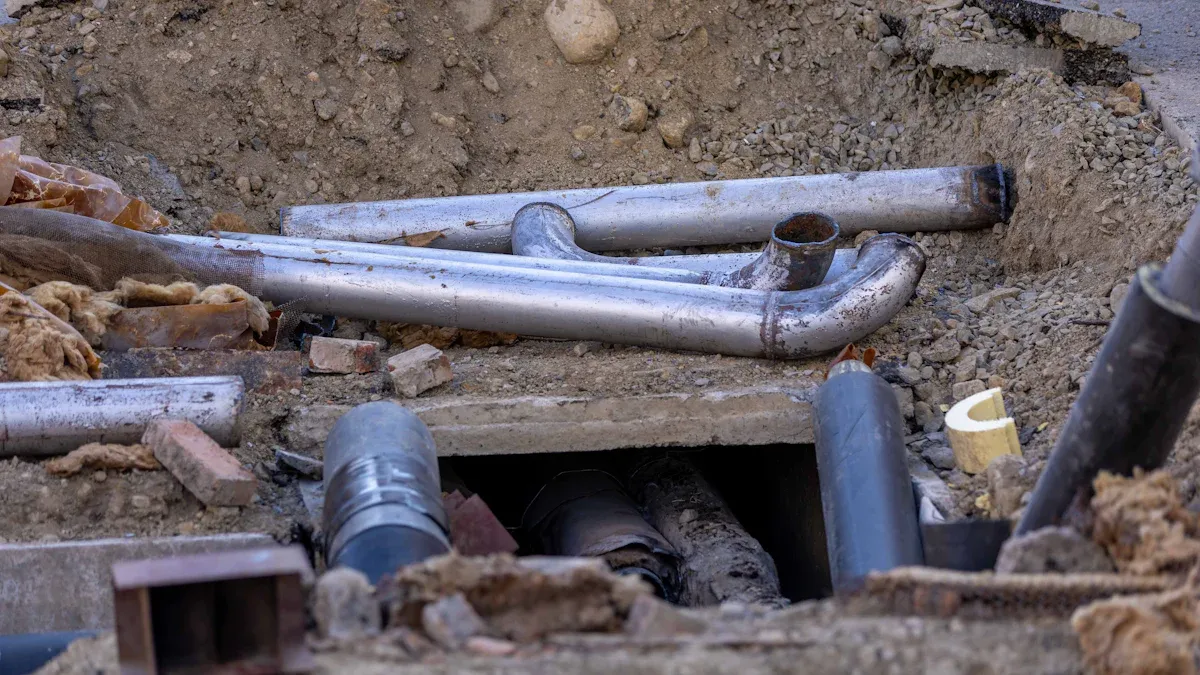
Drill pipe breaks when stress and fatigue build up. The joint area is the weakest part. It gets more stress than other parts. Mini horizontal directional drilling rods have a lower fatigue limit. The joint area faces complex forces. Numerical analysis shows stress is three times higher at the joint. Most failures happen at the joint, not the body. Skipping inspection or bad maintenance increases breakage risk.
|
Cause |
Description |
|---|---|
|
Insufficient fracture strength |
Bad material or design makes weak spots. |
|
Fatigue fracture |
Bending and twisting over time change the pipe and cause breaks. |
|
Excessive internal pressure |
High pressure inside the borehole causes stress and deformation. |
|
Failure of drill pipe connection |
Deformation raises stress and fracture risk. |
|
Improper operation |
Wrong use, like twisting or side loads, causes fractures. |
|
Material defects |
Flaws from making the pipe make it weaker. |
|
Excessive wear |
Long drilling makes pipes tired and break. |
|
Tensile failure |
Lifting too hard bends and breaks the pipe. |
|
Corrosion |
Chemicals weaken pipes and raise breakage risk. |
Harsh Drilling Conditions
Drilling is hard because of tough conditions. You face high pressure and corrosion from drilling mud. Stretching and squeezing the drill string causes stress. Pipe sticking happens when mud or borehole problems trap the pipe. Damaged threads and too much tightening also break pipes. Lost circulation from pressure changes makes things worse. Watch for stuck pipe incidents that can stop your work.
Tip: Check mud and pipe often to lower breakage risk.
Cost and Safety Risks
Drill pipe breaks cost a lot and are dangerous. You can lose millions from downtime or fishing operations. Sometimes you must leave the well. Stuck pipes raise costs and slow your schedule. Prevention helps you avoid these problems. You keep your team and equipment safe by lowering breakage chances. Regular checks and good maintenance reduce accidents and money loss.
Oil Drilling Rig Reinforced Joint Prevents Break
Reinforced Joint Design
Strong connections help your drill pipe work well. Oil drilling rig reinforced joint prevents break with smart engineering and tough materials. Most reinforced joints use stainless steel, carbon steel, or alloy steel. These materials are strong and resist corrosion. They last through long drilling jobs. Look at the table below to see common materials and their properties:
|
Material |
Key Properties |
|---|---|
|
Stainless Steel |
Superior corrosion resistance, especially in high humidity and salinity environments. |
|
Carbon Steel |
Known for strength and cost-effectiveness. Suitable for high and low temperatures. |
|
Alloy Steel |
Excellent mechanical properties and fatigue resistance. Used for demanding drilling applications. |
Picking the right material protects your drill pipe from breaking. The reinforced joint design spreads stress out. This stops weak spots from failing. You avoid downtime and keep your drilling safe.
Stress-Dispersing Grooves and Safety Joints
Oil drilling rig reinforced joint prevents break with grooves and safety joints. Grooves move stress away from fragile areas. You see fewer breaks because grooves guide force to safer spots. Safety joints act as a backup. If stress gets too high, the safety joint takes the load. It protects the main pipe from snapping.
These features keep your drilling running smoothly. Stress-dispersing grooves and safety joints give extra protection. They lower sudden breakage risk. You spend less time fixing problems and more time drilling.
Lubrication and Advanced Modeling
Lubrication helps your drill pipe and reinforced joints last longer. Oil drilling rig reinforced joint prevents break with advanced lubrication technology. High-performance lubricants cut wear and friction. Drilling puts lots of pressure on every joint. Good lubrication makes a barrier between metal parts. This stops metal-to-metal contact. It lowers overheating and breakage chances.
If you skip proper lubrication, you risk bearing failures. About half of bearing failures come from bad lubrication. You can avoid this by picking the right lubricant for your rig. Lubrication keeps out dirt and harmful particles. This extra protection helps reinforced joints last longer and keeps drilling safe.
You can use advanced modeling to predict how reinforced joints will work. Engineers use tools like Finite Element Analysis (FEA) and Cohesive Zone Modeling (CZM). These tools show where stress builds up in your drill pipe. With this info, you make better choices about joint design and protection. Advanced modeling helps stop breakage before it happens.
Benefits for HDD and Trenchless Drilling Rigs
Oil drilling rig reinforced joint prevents break in horizontal directional drilling and trenchless drilling rigs. Reliable joints help you work in hard or mixed ground. Reinforced joints give strength for high jacking forces and tough crossings. Some systems, like proprietary interlocking joints, remove field welding. This makes your job faster and safer in tough environments.
You get more uptime and less downtime with reinforced joints. Your CEGC horizontal directional drilling machine and Trenchless Drilling Rig work better because joints resist breakage. You avoid stuck pipe, torque spikes, and costly repairs. Reinforced joints protect your equipment for long, successful drilling projects.
Tip: Pick reinforced joints for your next drilling job. You will see fewer breakage problems and better performance from your equipment.
You use reinforced joints to stop too much wear and breaking. These joints make your equipment safer. Making the joint stronger and thicker helps it last longer. Built-in shafts and longer solid core joints keep parts from wearing out. They also help you follow safety rules. New joint technology lowers supply costs and makes shipping easier. CEGC gives standard specs and custom options for horizontal directional drilling hdd jobs. Picking reinforced joints and following safety steps keeps your team and gear safe.
Tip: Choosing reinforced joints for your directional drilling machine or Trenchless Drilling Rig makes your work safer and lowers risks.
FAQ
What is a reinforced joint in a drilling rig?
A reinforced joint is a stronger connection point on your drill pipe. It helps you avoid breaks and keeps your drilling safe and efficient.
How do reinforced joints help with horizontal directional drilling?
You get better performance and fewer stuck pipes. Reinforced joints spread stress and protect your CEGC horizontal directional drilling machine from costly downtime.
Can you use reinforced joints with trenchless drilling rigs?
Yes. You can use reinforced joints with trenchless drilling rigs. They help you handle tough ground and reduce the risk of pipe failure.


