
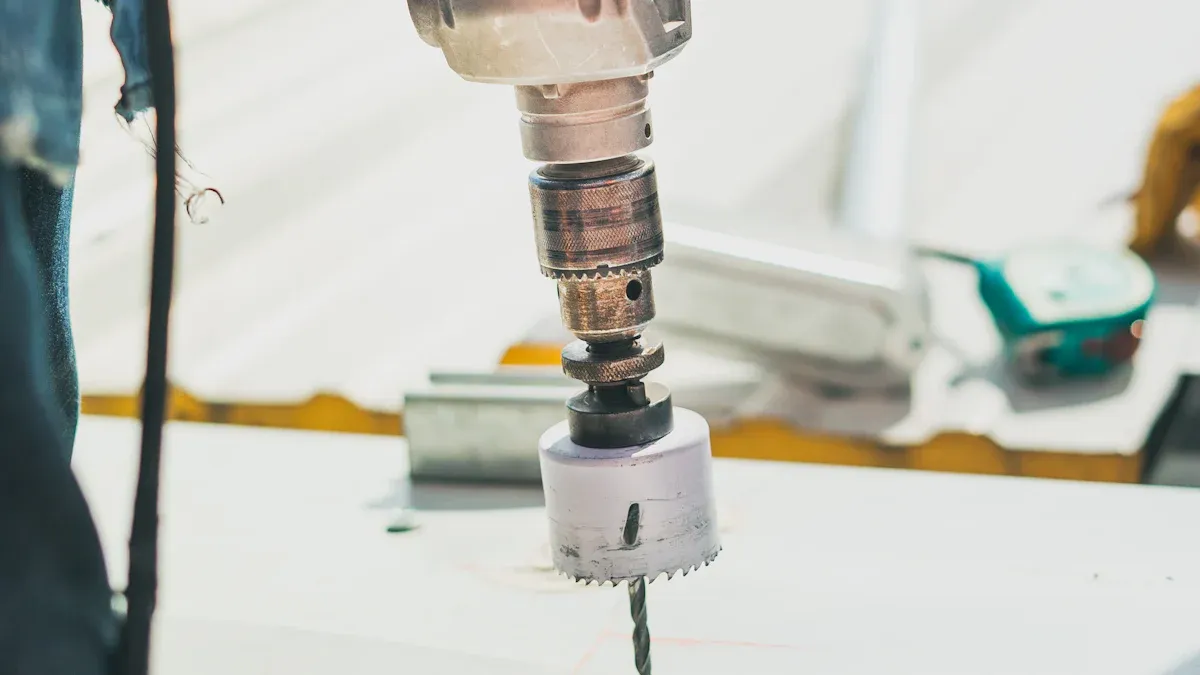
You need horizontal bore drilling tough connection cuts risk to keep your project safe. Tough connections stop expensive mistakes and help you finish jobs fast. Safety steps are important for every contractor, utility, and city team. CEGC gives horizontal directional drilling machines with top specs. Use strong risk management plans for better results.
Key Takeaways
-
Use tough connections in horizontal bore drilling to make it safer and lower the chance of equipment breaking.
-
Do careful planning before drilling. Check the ground and map out utilities. This helps stop accidents and keeps drilling easy.
-
Check equipment every day. Train your crew well so they can spot dangers and keep everyone safe.
Risk Factors in Horizontal Bore Drilling
Horizontal bore drilling can be dangerous for your project. You need to know these risks to keep your team safe and finish your work. The biggest risks are not planning enough, guessing wrong about the ground, picking the wrong drilling fluid, not being safe on site, and not thinking about weather or the environment.
Utility Strikes and Mapping
Working near underground utility lines is very risky. Hitting a utility line can cause explosions or fires, especially with natural gas. Many utility strikes have happened, and some caused big problems. You should always check for utility lines before you drill. Potholing is the best way to find and see where utility lines are. Use potholing every time you cross or turn. Safety checks for each site help you find dangers and plan safe drilling. The table below lists good mapping tools to help you avoid hitting utility lines:
|
Technology |
Benefit |
|---|---|
|
Advanced Locating Systems |
Shows where underground utility lines are in real time |
|
Accurate Utility Maps |
Lets you see all utilities before you start drilling |
|
Skilled Operators |
Helps you move the drill rig safely in tricky places |
Equipment Failure and Inspection
If your equipment breaks, your project can stop and your crew can get hurt. Check your machines every day to find problems early. Always look at your directional drilling machine for damage, leaks, or worn parts. Potholing helps you miss hidden utility lines that could break your equipment. Safety checks for each site should look at all utilities and drilling spots. This step lowers the chance of hitting utility lines and keeps your drill rig working well.
Bore Deviation and Precision Guidance
Bore deviation can slow you down and cost more money. Hard soil, rocks, or water can change your drilling path. You need special guidance tools to stay on track. Tools like the At Bit Inclination Assembly and On-Target Steering system give you updates as you drill. These tools help you move your drill rig and miss utility lines. Potholing at important spots along the way shows where utilities are and helps stop bore deviation. Always use potholing and mapping to guide your drilling and stay safe.
Tough Connection Solutions and Safety Precautions
Tough Connection Benefits
Tough connections keep your hdd project safe and on track. Strong connections lower the chance of pipe breaks and stuck rods. They also stop tool failures. These problems can stop work and put your team at risk. Tough connections help your horizontal bore drilling tough connection cuts risk by making the drill string stable and strong. They work well in hard ground or when you drill under roads and rivers.
Tough connections help you finish jobs faster. You do not waste time fixing broken parts or stuck pipes. This saves money and helps you avoid delays. With tough connections, you control the drill rig better. You can steer the drill head more easily and avoid bore deviation. This keeps your hdd project on track and helps you avoid mistakes.
CEGC gives you horizontal directional drilling machines with market-standard specs. You can pick custom torque, thrust, and rod systems for your project. These choices help you work in different soils and tough drilling spots. When you use CEGC’s tough connections, your hdd operation is safer and more reliable.
Safety Precautions for HDD Projects
You must follow safety steps to protect your crew and equipment. Good safety starts before you drill. Always have a trained person lead the project. Make sure everyone knows the safety rules. Operators need training and must work with a supervisor.
Here are important safety steps you should follow:
-
Mark entry and exit points so everyone sees them.
-
Mark all overhead power lines.
-
Make an emergency plan and a traffic plan. Tell your team about these plans.
-
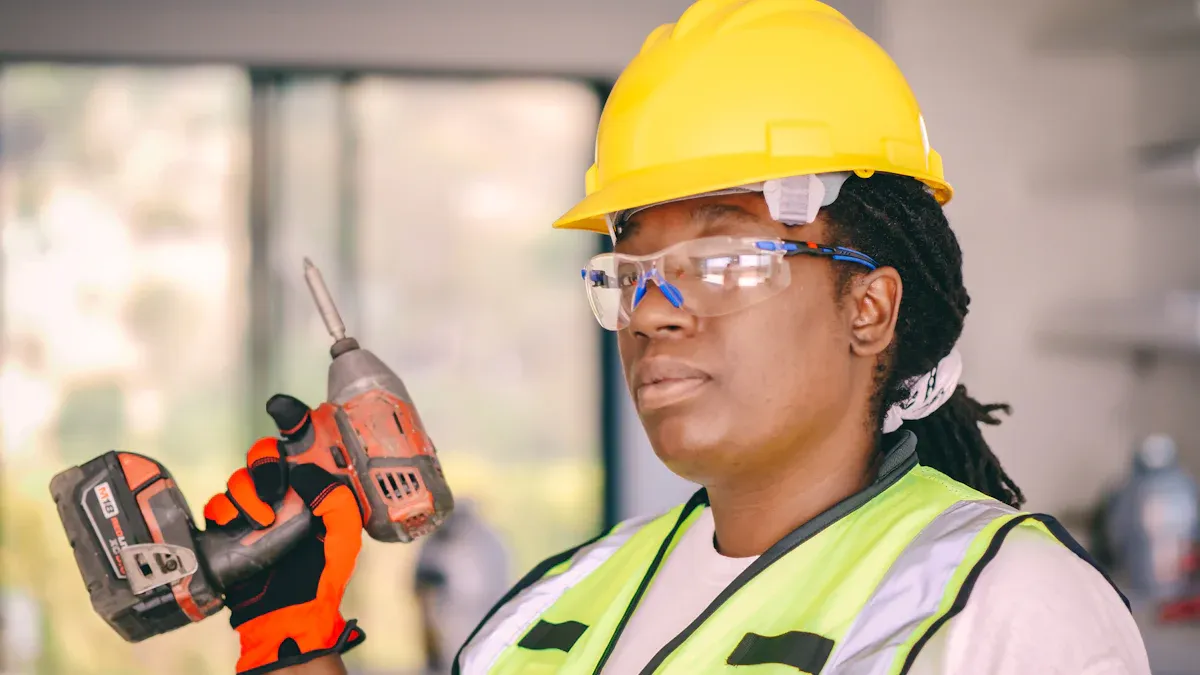
Use personal protective equipment like bright clothes, eye protection, and insulated gloves.
-
Keep clear communication between the drill operator and tracking equipment operator.
-
Make sure workers stay away from the drill and exit pit during work.
-
Check for hazards before you start. Walk the site to find dangers.
-
Use potholing to see underground utilities before drilling.
-
Slow down drilling near hazards or utilities.
-
Train all workers on hdd risks and safety steps.
Tip: Always check that radios or hand signals work before drilling. Good communication is a key safety step.
You must also follow OSHA and local rules for vehicles, noise, and safety. These safety steps help you avoid accidents and keep your hdd project running well.
Reducing Risk with CEGC HDD
You can lower risk in your hdd projects with CEGC’s horizontal directional drilling machines. CEGC gives you tough connections that help your horizontal bore drilling tough connection cuts risk. The machines have strong frames and steady carriage alignment. This keeps the drill string steady and cuts vibration.
CEGC’s hdd machines have anti-stall powertrains and overload protection. These features stop torque spikes and lower the chance of stuck pipes. You get smoother drilling and less downtime. The machines work with many types of reamers and cutters. You can match the tools to the ground, which helps you avoid tool wear and extra costs.
You can change CEGC’s hdd machines for your project. Pick the right torque, thrust, and rod system for your bore length and soil. The machines support tracking systems and data logging. This helps you guide the drill head well and avoid bore deviation.
When you use CEGC’s tough connections and follow safety steps, your hdd project is safer and works better. You protect your team, your equipment, and your schedule. You also show clients that you care about safety and quality.
Risk Reduction Practices and On-Site Checklist
Pre-Bore Planning and Precautions
You need a good plan before drilling. Start with a geological check to learn about the soil. Use mapping to find underground utility lines. Walk around to spot surface hazards like transformer boxes and wires. Do an environmental survey to find risks near protected places. Always check if you can access the property and look at what is already there. Make sure you have an emergency plan ready. This plan should list emergency contacts and steps for injuries or damage to utility lines.
Tip: Use a checklist to help your team find hazards, check PPE, and manage traffic.
|
Component |
Description |
|---|---|
|
Surface Hazards |
Look for transformer boxes and wires above ground. |
|
Overhead Hazards |
Find electrical wires overhead that could be dangerous. |
|
Training and Qualifications |
Only certified people should use heavy equipment. |
|
Emergency Response Plans |
Make plans for emergencies like injuries or utility damage. |
|
Personal Protective Equipment (PPE) |
Give everyone hard hats and reflective vests. |
|
Communication and Documentation |
Keep clear records to protect workers and your company. |
Daily Equipment Inspection
Check your drilling machine every day. Look at shields and safety decals for damage. Check engine oil, coolant, and hydraulic oil levels. Watch for leaks and check electrical wires. Make sure the bore rig and vac truck are away from utility lines. Test all controls and check for fluid leaks. Inspect Strike Alert sensors and set up traffic cones. Keep the site clean to stop poor hole cleaning. Write down each inspection and get signatures for proof.
Operator Training and Safety
You must give good training to your crew. Use classes, eLearning, or both. Training helps operators find hazards and follow safety rules. Ongoing training builds skills and teaches how to handle new ground conditions. This lowers accidents and supports best practices. Only trained operators should work near utility lines. Go over the emergency plan with your team. Remind everyone to wear PPE and talk clearly. Good training stops poor hole cleaning and keeps your project safe.
You make your project safer and faster with tough connections. Checking your equipment often helps you find problems early. CEGC’s horizontal directional drilling machines lower risks quickly.
-
Training teaches your team how to handle surprises.
-
Wearable safety tech helps workers stay safe.
-
Inspections find hidden cross bores and stop accidents.
|
Case Study Description |
|
|---|---|
|
Remote operation of drilling rig |
Workers stay away from dangerous spots |
Reach out to CEGC for custom help and expert advice.
FAQ
What is a tough connection in horizontal bore drilling?
A tough connection joins drill rods and tools. You get more strength and less risk of breakage. This keeps your drilling safe and steady.
How do CEGC’s HDD machines reduce project risk?
You use CEGC’s horizontal directional drilling machines for strong frames, anti-stall powertrains, and overload protection. These features help you avoid downtime and accidents.
Why should you inspect your drill rig daily?
You find problems early when you check your drill rig every day. This keeps your team safe and helps your project finish on time.


