
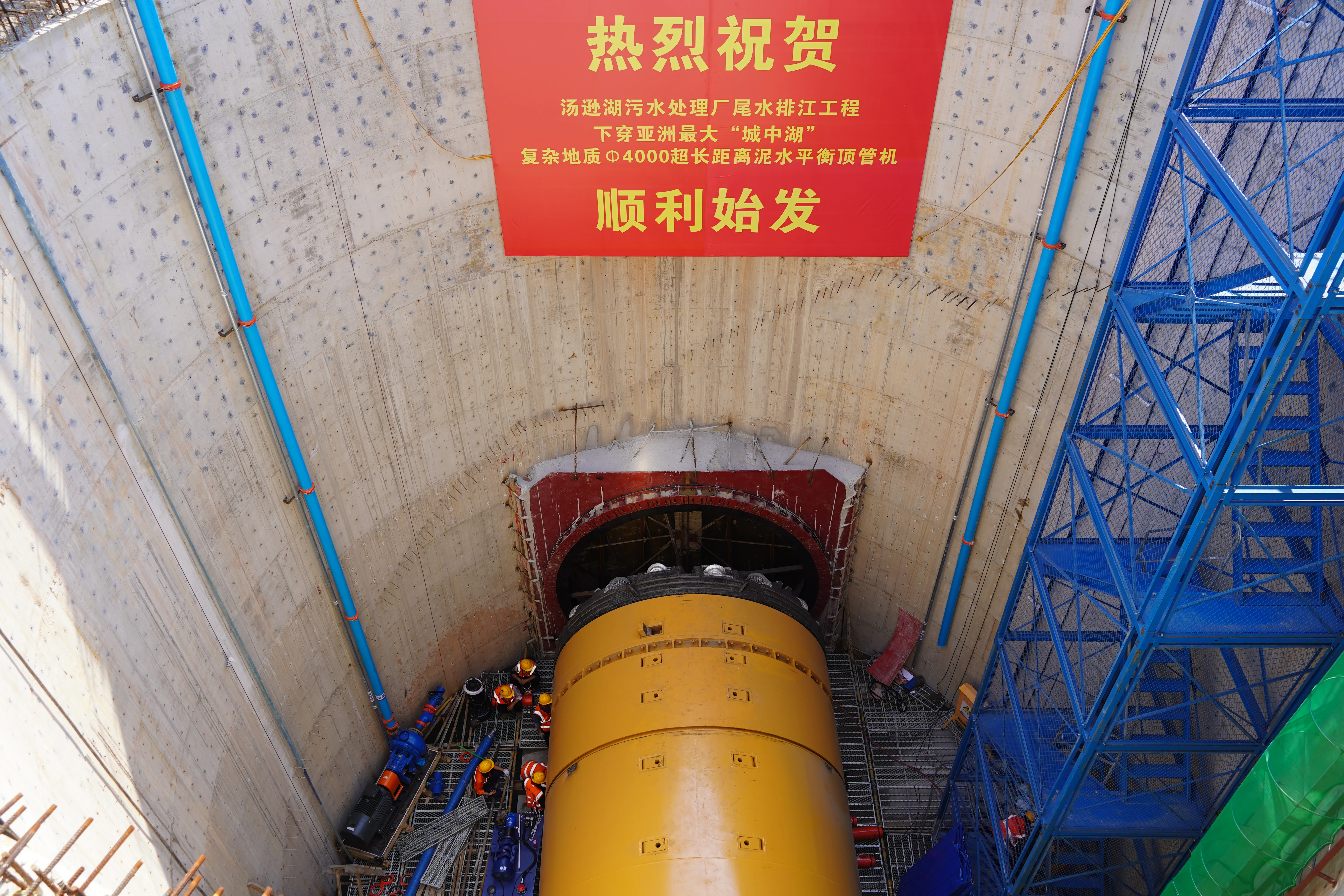
Face instability drops with adaptive control on a TBM machine, leading to safer tunnel construction and improved project outcomes. Adaptive control systems enhance face stability, which is crucial for worker safety and overall tunnel quality. CEGC offers expert guidance and a wide range of tunnel machines, ensuring you select the best equipment for your project needs.
Key Takeaways
-
Adaptive control systems help keep the face stable in tunnel boring machines. This makes building tunnels safer and helps projects turn out better. Real-time data from sensors lets workers change TBM settings right away. This lowers the chance of face instability and stops project delays. Using adaptive control can cut down on downtime a lot. It also makes workers safer by keeping them out of dangerous places.
Face Instability in TBM Machines
What Is Face Instability?
When a tunnel boring machine works, face instability happens if the ground in front cannot stay in place. This can make soil or rock fall into the tunnel. It makes the job unsafe and slows down the work. You should know the main causes and technical reasons for face instability. The table below lists some important causes and parameters:
|
Cause of Face Instability |
Description |
|---|---|
|
Discontinuity Orientation |
Cracks or layers in the ground change how stable the tunnel face is. |
|
Strength-Stress Ratios |
The balance between ground strength and tunneling stress is important for stability. |
|
Operational Strategies |
Not having enough ways to control face instability can make things worse. |
|
Contractual Frameworks |
Project contracts often do not include face instability, which can delay work. |
|
Parameter |
Description |
|---|---|
|
Cohesion |
The soil’s ability to stick together and not break apart. |
|
Friction Angle |
The angle shows how much the soil can stop sliding. |
|
Permeability |
Water moves through the ground easily, which can weaken the face. |
|
Type of Machine |
Different TBMs deal with face stability in different ways. |
|
Advance Rate |
The speed of the TBM changes how much pressure is needed at the face. |
|
Tunnel Diameter |
Bigger tunnels need more support to stay stable. |
|
Cover Depth |
More ground above the tunnel adds pressure to the face. |
|
Ground Water Table Location |
Water near the tunnel can make the face less stable. |
Impact on Tunnel Projects
Face instability can cause many problems for tunnel projects. You may see slower progress, higher costs, and more safety risks. Some main impacts are:
-
Lower advance rates mean the TBM moves more slowly.
-
More operational challenges, like needing extra support or repairs.
-
Delays in the project timeline because the ground moves unexpectedly.
Face instability affects TBM performance. It leads to low advance rates and more operational challenges. Shield hard rock TBMs have few ways to manage face instability well. Contractual frameworks for TBM tunneling do not have enough rules for face instability management. This impacts project timelines.
Using adaptive control can help stop these problems. Face instability drops with adaptive control on TBM machine. This makes your project safer and more efficient.
Adaptive Control and TBM Machine Stability
How Adaptive Control Works
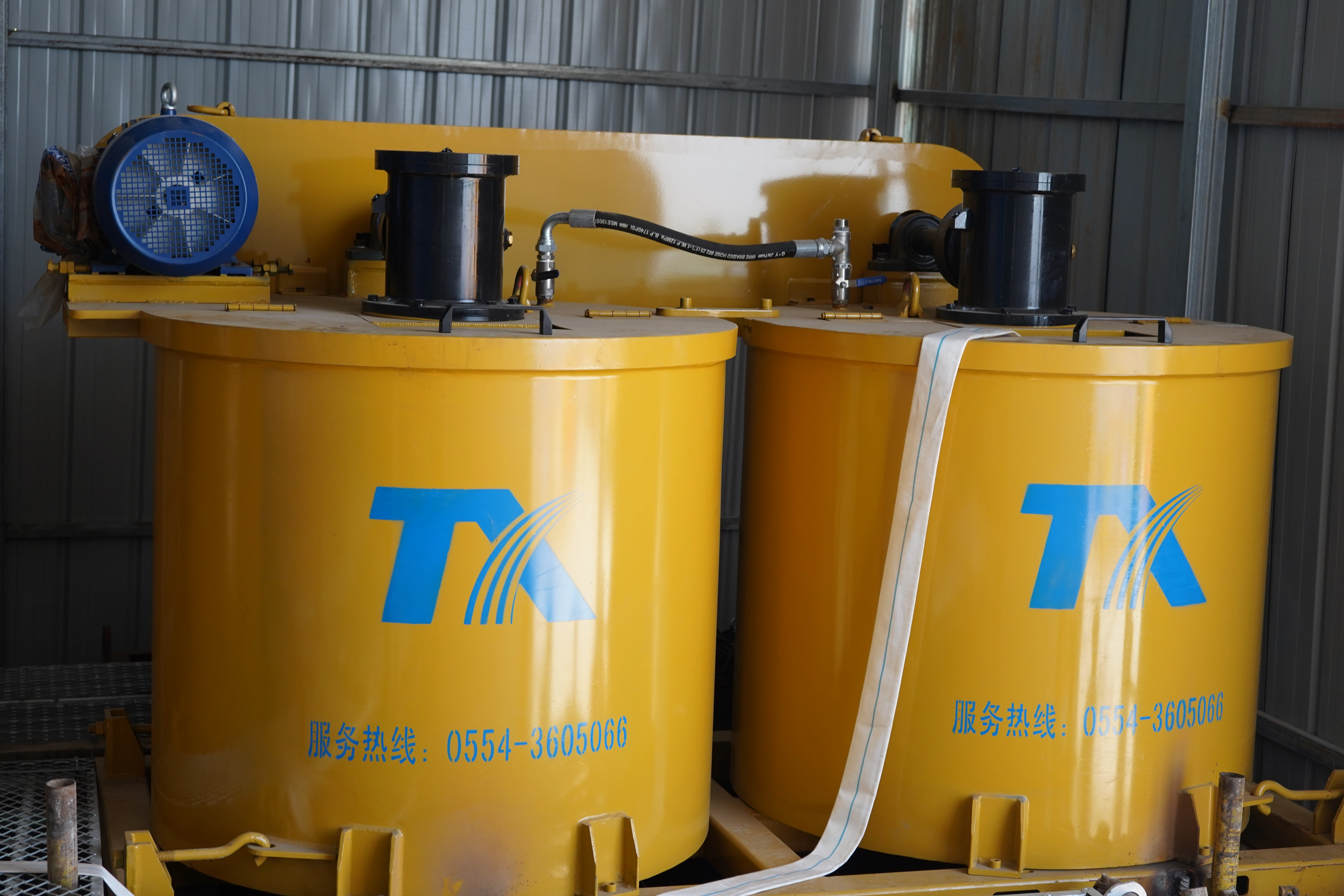
Adaptive control helps your TBM machine work better and safer. It uses digital twin technology to make a virtual copy of the machine. This copy shows what is happening inside the TBM and at the tunnel face. Machine learning helps the system remember past jobs and guess what might happen next. Bayesian decision theory helps the system pick the best choices using the data it finds. All these tools help keep the tunnel face steady.
Sensors are important in adaptive control. Geophones listen for vibrations from the TBM. These vibrations help you make seismic profiles of the ground ahead. Microphones and accelerometers measure sound and movement. They show how much the disc cutters are worn out. Knowing the cutter’s condition helps you stop sudden breakdowns. This keeps the tunnel face steady. Wired and wireless geophones record seismic waves. They give you real-time information about the ground ahead.
Real-Time Adjustments for Face Stability
Adaptive control lets you change things right away. You can watch the tunnel face and adjust pressure or speed when needed. The system uses sensor data to find risks before they become problems. If the ground changes, you can change the TBM’s settings to keep the face steady. This makes tunneling safer and helps avoid delays. Face instability drops with adaptive control on TBM machine because you always know what is happening and can act fast.
Face Instability Drops with Adaptive Control on TBM Machine
Mechanisms of Instability Reduction
When you use adaptive control on a tunnel boring machine, you see real changes. The system uses smart models and machine learning to keep earth pressure steady at the tunnel face. This balance is important because it stops soil or rock from falling in. The models help you change pressure right away. You can act fast if the ground changes. Face instability drops with adaptive control on TBM machine because you always know what is happening at the tunnel face.
Sensors collect data about shaking, cutter wear, and ground conditions. The system looks at this data and tells you when to change settings. You can change sealed cabin pressure, cutter speed, and thrust. These changes help you keep the tunnel face steady. The system can handle different soils and rocks. You see quick changes in clay, silt, sand, and pebble soil. It takes more time to adjust in mudstone, sandstone, and weathered rock. The table below shows how the system changes for different ground types:
|
Geological Condition |
Adjustment Time (s) |
Control Effect Description |
|---|---|---|
|
Clay |
30-50 |
Quick adjustment when moving between similar soil types. |
|
Silt |
30-50 |
Quick adjustment when moving between similar soil types. |
|
Sand |
30-50 |
Quick adjustment when moving between similar soil types. |
|
Pebble Soil |
30-50 |
Quick adjustment when moving between similar soil types. |
|
Mudstone |
60-70 |
Takes longer to adjust because the soil is stronger. |
|
Sandstone |
60-70 |
Takes longer to adjust because the soil is stronger. |
|
Soft Rock |
60-70 |
Takes longer to adjust because the soil is stronger. |
|
Fully Weathered Rock |
60-70 |
Takes longer to adjust because the soil is stronger. |
|
Highly Weathered Rock |
60-70 |
Takes longer to adjust because the soil is stronger. |
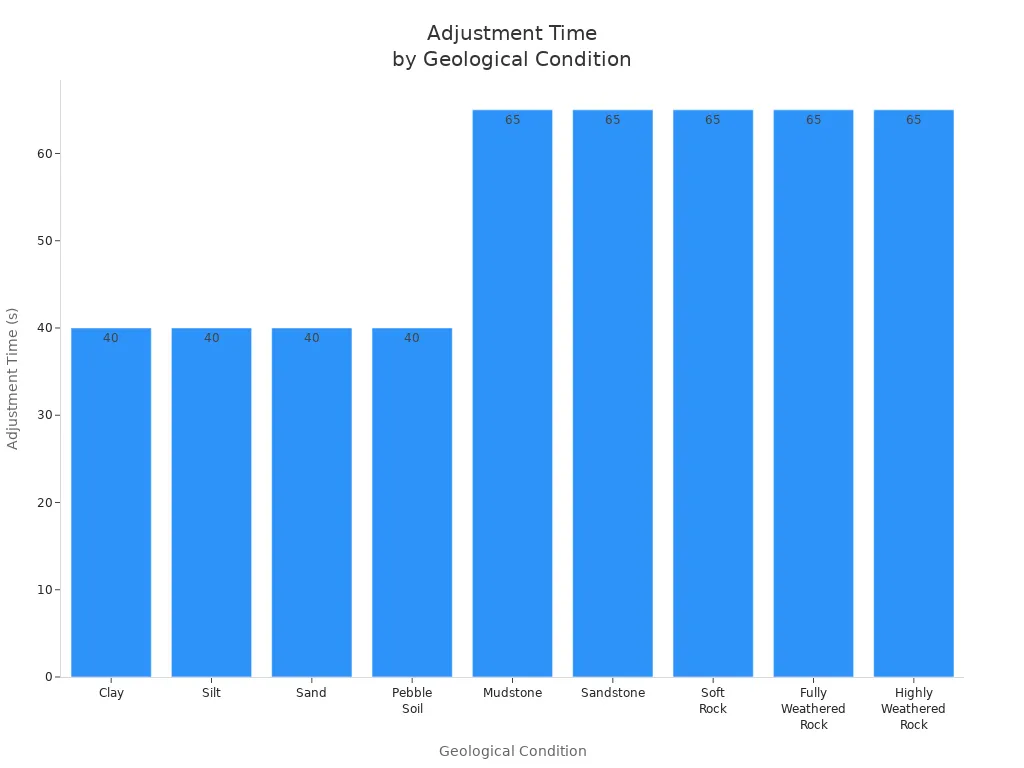
You can see that the smart control model changes quickly for most soils. It takes longer to change in rocks with different strengths. This flexibility helps you keep the tunnel face steady and avoid sudden problems. Face instability drops with adaptive control on TBM machine because the system reacts to changes before they get worse.
Adaptive control also helps you with common problems. You deal with downtime, changing ground, muck handling, and things in the way underground. The system gives you feedback right away and lets you make fast choices. You can balance thrust and speed, control shaking, and save energy. These actions keep the tunnel face safe and make the tunnel better.
Practical Benefits and Case Examples
You get many good things when you use adaptive control. The system cuts downtime by watching data and guessing problems. You see fewer delays because the system acts fast when things change. Worker safety gets better because machines do dangerous jobs. You do not need as many people in risky places.
-
Less downtime because of real-time data and smart guesses.
-
Better safety features mean less work in dangerous spots.
-
Improved mapping with radar and seismic tools.
-
Fewer accidents because you can predict what is under the ground.
You can check how well adaptive control works by looking at speed, safety, and how it adapts. Advanced sensors give you feedback right away. You can change how you dig to match the ground. The system uses time series prediction and deep learning to guess TBM moves. You see better results and more trust in your tunneling project.
Case studies show how adaptive control works in real life. Hybrid systems switch between digging and water-jet cutting based on how hard the ground is. This makes tunneling safer and faster. Watching things in real time helps you change TBM work for different ground types. You lower the risk of tunnel collapse. TBMs with different cutting tools can handle all kinds of ground. You see good tunneling in every condition.
The Nanjing Metro Line 11 project used digital twin technology for real-time control. The system managed ground settlement and kept the tunnel face steady. You can look at CEGC’s experience and products for more examples. Face instability drops with adaptive control on TBM machine, so tunnel building is safer, faster, and better.
You can see adaptive control helps TBM machines work better and safer. Machine learning can guess how the machine will do in hard ground. AI and robots check sensors to find problems early. This helps project owners and engineers work faster and more accurately.
|
Example |
Benefit |
|---|---|
|
Real-time data helps make cutting better and faster. |
|
|
Caterpillar Inc.'s AI-driven TBM |
Changes make tunneling more exact and quick. |
You can count on CEGC’s tunnel machines for expert help and smart solutions for the future.
FAQ
What is the difference between a tunnel machine and a TBM?
Tunnel machines do many underground jobs. TBMs are tunnel machines for making big, round tunnels.
Which tunnel machine is most cost-effective for short crossings?
-
Auger boring machines are good for short crossings. They cost less and work best in strong soils.
How deep can tunnel machines operate?
|
Machine Type |
Typical Depth Range |
|---|---|
|
TBM |
Up to 100 meters |
|
Microtunnelling |
Up to 50 meters |
|
Auger Boring Machine |
Up to 20 meters |


