
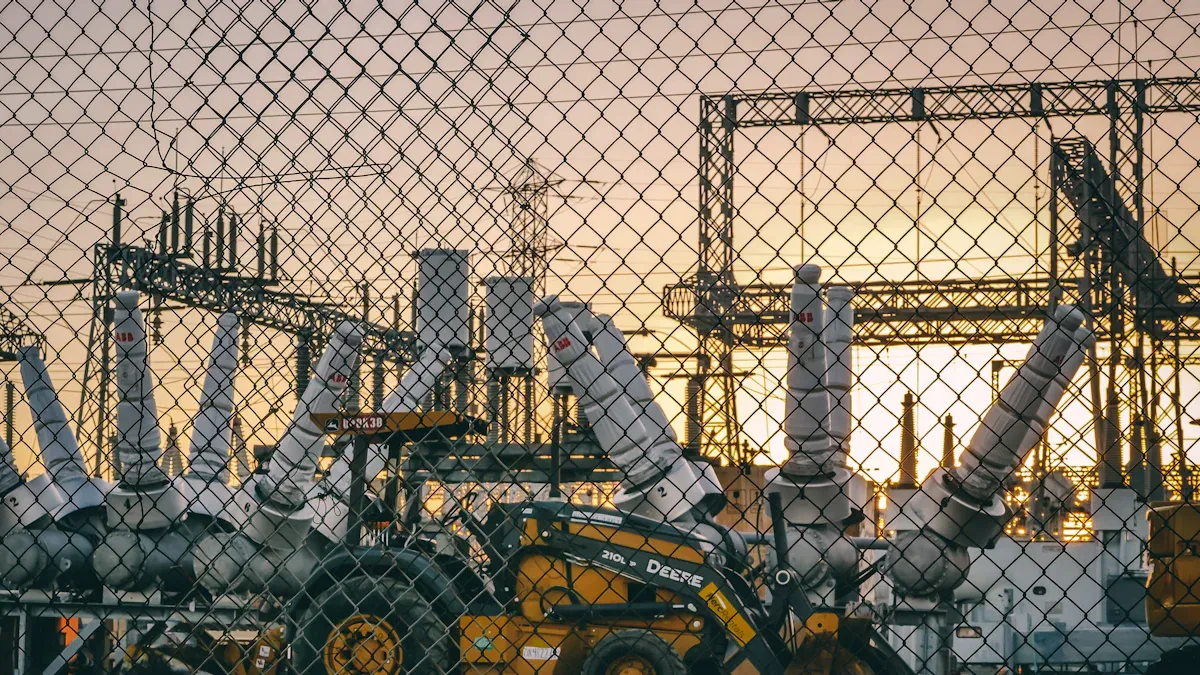
Building new things today needs special ways to dig without open trenches. The market for trenchless tools will be worth $6.38 billion by 2031. Drilling is hard in different types of ground. This includes hard rock and soft clay. A good HDD Rig Supplier Handles Rock to Soft Clay and can work in all these conditions. They need to be experts in horizontal directional drilling. This is for pipes and wires underground. This makes sure horizontal directional drilling construction works well. CEGC offers the right tools for good drilling.
Key Takeaways
-
Putting pipes and wires underground needs special tools. The ground can be hard rock. It can also be soft clay.
-
Good plans and the right tools help. Strong drills and special liquids are needed. They stop problems in hard rock. They also stop problems in soft clay.
-
A good drill supplier gives machines. They also share knowledge. This helps with all ground types. Projects become safe and work well.
Understanding Diverse Ground Conditions
Rock Formations: Characteristics and Challenges
Horizontal directional drilling (HDD) faces problems in rock. Rock formations are very different. They vary in hardness. This changes how we drill. Harder rock needs stronger tools. Softer rock can still cause issues. Knowing about these hard formations is important. This is true for any HDD project. Good construction needs this knowledge.
|
Rock Type |
Description |
Unconfined Compressive Strength (UCS) |
|---|---|---|
|
Sedimentary rocks |
Rocks forming layers like shale, sandstone, and coal. |
Less than 7,000 psi (Soft rock) |
|
Igneous rocks |
Formed under high temperatures and pressures – includes granite and marble. |
7,000 psi to 18,000 psi (Medium hardness) |
|
Metamorphic rocks |
Consolidated crystalline structures formed under extreme heat and pressure. |
18,000 psi and above (Very hard rock) |
Drilling through very hard rock needs special tools. It also needs careful control. This keeps the borehole straight. This is key for building things.
Soft Clay Formations: Characteristics and Challenges
Soft clay formations cause different problems. This is for HDD construction. Clay can be unstable. It can fall into the borehole. This makes keeping the borehole hard. Managing fluids is important in soft ground. Bad fluid control can cause frac-out. This is when drilling fluid leaks out. It creates environmental worries. Good planning stops these problems. This makes drilling smooth.
Geotechnical Surveys for Informed Decisions
Good geotechnical surveys are key. They are for any HDD project. They give important facts. This is about soil and rock conditions. This data helps pick tools. It also guides drilling plans. This is vital for good construction.
Standard ways for these surveys include:
-
Drilling Rigs: Auger drills, sonic core drilling, and rock coring.
-
Test Pits/Trenches: Used for checking large particles. This is at shallow depths.
-
Geophysical Surveys: These add to borings. They help fill in gaps.
-
Laboratory Tests: These check properties.
A step-by-step site check is best:
-
Effective use of existing data: This includes geological reports. It also includes well logs.
-
Prudent use of simple, inexpensive tests: These find out features.
-
Supplemental site investigation: This answers remaining questions.
Ground Penetrating Radar (GPR) is another method. It is used in geotechnical checks. This helps map underground areas. Knowing the soil and rock conditions helps. It makes a drilling project successful.
Horizontal directional drilling (HDD) through rock needs special tools. A strong horizontal directional drilling machine from CEGC helps with hard formations. These machines make drilling easy. They work even in tough ground. They use new technology. This helps them get past problems.
High-Torque HDD Rigs for Rock Drilling
High-torque HDD rigs are key. They help drill rock well. These strong machines push hard. They cut through thick stuff. Rate of Penetration (ROP) shows how well they work. It tells how fast the drill bit moves. Faster rate of penetration means projects finish sooner.
Many things change ROP:
-
Formation Properties: The kind of rock changes speed. Limestone or granite drill differently.
-
Drilling Parameters: Weight on Bit (WOB) matters. Rotary Speed (RPM) is important. Mud Flow Rate also counts.
-
Bit Selection: Pick the right bits. This is for different hard formations.
-
Drilling Fluid Properties: Mud thickness cools bits. It also takes out cuttings.
-
Downhole Conditions: Clean holes are good. Stable borehole walls are too.
-
Technology and Tools: MWD and LWD give live data. RSS helps steer the drill.
CEGC's horizontal directional drilling machine has high torque. This helps it drill well. It works in tough rock conditions.
Rock Drilling Tools: Bits, Motors, and Hammers
Picking the right tool is key. This is for drilling rock. Different bits, motors, and hammers are used. It depends on the rock type.
-
Tricone Bits: These bits are good for many jobs. They work in any rock. This includes hard, medium, or soft rock.
-
PDC Bits: Polycrystalline Diamond Compact (PDC bits) work very well. They are used for many drilling jobs. This includes horizontal directional drilling. PDC bits last long. They cut well.
Other drilling tools are downhole motors and hammers. Downhole motors spin the drill bit. Hammers hit the rock to break it. These tools, with good reamers, drill well. They also make the borehole bigger.
Drilling Fluids for Rock Stability
Drilling fluids keep the borehole steady. This is true when drilling rock. The right fluid stops problems. It stops loose rock from falling. Loose rock can make the hole tight.
Good drilling fluid rules are:
-
Density: Mud density must be right. It stops borehole walls from falling.
-
Filter Cake: A good filter cake stops holes from getting too big. It has bentonite. This is key in sand and sandstone.
-
Chemical Inhibitors: For shale, chemicals are used. These include calcium, potassium, and polymers. They stop water-based muds from hurting shale. This keeps the rock strong.
-
Oil-Based and Synthetic-Oil-Based Muds: These fluids work for shale. They are good in tough drilling spots.
-
Emulsified Brine Phase Drilling Fluids: These fluids make things better. They lower water activity. This stops shale from soaking up water.
Good fluid care is vital. It helps drill well in hard formations.
Precision Guidance for Rock Crossings
Being exact is very important. This is for rock crossings. Accurate drilling keeps the borehole on track. This saves money. It also prevents delays. Special guidance systems help with this.
-
Real-time telemetry systems: These watch the drill head. They do it all the time.
-
Electromagnetic tracking systems: These also watch the drill head. They do it all the time.
These systems make sure the borehole is right. They are very precise. This helps with safe paths. It keeps depth and line steady. AZIDRILL® helps with sloped drilling. This makes tunnels go specific ways. It also makes exact holes for freeze curtains. These things give good guidance. They stop the drill from going off course.
CEGC's horizontal directional drilling machine has a special system. It is called "Precision Guidance & Stability System." It fixes "Bore Deviation & Crossing Failure." It matches thrust, pullback, rotation, and feed. A strong frame and carriage stop shaking. This keeps the drill straight. The system also works with tracking. It can record data. It can also control the process. This technology makes things accurate every time. This is key for roads, rails, rivers, or utility crossings.
Tailored Solutions for Soft Clay Drilling
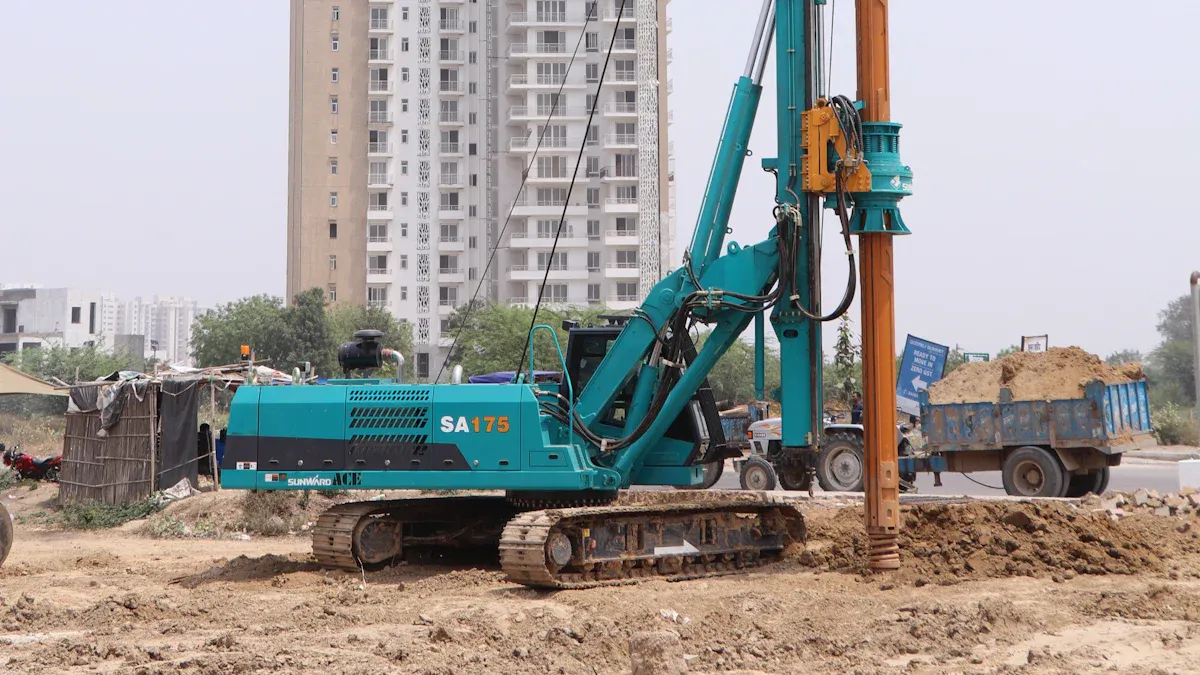
Working in soft clay is hard. It has special problems. Horizontal directional drilling needs special tools. It needs special ways to work. CEGC's Trenchless Drilling Rig stops common problems. This helps projects finish well.
Low-Impact HDD Rigs for Clay
Low-impact HDD rigs are key. They are for soft clay. These machines do not disturb the soil much. This keeps the bore path steady. They have lighter parts. They have good control systems. This stops the ground from moving. These rigs are vital for city work. They protect old buildings. These rigs drill smoothly. They work even in soft ground.
Clay Drilling Tools: Paddle, Fly, and Reamers
Picking the right drilling tools is key. This is for soft clay. Different tools work for different soils. This helps remove dirt well. It keeps the bore steady.
-
Paddle or blade bits are for HDD. They work in soft soils. They also work in medium-hard soils. This includes clay and sand.
-
Fishtail or Beaver Tail Bits are good for soft soils. They are not rough. Examples are sand, clay, and loam.
-
Blade Bits (Paddle or Spade Bits) are flexible. They work in soft to medium soils.
-
Barrel reamers or fly cutters work well. They are for sticky soils.
-
Paddle reamers are good for sticky clays. Their open shape stops dirt from building up.
These special bits and reamers drill well. They make a steady borehole. This is key for putting in pipes.
Drilling Fluids for Clay Viscosity
Drilling fluids are important in soft clay. They control thickness. They stop the bore from falling in. Good fluid care is key for good drilling.
|
Property |
Description |
|---|---|
|
This makes the fluid thick. It helps drill faster. It cleans the hole. It separates liquids and solids. It is different from bentonite. It has less cation exchange. It works better with hard water. It makes a smooth wall. This helps with sliding. It seals loose sand. |
|
|
POLY KEM D |
This is a dry powder. It is added to drilling fluid. It can make bentonite work better. It can also replace it. |
|
Hibtrol HV |
This is a changed polymer. It makes fluid loss low and steady. It stops shale from reacting. It makes the fluid thicker. This makes the borehole stronger. It makes cuttings better. It helps control solids. It lowers drilling costs. It is good for the environment. It uses water-based mud. |
|
Platinum Pac |
This is a good PAC. It has a special coating. It mixes easily. It controls swelling in fresh water. It stops clay from swelling. |
|
Poly-Plus & Poly-Plus 2000 |
These are PHPA polymers. They make fluid thicker. They make it slippery. They stop clay from swelling. Poly-Plus 2000 is 52% active. It is stable. |
|
Poly-Plus LV |
This is a small PHPA. It has a medium charge. It is for wrapping cuttings. It stops clay from spreading. It makes fluid a little thicker. It can help with filtering. |
|
Poly-Plus RD |
This polymer spreads easily. It wraps cuttings. It makes clay stable. It mixes easily. It also makes fluid thicker. It reduces rubbing. It makes things clump. It helps control fluid loss. |
|
Poly-Plus EHV |
This is a bigger PHPA polymer. It makes fluid thicker. It uses less product. It wraps cuttings. It makes clay stable. It also makes fluid thicker. It reduces rubbing. It makes things clump. It helps control fluid loss. |
Other things are also important.
-
Viscosifiers: These make drilling fluid thicker. They carry cuttings. They keep the borehole steady. Examples are bentonite. This is a natural clay mineral. It swells. Xanthan gum and guar gum are also examples. These are man-made polymers.
-
Shale Inhibitors: These stop damage. They keep the wellbore whole. They control shale swelling.
-
Stabilizing Additives: These make the wellbore stronger. They lower the risk of collapse. They stop blowouts. This is key for safety. It stops harm to nature.
Special parts are often used.
-
Bentonite clay: This makes fluid thicker. It helps suspend things. It stops borehole collapse. It controls fluid loss.
-
Polymer additives (like sodium polyacrylate): These make fluid thicker. They make it slippery. They make drilling better.
-
Shale Inhibitors: These control shale swelling. They stop drilling problems.
Good fluid choice is key. Good fluid care is key. This helps drill well in soft ground.
Mitigating Frac-Out Risk
Frac-out is a big worry. It happens in soft clay. Drilling fluid escapes the borehole. This can harm nature. It can delay projects. CEGC's Trenchless Drilling Rig has a special system. It is called "Mud Integration & Fluid Management Solution." This fixes "Poor Fluid Performance & Frac-Out Risk."
This system has key parts.
-
Pump sizing guidance: This makes sure the pump is right. It has the right flow and pressure. This is for the bore length. It is for the diameter. It is for the ground type.
-
Optimized circulation path: This design lowers pressure. It makes sure fluid returns well.
-
Filtration readiness: The system is ready. It filters fluid well. This keeps fluid good.
-
Mud program discipline: This means following rules. It means mixing correctly. It means watching all the time. It means making changes.
These steps work together. They keep fluid good. They lower frac-out risk. This protects nature. It makes construction smooth. This full fluid plan is a sign of good HDD work.
The Hybrid Approach: Transitioning Between Ground Types
It is hard to drill through different types of ground. This happens in one path. A good HDD rig supplier must have flexible tools. This helps move from hard rock to soft clay.
Adaptive Drilling Strategies
Drilling in mixed ground needs smart plans. Workers must change how they drill. This is as the ground changes. They change push, spin, and fluid. The drill bits are also very important. Different bits work for different ground. Hard rock needs strong bits. Soft clay needs special bits. Workers must pick the right bits. This helps drill well. How fast they drill depends on the bits. Having many bits ready is key. Changing bits fast saves time. The right bits make drilling good. CEGC's rigs work with many bits.
Hybrid machines can switch how they work. They can handle mixed ground. This means rock and soil.
Integrated Fluid Management
Fluid systems are key for mixed ground drilling. Drilling fluid changes. This is when new dirt gets in. Checking it often helps fix problems fast.
-
Fluid experts watch the mud. They do this once drilling starts.
-
They make changes right away. This matches the ground conditions.
-
Special systems clean the dirt. They save the fluid. This keeps the mud good.
-
They keep making the fluid better. They react to ground changes.
-
They watch mud weight, thickness, and dirt. They do this all the time.
-
Many cleaning tools are used. They are changed often. This stops waste.
Real-Time Ground Analysis
Checking the ground often gives fast updates. This helps make quick changes. This is during drilling.
-
Smart computer systems use data. They use smart rules. They are a "smart brain" for drilling.
-
These systems learn from old data. They use live ground info. They change drilling plans. They also guess when tools might break.
-
A learning system uses drill data. It finds ground types right away. It updates its guesses. It can tell ground types very well.
Anti-Stall Powertrain for Mixed Ground
CEGC fixes "Stuck Pipe, Torque Spikes & Downtime." They use "Anti-Stall Powertrain & Overload Protection." This system is vital for mixed ground. It gives strong power. It has many speeds. It senses pressure. It stops too much force. It starts and stops slowly. This protects tools. It keeps drilling steady. It saves equipment.
What a Good HDD Rig Supplier Can Do
A good HDD rig supplier handles rock to soft clay. They have solutions for any project. CEGC makes sure construction works. This is true no matter the ground.
Many Kinds of Equipment
They have many different machines. This is important. It helps with all ground types. This goes from hard rock to soft clay. The right rig works well. New technology helps this.
Skilled Workers and Experts
Experienced workers and engineers are very important. They handle hard drilling jobs. Their knowledge helps with changing ground. This makes sure the project works.
Tools That Fit and Last
Tools wearing out costs money. CEGC has a special package for tools. It helps with this problem. It makes sure tools work with many reamers. It gives smooth power. Easy access helps fix things. When picking bits, workers look at the ground. They check rock type, pressure, and how rough it is. These things help guess how fast tools will wear out. Mistakes in rock drilling can wear out bits fast. This includes PDC bits. Sand also makes tools wear out. Good oil stops bits from wearing out. This includes PDC bits and other tools. Worker skill and fluid use help tools last. Turning too much makes PDC bits wear out faster.
Safety and Green Rules
Safety and nature rules are most important. This is for HDD construction. Suppliers check how jobs affect nature. They find risks. They plan how to fix them. Checking the ground helps avoid hitting things. This includes underground utilities. Plans for emergencies are key. Working with rule-makers makes HDD safe. Training helps workers drill safely. Checks find dangers. They make sure rules are followed. They keep workers safe. Following rules like ISO 45001 shows care. This technology makes sure jobs are done well.
A good HDD rig supplier works in all kinds of ground. This is very important for a project to do well. Special tools, smart methods, and great skills make this happen. CEGC's new HDD tech helps projects finish fast. It makes things safer. This builds strong structures. Our HDD tech makes CEGC a good partner. We can handle any ground problem. Every HDD project gets better with us.
FAQ
How does CEGC address hard rock drilling?
CEGC uses strong horizontal directional drilling machines. These drill rigs have special bits. They also have motors and hammers. This gear helps drill well. It keeps things steady in tough rock.
What are the main challenges when drilling in soft clay?
Soft clay can cause problems. The borehole might fall in. Or fluid might leak out. CEGC's Trenchless Drilling Rig uses special tools. It also has good fluid control. This stops these issues.
How does CEGC manage mixed ground conditions?
CEGC uses a special system. It is called "Anti-Stall Powertrain & Overload Protection." This technology gives steady power. It keeps tools safe. This helps drill smoothly. It works in both rock and soft clay.


