
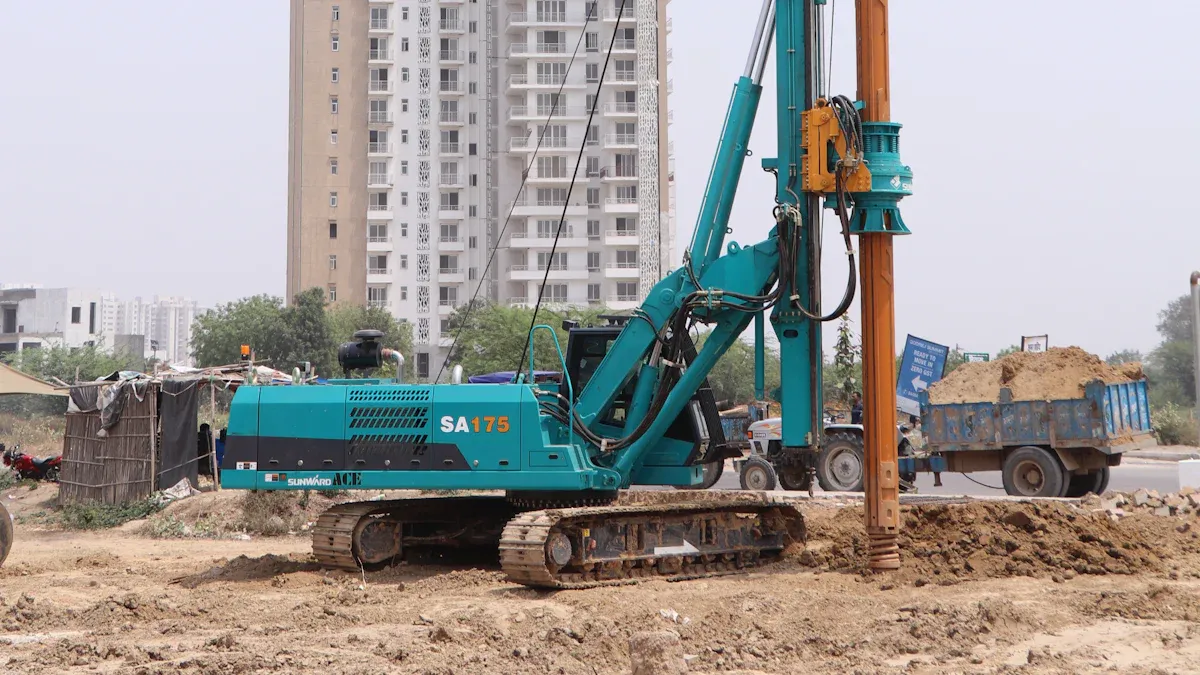
Horizontal Pipe Boring Works Any Soil Condition
Horizontal directional drilling machine (HDD) is very flexible. This method helps with utilities. How does it work for any utility? Why is horizontal directional drilling good for different ground and structures? Special ways, tools, and smart plans from CEGC are important. This makes sure horizontal pipe boring works any soil condition for any pipe in any soil. Directional drilling machine makes HDD a great choice.
Key Takeaways
-
Horizontal Directional Drilling (HDD) puts pipes and wires under the ground. It does this without digging long ditches. It works in many kinds of dirt. This includes sand, rocks, and clay.
-
HDD uses special tools. It also uses liquids. These help it drill through different ground. This makes it a good choice for many jobs. Even hard jobs.
-
HDD is good for nature. It does not hurt the environment as much. It also saves cash. It makes jobs safer for people working.
Horizontal Directional Drilling: Works in Any Soil
How We Install Pipes Without Digging
Horizontal directional drilling (HDD) is a key part of modern trenchless work. This method puts utilities underground. It does not dig long trenches. This work uses strong mechanical and hydraulic ideas. For example, hydraulic jacks push pipes. They push from a start point. This creates force for horizontal boring. Load tools track these forces. This stops pipe damage. Longer lines can use jacking stations. They lower stress on pipe parts. Digging tools change with the soil. They can be hand tools. They can be tunnel boring machines for rock. Laser systems guide the pipe. This keeps it on track. A jacking frame holds the hydraulic rams steady. Lubrication systems add special fluids. These fluids reduce rubbing. This makes horizontal boring easier. Managing groundwater is also key. It keeps the ground steady.
The Drill Rig Works in Different Ground
The horizontal directional drilling machine is vital. It works in many ground types. This method installs new pipe. It also installs other underground utilities. The process has steps:
-
Pilot Drilling: A small hole is made first. A drill bit and pipe make this hole. Drilling fluid grinds soil and rock. It cools the bit. It carries dirt to the surface.
-
Pre-Reaming: A special tool cuts back and forth. This makes the pilot hole wider. Drilling fluid keeps cleaning the hole.
-
Pipe Pullback: The new pipe connects to the drill rod. The spinning drill string pulls the pipe. It goes into the wider hole. Drilling fluid helps the pipe slide.
Engineers are very important for HDD jobs. They plan the bore path. They pick entry and exit spots. Their plans help choose the right rig. They pick drill heads and fluids. This helps HDD work in different ground. Soil experts study soil samples. They look for rocks or high water. This careful plan, with skilled rig operators, makes HDD reliable. These operators have training. They can fix problems fast. They adapt to tough ground. This makes horizontal boring flexible for many jobs.
Conquering Challenging Ground with HDD
Navigating Sandy and Loose Soils
Working in sandy and loose soil is hard. Horizontal directional drilling (HDD) faces problems. Holes can fall apart. Fluid can be lost. Keeping lines straight is tough. This is because the soil is not firm.
HDD uses many ways to fix this. Drilling fluid is changed. This makes the soil stronger. Pressure is watched closely. Special tools make the hole strong. Surveys are done first. They find bad spots. Coatings protect the pipe. They are called ARO. Other systems also help. They are called MPS. These include covers and spacers. These ways make horizontal boring work. Even in tough sand.
Mastering Rocky and Hard Ground
Drilling through rock needs good plans. Knowing rock types is key. Land features also matter. This helps pick the right tools. HDD uses special drill bits. It also uses reamers. The Supreamer Reamer is open. It has paddles for mixing. It has carbide teeth for cutting. The T-REX Reamer is strong. It has a steep shape. It uses carbide grit. It has big shark teeth. This cuts through rock. Gladiator Bits are tough. They have big carbide buttons. These buttons stop wear. This works in many grounds. The Gladiator Club Bit is useful. It has big carbide buttons. They resist wear. This is good for rough ground.
Drilling fluids are very important. They cool the drill bit. They make drilling smooth. They carry dirt out. They keep pressure in the hole. This stops collapse. These fluids are water, clay, and other things. The mix changes for the rock. A good drill plan is a must. It looks at hole size. It looks at the land. It plans for tools. Operating settings are controlled. These are WOB and RPM. This helps steer well. It makes work faster. This is for utilities and infrastructure projects.
Tackling Cohesive Clay and Silt
Cohesive clay and silt are good for HDD. These materials are stable. They are easier to drill. Drilling fluids keep them stable. A mix of bentonite and water is used. It is called 'mud'. This fluid makes the hole stable. It is used for drilling. It is also used for backreaming. For high-pressure jetting, bentonite-water is used. Other slurries are also used. These slurries make the hole stable. They stop it from falling. This makes horizontal boring smooth. This is for any utility installation.
Managing Unstable and Mixed Formations
Unstable and mixed grounds need special HDD ways. These grounds are hard. They have different soil types. Conductor casing is improved. Trenchless methods are used. These are pipe ramming or auger. They are not like hammering. They allow longer pipes. They allow wider pipes. This makes installation better. Drilling fluid chemistry is better now. New fluids stop fluid loss. They make coarse ground stable. Ground improvement is part of HDD plans. This helps with hard ground. New LOC materials make ground stable. This is for permeable ground. Special drilling fluid is needed. This is for big HDD jobs. Ground properties are checked. Experts test fluid often. They check thickness. They check weight. They check sand. They check gel strength. This helps remove dirt. It helps form filter cake. It helps recycle fluid. This makes sure horizontal pipe boring works any soil condition. This is for new infrastructure. It is also for existing infrastructure lines and installations.
Advanced HDD Technology for Optimal Performance
New horizontal directional drilling (HDD) jobs need to be very exact. They also need to be dependable. CEGC has new technology. It helps with common problems. These problems face builders. This makes sure all utility and infrastructure jobs work best.
Precision Guidance for Bore Accuracy
Drilling off course can cause big delays. It can also cost more money. Important crossings need to be perfect. These are under roads or rivers. CEGC's HDD machines use smart systems. They keep the drill on track.
Our machines have special controls. They match pushing, pulling, turning, and feeding. This makes them work smoothly. A strong frame helps. It stops shaking. This keeps the drill from moving off course. Our systems can also link to tracking tools. They can record data. They can control the process. These things make complex installations very exact.
Smart guidance systems are very important.
-
Magnetic tools use special sensors. They help drill deeper and wider. But magnets can mess them up.
-
Gyro technology works well near strong magnets. It is complex. It can cost a lot. But it gives good directions.
For example, 'Opti-Trac' uses three light gyroscopes. It also uses three solid sensors. These check the hole. They help steer. They can also use a magnetic probe. This is for extra tracking. Gyro parts work in two ways. They can measure Earth's spin and pull. This tells them the angle and direction. No outside help is needed. They can also check changes while drilling.
HDD tools in the hole have sensors. These measure the angle. They work with magnetic or gyro sensors. This finds the hole's direction. These readings combine with depth. This tells the hole's spot. A special math method is often used.
Getting data right away is key. The ABIA gives instant angle data. This is at the drill bit. Drillers can react fast to height changes. This keeps control exact. It stops going off course. This helps a lot. It helps when keeping a certain curve. It helps when drilling in tough ground. ABIA has no delay. This is unlike older tools. This means steering choices are quick and correct. Magnetic wireline steering also helps. It uses a tool in the line. It uses a surface tracker. This finds the drill tool's exact spot underground. Gyro steering gives real-time directions. Magnets do not affect it. This lets it be closer to the bit. This gives better readings. All this leads to exact guidance. It stops drilling off course.
Anti-Stall Powertrain for Reliability
A stuck pipe is a big problem. It costs a lot to fix. It causes delays. Sudden twists can harm rods. They can harm threads and tools. Hard or mixed ground can slow work. CEGC's HDD machines stop these problems.
Our machines give a lot of twisting power. This is at many speeds. This power helps push through tough spots. Hydraulic sensors help. Pressure control is key. They change power as needed. Slow start and stop reduce shocks. This protects rods, swivels, and tools. This stops damage. These things ensure steady power. Even in tough ground.
Hydraulic pilot control saves energy. It also allows flexible work. It works with top brands. These are hydraulic, electric, and transmission parts. Performance is great. It is very reliable. Control features include 'feather control'. This stops thread damage. This is during setup and take-down. It makes equipment last longer. Operators can set exact limits. These are for push/pull. They are for twist power. They are for setup twist. This makes performance best. A special sensor system helps. It manages work loads. It gives advanced control. Special hydraulics are for thrust and turn motors. They give max power. Each motor has its own pump. This ensures best performance. This is for these key jobs.
Our rigs use smart control technology. This includes closed energy-saving circuits. It includes load-sensitive control. A digital screen shows key building numbers. These include turning power. They include push/pull force. This makes work simple. An overload system protects rod twist. It uses electronic sensing. It reacts fast. It is very reliable. This makes our machines good for tough work.
Tooling Durability and Compatibility
High tool cost reduces profit. Fast tool wear reduces profit. Wrong tools can clean holes badly. They can make holes too small. This makes pulling back risky. Changing tools often wastes time. CEGC fixes these problems. It uses strong and matching tools.
Our machines work with many reamer types. These include blade, fluted, rock, and barrel reamers. Smoother power delivery reduces shaking. It reduces uneven wear. This makes tools last longer. Easy access helps with quick fixes. This reduces downtime.
Drill rods and reamers are made strong. Alloy Steel from BAOSTEEL is used. This is for HDD drilling tools. Making them is strict:
-
Seamless shaping of raw tubes. This is at both ends. It is after lab checks.
-
Heating the shaped pipes.
-
Adding threads to the pipes.
-
Nickel-phosphor coating makes threads harder. It makes them tighter.
Quality checks include hardness tests. They include metal analysis. Physical tests are also done. Smart crack finding uses a real-time picture system. Tests for strength, yield, and impact ensure they last.
Not all HDD parts fit together. Designs, fit, and quality differ. They do not work for every job. They do not work for every machine. Smart buying looks at rules. Tools must meet today's rules. They must meet future rules. Staying updated on rule changes avoids fines. It also makes sure technology fits. Decision-makers should check sellers. They should check their papers. They must check if technology fits. They must check new ideas. They also need to know about rule changes. These changes affect tool details. This helps manage cost. It makes things work better.
Fluid Management for Bore Stability
Bad fluid can cause more twist. It can cause stuck pipe. Losing fluid or frac-outs cause problems. They cause cleanup risks. Bad mud makes the hole unstable. Good fluid control is key. It makes horizontal boring work.
CEGC helps size pumps. This matches flow and pressure. It matches bore length, size, and ground. Our systems ensure good flow. They ensure filters are ready. We stress good mud plans. This includes mixing goals. It includes checking. It includes regular changes. These steps stop stuck pipe. They stop frac-outs. They make the hole stable. This is for installing utility pipe. It is for other lines.
Making drilling fluid right is key.
-
Understand Soil Conditions: Different soils need different things. Clay that does not react needs bentonite. It needs a lubricant. Clay that reacts, sand, or rocks need polymers. PAC polymers help filter in sand and rocks. PHPA polymers stop swelling in reactive clays. Bigger polymers help carry dirt. This is in rocks and cobble.
-
Consult Experts: If you are not sure, ask local HDD dealers.
-
Follow Manufacturer Directions: Always use the right amounts.
-
Determine Fluid Amount Needed: This depends on hole size and soil. Too little fluid can cause frac-outs. It can cause ground to lift. It can damage tools.
Mixing drilling fluid correctly is also important.
-
Check Water pH Levels: Water pH should be between 8 and 9. Add soda ash if needed.
-
Add Powders and Liquids: Add powders to the funnel. Add liquids right to the tank.
-
Efficient Bentonite Addition: Use a bag cutter. Send bentonite through the venturi. Send it through the funnel. Do this at full speed. Mix for about 10 minutes.
-
Sequential Polymer Addition: Add polymers after bentonite is fully mixed. Add PAC before PHPA. Add dry polymers before liquid polymers.
-
Check Viscosity: Use a marsh funnel. Aim for 45-60 seconds. Adjust as needed.
Injection pressure must be watched. It needs to be high enough. It needs to carry dirt. It needs to stop the hole from falling. But it must not be too high. This can cause cracks. This 'safe zone' is vital. Cracks lead to fluid loss. They can damage nearby things. Fluid loss is a common risk. This is in HDD work.
Fluid recycling systems make things better. They help the environment. Many say drilling fluid is the "blood" of an HDD job. Bad fluid control leads to waste. It leads to problems. Rules are getting stricter. This is because of the environment. Good fluid control is key. It helps meet rules. It helps get work done.
Recycling systems offer many good things:
-
They remove fine dirt. This makes mud lighter.
-
Overall water use goes down.
-
The recycling process is faster.
-
Mud-recycling systems allow fluid prep off-site. This saves time. It saves permits.
-
Clean mud makes equipment last longer. Pump seals and motors last longer.
The HDD mud recycling process has steps. It collects, separates, fixes, and reuses. This makes a closed loop. Good things include less harm to nature. Less waste. Lower risk of dirt. It makes work safer. It helps meet rules. Saving resources is another key benefit. Better filters and mobile recycling units help. They offer flexibility. They offer cleaner mud. This ensures good horizontal boring service.
Good Things About Horizontal Pipe Boring for Utilities
Less Harm to Nature and Less Trouble
Horizontal pipe boring helps nature a lot. This way, especially HDD, keeps nature safe. It does not hurt wet areas. It does not hurt streams. It does not hurt animal homes. It also stops dirt from washing away. This is not like digging big holes. Horizontal boring keeps green places safe. It keeps nature safe. It stops dirt from washing away. It stops dirt from getting bad. This way puts things under rivers. It does not bother the rivers. This keeps nature safe.
Directional boring makes much less mess. It leaves the ground almost the same. This is good for cities. Space is small there. It helps stop traffic jams. It stops problems.
This way means less trouble for roads. It means less trouble for sidewalks. Shops can stay open. Underground utilities go in faster. Roads are closed for less time. This makes horizontal pipe boring works any soil condition a good choice. It is good for towns.
Better Work and Saves Money
Horizontal boring makes work better. It saves money. It needs less fixing of land. Fewer machines are needed. This makes machine cost lower. Fewer workers are needed too. This makes worker cost lower. All in all, it saves money over time.
Trenchless boring means less road fixing. It means less land fixing. This saves money. It also means less traffic control. This makes the total project cost lower. Projects finish faster. This means lower worker cost. It means less need for big machines. This better work helps build utility infrastructure.
More Safety for Infrastructure Projects
Horizontal pipe boring makes infrastructure projects safer. It takes away many dangers. These dangers are from open holes. Workers and people are safer. No one can fall into holes. Hole walls cannot fall on people. This makes work much safer.
This way makes risks smaller. Risks like cave-ins. Risks like floods. It also makes less chance of bad water. Safety rules guide this work. The Common Ground Alliance has good ways. OSHA rules also keep workers safe. These rules make sure utility lines installations are safe.
Horizontal pipe boring works any soil condition" is true. CEGC uses new drilling tech. This tech makes sure it works. Our method mixes old ideas. It uses special ways. It uses new tools. This helps all projects. It makes them work well. This way is fast. It costs less money. It gives good service. It works for all pipes. It costs little. This makes it a top choice.
FAQ
What is Horizontal Directional Drilling (HDD)?
HDD is a method. It installs pipes and cables underground. It does not dig a long trench. A drill rig makes a path. Then it pulls the pipe through.
Can HDD work in all types of soil?
Yes, HDD is very flexible. It works in sand, rock, clay, and mixed ground. Special tools and fluids help it adapt. This makes it good for many projects.
How does HDD help the environment?
HDD causes less harm to nature. It avoids digging up land. It protects rivers and wetlands. This method reduces soil erosion. It also keeps habitats safe.


