
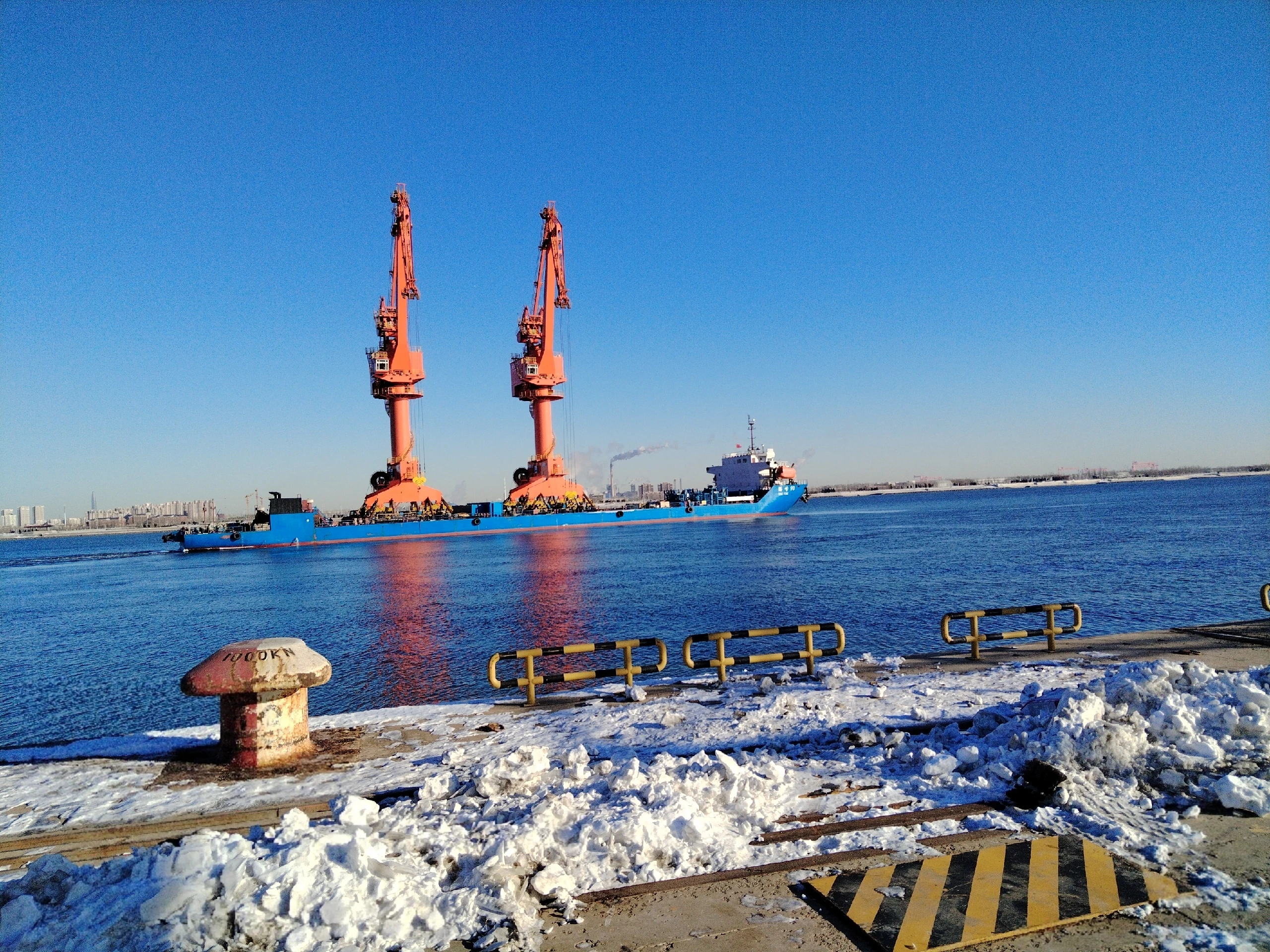
Imagine you are in charge of a busy terminal. Empty legs from containers cause delays and increase costs. By focusing on "Loading shipping container: cut empty moves with staging," you can streamline every container move. This approach reduces empty legs and boosts overall efficiency. Careful planning of each step keeps the flow of containers steady, resulting in fewer empty legs, enhanced safety, and significant cost savings. Even after the 12% trade drop in April–May 2020 and the subsequent rise in demand, you’ll notice fewer containers misplaced.
-
Containers often end up in the wrong location, leading to higher costs and more empty legs.
-
Reducing empty legs requires clear and effective staging.
-
When you use CEGC container handling equipment, you optimize every move, making operations safer, faster, and more reliable.
Key Takeaways
-
Make a plan before loading containers to stop delays and confusion. This helps work go smoothly and saves time.
-
Use tracking tools that show updates right away to watch container movement. This cuts down on empty moves and makes work better.
-
Use smart staging plans to help containers move easier. This saves money and is better for the environment.
Empty Container Moves & Repositioning
What Are Empty Container Moves
You see empty container moves all the time in shipping. These moves happen when a container is moved with nothing inside. When you need to move containers to balance supply and demand, empty legs and empty miles go up. This usually happens because containers are not where they need to be. You might see costs go up because you use resources for moves that do not make money. Empty container moves make your fleet smaller and can cause shortages where you need more equipment. They also waste driver time and make equipment less useful, which hurts your profits.
Empty Container Repositioning Strategies
There are different ways to handle empty container repositioning. Trade imbalances often cause containers to be in the wrong place, so you need good trip planning to cut down on empty legs and miles. Many operators put new cargo in empty containers to use them better. You can also use smart systems to move containers and make cargo rotation faster. Some companies use digital tools to track containers in real time, which helps stop extra moves. Sharing containers and using dynamic dispatching can save money and make shipping better. Off-dock depots give you more space and let more people help manage container flow.
Impact on Terminal Operations
Moving empty containers changes how your terminal works in many ways. You pay more for storage and have to move containers more, which can make things crowded and hard to schedule. Idle equipment and long wait times mean fewer open spots and more rehandles. This makes shipping less smooth. Good stack design and smart rules help you keep empty and loaded containers apart, making things easier. Using CEGC portal cranes, handlers, and anti-sway systems makes work safer and faster. These tools meet market standards and can be changed for your needs. You can lift containers fast, stack them high, and keep your terminal working well. With the right tech, you cut empty legs, balance container flow, and get more done.
|
Impact Area |
Description |
|---|---|
|
Storage Costs |
Empty containers cost more to store and slow down work. |
|
Handling Moves |
More moves make things crowded and harder to plan. |
|
Idle Equipment |
Crowds make cranes and trucks sit unused. |
|
Dwell Time |
Long waits mean fewer open spots and more rehandles. |
|
Stack Design |
Good stack design stops extra moves and speeds up work. |
|
Revenue Impact |
Fewer waits and rehandles make service and speed better. |
Loading Shipping Container: Cut Empty Moves with Staging
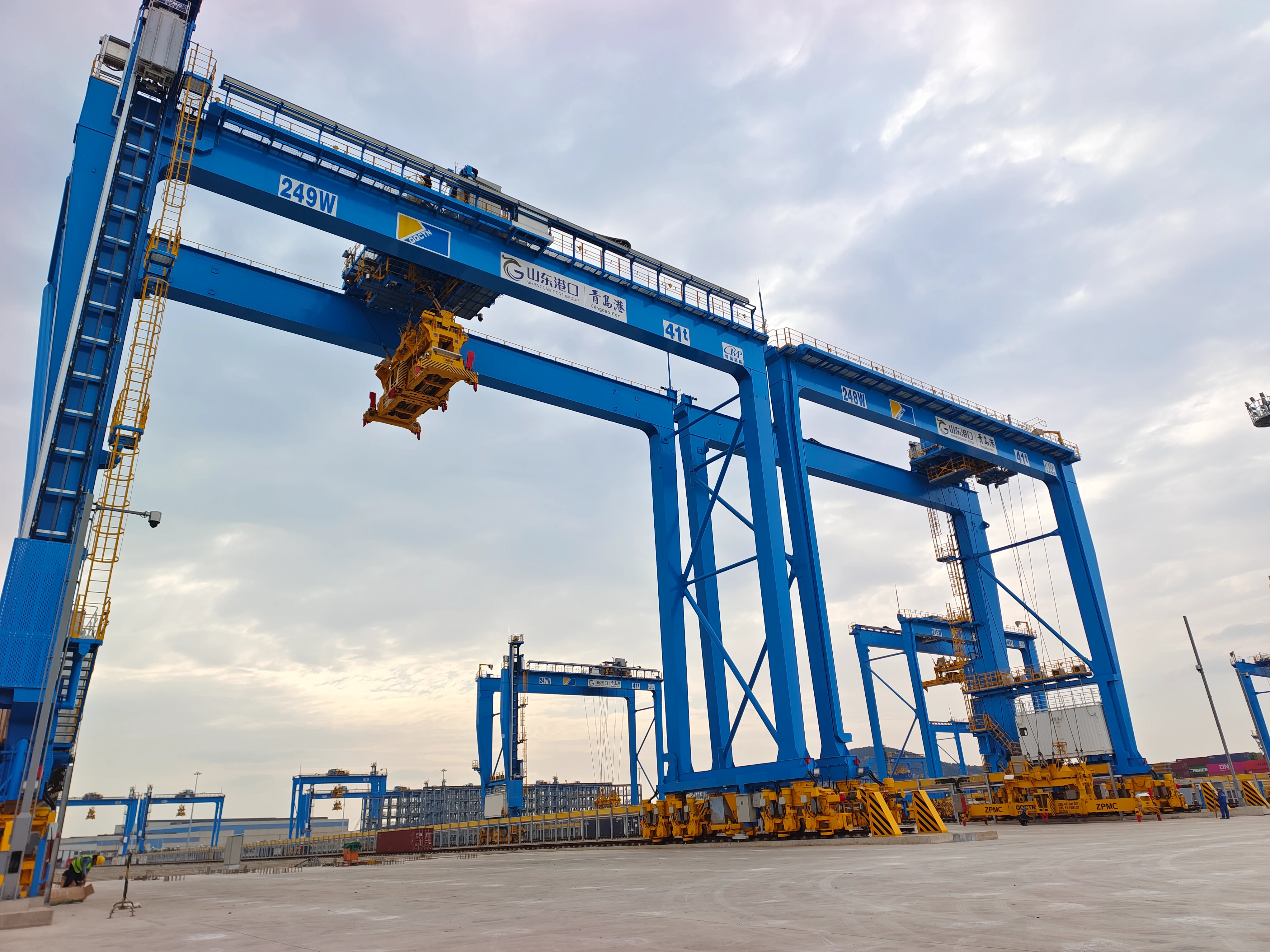
Staging Process Overview
You can make your terminal better by using a clear process for loading shipping container: cut empty moves with staging. First, you should plan ahead. Know what cargo is coming and when it will arrive. Put your cargo in order before the ship gets there. This helps you avoid confusion and keeps things running well. Make sure all items are safe so they do not move around. Always look at the container for any damage or leaks before loading. Check that the goods match the packing list and meet all rules. Write down the weather and container details for each step. Watch the loading to stop breakage and keep things safe.
-
Plan what goes in each shipping container.
-
Set up cargo in the staging area.
-
Make sure items are secure and will not shift.
-
Check the container for damage or leaks.
-
Make sure goods and specs are correct.
-
Write down weather and container info.
-
Watch the process to stop breakage.
You can use real-time tools to see every step as it happens. These tools show you live updates about inventory, orders, and shipments. They help you match work to when carriers arrive and cut down on delays. When you use CEGC portal cranes and handlers, you make the job faster and safer for your team. These machines meet market rules and can be changed for your needs. You can lift, stack, and move containers with less risk of empty legs or problems with container flow.
Balanced Container Flow Techniques
Balanced container flow is very important for loading shipping container: cut empty moves with staging. You need to look at and study your logistics steps. This helps you make smart choices about how your yard and equipment are set up. You can decide what to change in your yard or crane setup. If the economy changes or there are problems, you can change your process. Get better at guessing how many containers you will need. Work with other supply chain partners to keep things running well. Use tracking tech to see container flow in real time.
-
Make ship routes and loading plans better.
-
Give berths and cranes for the best results.
-
Run yard tracks and drayage jobs well.
-
Use data to plan and find slow spots.
-
Use machine learning for smart choices.
-
Add modular software for better work.
When you use these ideas, you get more done with cranes and yards. The table below shows how balanced container flow can help your process:
|
Improvement Type |
Average Gain |
Maximum Gain |
|---|---|---|
|
18% |
30% |
|
|
Yard Utilization |
18% |
30% |
You can also cut empty legs and make container flow better by using CEGC’s fast handling and cycle-time systems. These tools help you move more containers in less time. You get faster chassis turnaround and use your assets better. You also make less pollution and save money.
Actionable Staging Strategies
You can cut empty legs and make container flow better with good strategies. Use quick methods like ship-to-ship transfers and feeder networks. These steps help move goods in your area and save time. Connect your terminal to rail and water routes. This lowers road use and cuts pollution. Give containers to shuttles or railcars based on what you think you will need. Make your yard so containers can leave fast and staging is easy. Use digital twin tech to train your team and balance work.
|
Strategy |
Description |
|---|---|
|
Ship-to-ship transfers and feeder networks for fast regional redistribution. |
|
|
Intermodal Connections |
Rail and waterway links to cut road use and emissions. |
|
Container Shipment Assignment |
Assign containers to shuttles or railcars using demand forecasts. |
|
Container Yard Design |
Design for quick outbound moves and smooth staging for liners. |
|
Digital Twin Technology |
Train agents to reduce driving distances and balance crane and shifter workloads. |
You can also send shipments through other ports or inland depots if things get busy. This keeps your work moving and stops delays from bad container flow. Real-time tools help you work with warehouse and transport teams. You can plan dock times, workers, and put-away jobs with these tools.
Smart maintenance and energy-saving systems help keep your container flow steady. AI maintenance finds problems before things break. You can plan repairs and have parts ready, which means less downtime. These systems make equipment last longer and cost less. CEGC’s smart maintenance and energy tools help you run your process with fewer empty legs and less waste.
When you use advanced staging strategies, you save money on fuel, workers, and fees. You also save time and keep all equipment working well. Loading shipping container: cut empty moves with staging is not just a process—it is a way to keep your terminal safe, efficient, and ready for anything.
You can make empty legs happen less by using smart staging. This helps containers move better and faster.
-
When you have fewer empty legs, you spend less money and make less pollution.
-
Real-time monitoring and anti-sway technology help containers move smoothly.
-
Flexible depot yards and advanced tools keep containers moving all the time.
-
Good training and fewer accidents make moving containers safer for everyone.
-
Using less fuel and having fewer empty legs is good for the planet.
-
Predictive maintenance means less waiting and keeps containers moving.
-
Automation helps containers move without stopping and stops delays.
-
Flexible staging areas and smart choices help manage container flow.
-
Working with drayage carriers and transloading sites makes containers move better.
-
Fast processing and less crowding keep containers moving strong.
-
Using fewer trucks makes things quieter and helps container flow.
-
Using fewer containers saves resources and makes container flow better.
You should look at your loading steps and use CEGC’s port machines. This will make moving containers safer and work better. You will see fewer empty legs and containers will move stronger.
FAQ
How does staging improve container flow at my terminal?
Staging lets you set up containers before loading. You see fewer delays and smoother container flow. This makes your work faster and safer each day.
What equipment helps manage container flow most effectively?
You use portal cranes, handlers, and smart systems. These tools move containers quickly and safely. Your yard stays neat and works well.
Can predictive maintenance impact container flow?
Yes. Predictive maintenance keeps machines ready to work. You avoid breakdowns and keep container flow steady. You save time and spend less money.
How do digital tools support container flow?
Digital tools give you updates right away. You track every move and change plans fast. This keeps container flow smooth and helps you meet shipping times.
Why is balanced container flow important for cost savings?
Balanced container flow means fewer empty moves. You use less fuel and fewer workers. You lower costs and make your terminal work better.
What role does training play in container flow?
Training helps your team work safely and quickly. Well-trained staff make container flow better. You see fewer mistakes and get better results.
How can automation improve container flow?
Automation makes container moves faster. You get fewer delays and smoother container flow. Machines do simple jobs, so your team can focus on big tasks.
Does container flow affect safety at the terminal?
Yes. Good container flow stops crowding and accidents. You keep your team safe and your equipment in good shape with steady container flow.
How does yard design influence container flow?
A smart yard design helps you move containers easily. You avoid bottlenecks and keep container flow strong. This makes your terminal more productive.
What is the link between energy efficiency and container flow?
Energy-efficient machines help container flow stay smooth. You use less power and keep work steady. This saves money and helps the planet.
How do intermodal connections boost container flow?
Intermodal links let you move containers by rail or water. You improve container flow and cut road traffic. This makes your terminal more flexible.
What is the best way to monitor container flow?
You use real-time tracking systems. These tools show you every step. You spot problems early and keep container flow moving without delays.


