
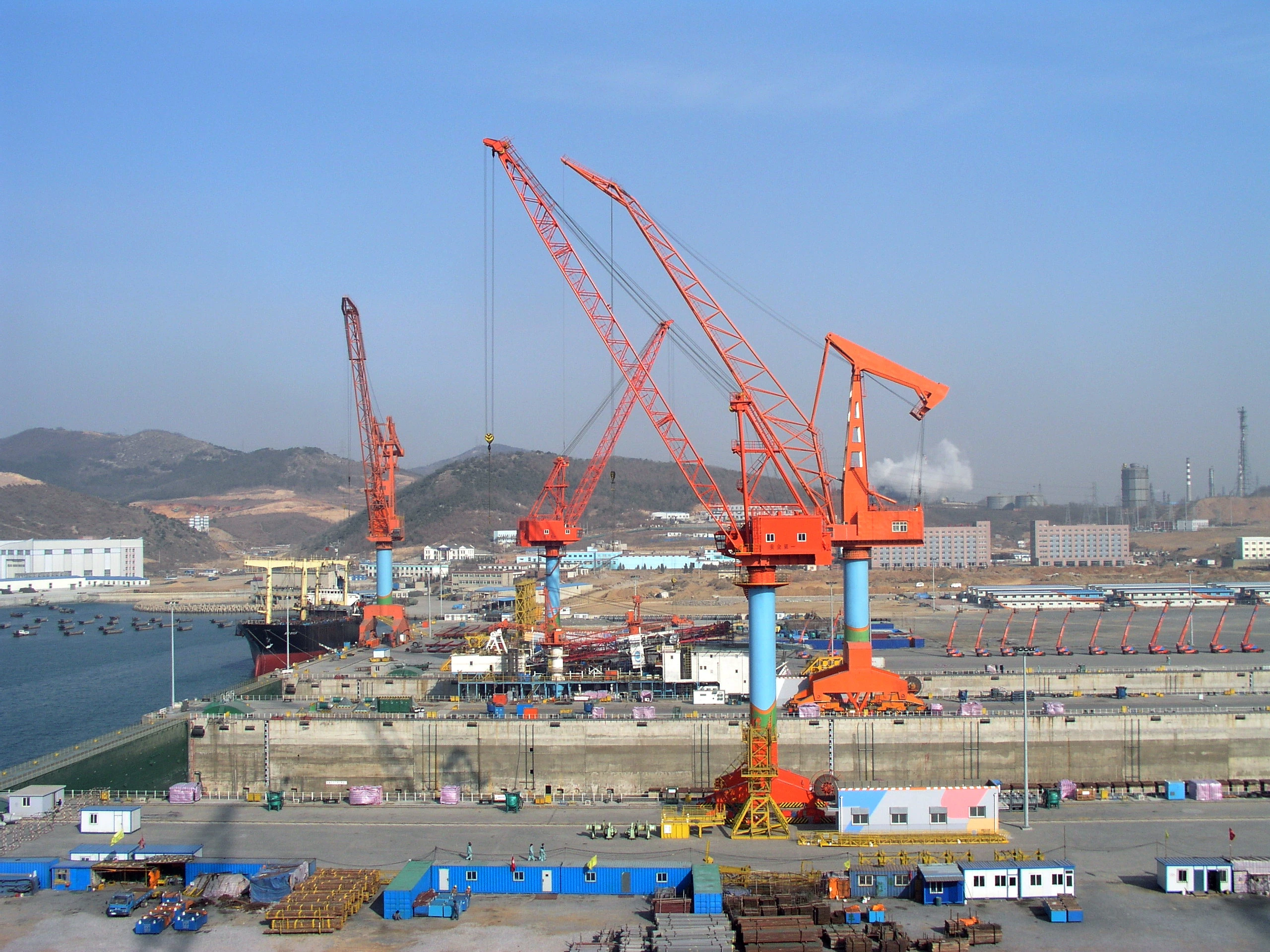
Container vessel tracking reduces empty repositioning by providing real-time updates. Currently, empty box moves account for 41% of all container liftings, costing shipping lines over 12% of their budgets. Factors such as trade imbalances, poor forecasting, and busy ports contribute to these increased costs. With CEGC’s advanced equipment, you can enhance safety and efficiency in your operations.
Key Takeaways
-
Watching container vessels in real time helps stop empty moves. This means companies can control inventory better and spend less money.
-
Predictive analytics lets companies guess when they need containers. This stops extra empty trips and saves fuel money.
-
Companies can share resources to cut down empty container moves. This keeps ports less busy and makes them work better.
Empty container repositioning challenges
What is empty container repositioning?
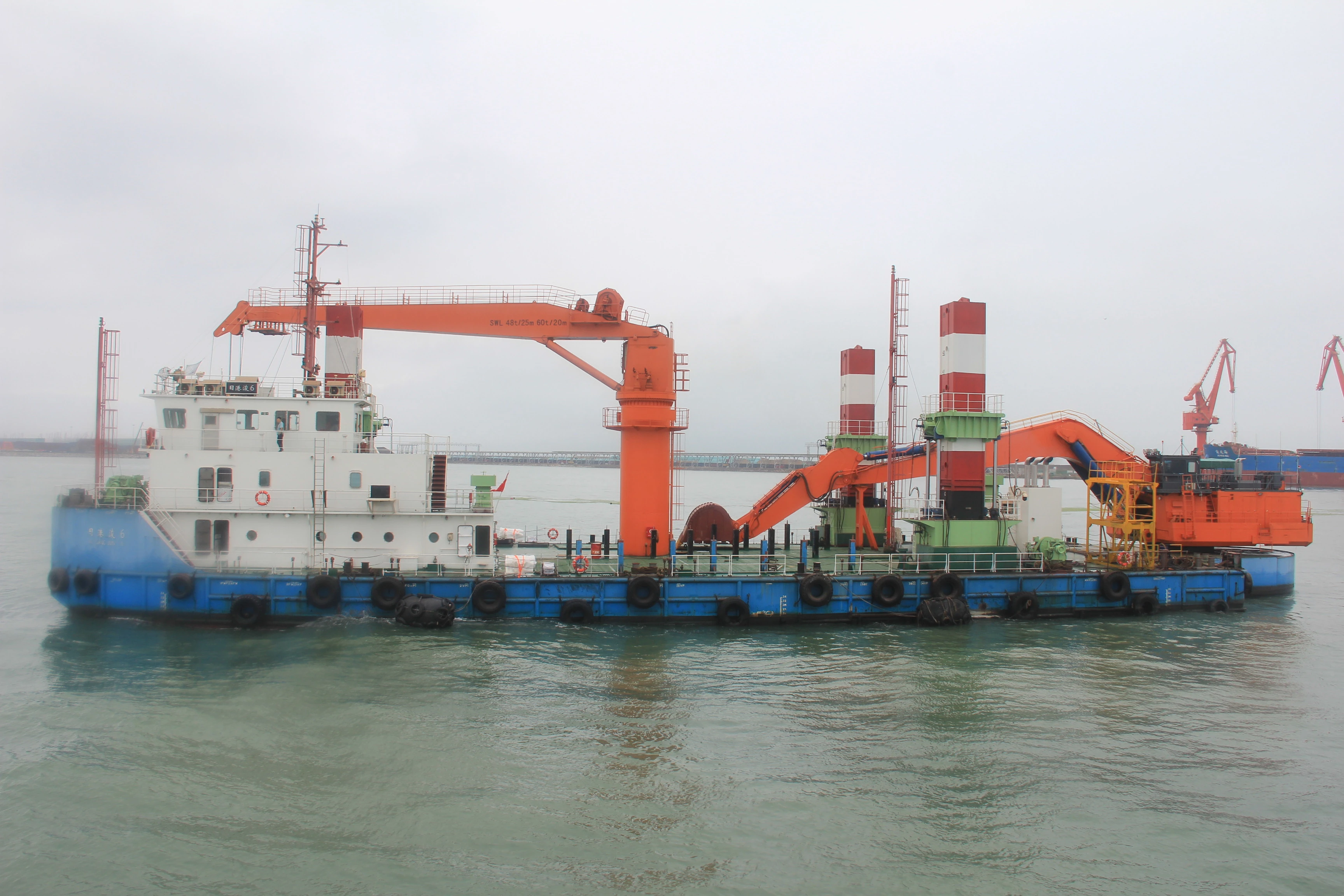
Empty container repositioning means moving empty shipping containers to different places. This helps balance the number of containers where they are needed. Sometimes, ports have too many empty boxes after sending out more exports than imports. This problem is hard to fix. Big ports like Rotterdam, Antwerp, and Hamburg often have lots of empty containers. This shows that empty container repositioning is still a big problem in global shipping.
-
Trade imbalances make some ports collect empty containers while others do not have enough.
-
Changes in demand during the year make the problem worse. Some places get too many empties, while others have too few.
-
When ports are crowded, it causes delays and makes it harder to stop empty container repositioning.
Causes: trade imbalance and poor visibility
|
Cause of Repositioning |
Explanation |
|---|---|
|
Trade Imbalances |
Some places bring in more goods than they send out, so empty containers build up and must be moved. |
There is also poor visibility in container logistics. It is hard to track containers across different ways of transport. Networks are split up and events can be hard to predict. This makes it tough to know where containers are. Without real-time data, operations are not efficient. This causes delays and makes repositioning cost more.
Impact on port operations and costs
Empty container repositioning changes how ports work every day. Transport companies pay extra money for storage and access at terminals. Truck drivers spend hours waiting to return empty containers. Terminal operators do not work as fast because of crowded ports and trucks waiting around. If you stop empty container repositioning, you can make ports less crowded. You can also lower wait times and keep containers moving. Many ports now use automation and advanced systems like CEGC’s container handling equipment to help with this and make things safer. An industry expert said:
"We see more empty containers being moved. Empty repositioning is not good for the economy. Handling more empty containers between terminals is a big challenge."
If you stop empty container repositioning, you can save money and make more profit.
How container vessel tracking reduces empty repositioning
Real-time tracking and data integration
Real-time tracking helps you know where each vessel is. You get updates fast and can make quick choices. This stops delays and keeps things running well. You can see problems early and fix them before they get worse.
-
You control your inventory better. Many companies have seen inventory drop by 30%. This happens because they can guess what they need more easily.
-
You fix issues right away. If a vessel is late or goes the wrong way, you can act fast. This saves money and avoids extra costs.
-
You stop shipment delays by fixing paperwork problems as soon as they show up.
|
Benefit |
Description |
|---|---|
|
Inventory Reduction |
Businesses report up to a 30% reduction in inventory levels due to better control and forecasting. |
|
Proactive Issue Resolution |
Companies can address delays or route deviations immediately, reducing operational disruptions. |
|
Enhanced Efficiency and Reliability |
Immediate tracking and better inventory management collectively boost efficiency in logistics. |
Data integration is important too. Real-time tracking systems and virtual container yards link empty containers with places that need them. These digital tools help you move containers nearby instead of far away. This lowers costs and makes empty container repositioning happen less often.
Predictive analytics and route optimization
Predictive analytics uses data to guess where containers will be needed. You can plan ahead and avoid moving empty containers when you do not need to. AI tools help you pick the best routes and times. Your fleet moves with demand, so you cut down on empty trips and wasted time.
-
Predictive analytics lets you see demand before it happens. You send containers to the right place.
-
You avoid last-minute choices, which usually cause more empty container repositioning.
-
Route optimization saves money and time. You use fewer loads, so you pay less for fuel and handling.
-
You help the environment by lowering emissions and waste.
-
You can save up to 10% on fuel.
-
Transit times can be up to 7% shorter. This makes shipping more reliable.
-
You improve your carbon intensity index and help sustainability goals.
Optimal speed routing checks if your vessel uses too much fuel. You compare routes and find the most efficient one. The best route is not always the shortest.
Collaborative pools and resource sharing
You can join collaborative pools to share containers and resources with other companies. Centralized inventory helps you use assets better. Sharing means you do not need to move as many empty containers. This saves money and keeps ports less crowded.
-
Centralized inventory makes it easier to find and use containers when you need them.
-
Sharing resources means fewer empty container repositioning moves.
-
You spend less money and face fewer delays at busy ports.
CEGC solutions for efficient container handling
CEGC gives you advanced equipment to manage empty container repositioning better. You can use portal cranes, container cranes, reach stackers, and other machines to speed up your work. These machines have smart systems that cut gate lines and help trucks move faster.
-
Automation and smart features help you process trucks quickly. Your terminal runs smoothly.
-
Safety features, like anti-sway control, make your work safer and more stable.
-
Predictive maintenance tools help you spot problems early. You fix them before they cause delays.
-
Monitoring systems let you check equipment health and plan repairs. This keeps your machines working longer.
|
Aspect |
Impact on Efficiency Metrics |
|---|---|
|
Enables immediate insights for decision-making |
|
|
Predictive Maintenance |
Reduces unplanned downtime and extends equipment life |
|
Resource Allocation |
Optimizes staffing and equipment usage based on demand patterns |
|
Turnaround Times |
Decreases time vessels spend in port |
|
Congestion Minimization |
Improves flow and reduces delays in operations |
|
Throughput |
Increases the volume of containers handled efficiently |
You also make things safer by using equipment with sensors and automated systems. Real-time tracking and safety sensors help you avoid accidents and respond fast to any issues. This leads to better risk management and safer work.
"A European inland-port case study showed that redesigning terminal layouts and improving routing led to fewer unnecessary truck trips and lower emissions. By matching import loads with export empties and using inland hubs, the port reduced fuel use and cut down on empty container repositioning."
When you use CEGC’s equipment and tracking technology together, you see real results. You handle more containers, reduce empty container repositioning, and keep your shipping safe and efficient.
You save money, work safer, and get more done with container vessel tracking and CEGC’s advanced equipment. You can use AI, IoT, and automation to make your port work better.
-
Real-time tracking helps things run smoother and keeps people safe.
-
Predictive maintenance means machines break down less often.
-
Smart ports will change how shipping works in the future.
FAQ
How does real-time vessel tracking help reduce empty container repositioning?
You always know where each container is. This helps you make better plans. You can use smart ways to move fewer empty containers.
What equipment can improve container handling efficiency at ports?
Portal cranes, reach stackers, and container cranes are helpful. These machines let you load and unload containers quickly. They also make the work safer.
Why should you use container management strategies in your port operations?
You spend less money and save time. You also make the port less crowded and safer. Good strategies help your port work well every day.


