
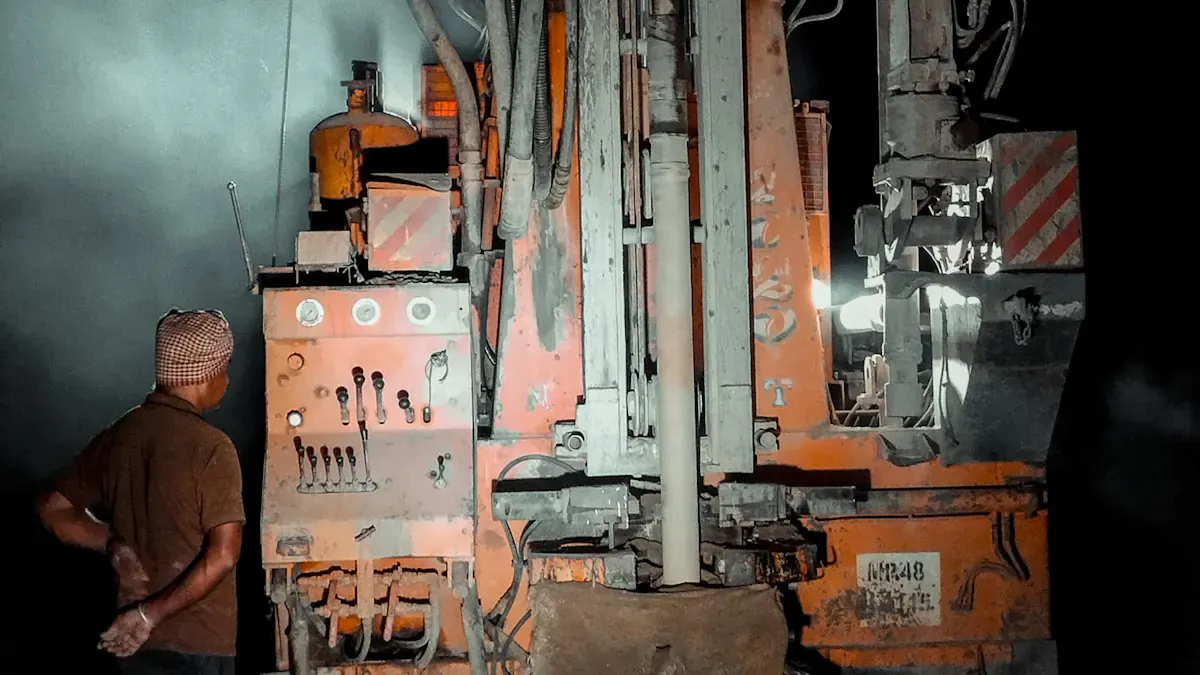
Mining drill mega 380MPa rock power uses advanced engineering. Pressure changes how tools work with very hard rock. CEGC researchers make drill bits that handle strong pressure. New materials help drills cut better. Pressure pushes on diamond cutters, so they slice rock instead of smashing it.
|
Feature |
Description |
|---|---|
|
Drill Bit Type |
Polycrystalline diamond compact drill bits |
|
Cutting Mechanism |
Shears rock all the time under high pressure |
|
Material Composition |
Synthetic diamond cutters joined with tungsten carbide |
|
Performance Improvement |
Drills faster, lasts longer, costs less for wells |
|
Engineering Process |
Cutters built with high pressure and heat |
|
Impact on Geothermal Drilling |
PDC bits drill deeper wells, handle more pressure, work better |
Pressure changes how rocks break apart. Scientists and engineers use pressure to dig deeper.
Key Takeaways
-
Advanced drill bits, such as polycrystalline diamond compact bits, cut hard rock well under high pressure.
-
Knowing rock properties and how pressure works helps engineers make safer and better ways to drill.
-
Digital systems and automation make drilling safer and faster by watching pressure and guessing when equipment might break.
380MPa Rock Study
Rock Properties
A 380MPa rock is very hard. The number 380MPa means 380 megapascals. This tells us how much pressure the rock can take before it breaks. These rocks form deep underground where pressure is strong. What the rock is made of changes how it acts when drilled. Rocks like diabase, ignimbrite, and marble have different minerals. These minerals change how cracks start and move. Scientists use tests to see how rocks break under pressure. They watch how damage grows inside the rock. This helps them know which rocks are easy or hard to drill.
-
Minerals inside the rock change how it cracks.
-
Some rocks handle pressure better than others.
-
Fractal analysis lets scientists see how damage spreads.
Pressure Challenges
Drilling into 380MPa rock is very hard because of the pressure. This pressure puts stress on tools and machines. Even small mistakes can cause big trouble. The pressure can break tools fast or cause blowouts. Every part of the drilling system feels more stress as pressure goes up. It is harder to keep the well safe when pressure is high. If the casing or cement breaks, drilling must stop. High pressure also means more downtime. This costs more time and money.
-
Pressure spikes can break tools or cause blowouts.
-
Equipment wears out faster with high pressure.
-
It is harder to keep the well safe.
-
More pressure means more downtime and higher costs.
Science of Drilling Under Pressure
Physics of Fracture
Drilling into hard rock means facing extreme pressure. The way pressure moves through rock changes how cracks form and grow. Scientists study how pressure spreads inside the rock. They look at how cracks start and move when pressure rises. When a drill bit touches the rock, pressure builds up at the tip. This pressure can cause the rock to break apart. The shape of the borehole also affects how pressure moves. Circular holes help spread pressure evenly, making the rock more stable. If the pressure is not balanced, cracks can grow in the wrong direction. This makes drilling harder and less safe.
-
Hard rock needs special drill bits to handle high pressure.
-
Down-the-hole hammer drilling uses both pressure and rotation to break rock.
-
The elastic properties of rock change how pressure moves and cracks form.
-
The way pressure spreads affects how easy it is to drill.
-
Pressure relief helps keep the rock stable during drilling.
The number of holes drilled also changes how pressure moves. More holes can help release pressure, making the rock easier to break.
Material Science Insights
Material science helps engineers pick the best tools for high-pressure drilling. Studies show that drilling parameters like borehole size and depth change how pressure affects the rock. A larger hole can lower the strength of the rock, while the space between holes can make the rock stronger. By changing these factors, engineers can control how pressure moves and how the rock breaks. This makes drilling safer and faster. Pressure always plays a key role in every step of the drilling process.
Note: Understanding how pressure works in rock drilling helps engineers design better tools and safer methods.
Mining Drill Mega 380MPa Rock Power Technology
PDC Bits and Drill Design
Mining drill mega 380mpa rock power uses special drill bits. Polycrystalline diamond compact bits have synthetic diamond cutters. These cutters are joined with tungsten carbide. The bits can handle very high pressure. They cut through hard rock easily. Engineers try different shapes and sizes for each job. The StingBlade design is strong and cuts well. It lasts a long time and does not break easily. The conical diamond element does not wear out fast. It stays strong after many hits. Good toolface control keeps the drill moving straight. These features help the drill work faster and more accurately.
|
Performance Metric |
Description |
|---|---|
|
The ROP is better than old PDC bits. This means drilling goes faster in hard rocks. |
|
|
Durability |
The StingBlade design lasts longer and wears out less. |
|
Toolface Control |
Toolface control is better, so drilling is more accurate. |
|
Impact Resistance |
The conical diamond element survived over 100 hits at 80,000 N. This shows it is very strong. |
|
Wear Resistance |
It resists wear better than normal PDC cutters. Cutting is 70% better at some depths. |
PDC bits let mining drill mega 380mpa rock power work well. They stay strong under high pressure.
Digital Drilling Systems
Digital drilling systems help control pressure and keep people safe. These systems use sensors and computers to watch drilling all the time. Digital twin technology makes a virtual copy of the drilling job. It shows how pressure changes and warns about problems. AI algorithms look at sensor data and guess when things might break. Automation lets machines drill with little help from people. This lowers risk and keeps workers safe. IoT sensors collect data and help engineers make smart choices.
|
Technology |
Benefit |
|---|---|
|
Digital Twin |
It lets engineers watch and test drilling in real time. It helps find problems early. |
|
AI Algorithms |
They study sensor data to guess when equipment might fail. |
|
Automation |
Machines can drill by themselves. This makes drilling safer and more exact. |
-
Digital twin technology helps engineers make better choices and manage risks.
-
AI-driven automation means fewer people need to work in dangerous places.
-
IoT sensors help build a smart, data-based way to drill.
-
AI algorithms use real-time data to guess when things will break.
-
Fixing things before they break saves time and makes work better.
-
Machines that work alone keep people away from danger.
Digital systems help mining drill mega 380mpa rock power by controlling pressure and making drilling faster.
Specialized Drilling Fluids
Special drilling fluids are important for mining drill mega 380mpa rock power. These fluids cool and oil the drill bit and drill string. They lower heat and stop parts from wearing out. Fluids also keep the wellbore stable and control pressure. Engineers pick fluids that fit the rock and pressure. The right fluid keeps the drill bit strong and stops it from getting too hot. It also helps control sudden pressure jumps that can break tools.
-
Drilling fluids cool and oil the drill bit and drill string.
-
They lower heat and stop the drill from wearing out.
-
Fluids keep the wellbore stable and control pressure.
Special fluids help mining drill mega 380mpa rock power by protecting tools and keeping pressure steady.
Tip: Picking the right drill bit, digital system, and fluid helps engineers control pressure and drill deeper into hard rock.
Mining drill mega 380mpa rock power uses new technology to control pressure, cut better, and keep drilling safe.
High Pressure Water Jet and Cutting Efficiency
Water Jet Methods
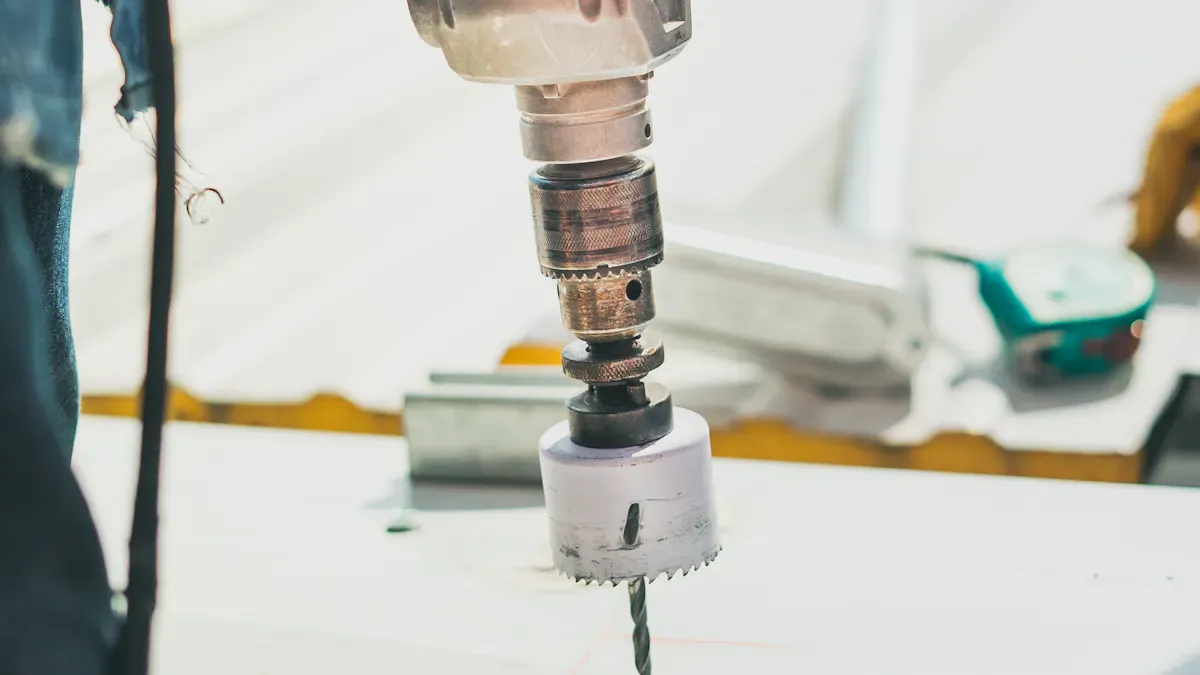
High pressure water jet is a strong tool for breaking hard rock. This method uses water at very high pressure to cut into rock. Water jet cutting works by sending a thin stream of water at high speed. The high pressure water jet hits the rock and starts to break it apart. Water jet cutting can also use small grains of sand or other materials to help cut faster. These grains move with the high pressure water jet and make the process even stronger.
The main ways high pressure water jet helps in mining are shown in the table below:
|
Mechanism |
Description |
|---|---|
|
High-pressure water jet erosion |
The high pressure water jet removes rock by hitting it with fast water. |
|
Microplastic deformation |
The force from the high pressure water jet changes the rock at a tiny level. |
|
Micro-cutting erosion |
Water jet cutting uses grains in the high pressure water jet to scrape away rock. |
|
Crack formation and proliferation |
The high pressure water jet makes cracks in the rock, which helps break it apart. |
Water jet cutting is safe and does not make much dust. High pressure water jet can reach deep places where other tools cannot go.
Improving Cutting Efficiency
Cutting efficiency means how well a tool can cut rock. High pressure water jet improves cutting efficiency in many ways. Water jet cutting lowers the force needed to break rock. The high pressure water jet makes cracks grow faster, so less energy is wasted. Water jet cutting also keeps the drill bit cool, which helps it last longer. When high pressure water jet is used, the rock breaks into smaller pieces. This makes it easier to remove the broken rock. Water jet cutting can work with other tools to make the job even faster.
-
High pressure water jet saves time and energy.
-
Water jet cutting helps drills work better in hard rock.
-
Cutting efficiency goes up when high pressure water jet is used.
High pressure water jet is a key part of modern mining. Water jet cutting makes drilling safer and more effective. Cutting efficiency improves when high pressure water jet is used with smart drilling systems.
Engineering Challenges
Tool Wear
Drilling into very hard rock wears out tools fast. Drill bits get hit with strong pressure each time. This makes the cutters dull quickly. Engineers have to change bits often to keep things safe. When pressure goes up, drill bits can crack or chip. Rocks like diabase and marble are tough and wear out tools more. Pressure also pushes on the drill string, making it bend and twist. This bending causes even more tool wear. In geothermal drilling, worn tools slow down work and cost more money.
Heat Management
Heat builds up when drilling because of friction and pressure. Special cooling systems help control this heat. These systems move special fluids around the drill bit. The fluids take heat away and keep the bit cool. High pressure can make drill bits warp from heat. Cooling stops overheating and helps tools last longer. Engineers pick fluids that work well under pressure. If heat is not controlled, fluids can turn to vapor and tools can break.
Cooling systems keep drill bits safe from damage caused by heat and pressure.
Vibration Control
Vibration happens when pressure changes fast while drilling. The drill string shakes and moves from uneven pressure. Vibration can break tools and make drilling less exact. Engineers use sensors to watch for vibration. They change speed and pressure to keep shaking low. In deep boreholes, vibration control is important for safety. Pressure spikes can cause sudden moves that hurt equipment.
|
Challenge |
Description |
|---|---|
|
Unexpected Geological Conditions |
Found Precambrian rock and trapped water where it was not expected. |
|
High Temperatures |
At 35,000 feet, it got as hot as 356°F (180°C). Drill bits warped and fluids turned to vapor. |
|
Rock Behavior Under Pressure |
At 38,000 feet, rock acted like plastic. This made drilling harder and broke equipment. |
The Kola Superdeep Borehole showed that pressure brings many problems. High pressure made tools wear out, heat rise, and vibration get worse. Engineers learned new ways to handle pressure and keep drilling safe.
Solutions and Innovations
New Materials
Engineers use new materials to fix problems in hard rock drilling. Stronger metals and advanced ceramics make drill bits last longer. These materials can handle high pressure deep underground. Synthetic diamonds are now used in drill bits. They cut rock without breaking from pressure. Some companies try new coatings to protect tools from heat and wear. These coatings keep the drill bit sharp, even with high pressure. New materials also help control how pressure moves in the drill string. This makes drilling safer and more steady.
Note: Better materials mean tools last longer and need fewer changes.
Automation and Big Data
Automation and big data have changed how mining teams deal with pressure. Modern drill rigs, like the Sandvik DD423i, let workers stay far from danger. This keeps people safe from places where pressure can cause accidents. Auto-drilling and smart navigation help drills go farther each shift. Work speed goes up by 15-20%. New technology makes the job safer and faster, which is important with high pressure.
Mining companies use many sensors on their machines. These sensors watch pressure, temperature, and tool wear all the time. Data tools show important numbers for each job. Teams can find problems early and fix them before they slow things down. This way, teams lose less time and save money.
-
Workers stay safe by being away from high-pressure spots.
-
Real-time data helps teams act fast.
-
Automation and big data make work safer and better.
Applications in Mining
Geothermal Projects
Geothermal projects must drill deep to find underground heat. These projects use special drilling tools for very hard rock. Modern drill bits, like PDC bits, work well in tough places. Engineers made these bits better by changing their shape and materials. This lets them drill faster and last longer. Some teams drill almost twice as fast as before. Drilling faster saves money and time on projects. It also helps geothermal energy compete with other energy types.
Diamond core drilling is another key method. This way uses drill bits with industrial diamonds. These bits cut the hardest rocks and collect samples. The samples help scientists learn about rocks and heat below ground. Diamond core drilling is very exact and works in high-pressure places found in geothermal reservoirs.
Geothermal drilling shows how new tools can fix old problems. Better tools and smart designs help teams reach deep heat sources.
Deep Borehole Studies
Deep borehole studies help scientists learn about Earth’s crust. These studies use strong drills to reach rocks under high pressure. The Kola Superdeep Borehole is a famous project. This project drilled over 12 kilometers into the ground. The team had many problems, like high heat and changing rock. The pressure deep underground made drilling hard, but engineers found new ways to keep tools safe and working.
Deep borehole projects give important data about Earth’s layers. They also help make drilling better for mining and energy.
Mining drill mega 380MPa rock power uses science and smart pressure control. Better cutting tools also help. New ideas and research make drilling safer. They also make it faster.
In the future, drilling will use even smarter machines. Stronger materials will be used too. These new things will help reach deeper resources. They will also solve new problems.
FAQ
What is the main purpose of using high velocity water jet in mining?
High velocity water jet is used to cut hard rock. The jet pressure helps break the rock apart. It also makes cutting work better. This method keeps the fluid moving smoothly.
How does fluid flow affect cutting depth and efficiency?
Fluid flow decides how deep the cut will be. Good fluid flow helps the nozzle cut at the right depth. It also keeps the cut wide and helps the tool work better.
Why is research and experimental study important for rock breaking?
Research and experiments help scientists learn about rock breaking. They test different ways to break rock. These studies show how jet pressure and fluid flow change cracks and strength.


