
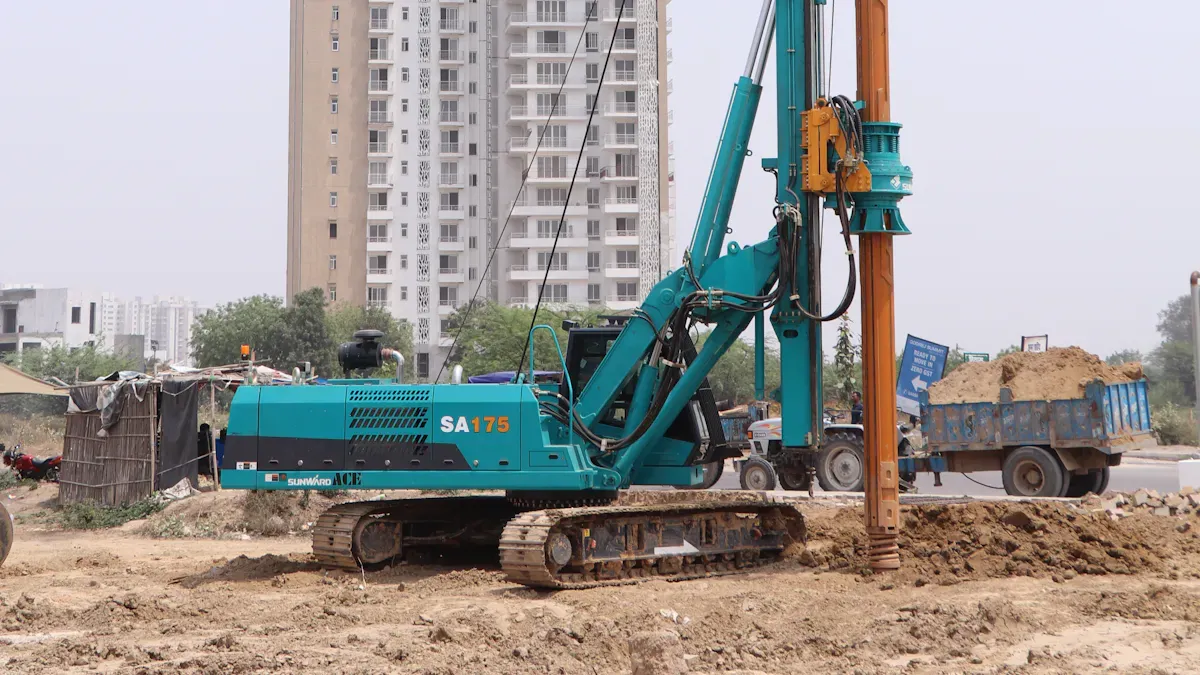
You have a hard job when you drill into rock with 500MPa strength. Surface Drilling Rig Ultra 500MPa Breaking uses strong hits to break these rocks. You need the right drill bit, strong pipes, and a lot of force. CEGC engineers use new technology for this tough work.
Key Takeaways
-
Always test the rock strength before you drill. This helps you pick the right tools and plan well.
-
Use tough materials like diamond or tungsten carbide for drill bits. These materials last longer and work better under high pressure.
-
Check your tools often to find wear and damage early. This stops delays and saves money while drilling.
500MPa Rock Strength Explained
Definition and Drilling Implications
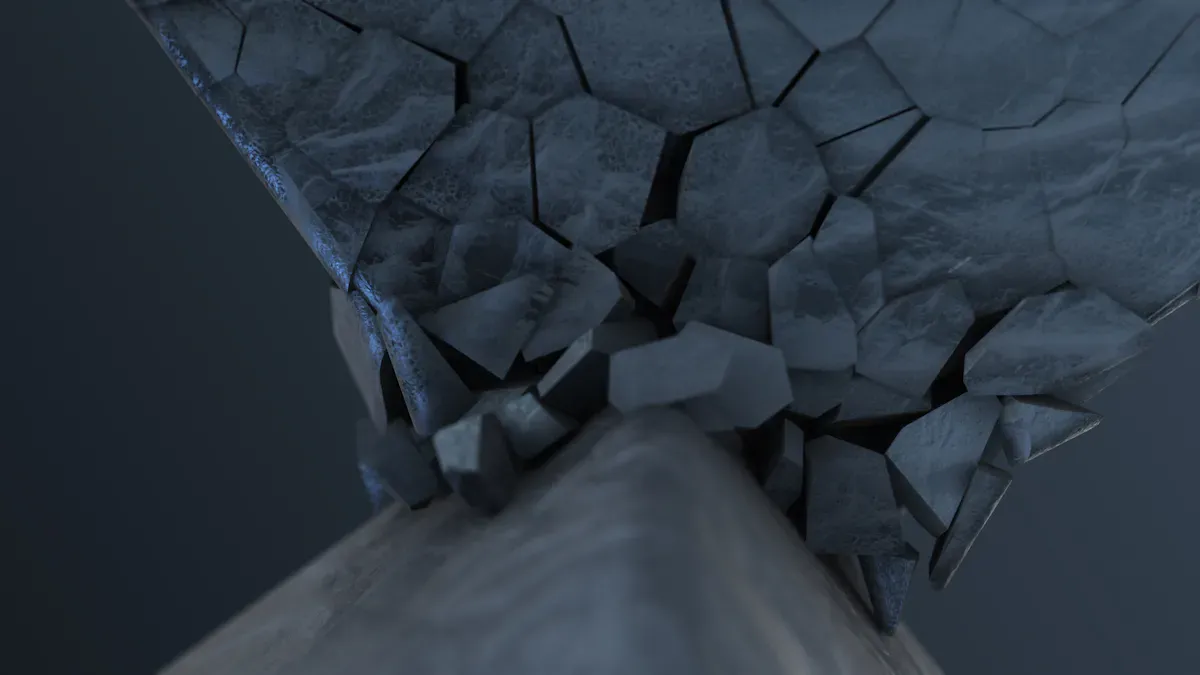
You may wonder what 500MPa rock strength means. MPa stands for megapascal, a unit that measures pressure or strength. When you see 500MPa, you know the rock is extremely hard. For comparison, concrete usually has a strength of about 30MPa. Granite can reach up to 250MPa. A rock with 500MPa strength is much tougher than both.
When you drill into such hard rock, you face big challenges. Your tools must handle high pressure and strong resistance. The Surface Drilling Rig Ultra 500MPa Breaking system uses special technology to break these rocks. You need to choose the right drill bit and use powerful force. If you use the wrong tools, you may damage your equipment or slow down your work.
Tip: Always check the rock strength before starting your drilling project. This helps you pick the best tools and plan your work.
Challenges of Ultra-Hard Rock
Drilling into ultra-hard rock is not easy. You will face several problems:
-
Drill bits can wear out quickly.
-
Pipes and other parts may bend or break.
-
The drilling process can slow down a lot.
-
Heat builds up fast, which can damage your tools.
You must use strong materials and smart designs to solve these problems. Engineers test new ideas and materials to make drilling safer and faster. With the right approach, you can handle even the toughest rocks.
Surface Drilling Rig Ultra 500MPa Breaking Methods
Impact Crushing and Force Application
You need strong ways to break rocks with 500MPa strength. Impact crushing is a very good method. In Surface Drilling Rig Ultra 500MPa Breaking, engineers use a particle jet and a fast waterjet. This system sends round particles into the rock. The particles hit the rock and make cracks and damage spots. The waterjet makes the damage worse and helps the drill bit cut the rock.
Note: Steel particles can hit over four million times each minute. The speed of impact often goes above 150 meters per second.
This method gives much better results. Particle waterjet impact drilling can make drilling about twice as fast as old methods. This technology works best in hard parts of the ground, especially in very deep wells.
-
Drilling is faster.
-
Tools last longer.
-
Ultra-hard rocks break more easily.
Surface Drilling Rig Ultra 500MPa Breaking uses these smart impact ways to handle tough jobs.
Drill Bit Selection and Materials
Picking the right drill bit is very important. You need bits made from strong materials. Engineers use tungsten carbide or diamond bits for Surface Drilling Rig Ultra 500MPa Breaking. These materials do not wear out fast and stay strong under high pressure.
The bit design matters too. Bits with special edges and shapes break rock faster. Some bits have grooves or channels for water and particles to flow. This keeps the bit cool and removes broken rock pieces.
Tip: Always use a drill bit that matches the rock type and strength. Using the wrong bit can slow you down and hurt your tools.
Tests and computer models help you pick the best bit. Engineers try different designs and materials in labs. They use computers to guess how bits will work. This helps you find the best tools for Surface Drilling Rig Ultra 500MPa Breaking.
Heavy-Duty Drill Pipes
You need strong pipes for drilling into ultra-hard rock. Surface Drilling Rig Ultra 500MPa Breaking uses pipes made from high-strength steel or special alloys. These pipes have thick walls and strong connections. They do not bend, break, or get tired easily.
Here is a table showing what makes these pipes so tough:
|
Factor |
Description |
|---|---|
|
Material Selection |
High-strength steel is used for hard rock; special alloys are needed for extreme jobs. |
|
Strength and Wall Thickness |
Thick, strong pipes keep you safe from high pressures. |
|
Connection Integrity |
Strong, carefully made connections stop pipes from failing deep underground. |
|
Adaptation Strategy |
Pipe choice changes based on the ground, from soft to very hard rock. |
|
Extreme Environments |
Materials must last in high heat and bad conditions for a long time. |
You must check pipe quality before you start drilling. Tests and lab checks show how pipes will work. Engineers use these tests to make pipes better and pick the best materials. Surface Drilling Rig Ultra 500MPa Breaking depends on these strong pipes to keep drilling safe and fast.
Overcoming Drilling Challenges
Common Obstacles in Hard Rock Drilling
You face many obstacles when you drill into rocks with 500MPa strength. Drill bits can break or wear out fast. Pipes may bend or snap under heavy force. Heat builds up quickly, which can damage your tools. Sometimes, dust and debris block the hole and slow your progress. You must watch for cracks in the equipment and check for signs of wear. If you ignore these problems, you risk delays and extra costs.
Tip: Always inspect your tools before and after drilling. This helps you spot problems early.
Innovations and Adaptations
Engineers have created new ways to help you drill ultra-hard rocks. You can use bits made from diamond or tungsten carbide. These materials last longer and cut through tough rock. Some rigs use waterjets or particle jets to break rock faster. Cooling systems keep tools from overheating. Sensors track bit wear and pipe stress. You can use computer models to plan your drilling and avoid mistakes. These innovations make drilling safer and more efficient.
|
Innovation |
Benefit |
|---|---|
|
Diamond Bits |
Longer tool life |
|
Waterjet Systems |
Faster rock breaking |
|
Sensors |
Early problem detection |
|
Cooling Systems |
Prevent tool damage |
Step-by-Step Drilling Process
You must follow clear steps to drill ultra-hard rocks safely and efficiently:
-
Assemble tools and safety gear. Choose the right drill and bit.
-
Secure the rock. Clean the surface. Mark the drilling spot. Make a starting dimple.
-
Install the correct bit. Test the drill. Set up cooling. Check safety equipment.
-
Start drilling slowly. Increase speed as needed. Clear debris often.
-
Monitor dust and depth. Allow cooling breaks. Watch for bit wear.
-
Check the hole. Clean up debris. Inspect results. Store tools properly.
Note: Careful planning and monitoring help you avoid mistakes and keep your tools in good shape.
You can break 500MPa rocks with strong impacts, smart drill bits, and tough pipes. New ideas help because they make work faster, use live data, and save money. To do well, you should:
-
Know what you need for drilling.
-
Make a list of needed materials.
-
Check all costs.
-
Talk to experts.
-
Keep learning new things.
FAQ
What drill bit works best for 500MPa rocks?
You should use diamond or tungsten carbide bits. These materials resist wear and handle high pressure.
Tip: Always match your bit to the rock strength.
How do you keep tools from overheating?
You can use cooling systems like waterjets. These systems lower heat and protect your tools.
-
Monitor temperature often
-
Allow cooling breaks
Can you reuse drill bits after drilling ultra-hard rock?
You should inspect bits for cracks or wear. If the bit looks damaged, replace it.
|
Condition |
Action |
|---|---|
|
Good |
Reuse |
|
Damaged |
Replace |


