
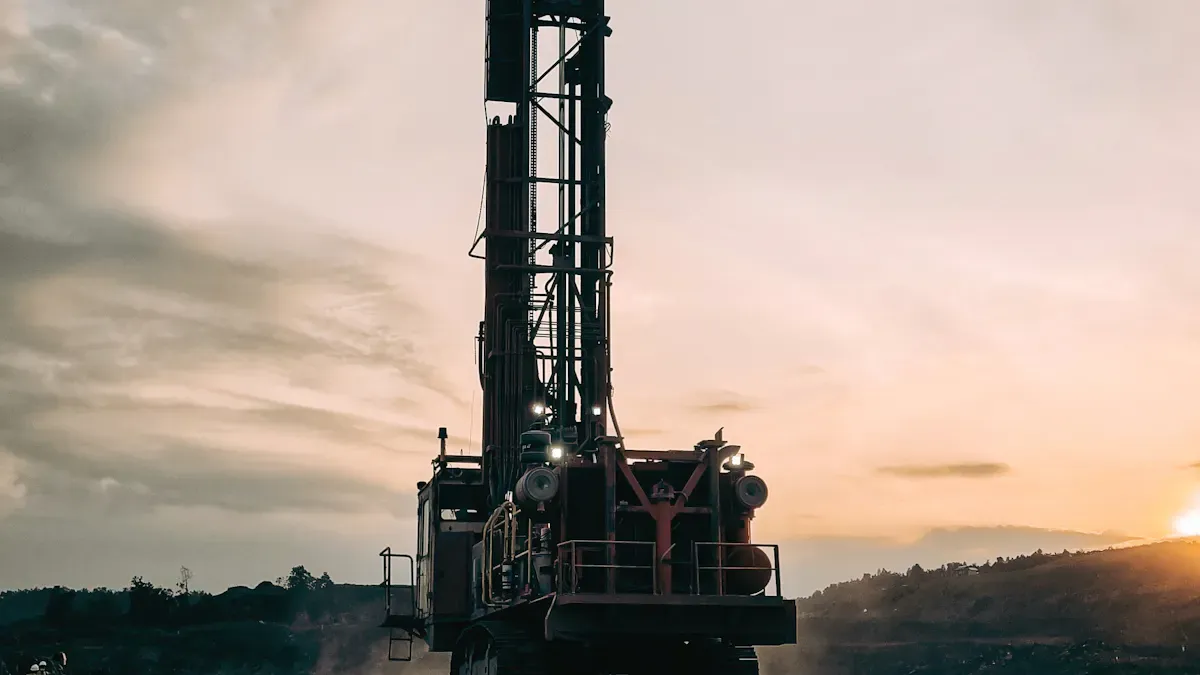
You can get hurt by heat when you use mining drills. Safety rules help keep you safe from burns and broken machines. You should always wear PPE, read the equipment manuals, and go to CEGC training. Workers need to use Mining Drills Cool System Handles Hot Work and follow safety rules to stay safe.
-
Always follow safety rules.
-
Remind other workers to be safe.
Key Takeaways
-
Always follow safety rules. Wear the right PPE to stay safe from heat and injuries.
-
Watch drill settings carefully. This helps stop overheating. It also makes your equipment last longer.
-
Use good cooling systems. Water cooling works well for big drills. It helps control heat and makes drills work better.
Heat Risks in Mining Drills
Causes of Heat Buildup
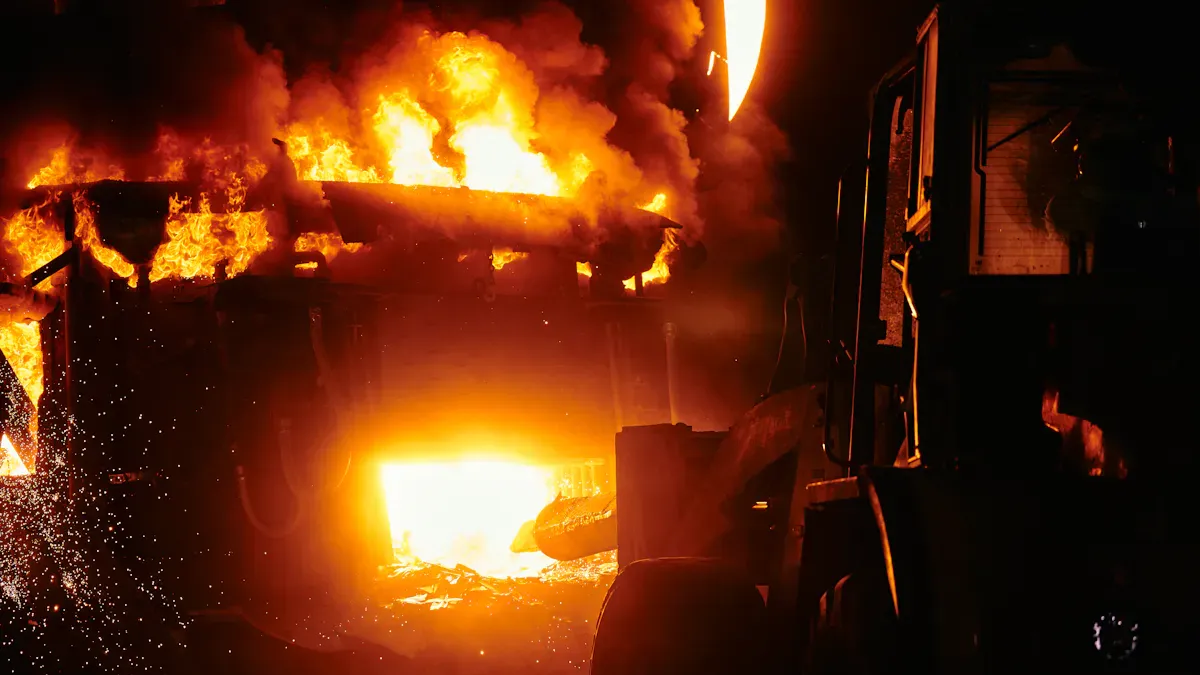
You face many risks from heat when you use mining drills. The main cause of heat comes from the way you operate the drill. If you use a high cutting speed and a low feed rate, the drill can get very hot. Studies show that drill bits can reach temperatures as high as 563.7 °C when working with tough materials like titanium alloys. The heat builds up quickly, especially if you do not adjust the speed or feed. Some materials, like epoxy resin in CFRP, can help move heat away, but most metals hold onto heat. You need to watch the drill settings to keep heat under control.
Tip: Always check the drill’s temperature during use. This helps you avoid sudden heat spikes.
Heat Stress and Equipment Damage
Heat stress is a big problem for both you and your equipment. When you work in underground mines, the air can reach 125–130°F (51–54°C). This makes heat stress more likely. Over 70% of heat-related deaths happen in a worker’s first week on the job. You need time to get used to the heat. If you do not, you can get sick or even develop serious health problems like chronic kidney disease.
Heat also damages your mining drills. Each time the temperature goes up by 10°C, the life of electronic parts can drop by half. For example, if a part should last 50,000 hours, too much heat can cut that down to 25,000 hours. Heat stress can break chips, solder joints, and other parts inside the drill. You must control heat to keep your tools working well and to stay safe.
Mining Drills Cool System Handles Hot Work
Types of Cooling Systems
You should know about cooling systems for mining drills. Mining drills cool system handles hot work by moving heat away. There are two main types. One is water-based. The other is air-based.
Here is a table that shows the good and bad points of each system:
|
Cooling System |
Advantages |
Disadvantages |
|---|---|---|
|
Water Cooling |
High efficiency, quiet operation, stable temperatures, potential for longer miner lifespan |
High initial cost, complex deployment and maintenance, steeper learning curve |
|
Air Cooling |
Simplicity, low investment, easy maintenance |
Poor performance in high temperatures, high noise, requires good ventilation |
Water cooling works best for big mining drills. It keeps the drill cool and helps it last longer. You need to pay more at first. You also must learn how to use and fix it. Air cooling is easier and costs less. It is good for small jobs or if you do not have much money. Air cooling does not work well in very hot places. It can also be loud.
Tip: If your mine is big and hot, use water cooling. For small jobs, air cooling is usually fine.
Some systems use heat exchangers or immersion cooling. These help mining drills cool system handles hot work in tough places. Heat exchangers move heat away fast. Immersion cooling puts parts in a safe liquid to pull heat away. These methods help your drills last longer and work better.
Managing Heat Effectively
You must control heat to stay safe. Mining drills cool system handles hot work by using smart tools and good habits. Equipment makers give tips for handling heat.
-
Use engineering controls. Set up cooling systems and shields to block heat.
-
Plan your work. Try not to drill when it is hottest. Watch the temperature in your area.
-
Wear PPE. Cooling vests and towels help you stay cool. Always use the gear your company gives you.
-
Drink water often. Mining drills cool system handles hot work, but you must stay hydrated. Take breaks and drink water or drinks with electrolytes.
-
Learn about heat stress. Go to training. Know the signs and what to do if you feel sick.
-
Make your job site safe. Set up shaded areas and cooling stations for rest.
Here is a table that shows these best practices:
|
Best Practice Type |
Description |
|---|---|
|
Engineering controls |
Use cooling systems and shields to reduce heat exposure. |
|
Administrative controls |
Schedule work to avoid peak heat times and monitor conditions. |
|
Personal Protective Equipment (PPE) |
Wear cooling vests and towels to help regulate body temperature. |
|
Training and education |
Learn about heat stress management and hydration. |
|
Hydration strategies |
Drink water and electrolyte beverages often. |
|
Job site design |
Provide shade and cooling areas to minimize direct sun exposure. |
Advanced cooling systems, like HeatX treatment, help mining drills cool system handles hot work by moving heat away fast. These systems keep drills running in very hot places. You get better results and fewer problems.
Note: Always check your cooling system before you start work. A good system keeps you safe and helps mining drills cool system handles hot work every day.
Safety in the Mining Industry
Working with mining drills in hot places can be dangerous. Safety in the mining industry needs strong rules and the right gear. You must use PPE and go to safety training often. These steps help keep you and your team safe every day.
PPE and Respiratory Protection
You need to wear PPE to stay safe at work. PPE keeps you safe from burns, falling things, and bad dust. Here are the main types of PPE you should use:
-
Helmets keep your head safe from things that fall.
-
Gloves protect your hands from sharp or hot things.
-
Safety goggles keep dust and small bits out of your eyes.
-
High-visibility clothes help others see you in dark places.
-
Respiratory protection stops you from breathing in bad dust or gas.
Modern respirators follow NIOSH and MSHA rules. You can use PAPRs to get clean air while you work. These make it easier to breathe and help keep you cool. You can wear them for a long time without feeling bad. This helps you do your job and keeps you safe from heat and dust.
Tip: Always check your PPE before you start work. Change any broken gear right away.
Safe Handling Techniques
You must use safe ways to handle tools to stop injuries. Good habits help you avoid accidents and keep your tools working. Here are some important steps:
-
Use the right tools and ways to lift drill pipe rods.
-
Do not drop or hit rods. This stops cracks and breaks.
-
Keep rods in a cool, dry place away from sun and heat.
-
Check rods for cracks, dents, or rust before using them.
-
Use tests that do not break rods to find hidden problems.
You should also block machines, turn off power, park on flat ground, and let out hydraulic pressure before you start work. These steps keep you and others safe from sudden moves or energy bursts.
|
Safety Protocol |
Description |
|---|---|
|
Block machinery |
Stops machines from moving by accident during repairs |
|
Disconnect power |
Stops electric dangers before you start work |
|
Park on level ground |
Stops machines from rolling or tipping over |
|
Relieve hydraulic pressure |
Stops sudden bursts of energy |
You need to follow these steps every time you use mining drills. This keeps everyone safe at work.
Training and Manuals
You must read manuals and go to safety training. Manuals show you how to use mining drills the right way. They tell you about safety features and safe steps.
Safety in the mining industry gets better when you go to training. Training teaches you how to use machines, spot dangers, and act fast in emergencies. Refresher classes help you remember the best ways to stay safe.
-
Training gives you skills to handle dangers.
-
You learn how to use mining drills safely.
-
You practice what to do in emergencies.
-
Refresher classes remind you of safety rules.
Note: Safety in the mining industry depends on you. Stay alert, follow rules, and help others be safe too.
You can see how safety steps help in the table below:
|
Evidence Type |
Description |
|---|---|
|
Heat Incidents |
139 miners had heat problems from 2006-2015 |
|
Symptom Prevalence |
56% of miners had heat strain symptoms last year |
|
Fatalities |
Two miners died from heat in 2002 because cooling gear was not good |
When you follow good habits, use PPE, and go to training, you lower the chance of accidents. Safety in the mining industry starts with you and your team.
Maintenance and Inspection
Maintaining Cooling Systems
You have to check your mining drill cooling system a lot. Doing regular maintenance keeps your equipment safe and working right. You should make a schedule that covers every important part. Here is a list of what you need to look at:
-
Hoisting equipment lifts heavy things. Check it for any damage.
-
Drill rods send power. Look for cracks or worn spots.
-
Mud circulation system cools and oils the drill bit. Clean it and watch it closely.
-
Drill bits wear out quickly. Change them when they get old.
-
Engine gives power to the rig. Change the oil and look for leaks.
-
Hydraulics move parts. Check fluid levels and look for leaks.
-
Filters keep fluids clean. Change them often.
-
Hoses move fluids. Check them and change if broken.
Tip: Write down your inspections in a log. This helps you find problems early.
Using Advanced Engine Oils
You can help your mining drill work better by using advanced engine oils. These oils protect the engine and help it run well. Look at the table below to see the main benefits:
|
Benefit |
Impact |
|---|---|
|
Reduced Wear |
Parts last longer, machine runs smoothly |
|
High Temperature & Heavy Load Protection |
Works well in tough places |
|
Engine Performance Optimization |
Uses less fuel, gives more power |
|
Reduced Downtime & Maintenance |
Saves money, machine works more |
If you switch to advanced oils, your engine stays strong even in hot places.
Checking for Overheating
You need to check your mining drill so it does not overheat. Checking and cleaning often helps your equipment last longer. Here are some ways to stop overheating:
-
Check machines often to stop them from breaking.
-
Clean cooling systems to help them work better.
-
Check tire pressure on haul trucks. Right pressure saves fuel and money.
-
Change old parts before they break and stop work.
Note: Checking your mining drills often keeps them safe and helps you avoid big repair bills.
Emergency Procedures for Heat
Responding to Overheating
You must act fast if mining drills or workers show signs of overheating. Quick action protects everyone and keeps the job site safe. You should always watch for heat stress. If you see a problem, follow these steps:
-
Move the worker to a cool place.
-
Give water right away to help with hydration.
-
Use cooling towels or fans to lower body temperature.
-
Never leave workers alone if they feel sick from heat.
-
Call for medical help if the worker does not get better.
You need a clear plan for emergencies. This plan tells you what to do and who to call. Training helps you spot heat stress early. You should pair new workers with experienced ones. This helps everyone learn the signs and act quickly.
Here is a table that shows standard emergency steps:
|
Procedure |
Description |
|---|---|
|
Monitor Workers |
Track signs of heat stress among workers. |
|
Provide Immediate Assistance |
Give help right away to anyone showing symptoms. |
|
Ensure Hydration |
Make sure workers drink water often. |
|
Cooling Measures |
Use fans, shade, or wet towels to cool workers. |
|
Emergency Response Plan |
Have a plan for medical help if needed. |
Tip: Training and clear emergency plans improve safety for all workers.
Emergency Controls Access
You must know where emergency controls are on your mining drills. Fast access helps you shut down equipment if it overheats. You should check these controls before you start work. Make sure nothing blocks your path to them.
Clear emergency protocols help you stay calm and act fast. These rules tell you how to evacuate, who to contact, and what your job is during an emergency. Good training gives you the skills to handle any heat problem. When you follow these steps, you protect yourself and other workers. Safety depends on everyone knowing what to do and acting quickly.
You protect yourself and your team when you follow safety steps. Cooling systems help mining drills work in hot places. You need to handle drills with care and check them often. Experts say you should:
-
Plan for hazards and share information with your team.
-
Use respiratory protection every day.
-
Watch for heat stress and take breaks.
Stay alert and keep learning about safety. Regular maintenance and training help you stay safe at work.
FAQ
What should you do if your mining drill overheats?
Move away from the drill. Turn off the power. Let the equipment cool. Tell your supervisor right away.
How often should you check your cooling system?
You should check your cooling system before every shift. Write down your findings in a logbook.
Why do you need to wear PPE when using mining drills?
PPE protects you from burns, dust, and falling objects. You stay safer and healthier when you wear the right gear.


