
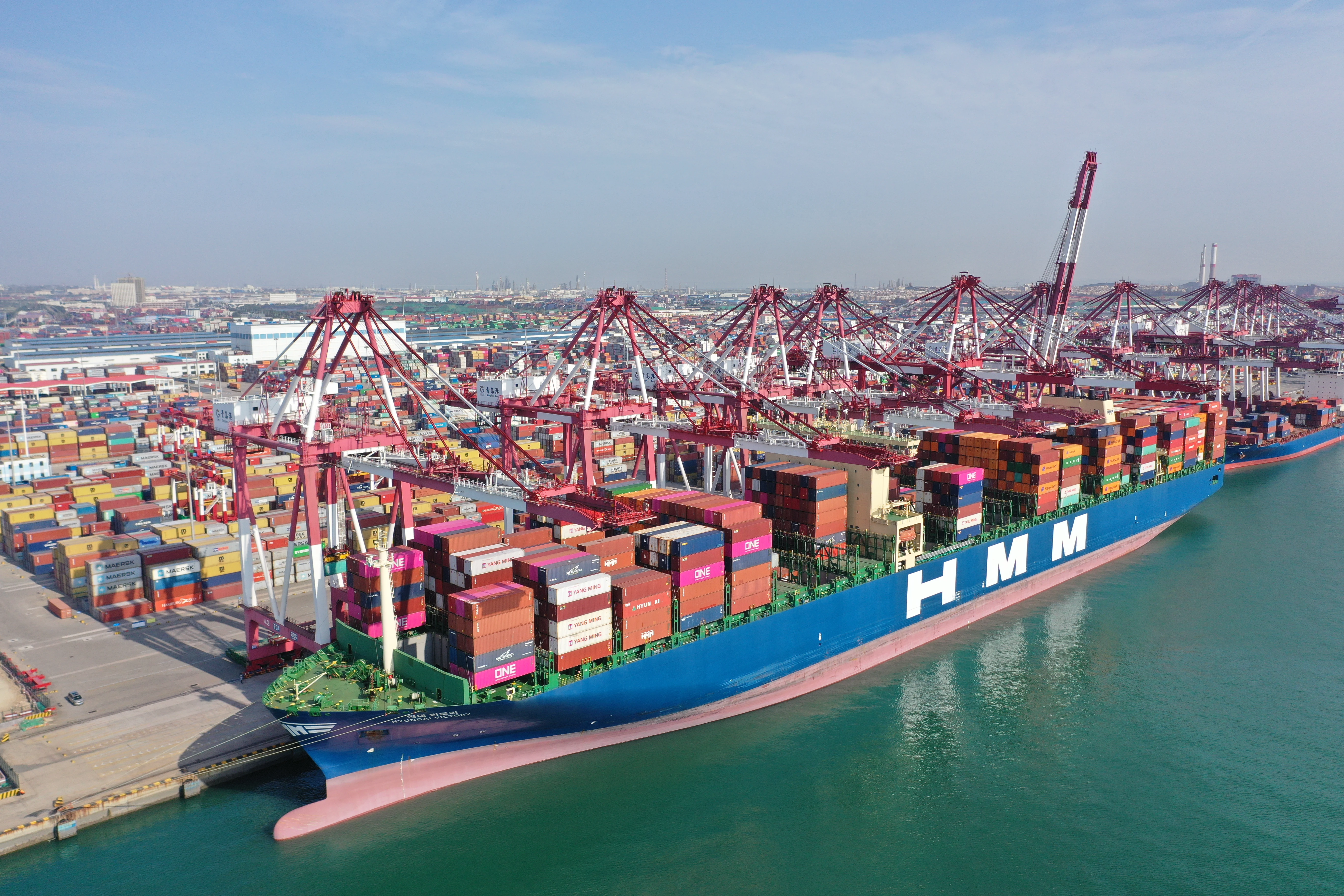
You notice empty crane travel makes your berth work slower each day. When cranes move without cargo, you waste time and money. This problem affects your team and your business. CEGC gives you port machinery and lifting equipment to help with the Port crane: empty travel vs berth productivity link.
Key Takeaways
-
Cutting down on empty crane travel helps berth productivity. When cranes move empty less, ships load and unload faster.
-
Using smart technology like anti-sway systems and predictive maintenance can lower empty crane travel a lot.
-
Careful planning and using real-time data make crane work better. This makes things more efficient and saves money.
Port crane: empty travel vs berth productivity link
What Is Empty Crane Travel?
Empty crane travel happens when a crane moves without cargo. This can be a container crane or portal crane. Sometimes, the crane goes back to get another load. Other times, it moves to a new spot between jobs. Empty travel does not help your work. It takes up time and energy but does not move containers. If there is too much empty crane travel, the port slows down. You should try to lower empty crane travel. This keeps your berth working well.
Berth Productivity Explained
Berth productivity shows how well your port uses space and equipment. It tells you how fast ships get loaded and unloaded. You can check this with some key numbers like:
-
Berth Throughput
-
Waiting Time
-
Service Time
-
Time in Port
-
Berth Occupancy Ratio
-
Berth Working Time Ratio
If berth productivity is high, ships wait less. They spend more time moving cargo. This makes your port look good. It also lets you work with more ships each day.
Operational Relationship
There is a clear link between empty crane travel and berth productivity. If you cut down on empty crane travel, berth productivity goes up. You save time and ships wait less. More cargo can move through the port. Here is a table that shows how these things connect:
|
Evidence Description |
Impact on Berth Productivity |
|---|---|
|
Simulation-driven changes can increase crane productivity by 15–20%. |
Higher crane productivity improves berth productivity. |
|
Optimizing scheduling and equipment utilization reduces idle times. |
Reduced idle times lead to more efficient berth operations. |
|
Proactive planning considers real-time status of berths and cranes. |
Enhances operational flow and reduces vessel waiting times. |
You can use CEGC’s container cranes and portal cranes. They meet market standards or can be custom-made for your project. This helps you pick the right equipment for your port. It also helps you lower empty travel. The Port crane: empty travel vs berth productivity link is important for your business.
Impact, Causes & Solutions

How Empty Travel Reduces Productivity
Empty crane travel makes port work slower. When a container crane or portal crane moves with no load, you waste time. This means ships stay at the port longer and costs go up. Busy times get worse because there is more congestion. Damaged containers can slow things down even more. You have to stop and check or remove them. These problems make shipping cost more and mess up supply chains.
There are also safety risks. Cranes without cargo can sway more, which is hard to control. This can cause crashes or accidents. Operators get tired faster, so they make more mistakes. To improve the Port crane: empty travel vs berth productivity link, you need to cut down on empty moves.
Main Causes in Port Operations
Many things cause empty crane travel in ports:
-
Bad planning and scheduling make cranes move for no reason.
-
Poor stowage patterns make cranes travel farther to pick up or drop off containers.
-
Wrong equipment placement means cranes are not where you need them.
-
Operators who are not skilled enough make more empty moves.
-
High yard density means more stacking, so cranes must rehandle and travel empty more.
-
No real-time job queues or signals make it hard to manage busy times.
If you do not track where containers are stored, empty crane travel can increase. Digital tools like digital twins help you plan better and avoid extra moves. Good scheduling between quay cranes and vessel operations also cuts down on idle time.
Solutions & Best Practices
You can use different solutions and best practices to lower empty crane travel and help berth productivity:
-
Anti-sway systems: These use sensors and smart controls to keep loads steady. They stop swinging and drifting, so crane moves are safer and faster. Anti-sway technology means operators do not need to fix things by hand as much. This helps them focus on putting containers in the right place. It also makes work faster and less tiring.
-
Motion coordination: By matching hoist, trolley, and gantry moves, you cut down on wasted travel. Smooth starts and stops keep loads stable. Automatic corrections during travel help stop sway, even with different loads.
-
Predictive maintenance: AI and machine learning look at crane data to tell when repairs are needed. Monitoring systems check vibration and temperature to find problems early. Training operators helps them spot and fix issues, so there is less downtime.
-
Workflow integration: Real-time job queues and signals help during busy times. Automation across quay cranes, yard cranes, and terminal vehicles makes work faster. Systems like BoxBay let you get to containers directly, so you avoid many wasted moves each year.
-
Equipment upgrades: Upgrading container handling equipment, like adding VFDs to RTG cranes, makes them work better. Real-time data helps you plan the best paths and stacking, so cranes travel empty less.
Tip: Top ports use fixed, grid-aligned berth-to-yard corridors to cut move distances by up to 40%. Lining up berths with storage blocks and using straight aisles saves fuel and space.
You can check your progress with clear numbers:
|
Metric |
Description |
|---|---|
|
Shows how well cranes work |
|
|
Vessel exchange rates |
Tells you about total throughput |
|
Gate turn times |
Measures how fast trucks move in and out |
|
Port call duration variance |
Compares real turnaround times to the average |
|
Reduction in container handling time |
Shows better logistics efficiency |
Many ports have done well with these ideas. For example, Manzanillo International Terminal used automation to cut empty crane travel. Automated planning and move dispatch systems now pick the best spots for containers, so there is less manual work. Dynamic workload balancing and smart set-asides help share tasks and cut down on travel.
By using these best practices and advanced solutions from CEGC, you can make the Port crane: empty travel vs berth productivity link stronger. Your port will work faster, be safer, and get better results.
You can make berth productivity better if you lower empty crane travel. Using technical solutions and good habits helps your port work faster. These ideas can help you a lot:
|
Strategy |
Description |
|---|---|
|
Good planning saves fuel and stops cranes from waiting. |
|
|
Data-Driven Decision Making |
Analytics help you make smarter choices for your port. |
CEGC’s new port machines give you special cranes and tools to predict repairs. This helps your terminal work well all the time.
FAQ
What is the main benefit of reducing empty crane travel?
You save time and money. Your port moves more containers each hour.
Tip: Use CEGC container cranes for better results.
How can you measure berth productivity?
You can check container moves per crane per hour. You can also track vessel exchange rates and port call duration.
|
Metric |
What It Shows |
|---|---|
|
Moves/hr |
Crane speed |
|
Exchange rate |
Total throughput |
Does CEGC offer custom solutions for different ports?
Yes. You can ask CEGC for project-based customization. You get the right portal crane or container handling equipment for your needs.


